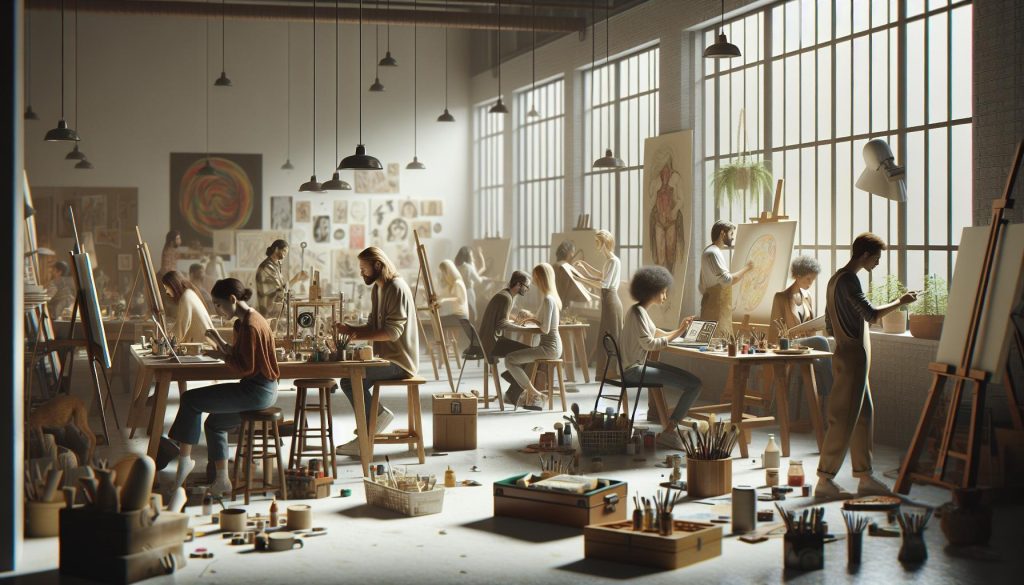
Are you aware that 72% of employers actively seek creative skills when hiring? For arts students, this statistic translates into a world of exciting opportunities, ranging from internships to freelance projects and part-time roles. As you embark on your career journey, understanding the diverse job landscape available to you becomes essential. Whether you’re looking to balance work with your studies or launch into a full-time creative career, there are numerous paths to explore. This guide will illuminate over 20 dynamic job opportunities that leverage your artistic talents and help you gain valuable experience. With practical advice on navigating job applications, creating standout resumes, and preparing for interviews, you’ll feel empowered to take charge of your career development. Let’s dive into the creative realms awaiting you!
Exploring Career Options for Arts Students
Exploring diverse career options is crucial for arts students as they navigate their academic and professional journeys. The creative fields offer a plethora of opportunities that not only leverage artistic talents but also encourage innovative thinking and problem-solving. Arts students can find fulfilling roles in areas such as graphic design, marketing, art direction, content creation, pattern making, and even emerging technologies like digital media and game design. By honing their skills and understanding market trends, students can position themselves to excel in these dynamic environments.
When considering potential career paths, it’s essential for arts students to reflect on their personal interests and the skills they have developed during their studies. Engaging in part-time jobs related to their field, such as working in a gallery or assisting in marketing campaigns, can provide valuable experience and insights into the industry. Additionally, internships are an excellent way to gain real-world experience while building a network of professional contacts. These positions often serve as gateways to full-time employment, allowing students to demonstrate their capabilities in a practical setting.
Freelancing offers another compelling avenue for arts students who wish to cultivate their unique brand and work on varied projects. By taking on freelance gigs, students gain flexibility, and the ability to choose projects that align with their passions. Building a portfolio showcasing their work is crucial in attracting clients and potential employers alike.
To enhance their employability, arts students should focus on cultivating their professional presence. This includes crafting a strong resume that highlights relevant experiences and skills, mastering job interview techniques tailored to creative roles, and engaging in networking opportunities within their desired industries. By balancing work commitments with academic responsibilities, arts students can develop both their professional expertise and their artistic vision, empowering them to embark on successful and fulfilling career paths.
Creative Fields: Where Can You Work?
In the ever-evolving landscape of creative professions, arts students have an abundance of exciting fields to explore. From traditional roles in the visual arts to innovative opportunities in emerging digital mediums, the range of options is vast and varied. This diversity allows students to leverage their unique talents and adapt to a world that increasingly values creativity and innovation.
Creative Career Opportunities
Within the arts, students can tap into numerous sectors, including:
- Graphic Design: Creating visual content for brands, websites, and print materials allows artists to combine aesthetics with functionality.
- Advertising and Marketing: Arts students can craft compelling campaigns, developing advertisements that resonate with audiences.
- Art Direction: Leading visual aspects of projects across platforms (including film, theater, and photography) showcases their ability to manage visual storytelling.
- Content Creation: With the rise of social media, opportunities abound in producing engaging content for brands and influencers.
- Fashion Design: Those inclined towards textiles can explore roles that start from concept creation to runway shows.
- Digital Media: Involving animation and game design, this sector allows for technical creativity that marries artistic vision with technology.
Practical Job Search Strategies
To secure positions in these creative fields, arts students should actively pursue practical experiences:
- Part-Time Jobs: Many students find roles that complement their studies, such as gallery assistants, social media coordinators, or retail positions in creative environments. These roles provide insight into the industry while allowing for flexible schedules.
- Internships: Securing internships with companies or individual artists can serve as invaluable stepping stones. They often lead to job offers and provide real-world projects to enhance resumes.
- Freelancing: For those desiring autonomy, freelancing allows for flexibility. Students can take on varied projects that match their skills, showcasing their work through a professional portfolio.
Establishing a strong online presence and networking within the arts community can also significantly bolster job prospects. Engaging with professionals through platforms like LinkedIn or attending art fairs and creative meetups can uncover hidden job opportunities and build essential relationships in the field.
With strategic planning, arts students can confidently transition from academic life to fulfilling careers that align with their creativity and passion. By pursuing diverse opportunities and continually honing their skills, they can craft careers that not only reflect their artistic identities but also adapt to the ever-changing demands of the creative industry.
Top Part-Time Jobs for Arts Majors
In today’s dynamic job market, arts majors can find an array of part-time job opportunities that align perfectly with their studies and creative aspirations. These roles not only help students gain practical experience but also nurture essential skills that can be beneficial in their future careers. Working in a flexible environment allows students to juggle their academic commitments while exploring diverse avenues within the arts sector.
Many arts students begin their professional journeys as gallery assistants, where they can immerse themselves in the world of visual art, help organize exhibits, and interact with visiting artists and art enthusiasts. This position often provides valuable insights into art curation and event management, building a solid foundation for future pursuits in the art world. Another popular avenue is social media coordination for creative brands or individual artists; this role allows students to showcase their creativity while developing marketing skills in a digital landscape that values engaging content.
Moreover, working as a creative intern in advertising agencies or design studios can serve as a vital stepping stone, often leading to job offers upon graduation. Here, students can participate in real projects, gaining experience in teamwork and project management while enhancing their resumes. For those seeking more flexibility, pursuing freelancing offers the chance to select projects that match their skills and interests. Students can build a portfolio that reflects their unique artistic voice, helping to establish their presence in the competitive arts scene.
It’s essential for arts students to remember that part-time work should be a complementary experience to their studies rather than a burden. By selecting positions that ignite their creative passion and using effective time management strategies, they can thrive both academically and professionally. Engaging with professionals in their chosen field through networking, internships, and part-time jobs will not only enrich their learning experience but also expand their career opportunities in the vibrant arts sector.
Internship Opportunities: Gain Real-World Experience
Internships are a crucial stepping stone for arts students aiming to bridge the gap between academic theory and the professional world. Engaging in internships not only enhances your resume but also provides invaluable hands-on experience in your chosen field. Whether you’re interested in visual arts, performing arts, arts administration, or digital media, internships present opportunities to apply classroom knowledge in real-world settings, network with industry professionals, and refine your skills.
Consider seeking internships that align with your career goals and personal interests. For instance, aspiring visual artists might look for opportunities at galleries, museums, or design studios where they can assist with exhibits, manage installations, or collaborate on creative projects. Performing arts students may find internships with theater companies or dance troupes, where they can work behind the scenes on production, marketing, or event management. Each of these experiences offers a unique insight into the inner workings of the arts industry.
To maximize your internship search, take the following steps:
- Research: Identify organizations that resonate with your artistic vision and mission. Explore their websites, social media, and industry news to understand their current projects and culture.
- Network: Attend industry events, workshops, and join online groups. Building relationships with professionals in the arts can lead to internship opportunities that may not be publicly advertised.
- Tailor Applications: Customize your resume and cover letter for each internship application. Highlight relevant coursework, skills, and any previous experience that makes you a strong candidate.
- Prepare for Interviews: Practice common interview questions and be ready to discuss your portfolio or previous work. Show enthusiasm for the organization and express how the internship aligns with your career aspirations.
Remember, internships are designed to educate and foster growth, so don’t be afraid to ask questions and seek feedback. This proactive attitude not only enhances your learning but can also leave a positive impression on your supervisors. Balancing an internship with academic responsibilities may require effective time management, but the insights and connections gained will significantly enrich your educational journey and position you for future success in the arts sector. Embrace these opportunities; they are essential in shaping your professional identity and opening doors to your desired career path.
Freelancing: Building Your Own Creative Path
Freelancing offers a unique avenue for arts students to unleash their creativity while gaining valuable experience and income. With the rise of the gig economy, many students are finding that freelancing provides the flexibility to balance their studies with practical work. By working on projects that match their skills and interests, students can build a portfolio that showcases their talents, which is crucial in the competitive arts industry.
To successfully embark on a freelance career, start by identifying your strengths. Are you a skilled graphic designer, a talented writer, or perhaps an adept photographer? Pinpointing your primary skills will help you focus your efforts. Once you’ve established your niche, create an online presence through a professional website or platforms like Behance, LinkedIn, or Medium. This serves as your digital portfolio, displaying your work and attracting potential clients.
Finding Freelance Opportunities
To find freelance work, leverage multiple channels. Here are some practical steps to get started:
- Join Freelance Platforms: Websites like Upwork, Fiverr, and Freelancer are great starting points. Create a comprehensive profile that outlines your skills, experiences, and rates.
- Network: Join local art groups, attend workshops, and participate in community events. Networking can open doors to freelance gigs that are not advertised online.
- Utilize Social Media: Promote your work on social media platforms, especially Instagram and Pinterest, where visual content thrives. Engaging with your audience can lead to referrals and new projects.
- Cold Pitch: Don’t hesitate to reach out to businesses or individuals whose work you admire. Crafting a tailored pitch that demonstrates how you can solve their creative challenges can lead to exciting opportunities.
Managing Freelance Life
Balancing freelancing with academics requires effective time management. Here are some tips to help you juggle both successfully:
- Set Clear Goals: Establish what you aim to achieve through your freelance work. This could include the number of projects per month or specific income targets.
- Create a Schedule: Designate specific hours for freelancing that suit your academic commitments. Having a structured schedule helps maintain focus and ensures you meet deadlines.
- Build a Support System: Connect with peers who are also freelancing. Sharing experiences and resources can provide moral support and practical advice.
Freelancing is a practical and rewarding route for arts students looking to forge their creative paths. By embracing the flexibility it offers, students can grow their portfolios, gain financial independence, and develop professional skills that will serve them well in their future careers. With dedication and smart planning, freelancing can become a fulfilling complement to your educational journey, paving the way for a successful future in the arts.
Developing a Winning Resume for Arts Students
Crafting a compelling resume is an essential step for arts students looking to showcase their creative skills and stand out in a competitive job market. The resume serves not just as a list of experiences but as a visual representation of your artistic flair and professionalism. It’s crucial to curate a document that highlights your unique talents and conveys your passion for the arts, yet remains structured and clear.
Start with a strong header that includes your name, contact information, and links to your online portfolio or relevant social media platforms. This immediately directs potential employers to your best work, allowing them to see your capabilities firsthand. Next, focus on tailoring your resume for each application. Identify the key skills and experiences required in the job description, such as design software proficiency for a graphic design position or writing skills for a content creation role, and emphasize these qualifications in your document.
Structuring Your Resume
Here’s a basic structure to follow when building your resume:
- Objective Statement: A brief statement outlining your career goals and what you hope to achieve in the position.
- Education: Include your degree, major, institution, and graduation date. If you have relevant coursework or projects, consider listing those to showcase your expertise.
- Experience: Highlight internships, part-time jobs, or freelance work relevant to your field. Use bullet points to describe your responsibilities and accomplishments succinctly.
- Skills: Include both hard skills (like software proficiency) and soft skills (such as teamwork) that are applicable to the job you’re applying for.
- Portfolio or Projects: List any significant projects or your portfolio website that can give employers a better understanding of your capabilities.
Design and Quality
The design of your resume should reflect your personal style while maintaining clarity and professionalism. Utilize ample white space, a balanced layout, and a consistent font to ensure readability. Remember that hiring managers often skim resumes, so make sure the most critical information stands out. Lastly, proofread diligently to eliminate any spelling or grammatical errors-attention to detail is paramount in creative sectors.
Building an effective resume is an empowering endeavor that can significantly enhance your chances of landing desirable roles in your field. By presenting your achievements confidently and creatively, you’ll not only impress potential employers but also reinforce your commitment to your artistic career. Balancing your studies and job applications can be challenging, but the right resume will help open doors to fulfilling opportunities that align with your career aspirations.
Mastering Job Interviews for Creative Roles
The job interview process can be overwhelming, particularly for arts students eager to showcase their creativity while still needing to navigate the traditional expectations of professionalism. To stand out, it’s essential to blend your artistic personality with interview best practices that resonate with employers. Understanding what to expect and how to prepare will not only boost your confidence but also enhance your chances of landing that coveted role.
Begin by familiarizing yourself with common interview questions that pertain to your field. Arts students might encounter inquiries about their creative process, how they handle feedback, or even specific project experiences showcased in their portfolios. Prepare succinct yet engaging responses that reflect your artistic vision and adaptability. For example, if asked about a challenging project, discuss not just the hurdles but also how your creative thinking led to an innovative solution. This approach demonstrates your problem-solving skills while also giving a glimpse into your artistic thought process.
Presentation Matters
Your presentation on the day of the interview can play a crucial role in making a memorable impression. Ensure your attire aligns with the company culture-an industry like software design might welcome a casual look, whereas an art gallery may expect more formal attire. Beyond clothing, bring a physical portfolio or digital tablet showcasing your work. This allows you not only to discuss your experience but to visually engage your interviewer with tangible proof of your skills.
Follow-Up and Networking
After the interview, don’t underestimate the power of a thoughtful follow-up email. Express gratitude for the opportunity, reiterate your excitement about the position, and, if appropriate, include a link to any recent work or projects. Additionally, networking is an ongoing effort; connect with interviewers or other industry professionals via platforms like LinkedIn. Building relationships in the creative community can lead to more opportunities and valuable insights down the line.
By mastering the interview process tailored to your artistic strengths, you’re positioning yourself not just as a candidate, but as a memorable individual eager to contribute to the creative landscape. This preparation will empower you, enabling you to balance your academic responsibilities while actively pursuing your career in the arts.
Networking Tips for Arts Students
Building a network is essential for arts students looking to carve out a career in the creative industry. Engaging with the right people can open doors to internships, job opportunities, and collaborations that may not be advertised publicly. Whether you’re an aspiring graphic designer, writer, musician, or performer, establishing connections can significantly enhance your career trajectory. Remember, networking is not just about seeking help; it’s also about building genuine relationships that can foster mutual growth.
One of the most effective ways to start networking is by attending industry-related events, such as art shows, exhibitions, workshops, and conferences. These gatherings are fertile ground for meeting established professionals and fellow students who share your interests. Make it a point to introduce yourself and, when possible, engage in meaningful conversations. Be prepared with a brief elevator pitch that sums up your background and aspirations, which helps to leave a lasting impression.
Utilize online platforms like LinkedIn to connect with professionals in your field. Joining groups related to your interests can keep you updated on industry trends and discussions, while also providing opportunities to interact with potential mentors. Don’t hesitate to reach out to those whose work you admire; a simple message expressing your appreciation for their work can lay the foundation for a valuable connection.
Additionally, consider creating your own opportunities by actively participating in creative communities. Collaborate on projects, volunteer for local arts organizations, or even start a blog or social media page to showcase your work. By putting yourself out there, you not only gain experience but also attract attention from others who may want to collaborate or hire you for your skills. The arts community thrives on collaboration, and being an active participant can lead to unexpected opportunities.
As you develop these networks, remember to maintain relationships through follow-ups and continued engagement. Sending a quick message after meeting someone or sharing relevant articles can remind them of who you are, keeping the connection alive. The more effort you put into building and nurturing these relationships, the more likely you’ll be positioned for future opportunities in your artistic journey.
Online Job Boards and Resources to Explore
The digital age has opened an expansive arena of job opportunities for arts students, where online job boards and resources can serve as vital tools in your career arsenal. Understanding where to look and how to utilize these platforms can accelerate your journey toward a fulfilling career in the arts. Whether you’re seeking part-time work to complement your studies, looking for internships to gain practical experience, or exploring freelance opportunities to showcase your talents, the right online resources can make all the difference.
Choosing the Right Job Boards
Many websites cater specifically to creatives, providing job listings that range from internships to full-time positions. Some highly-recommended job boards include:
- Behance: A platform primarily for designers and artists to showcase portfolios and find job listings in creative fields.
- Creativepool: This site connects creatives with companies looking for innovative talent, boasting job listings across various disciplines.
- Stage 32: Ideal for those in the film, television, and theater sectors, offering job directories and networking opportunities.
- ArtStation: Tailored for visual artists, it allows users to present their work while applying for jobs and freelance gigs.
- SimplyHired or Indeed: While not exclusively for arts roles, these popular job sites feature categories where arts students can find relevant jobs or internships.
Utilizing Online Resources
In addition to job boards, leveraging specific resources can enhance your job search. Consider visiting websites dedicated to career advice tailored for the arts, such as:
- Americans for the Arts: This organization provides various resources on arts advocacy and career development, informing you about job opportunities and grants in the arts field.
- The Association of Independent Artists: Offers curated opportunities for artists, including exhibitions and project collaborations.
- LinkedIn: Use this professional networking site not just to search for jobs, but also to connect with industry professionals, join groups, and participate in discussions related to your field.
Applying Strategically
Once you identify potential job opportunities, focus on crafting a compelling application.
- Tailor Your Resume and Cover Letter: Highlight relevant experiences and skills. Consider the specific job and company culture to guide your writing.
- Prepare Your Portfolio: Whether for a job in design or writing, make sure your portfolio is comprehensive, showcasing your best work clearly and professionally.
- Practice Interview Skills: Familiarize yourself with common questions and prepare specific examples that illustrate your strengths and relevant experiences.
By proactively utilizing these online job boards and resources, you’ll position yourself advantageously in the competitive arts job market. Keep a balance between your academic responsibilities and your job search, setting aside dedicated time each week to explore opportunities, tailor applications, and network within the arts community. Embrace the journey, and remember: every application you submit is a step closer to finding the fulfilling career you deserve!
Balancing Work and Academics Effectively
Finding the right equilibrium between work and academic responsibilities can be a challenging task for arts students, yet mastering this skill is essential for both personal growth and career development. The flexibility of part-time jobs, internships, and freelance gigs allows students to gain invaluable experience while reinforcing their education. As you navigate this journey, consider creating a structured plan to allocate time effectively. Here are some practical strategies to help you strike that balance.
Prioritize and Organize
A well-structured schedule is crucial to successfully managing your time. Use digital tools like Google Calendar or Trello to set deadlines for assignments and schedule work shifts. Additionally, breaking your tasks into small, manageable segments can make larger projects less daunting. Prioritize your responsibilities based on deadlines and importance, ensuring that you maintain your academic commitments while also advancing your professional skills.
Flexible Work Opportunities
Look for job roles that provide flexible hours to accommodate your class schedules. Many organizations, especially in the arts sector, understand the demands on students and offer part-time positions that allow you to tailor your work around your studies. Freelancing is another viable option; platforms like Fiverr or Upwork connect you with clients needing your creative skills, giving you the freedom to choose when and how much you work.
Learn to Say No
It’s essential to recognize your limits. While it’s tempting to take on numerous responsibilities for experience or financial gain, overcommitting can lead to burnout. Assess each opportunity carefully and be willing to decline jobs or projects that may overwhelm you. Remember, your primary focus should remain on your education, and maintaining high academic standards will ultimately benefit your career trajectory.
Utilize Campus Resources
Don’t overlook the support systems available on your campus. Academic advisors, career centers, and student organizations can provide resources to help you navigate job applications, internships, and networking opportunities. These platforms can also offer workshops on resume writing and interview preparation, ensuring you’re well-equipped to promote yourself in the job market.
By implementing these strategies, you can effectively balance work and academics while fostering personal and professional growth. Embrace this dynamic period in your life, knowing that each experience contributes to your journey toward a fulfilling career in the arts.
Mentorship and Guidance in Creative Careers
Establishing a connection with a mentor can be one of the most transformative experiences for arts students navigating their career paths. A mentor serves as a guiding light, providing invaluable insights from their own journeys, sharing industry know-how, and helping you make informed decisions about your future. In creative fields, where competition can be intense and opportunities often seem elusive, the right mentorship can pave the way for tangible growth and success.
One practical approach to finding a mentor is to actively seek opportunities within your university or local community. Many arts-focused organizations and professional networks host events where students can meet established professionals. Attend workshops, panels, and networking events to engage with potential mentors. Don’t hesitate to reach out via professional social media platforms like LinkedIn or artistic communities; a simple message expressing your admiration for their work can go a long way. Always be polite, concise, and respectful of their time-many may appreciate your initiative enough to respond positively.
Building Mentor Relationships
Once you’ve identified potential mentors, approach the relationship thoughtfully. Consider the following steps to cultivate a meaningful connection:
- Express Genuine Interest: When you first reach out, share what specifically draws you to their work and why you believe they would be a great mentor for you.
- Be Open to Feedback: Be prepared to receive constructive criticism and guidance, as this is key to personal and professional development.
- Follow Up: After your initial meeting, send a thank-you note or email summarizing what you learned and expressing your appreciation for their time.
Equally important is maintaining the relationship over time. It’s essential to keep your mentor updated on your progress while also allowing space for them to share new insights. This two-way engagement not only enriches the mentorship experience but also fosters a deeper professional relationship.
Remember, mentorship is about partnership and growth. As you navigate your career options, keep in mind that the right mentorship can not only enhance your skills and knowledge but also open doors to internships, freelance opportunities, and potential job offers that can significantly shape your career trajectory in the arts. Embrace the process, and be open to the wisdom that experienced professionals have to share.
Emerging Careers in the Arts Sector
As the landscape of the arts continually evolves, new opportunities are emerging that cater to a variety of skill sets and interests. Today’s arts students can explore careers that not only align with traditional roles but also venture into innovative realms fueled by technology and societal changes. From digital content creation to social media management, the possibilities are diverse and exciting.
One of the rising fields is digital arts, where graphic designers, animators, and multimedia artists are in high demand. These professionals create visually compelling content for online platforms, video games, and advertisements, leveraging their creativity to engage audiences. Additionally, with the exponential growth of streaming services, roles around content curation, video editing, and production design are rapidly expanding, offering engaging positions in both artistic and technical capacities.
Moreover, arts students should consider careers in arts management or cultural policy, focusing on the organizational side of the arts sector. These roles offer the chance to impact community engagement and public arts initiatives, showcasing the importance of arts in societal development. For those who are passionate about establishing connections, careers as program directors and development officers at art organizations and non-profits present valuable opportunities.
It’s vital for aspiring arts professionals to proactively seek internships and freelance projects, as these experiences are pivotal in developing a robust portfolio. Through internships, students gain hands-on skills, build their networks, and often discover mentors who can guide them throughout their career journeys. Likewise, as freelancing becomes increasingly mainstream, establishing a personal brand and online presence can differentiate one’s work in a competitive market.
In approaching these emerging career paths, students should focus on flexibility and adaptability. This might involve diving into multiple creative areas or honing specific skills that align with current industry trends. By staying informed, developing a versatile skill set, and embracing lifelong learning within their fields of interest, arts students can navigate their careers with confidence and creativity, ultimately paving the way for success in this dynamic sector.
Q&A
Q: What types of jobs can arts students pursue after graduation?
A: Arts students can pursue diverse career options such as graphic designer, marketing specialist, art director, museum curator, and freelance artist. These roles allow them to leverage their creativity and acquired skills in various industries, including advertising, education, and entertainment.
Q: How can arts students find internships related to their field?
A: Arts students can find internships by utilizing online job boards dedicated to creative fields, networking with professionals on platforms like LinkedIn, and attending career fairs. Moreover, visiting the internship sections of universities can provide leads on available opportunities to gain practical experience.
Q: What advantages do internships offer arts students?
A: Internships provide arts students with hands-on experience, industry connections, and valuable insights into their chosen fields. Additionally, they enhance resumes and may lead to permanent job opportunities, making them a crucial step in career development.
Q: How can creative students effectively market their freelance services?
A: Creative students can market their freelance services by building an online portfolio, leveraging social media platforms, and networking within their communities. Joining freelance job platforms can also help them connect with potential clients looking for their skills.
Q: What are some emerging careers in the creative arts sector?
A: Emerging careers include digital content creator, social media strategist, and user experience designer. These roles reflect the growing importance of digital platforms and require a combination of artistic talent and technical skills.
Q: Why is networking important for arts students?
A: Networking is crucial for arts students as it opens doors to job opportunities, collaborations, and mentorship. Building relationships with industry professionals can provide valuable insights and lead to referrals that enhance career prospects.
Q: What skills are most valuable for arts students entering the job market?
A: Valuable skills include creativity, communication, critical thinking, and proficiency in relevant software (e.g., Adobe Creative Suite). Developing a strong portfolio and soft skills like teamwork and adaptability will also significantly enhance employability.
Q: How can arts students balance work and academics effectively?
A: Arts students can balance work and academics by setting a well-structured schedule, prioritizing tasks, and using time management techniques. Seeking flexible part-time job options and communicating with employers about academic commitments can also help maintain this balance.
Future Outlook
As you explore the diverse career paths available to arts students, remember that opportunities abound in part-time jobs, internships, and freelance work, all of which can fit around your academic commitments. Embrace the journey of applying for these roles-your creativity and passion can set you apart. For step-by-step guidance on crafting standout resumes and preparing for interviews, be sure to check out our resources on effective job applications and work-life balance strategies.
Don’t wait to take the next step in your career-explore more about navigating the job market in our related articles on arts funding opportunities and membership benefits that could support your artistic pursuits. Join our newsletter for ongoing insights and practical tips tailored for aspiring artists like you. Your future in the arts is bright, and with the right tools and resources, you can confidently balance work and academics while paving your way to success. Share your thoughts and experiences in the comments below; we’d love to hear how you’re making your mark!