Did you know that online collaboration can significantly enhance your learning experience? A wiki, as an online collaborative working space, enables students to contribute to shared knowledge effortlessly, allowing for collective problem-solving and resource sharing. This dynamic platform not only fosters teamwork but also equips students with skills crucial for their future careers, like communication and adaptability. As you navigate the demands of academia, using a wiki can help streamline group projects, facilitate peer reviews, and promote active engagement with course materials. By harnessing this tool, you can enrich your educational journey while preparing for the professional world-where collaboration is key to success. Dive deeper into how wikis work and their transformative potential for your studies!
Understanding the Concept of a Wiki for Students
In an increasingly interconnected world, the power of collaboration cannot be overstated, especially in an educational environment. A wiki serves as a dynamic platform that encourages students to come together, share ideas, and create a collective repository of knowledge. Unlike traditional static websites, wikis allow multiple users to edit and update content easily, fostering a sense of community as students contribute their perspectives and insights. This collaborative approach not only enhances learning but also builds essential skills such as teamwork, negotiation, and critical thinking.
At its core, a wiki is designed to be user-friendly, inviting participation from all students regardless of their technical expertise. This inclusivity empowers students to take ownership of their learning process, as they actively engage with the material rather than passively consuming it. For example, in a group project, students can create a shared wiki page to compile research, discuss different viewpoints, and refine arguments collectively. This real-time collaboration can lead to more comprehensive and nuanced understanding of the subject matter, as students learn from one another through discussions and edits.
Moreover, wikis can serve various purposes beyond mere information sharing. They can facilitate project management by allowing teams to track progress, brainstorm ideas, and set deadlines. This flexibility makes wikis particularly valuable in academic settings, where group assignments are commonplace. The ability to view a history of changes also enables students to learn from previous versions, understand the evolution of ideas, and critically analyze peer contributions.
In essence, integrating a wiki into student workflows can radically transform the educational experience. By embracing this collaborative tool, educators can create a vibrant learning environment that not only promotes knowledge sharing but also prepares students for the collaborative nature of the modern workplace. With wikis, the educational journey becomes not just about individual achievement but a shared pursuit of knowledge, creativity, and problem-solving.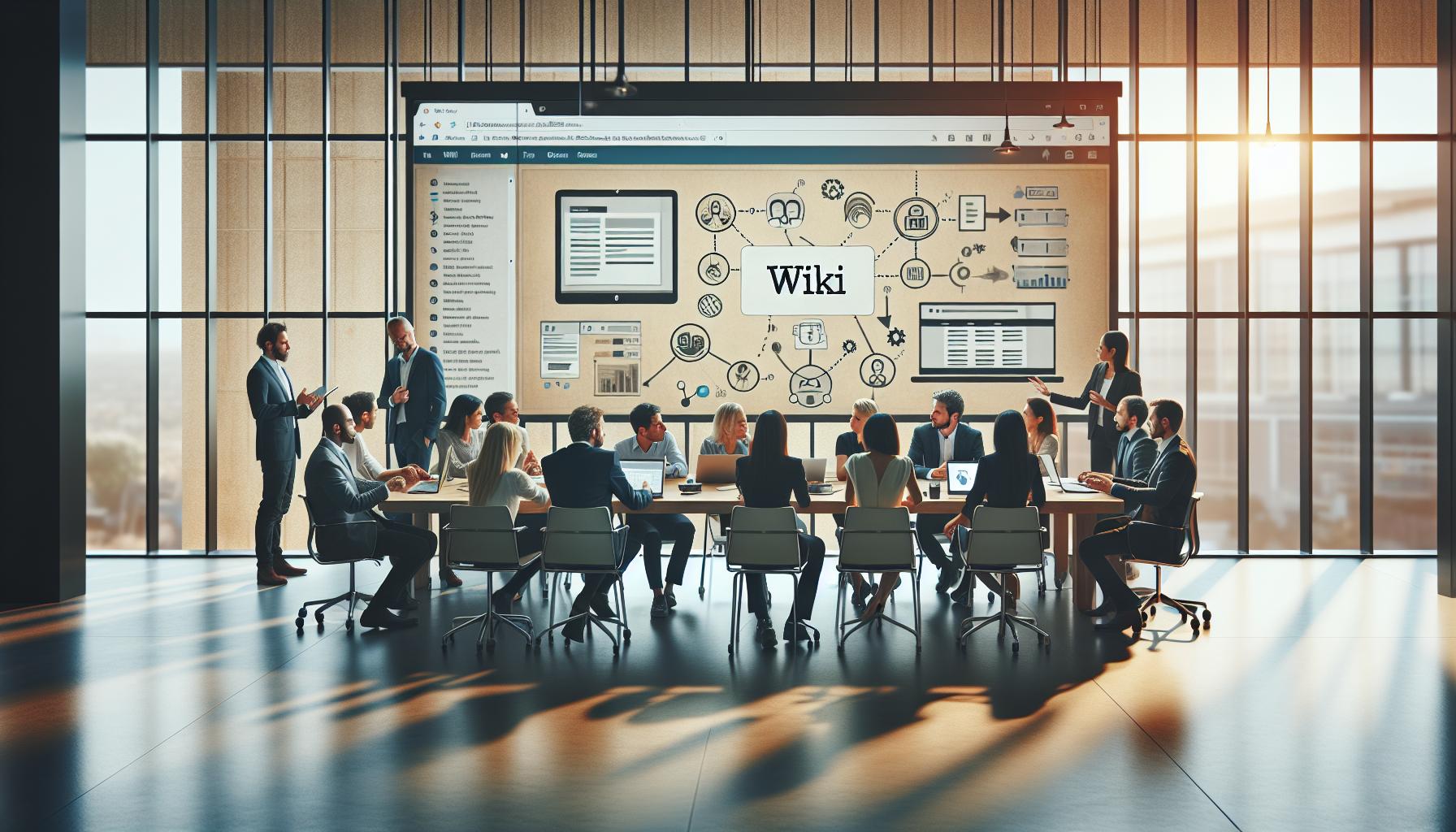
Benefits of Using a Wiki as a Collaborative Tool
In today’s fast-paced educational landscape, embracing innovation can significantly enhance how students learn and collaborate. Utilizing a wiki as a collaborative tool provides a rich environment for fostering creativity, critical thinking, and teamwork among students. The versatility of wikis allows them to serve various functions, from information sharing to project management, making them an essential resource in group assignments and class projects.
One of the most compelling benefits of using a wiki is the enhanced engagement it promotes. Students are encouraged to participate actively as they edit, comment, and contribute to shared content. This involvement not only deepens their understanding of the subject matter but also cultivates a sense of ownership and responsibility toward their contributions. For instance, in a humanities project, students can use a wiki to collaboratively draft essays, offer feedback on each other’s work, and integrate various sources of information, fostering a culture of peer learning.
Moreover, wikis cultivate essential collaboration skills that are critical in the modern workforce. As students work together on a wiki, they develop competencies in negotiation, conflict resolution, and leadership-skills that are integral to any professional setting. Collaborative editing allows students to refine their ideas through constructive criticism, enhancing both their academic performance and interpersonal relations. Additionally, the use of wikis can encourage students to explore different viewpoints and embrace diversity in thought-a fundamental aspect of effective collaboration.
Another significant advantage of wikis is their capacity to support flexible and inclusive learning environments. With the ability to access and edit wikis from various devices, students can collaborate asynchronously, fitting their contributions around other commitments such as part-time jobs or internships. This flexibility empowers students to balance their academic responsibilities with real-world work, enhancing their time management skills. Furthermore, wikis can be structured to accommodate different learning styles and paces, allowing for a more personalized educational experience.
Ultimately, integrating wikis into the educational experience not only enriches learning but also prepares students for the collaborative nature of today’s workplace. By leveraging this powerful collaborative tool, educators can help students develop a robust skill set that supports academic success and career readiness-creating a vibrant and inclusive academic community where every voice matters.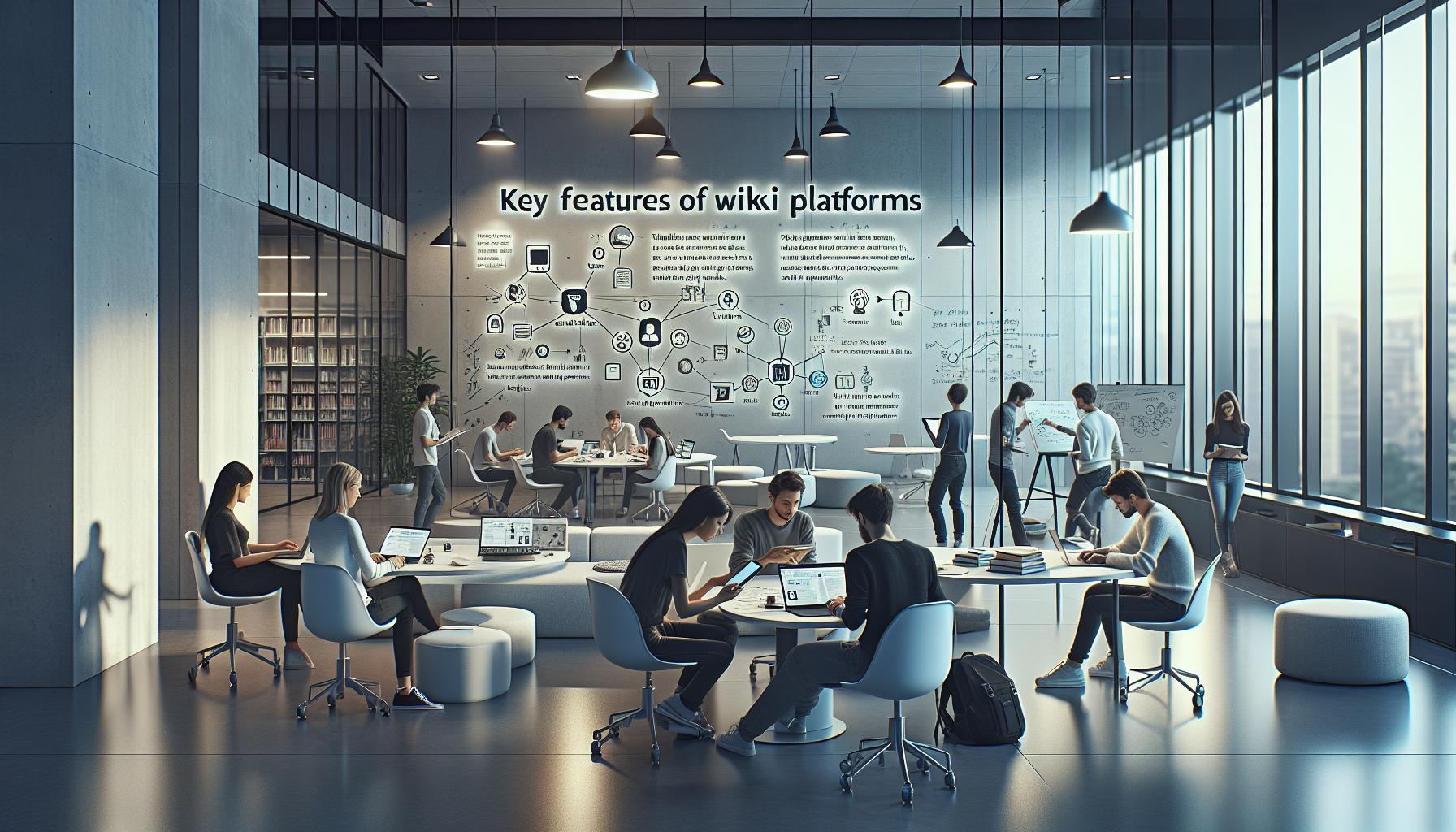
Key Features of Student Wiki Platforms
The modern student wiki platform offers a variety of versatile features designed to enhance collaborative learning and engagement among students. One of the key advantages is the user-friendly interface, which allows students to easily create, edit, and organize content. This intuitive design encourages participation from all group members, regardless of their technical skills. For instance, many platforms incorporate drag-and-drop functionality, making it simple to add images, documents, or multimedia elements to strengthen project presentations.
Another defining feature is the version control, which tracks changes made to the wiki over time. This not only allows students to view the evolution of their collaborative work but also enables them to revert to previous versions if necessary. Such a feature is particularly important in educational settings, as it teaches students about accountability and the importance of peer feedback. Moreover, enhanced communication tools, such as discussion forums and comment sections, foster real-time interactions among participants, facilitating deeper discussions and idea exchanges outside of class hours.
Wikis also support accessibility and flexibility. Many platforms are designed to be mobile-friendly, allowing students to collaborate from various devices, be it tablets, laptops, or smartphones. This capability is vital for students juggling part-time jobs, internships, and academics, enabling them to contribute to group projects anytime and anywhere. Additionally, wiki platforms often include customized privacy settings, allowing educators to control access levels, ensuring that only authorized users can edit or view the content, thus maintaining a secure learning environment.
Incorporating templated structures can further streamline the creation of content, providing students with a framework for organizing their research and ideas effectively. This can encourage a more uniform approach to projects, making collaboration smoother and more coherent. By capitalizing on these unique features, student wiki platforms empower learners to build insightful, cohesive content collaboratively-a skill that will undoubtedly benefit their future career paths in an increasingly interconnected job market.
How to Create Your First Student Wiki
Creating your first student wiki is an exciting opportunity that can transform your collaborative learning experience. Choosing a dedicated platform is the first essential step-look for ones that are user-friendly, feature-rich, and support the flexibility needed for teamwork. Popular options include Google Sites, Wikipedia, and Wikispaces, all of which allow students to easily create, edit, and manage content. With their intuitive interfaces and collaborative tools, these platforms help students balance their academic workloads with part-time jobs or internships while fostering a spirit of joint authorship.
Once you’ve settled on a platform, kickstart your wiki by defining its purpose and scope. Gather your group to brainstorm topics or projects you want to cover and develop a shared vision. It’s beneficial to create a structure for your wiki, such as organizing content into categories or sections. Utilize tools like templates to help streamline the design process-these can provide a cohesive look and feel to your wiki, making navigation for users easy and intuitive. As you set up the wiki, ensure that you emphasize the collaborative aspect: invite your peers to contribute ideas, add research, and edit the content. This involvement can not only improve the quality of the project but also deepen engagement among participants.
In the design phase, encourage creativity by incorporating multimedia elements, such as images, videos, and hyperlinks to reliable resources. These aspects can make the wiki visually appealing and enhance the learning experience. As you begin populating the content, be sure to think about version control-most wiki platforms automatically save changes, but it’s good practice to communicate with your teammates about edits made. This way, everyone stays informed and can provide feedback appropriately.
Finally, once your wiki is up and running, continue fostering collaboration. Schedule regular check-ins to discuss updates and revisions and to ensure that every team member feels valued in the process. Your wiki will not only serve as a project repository but as a powerful tool for building teamwork skills that will benefit your career, especially in fields demanding collaboration and effective communication. By approaching your first wiki with enthusiasm and an open mind, you’re setting the stage for a successful collaborative journey that can greatly enhance your learning and prepare you for the paths ahead.
Best Practices for Effective Collaboration in Wikis
Creating an engaging and productive wiki environment is essential for students aiming to collaborate effectively on academic projects. An effective collaboration hinges not just on the technology used but also on the strategies applied to foster teamwork. One of the cornerstone practices is establishing clear roles within the team. Assigning specific responsibilities-such as content creator, editor, and researcher-ensures that each member knows their contributions and can take ownership of their tasks. This structure not only streamlines the workflow but also encourages accountability among team members, enhancing collaboration’s overall productivity.
Communication is Key
Effective communication can be the glue that holds your team together. Set up regular meetings, whether in person or virtually, to discuss progress and address any challenges. Utilize tools like chat applications or discussion forums integrated within the wiki platform to facilitate ongoing conversations. This proactive approach makes it easier to resolve misunderstandings promptly and keeps the project on track. Additionally, encourage an open-door policy where all team members feel comfortable sharing ideas or feedback, fostering a supportive atmosphere that can spark creativity.
Utilizing Feedback for Improvement
Feedback is a powerful tool for growth and development. Create a culture where constructive criticism is welcomed, and make it a routine practice to review each other’s contributions. Use features of the wiki platform to comment on drafts or highlight areas needing improvement. This not only enhances the quality of the work produced but also builds critical thinking and analytical skills among students. Remember, the goal is to learn from each other-embracing feedback can transform a good project into an outstanding one.
Maintain Documentation and Version Control
Keeping track of changes and decisions made during your collaboration can significantly reduce confusion later. Most wiki platforms offer built-in version control features, which allow you to track edits over time. Make a habit of documenting discussions, changes in direction, or decisions made-this transparency can help new team members get up to speed and provide a clear historical record of your project’s evolution. In doing so, you not only improve the current project but also lay a foundation for future team endeavors.
By implementing these best practices, students can create an effective collaborative space that not only enhances their academic work but also builds essential skills applicable to future career opportunities. Emphasizing teamwork, communication, and documentation equips students with the tools they need to navigate both academic and professional challenges.
Enhancing Learning with a Wiki: Real-World Applications
Effective collaboration is a cornerstone of modern education, and one of the most dynamic ways to foster this is through the use of wikis. Students can leverage these platforms to engage in collaborative projects that mirror the collaborative nature of today’s workplaces. By allowing multiple users to contribute and edit content, wikis provide a fertile ground for group learning, where students can share knowledge and perspectives in real time. This not only enhances the understanding of the subject matter but also cultivates critical skills like communication, teamwork, and adaptability.
One compelling example of real-world applications of wikis in education is in the context of group projects. Students can create a shared wiki for their class assignments, where they can collectively brainstorm ideas, outline their projects, and compile resources. This process encourages accountability, as each participant can see their peers’ contributions and stay engaged. Additionally, wikis support diverse learning styles; visual learners can benefit from diagrams and charts, while readers can delve into texts and explanations provided by their team.
Cross-Disciplinary Learning Opportunities
Wikis also serve as a bridge to cross-disciplinary learning. For instance, students working on a science project can incorporate elements from history, mathematics, and even art, broadening their understanding of the topic. By documenting their findings in a wiki format, they create a comprehensive resource that serves not only their needs but also those of future learners. This collaborative archive can spark further inquiry and exploration, solidifying their knowledge and fostering a love for lifelong learning.
The wiki format also reflects real-world job dynamics where teamwork is essential. By engaging in these collaborative projects, students prepare themselves for future professional environments where projects often require input from diverse teams. They learn to negotiate ideas, manage timelines, and utilize constructive feedback-all crucial elements for advancement in any career. As they participate in various roles within the wiki, students not only enhance their academic profiles but also build a portfolio of skills that are attractive to potential employers.
In conclusion, the real-world applications of wikis extend far beyond mere academic tasks. They empower students to collaborate effectively, engage in cross-disciplinary activities, and prepare for their future careers. As they step into the professional world, the collaborative practices they develop through wikis will serve them well, fostering an ongoing commitment to teamwork and innovation.
Overcoming Common Challenges in Wiki Collaboration
Collaboration through wikis can be a transformative experience for students, yet it often comes with a set of common challenges that can hinder effective teamwork. One major issue is the potential for miscommunication among group members. When multiple users contribute to a single document, different writing styles and language can create discrepancies in tone and clarity. To mitigate this, students should establish clear guidelines for communication and document structure from the outset. Creating a collaborative style guide that outlines preferred terminologies, formatting, and citation styles can ensure a more cohesive project output.
Another significant challenge is the uneven distribution of workload, which can lead to frustration and disengagement among team members. This often occurs when some students take on more responsibility than others, resulting in an imbalance that affects morale and productivity. To combat this, it’s essential to assign roles based on each member’s strengths and availability. Using project management tools that allow for task assignments and deadlines can help keep everyone accountable and engaged. Regular check-ins can also provide opportunities to assess progress and redistribute tasks as needed, ensuring that workloads are shared fairly.
Technical difficulties can also pose threats to smooth wiki collaboration. Issues such as access problems, page editing conflicts, or even platform familiarity can create barriers. To address these, all members should engage in a brief training session to familiarize themselves with the wiki’s features and troubleshooting techniques. Furthermore, encouraging a culture of patience and support helps team members feel more comfortable seeking help when encountering challenges.
Lastly, wiki projects can sometimes lack direction, with members unsure of how to move forward or where to focus their efforts. Establishing a clear project timeline with milestones helps keep the group on track. Regularly revisiting objectives and assessing progress against these benchmarks will maintain momentum and ensure that everyone is aligned on their goals. By proactively addressing these challenges, students can enjoy a richer collaborative experience, enhance their learning outcomes, and better prepare themselves for future professional teamwork environments.
Integrating Wikis into Classroom Activities
Incorporating wikis into classroom activities can create vibrant interactive learning experiences that not only enhance academic engagement but also prepare students for collaboration in their future careers. Research shows that student-led projects can significantly improve information retention and foster critical thinking skills. By leveraging the unique attributes of wikis, educators can devise innovative assignments that encourage teamwork, communication, and problem-solving among students.
One effective method of integrating wikis is through collaborative research projects. Instructors can assign groups to investigate a particular topic, allowing each student to contribute their findings in real-time. This not only helps students learn from each other but also mimics real-world scenarios where professionals collaborate on projects irrespective of their physical locations. For instance, a history class might create a shared wiki to document historical events, with each student responsible for a specific event or time period, thus cultivating a sense of ownership and accountability.
Another exciting avenue is using wikis for peer review processes. Students can publish drafts of their essays or presentations on the wiki, enabling classmates to offer constructive feedback. This creates a collaborative editing environment that mirrors professional writing and editing practices, empowering students to develop their writing skills while also learning to give and receive feedback graciously. To facilitate this, teachers can establish guidelines for constructive criticism, ensuring that input is both respectful and beneficial.
Furthermore, wikis can serve as a repository for project management. Students can use the wiki to outline project goals, set timelines, and track progress. This approach teaches essential skills in project management and organization, which are invaluable in any career field. By regularly checking in on their project on the wiki, students learn to assess their progress and make necessary adjustments-a skill that is critical in any professional setting.
In conclusion, the use of wikis in the classroom not only enriches the learning experience but also equips students with the collaborative skills necessary for their future career paths. By fostering an environment that encourages exploration, communication, and peer interaction, educators can help students navigate both academic and professional challenges with confidence and ease.
Popular Wiki Tools for Students: A Comparison
Choosing the right wiki tool can significantly enhance the collaborative learning experience for students, providing them with an effective platform to work together on projects and assignments. Each tool comes with its unique features and benefits that cater to different learning styles and project needs. Here’s a comparative overview of some popular wiki tools that can empower students in their academic journey:
1. Google Sites
Google Sites is user-friendly and integrates seamlessly with other Google Workspace applications. It allows students to create websites without needing technical expertise. The platform offers customizable templates, drag-and-drop functionality, and real-time collaboration, making it easy for groups to work together. This tool is particularly effective for students who are already familiar with Google products, as they can incorporate Google Docs, Slides, and Sheets directly into their wiki.
2. Wikispaces (Now Closed)
Though Wikispaces was once a popular choice for educational wikis, it’s important to note that the platform has been closed since 2018. However, its model set a precedent in the educational space, emphasizing easy navigation and a structured layout. For those looking for similar alternatives, platforms like “Fandom” which allow students to create wikis on specific topics might be useful, especially for creating content-rich, interactive wikis.
3. PBworks
PBworks offers a simple and intuitive interface, making it suitable for groups of all sizes. It allows for easy document uploads, task assignments, and a robust commenting feature, fostering effective communication. Educators can create private workspaces, which facilitates a safe environment for students to collaborate. Its project-centric design is particularly beneficial for managing classroom assignments.
4. MediaWiki
The same software that powers Wikipedia, MediaWiki is ideal for more advanced users who enjoy a rich set of features and customization options. It supports a vast array of plugins and templates, allowing for intricate formatting and content organization. While it has a steeper learning curve, it provides extensive functionalities that can be appealing for tech-savvy students looking to take their projects to the next level.
5. Notion
Notion combines note-taking, project management, and wikis into one powerful tool. It offers flexibility with its ability to create databases, kanban boards, and calendars all within the same workspace. This makes it a great choice for students who appreciate an organized, all-in-one platform for managing both academic and personal projects. Collaboration features allow for easy sharing and group edits.
Comparative Summary
| Tool | Ease of Use | Collaboration Features | Customization | Ideal For |
|---|---|---|---|---|
| Google Sites | Easy | Real-time collaboration | Moderate | General projects |
| PBworks | Easy | Comments, task assignments | Moderate | Classroom assignments |
| MediaWiki | Advanced | Extensive plugin support | Very High | Tech-savvy users |
| Notion | Moderate | Group editing | High | Organized project management |
By exploring these platforms, students can find the right wiki tool that aligns with their collaborative needs and enhances their learning experience. The choice of a wiki tool not only affects productivity but also plays a role in preparing students for future career environments where collaboration and effective communication are essential. Each tool offers different functionalities, enabling students to choose one that fits their project goals and strengthens their skills for career advancement.
Case Studies: Successful Student Wiki Projects
One inspiring example of how wikis can empower student collaboration comes from a high school science class that utilized a wiki to document and share their research projects. This project involved groups of students exploring distinct environmental challenges within their community, such as pollution and biodiversity loss. By creating a dedicated wiki for their work, students were able to publish their findings, post updates, and receive feedback from peers and instructors in real time. This not only fostered a sense of ownership over their projects but also encouraged interdisciplinary learning as students incorporated aspects of biology, chemistry, and social studies all in one place.
A notable case in higher education is seen in a university history course where students were tasked with collaborating on a collective timeline of significant events leading up to a major political movement. Using a wiki platform, each student contributed research, images, and citations, creating a comprehensive visual representation of historical events. The collaborative aspect allowed for peer review, where students could comment on each other’s work and cross-reference sources, enhancing their research skills and fostering a more profound understanding of the subject matter. This wiki project was later showcased at a university symposium, drawing attention to the quality of the collaborative work and encouraging students to present their findings in a professional setting.
Such projects illustrate the incredible potential of using wikis as a dynamic educational tool. They not only provide a means for students to collaborate effectively but also mimic real-world workflows that they will encounter in their future careers. Here are some incredible benefits observed from these experiences:
- Enhanced Collaboration: Students learned the importance of teamwork and communication, essential skills in any workplace.
- Real-time Feedback: The ability to receive and provide feedback instantly improved the quality of work and built a culture of constructive criticism.
- Research Skills: Students engaged in thorough research practices, learning how to verify sources and curate content effectively.
- Digital Literacy: Working within a wiki environment enriched their digital skills, preparing them for today’s technology-driven job market.
Incorporating wiki projects into the curriculum exemplifies how educators can create meaningful and engaging learning experiences. By leveraging these online collaborative spaces, students not only enhance their problem-solving abilities and research skills but also prepare themselves for future employment opportunities where adaptability and communication are vital. As you consider your own collaborative projects, think about how a wiki could serve as your group’s online hub, making sure your voices are heard and your ideas shape the final outcomes.
Tips for Maintaining and Updating Your Wiki
Maintaining and updating your wiki is crucial for its success as a collaborative tool. A well-kept wiki not only enhances the quality of information but also engages users more effectively. To keep your wiki vibrant and relevant, consider implementing a regular schedule for updates, ensuring that all entries reflect the latest data and insights. Establishing a team agreement about who is responsible for various sections can help distribute the workload evenly, fostering a sense of accountability among contributors.
Another key to longevity is actively encouraging participation. Remind your peers to contribute by sharing updates, adding content, or improving existing entries. Set up periodic reminders or virtual meetings focused on the wiki; this can motivate team members and keep the collaboration dynamic. Additionally, consider using features such as notifications for changes made to the wiki, so collaborators stay informed and are more likely to engage with the material.
Utilize a clear structure and tagging system within your wiki to simplify the navigation and updating process. This structure allows users to find information quickly and contribute more effectively. Regularly review the organization of content and solicit feedback from collaborators about the usability of the wiki. Be open to adjusting categories and formats based on user experiences and needs, making it more user-friendly over time.
To enhance the effectiveness of collaboration, consider creating a “recent changes” page where contributors can see the latest updates at a glance. This fosters a sense of community and keeps everyone informed about contributions, allowing for timely discussions and revisions. Ultimately, a well-maintained wiki not only serves as a valuable resource but also prepares you for your future career by developing organizational and teamwork skills that are essential in the workforce. Remember, each update is an opportunity to showcase your collaborative efforts, reinforcing not just the content quality but also your commitment to continuous improvement.
The Future of Wiki Collaboration in Education
In today’s rapidly evolving educational landscape, wikis are emerging not just as a tool for collaboration but as a dynamic platform that uniquely prepares students for the future. As digital literacy becomes increasingly essential, engaging with a wiki cultivates important skills, such as critical thinking, effective communication, and teamwork, which are invaluable in the workplace. By allowing students to create, edit, and curate content collectively, wikis foster a sense of community while equipping learners with the experience needed to navigate a collaborative environment in their future careers.
Consider the diverse applications of wikis in various educational settings. For example, students can collaborate on research projects, build shared resources for study groups, or even create peer-reviewed academic articles. This hands-on experience is particularly beneficial in developing teamwork skills and learning how to utilize technology responsibly. By embracing the collaborative nature of wikis, educational institutions can create a more inclusive environment that not only supports academic growth but also encourages innovative thinking. Students learn to share responsibilities, negotiate differing opinions, and arrive at a consensus, much like they will need to do in their professional lives.
Moreover, the integration of wikis into classroom activities can pave the way for new forms of assessment. Instructors can evaluate not only the content produced but also the collaborative process itself, providing a rich perspective on student engagement and participation. This shift reflects a broader trend towards competency-based education, where the emphasis is placed on the skills students develop rather than merely the information they memorize. As students actively contribute to a growing knowledge base, they reinforce their learning and establish a sense of ownership over their education.
To fully harness the potential of wikis, it’s essential to encourage continuous innovation and adaptation within these platforms. Educational leaders should stay informed about emerging technologies and pedagogical strategies that can enhance collaborative learning. By providing ongoing training and support for students and educators alike, schools can ensure that wikis remain relevant and effective as learning tools. Ultimately, as wikis evolve, they will continue to serve as beacons of collaboration, driving both student success and professional readiness in an interconnected world.
Frequently Asked Questions
Q: What is a wiki and how does it benefit students?
A: A wiki is a collaborative online platform where students can create, edit, and share content together. It enhances learning by promoting teamwork, enabling quick access to shared resources, and fostering critical thinking through group discussions.
Q: How can students use wikis for collaborative projects?
A: Students can use wikis to organize project information, assign tasks, and document progress in real time. This platform allows for easy revisions and contributions from all team members, ensuring everyone stays on the same page.
Q: What features should students look for in a wiki platform?
A: Students should seek wiki platforms that offer user-friendly interfaces, multimedia support, access controls, and version history. Features like discussion tabs and notifications help facilitate effective collaboration among users.
Q: Why should students integrate wikis into their classroom activities?
A: Integrating wikis into classroom activities encourages active learning, enhances communication skills, and allows for collaborative problem-solving. They provide a centralized space for resources, making study materials easily accessible and modifiable for all students.
Q: What challenges might students face when using wikis for collaboration?
A: Common challenges include coordinating contributions among team members, potential conflicts in editing, and managing inconsistent participation. Establishing clear communication protocols and guidelines can help alleviate these issues.
Q: How can teachers support students in using wikis effectively?
A: Teachers can support students by providing training on wiki tools, establishing clear project objectives, and assigning roles within groups. Regular check-ins can also help monitor progress and address any challenges students may encounter.
Q: What are some popular wiki tools that students can use?
A: Some popular wiki tools for students include MediaWiki, Google Sites, and Twiki. Each platform offers different features, so students should choose one that best fits their project needs and technical comfort level.
Q: How can students maintain and update their wikis effectively?
A: To maintain and update wikis effectively, students should establish a regular schedule for content review, designate specific individuals for updates, and encourage continuous contributions from all team members to keep the information relevant and accurate.
Insights and Conclusions
As you’ve discovered, a wiki serves as a dynamic, collaborative workspace that empowers students to engage, organize, and share knowledge effectively. Don’t miss out on leveraging this powerful tool to enhance your learning experience! Start your own wiki today and connect with your peers – the possibilities are endless.
For more tips on optimizing your collaborative efforts, explore our sections on effective teamwork strategies and digital organization tools. Looking to delve deeper into practical applications? Check out our guides on enhancing your skills with part-time jobs or internships that align with your academic pursuits.
Take action now! Sign up for our newsletter to receive the latest insights and resources tailored for student success. Together, we can navigate the challenges of balancing work and study while unlocking new avenues for growth. Share your thoughts or questions in the comments below; your input enriches our community! Embrace this opportunity, and let’s achieve more together!