
In today’s fast-paced world, balancing education and work can feel overwhelming, yet it doesn’t have to be. Job Corps offers distance learning career options, catering to students seeking flexible pathways to education and job readiness. Whether you’re a busy parent, a working professional, or someone striving for independence, these online programs can empower you to gain skills and secure a brighter future. This article dives into the myriad of opportunities available through Job Corps’ online offerings, guiding you on how to seamlessly integrate your studies with work responsibilities. Discover how you can enhance your career prospects while managing your personal commitments effectively, and take the essential steps towards unlocking your potential. Keep reading to find out how Job Corps can transform your career journey!
Can I Enroll in Job Corps Online?
Enrolling in Job Corps online opens doors to a wealth of career training opportunities tailored for individuals aged 16 to 24. In a world where flexibility is increasingly essential, Job Corps has adapted to provide a virtual pathway for students to gain the skills needed for various career fields. The online format allows you to manage your education alongside work commitments or personal responsibilities, making it easier to pursue your goals without sacrificing income or stability.
To get started, potential students must visit the official Job Corps website, which offers a user-friendly interface to guide you through the enrollment process. You’ll need to provide personal information, demonstrate eligibility regarding age and income, and submit supporting documentation. It’s important to research the specific training programs available online, as not all centers may offer distance learning options. Be proactive by reaching out to Job Corps representatives, who can offer insights into which programs suit your interests and needs.
Moreover, pursuing educational opportunities through Job Corps online not only equips you with essential skills but also enhances your employability in a competitive job market. Online career training can help you build a resume that reflects current industry standards and trends. Many Job Corps programs incorporate real-world projects and virtual internships, allowing you to gain hands-on experience even in a virtual classroom. This approach not only fosters skill development but also helps build confidence, ensuring you’re well-prepared for the job landscape ahead.
Ultimately, the flexibility of online learning through Job Corps facilitates a balanced approach to career development, empowering you to create a brighter future while effectively managing personal and professional obligations. Embrace the opportunity, stay committed, and remember that every step you take is progress toward achieving your career aspirations.
Understanding Job Corps Distance Learning
In today’s fast-paced world, the opportunity to pursue education from the comfort of your home has never been more accessible. Job Corps’ distance learning programs cater specifically to the needs of young individuals seeking skill development while juggling work or personal commitments. These programs help bridge the gap between education and practical career skills, offering a flexible solution for those looking to enter the workforce confidently and prepared.
Distance learning through Job Corps is designed with students in mind, particularly for those aged 16 to 24. This online format provides a variety of career training programs tailored to different interests and career paths. Whether it’s developing technical skills in information technology or exploring opportunities in healthcare, students can find a program that aligns with their goals. Many courses emphasize hands-on training through virtual simulations and projects, ensuring that learners not only acquire knowledge but also practical skills that can be applied in real-world scenarios.
To maximize the benefits of Job Corps online learning, students should actively engage with resources and seek support whenever needed. Forming study groups with peers or connecting with instructors via discussion forums can enhance the learning experience. Additionally, balancing work and study is crucial; by establishing a consistent schedule, individuals can effectively manage their time, ensuring they meet both academic and job responsibilities.
Job Corps also provides essential career placement assistance, helping graduates transition smoothly into the workforce. By leveraging the skills gained from these programs, young adults can pursue part-time jobs, internships, or even freelance work to gain further experience while continuing their education. The combination of academic knowledge and practical experience significantly enhances employability, equipping students with a solid foundation for future career endeavors.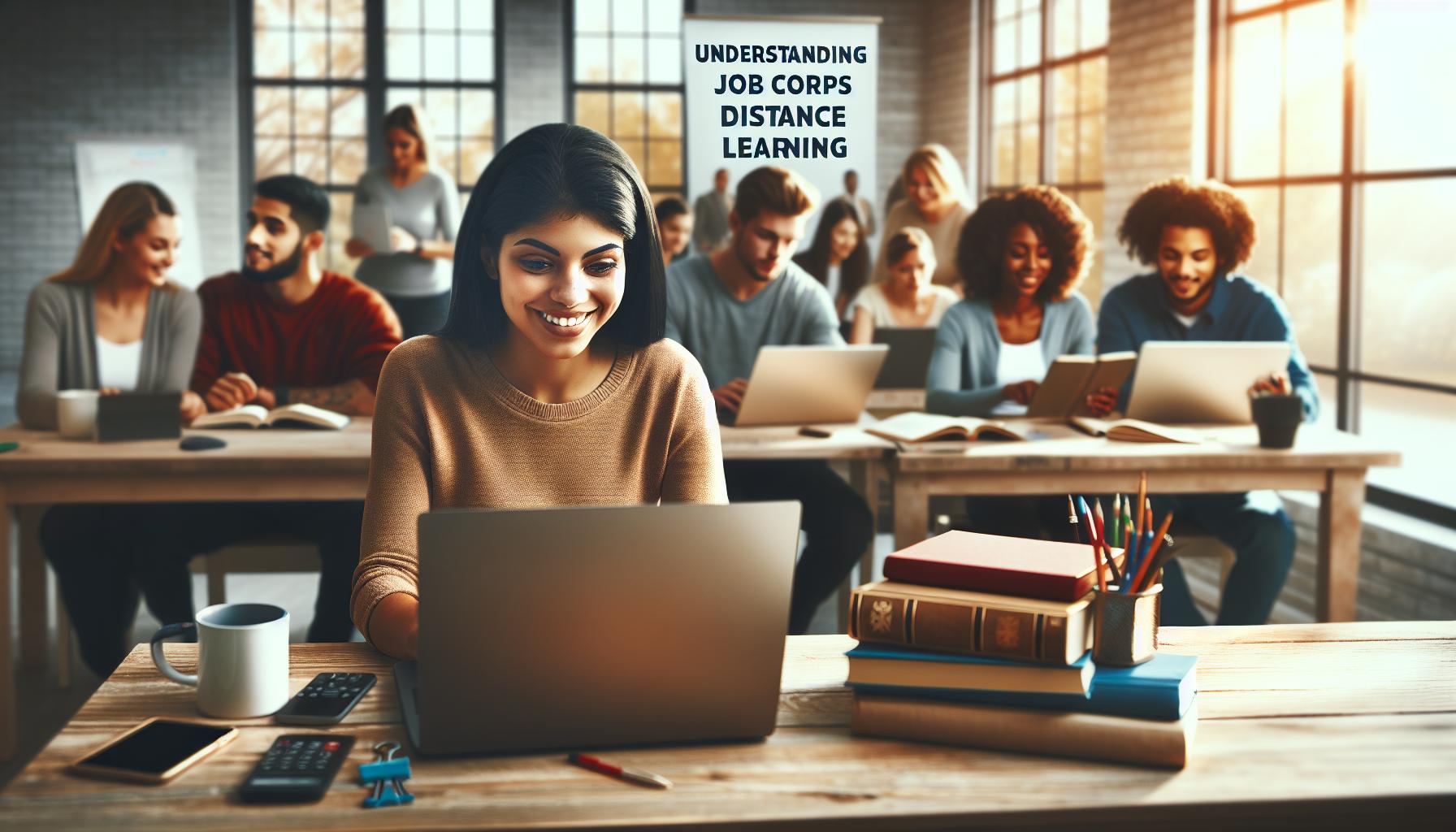
Career Options Available Through Job Corps
In a world where vocational opportunities are constantly evolving, the Job Corps program offers a platform for youth to jumpstart their careers with online learning options designed specifically for their needs. Job Corps provides a diverse range of career pathways that empower students to pursue fields of interest right from their homes. From information technology to healthcare, the program’s flexibility allows participants to align their education with their career aspirations, paving the way toward successful employment.
Career Fields Available
Students enrolled in Job Corps can choose from various training programs, each designed to provide the skills necessary to thrive in a competitive job market. Popular areas of focus include:
- Information Technology: Gain expertise in computer systems, coding, cybersecurity, and software development through hands-on virtual training.
- Healthcare: Explore careers as medical assistants, nursing aides, or dental hygienists, with training that emphasizes both practical skills and patient care.
- Construction and Skilled Trades: Learn essential skills in carpentry, plumbing, and electrical work, preparing you for various trades that are always in demand.
- Hospitality and Customer Service: Develop the interpersonal and management skills needed to excel in hotels, restaurants, and service industries.
- Business and Finance: Acquire knowledge in business management, marketing, and accounting, equipping you to enter the corporate world with confidence.
Through these options, students are not only able to gain theoretical knowledge but also participate in projects and simulations that mimic real-world scenarios. This practical experience is vital for building a strong resume and standing out to potential employers.
Step-by-Step Job Application Guidance
As students complete their training, they will require tools to navigate the job market successfully. Here are some practical steps to help secure employment:
- Crafting a Resume: Highlight your training, skills, and any volunteer work. Focus on achievements that demonstrate your capabilities. Utilize resources and templates offered through Job Corps to create an effective resume.
- Preparing for Interviews: Research common interview questions and practice your responses. Job Corps offers mock interviews to help you develop confidence and improve your communication skills.
- Networking: Engage with instructors, peers, and professionals in your desired field. Creating connections can lead to valuable job opportunities, internships, and mentorship.
- Utilizing Online Job Platforms: Register on job search websites and upload your resume to increase visibility.
- Finding Flexible Work: Look for part-time jobs or freelance opportunities that allow you to balance work and your training schedule effectively.
By leveraging the resources and training received through Job Corps, graduates will enter the workforce with a competitive edge, ready to seize opportunities and forge successful career paths.
Benefits of Online Job Corps Programs
Enrolling in online Job Corps programs offers numerous advantages that can significantly enhance students’ career trajectories and personal development. One of the most compelling benefits is the flexibility it provides, allowing students to engage in learning from the comfort of their homes while balancing work, family, or other commitments. This adaptability makes it easier for individuals to pursue their studies without the pressure of traditional classroom settings, making education more accessible and tailored to their unique circumstances.
Online Job Corps programs also deliver a comprehensive curriculum designed to match the evolving demands of the job market. With focused training modules in high-demand fields such as information technology, healthcare, and skilled trades, students can study relevant subjects that are not only enriching but also directly applicable in their desired career paths. This practical knowledge, combined with virtual simulations and project-based learning, equips them with real-world skills that enhance employability.
Moreover, the benefits extend beyond just the educational aspect. Job Corps programs often include dedicated career placement assistance, ensuring students have support in finding internships, part-time roles, or even full-time employment post-training. Students can craft tailored resumes, engage in mock interviews, and receive hints on networking strategies-all valuable tools that improve their chances in the competitive job market. By effectively combining their education with employment opportunities, participants can develop a well-rounded profile that appeals to potential employers.
Lastly, these programs foster a sense of community among students and instructors through various online platforms. This connectivity not only aids in academic success but also creates a supportive network of peers who can share experiences, challenges, and motivational advice. Such interactions can be invaluable, promoting both personal growth and confidence as students navigate their educational journeys. Embracing the online Job Corps experience positions students to thrive both academically and professionally, ultimately leading to successful career outcomes.
Navigating the Job Corps Application Process
The journey to enroll in online Job Corps programs is an empowering step that unlocks numerous pathways to career advancement. Initiating the application can initially seem daunting, but with a clear understanding of the process, you can confidently navigate each phase. Start by visiting the official Job Corps website where essential information regarding eligibility and program specifics is readily available. Knowing whether you meet the age, income, and residency requirements is crucial, as these factors shape your potential enrollment.
Once you’re familiar with the prerequisites, the next phase is to gather necessary documentation, including identification, proof of income, and any relevant educational records. This organized approach not only facilitates a smoother application process but also reflects your preparedness to potential advisors reviewing your application. After compiling your documents, take the time to fill out the online application form carefully, ensuring all information is accurate and complete. This attention to detail can significantly enhance your chances of getting accepted into the program.
Preparing for the Next Steps
Upon submitting your application, anticipate a follow-up, which may include an interview or a skills assessment. This component is designed not just to evaluate your background, but also to better understand your career interests and goals. Approach these interviews with confidence-practice responses to common questions and articulate your aspirations clearly. Remember, this is your chance to showcase not only your qualifications but also your commitment to personal and professional growth.
In addition to the application process itself, many students find it beneficial to explore potential job opportunities simultaneously. Balancing online education and a part-time job, internship, or freelance work can significantly enhance your experience. Consider creating a flexible schedule that allows you to dedicate time to both your studies and work commitments. Platforms like Snagajob or Glassdoor can help identify local employment opportunities that cater to your needs while studying. By strategically managing your time and responsibilities, you can forge a successful path that blends education with practical work experience, setting you up for a prosperous future.
Skills Development in Virtual Training Platforms
In today’s digitally-driven world, virtual training platforms play a critical role in empowering students to develop the skills necessary for a competitive job market. Engaging with online Job Corps programs offers a unique opportunity to learn while providing the flexibility needed to balance work and education. These platforms not only cater to various learning styles but also allow students to progress at their own pace, enhancing both comprehension and retention of crucial skills.
Across the wide spectrum of programs offered, students can expect to gain a robust set of competencies that are highly valued by employers. From technical skills in information technology to soft skills such as communication and teamwork, effective online training environments encourage interactive learning. Tools like discussion forums and collaborative projects mimic real-world workplace dynamics, ensuring that students can apply their knowledge in practical scenarios.
Strategies for Skill Enhancement
Adopting specific strategies can significantly enhance your learning experience in an online setting. Consider the following approach:
- Set Clear Goals: Clearly define what skills you wish to develop and track your progress.
- Engage Actively: Participate in discussions and utilize available resources to deepen your understanding.
- Seek Feedback: Regularly ask for input from instructors and peers to refine your skills.
- Apply What You Learn: Look for opportunities to practice your skills through internships or volunteer work.
In addition to skill development, blending virtual training with real-world experiences can solidify your learning. As you engage with your online coursework, don’t hesitate to seek part-time jobs or internships related to your field of study. Platforms like Snagajob or local job boards can help you find roles that align with your new skills, providing hands-on experience that reinforces your online education.
Equipped with these vital skills and practical experience, you’ll not only enhance your employability but also increase your confidence as you prepare to transition into the workforce. Balancing online education with career opportunities is not just a possibility; it’s a path to a fulfilling and financially stable future. By staying disciplined and proactive in your studies and job search, you’re setting the foundation for a successful and rewarding career ahead.
Real-World Success Stories from Online Graduates
Many graduates of online Job Corps programs have turned their newfound skills and knowledge into thriving careers, showing that distance learning can lead to significant real-world success. For instance, a former participant in a culinary arts program landed a job as a sous chef in a bustling restaurant shortly after completing her training. She credits her online education for providing flexible course schedules that allowed her to manage her studies alongside part-time work, reinforcing the practical application of her skills in a fast-paced environment.
Another success story comes from a recent graduate who pursued a career in information technology. Through Job Corps’ virtual classes, he developed essential competencies in software development and system management. After completing his coursework, he began a freelance career, working with small businesses to enhance their online presence and streamline their IT operations. His journey illustrates how online training can facilitate immediate income opportunities while building a robust freelance portfolio.
Education doesn’t have to end with completion; many online Job Corps graduates take advantage of job placement resources that help them transition smoothly into the workforce. A graduate of the business administration track reported successfully landing a position as an office manager at a local nonprofit organization, thanks to the networking opportunities and resume workshops offered through her Job Corps experience. The community and mentorship provided during her studies were crucial in preparing her for the interview process, demonstrating that the support available extends beyond academic knowledge.
To emulate these success stories, aspiring students should consider the following actionable steps:
- Explore Internship Opportunities: Seek internships in your desired field to gain practical experience and build your resume while attending classes.
- Utilize Career Services: Take full advantage of job placement assistance, resume writing workshops, and interview preparation resources available through your program.
- Network Actively: Connect with alumni and industry professionals through online forums to gain insights and potential job leads.
- Stay Flexible: Look for part-time or freelance work that can help you apply your skills in real-world situations while studying.
By following these paths and learning from the experiences of those who have successfully navigated online Job Corps programs, students can build confidence in their ability to balance work and education, transforming their aspirations into tangible career advancements.
Combining Work and Online Education Effectively
Balancing work and education can feel like a tightrope walk, but it’s entirely achievable with the right strategies. Many successful students have navigated this path by prioritizing their time and seeking flexible job opportunities that align with their career goals. For instance, part-time positions, internships, and freelance jobs not only offer financial support but also serve as valuable avenues for gaining real-world experience. These opportunities allow students to apply their learning in a practical context, enhancing their skills while still pursuing their education.
To effectively combine work and online education, it’s essential to establish a structured routine. Start by identifying your peak productivity times and scheduling study sessions during those intervals. This practice ensures that you’re making the most of your time. Utilize digital calendars or task management tools to keep track of both academic deadlines and work responsibilities. Prioritizing tasks can also be instrumental; focus on high-impact assignments first and break larger projects into manageable steps.
Networking plays a crucial role in balancing work and education. Engaging with peers, faculty, and professionals within your chosen field can open doors to job opportunities and internships that may not be widely advertised. Use online platforms like LinkedIn or industry-specific forums to connect with potential employers and fellow students. Attend virtual events and workshops offered through Job Corps or related organizations to further expand your network and learn about emerging job roles.
When it comes to applying for jobs, having a strong resume and preparation for interviews is vital. Tailor your resume to highlight relevant skills and experiences that demonstrate your capability to juggle work and study. Prepare for interviews by practicing common questions, focusing on how your educational background complements your professional skills. Demonstrating effective time management during these conversations can set you apart from other candidates.
By embracing flexibility and seizing the right opportunities, students can harmoniously blend work and education. Not only does this approach equip them with essential skills, but it also enhances their marketability upon graduation, ensuring they stand out in a competitive job landscape. Remember, every experience gained during this journey is a stepping stone toward your future career success.
Exploring Job Placement Assistance Resources
Navigating the job market can feel overwhelming, especially when balancing education and employment. Job Corps offers robust placement assistance resources designed to support students in their journey toward fulfilling career paths. These services provide targeted help in various areas, ensuring that individuals find viable job opportunities that match their skills and ambitions.
Comprehensive Job Search Support
Job Corps programs are equipped with dedicated career counselors who guide students through the job search process. They assist with identifying local job openings, preparing resumes, and mastering interview techniques. Students are encouraged to participate in workshops that cover various aspects of job hunting, from writing effective cover letters to networking strategies. Here are some resources provided:
- Workshops: Regularly scheduled sessions focus on essential skills like resume building, interview preparation, and workplace etiquette.
- Online Job Boards: Access to exclusive job listings tailored to the skills and interests of Job Corps graduates.
- One-on-One Counseling: Personalized support that addresses individual challenges and career aspirations.
Building Connections for Future Opportunities
Networking is a crucial component of the job search process, and Job Corps facilitates connections between students and local employers. The organization often hosts job fairs where students can meet potential employers directly. Additionally, students have access to a network of alumni who can provide insights, mentorship, and even job referrals. By making these connections, students not only expand their professional networks but also gain confidence entering the job market.
Flexible Work Opportunities
Job Corps helps students explore various work options, allowing them to balance employment and education effectively. Part-time positions, internships, and freelance jobs are encouraged, providing students with the flexibility to manage their schedules. This experience not only offers financial support but also reinforces the skills learned in their studies. Here are some strategies for leveraging these opportunities:
- Target Internships: Seek out internships that align with career goals, offering hands-on experience in a relevant field.
- Freelance Work: Consider freelance projects that can be completed on a flexible schedule while gaining valuable skills.
- Part-Time Employment: Look for part-time roles that can accommodate study time and provide insight into work environments.
Approaching job placement with the right tools and mindset will empower you to navigate the transition from education to employment successfully. With the resources available through Job Corps, you have a solid foundation to launch your career while continuing your education. Embrace these opportunities and remember that each step brings you closer to achieving your professional dreams.
Tips for Staying Motivated in Online Learning
Staying motivated in an online learning environment can be challenging, but there are effective strategies to keep your momentum. First and foremost, it’s essential to set clear, achievable goals for yourself. Start with short-term goals, such as completing specific assignments or mastering a particular skill each week. These milestones not only provide direction but also offer a sense of accomplishment when achieved. Break larger projects into smaller tasks and celebrate each completion to maintain enthusiasm.
Creating a dedicated learning space can significantly impact your productivity and motivation. Designate a quiet area at home specifically for studying, equipped with all the materials you need. This space should be free from distractions and conducive to focus. A well-organized workspace can signal your brain that it’s time to learn, enhancing your concentration and effectiveness.
Utilizing Resources and Building a Support System
Engage with the resources provided through Job Corps, including virtual workshops and networking opportunities. Connecting with fellow students can help foster a sense of community, making online learning feel less isolating. Participating in discussion forums or study groups not only enhances understanding but also keeps morale high. Sharing experiences and challenges with peers can provide encouragement and new perspectives, making the journey more enjoyable.
Don’t forget to incorporate breaks and self-care into your routine. Study sessions can be more productive when interspersed with short breaks to recharge. Techniques like the Pomodoro Technique, where you study for 25 minutes followed by a 5-minute break, can boost focus and stave off burnout. In addition, regular physical activity, healthy eating, and sufficient sleep play critical roles in maintaining energy levels and overall motivation.
In your pursuit of balancing work and academics, consider flexible employment options that complement your studies. Part-time jobs, internships, and freelance work offer opportunities to apply your skills while accommodating your study schedule. Use resources from Job Corps to find suitable job openings, and enhance your employability with strong resume writing and interview preparation. Staying engaged in both work and education can enrich your learning experience and motivate you to excel in both areas.
Addressing Common Concerns About Online Programs
Engaging in online career training can raise a number of valid concerns, particularly about the quality of education, job readiness, and the ability to secure employment after graduation. One common worry is whether online programs provide the same level of hands-on experience as traditional learning. While it’s true that physical practice is essential in certain fields, many online programs incorporate virtual simulations, interactive platforms, and industry-relevant projects that can replicate real-world scenarios effectively. This ensures that students still gain the practical skills necessary for their careers, albeit in a different format.
Another frequent concern revolves around the perceived lack of support in online environments. Students may fear feeling isolated without direct interaction with instructors or fellow students. However, robust support systems exist within many online training programs, including dedicated forums, chat support, and regular virtual meetings. Additionally, connecting with peers through study groups or project collaborations can create a sense of community, making the experience more enriching.
For those balancing work and education, managing time effectively can be daunting. Yet, developing a structured schedule can lead to significant success. Strategies such as time blocking for study periods, creating a prioritized task list, and utilizing productivity tools can transform how students engage with their coursework. By setting specific study windows and adhering to them, learners can effectively juggle work commitments and their educational aspirations.
Furthermore, students might ponder job placement after completing online programs. While online training can sometimes be viewed with skepticism by employers, many reputable programs actively partner with businesses and provide placement services. Engaging in internships or cooperative education opportunities during studies can further bolster employability by allowing students to gain on-the-job experience and build valuable networks. By taking proactive steps in job applications, such as tailoring resumes, practicing interview skills, and leveraging LinkedIn, students can significantly enhance their job prospects and career trajectory.
In conclusion, while concerns about online programs are understandable, being informed and proactive can help alleviate these worries. With the right strategies and support mechanisms in place, students can navigate their online education journey with confidence, ultimately leading to fulfilling career opportunities.
The Future of Online Career Training Programs
The increasing demand for flexible education options in today’s rapidly changing job market positions online career training programs as a cornerstone for future workforce development. With the rise of technological advancements and the shift toward remote work, students can now access a wide array of training programs designed to prepare them for in-demand careers from the comfort of their homes. This innovative approach not only accommodates various learning styles but also enables individuals to balance education with personal and professional responsibilities effectively.
A key component of the future of online career training is the emphasis on personalized learning experiences. Many programs incorporate adaptive learning technologies that cater to individual progress, strengths, and weaknesses. This customization ensures that students receive training that is relevant to their career goals, enhancing their skill sets and increasing employability. For instance, peer mentorship programs and virtual networking opportunities enable students to connect with industry professionals and gain insights into real-world applications of their training.
Moreover, the landscape of online job placement services is evolving. Many institutions are establishing partnerships with businesses to create pipelines for internships and job placements that align with students’ training. Offering resources like resume workshops, interview preparation sessions, and career fairs in a virtual format allows students to access critical support without the constraints of geographical location. Utilizing tools such as video interviews and online portfolio showcases can also dramatically bolster a student’s chances of securing their ideal positions.
As technology continues to revolutionize how we approach education and employment, students must be proactive in their career journeys. Setting clear goals, maintaining a dedicated study schedule, and utilizing available resources can maximize the benefits of online training programs. Employers increasingly value practical experience alongside formal education, so pursuing part-time jobs, internships, or freelance opportunities related to one’s field can provide invaluable insights and skills. Embracing these opportunities will not only equip students with the tools they need for immediate success but also instill ongoing confidence in navigating their evolving career landscapes.
Q&A
Q: Can I find full-time jobs through Job Corps online programs?
A: Yes, Job Corps offers online programs that include career training and job placement assistance, helping you secure full-time employment after completion. Explore their resources for career support in your desired field.
Q: What types of career training can I pursue through Job Corps online?
A: Job Corps online provides a variety of career training options, including healthcare, information technology, and vocational skills. You can choose a course that aligns with your interests and career goals.
Q: Are there any age restrictions for online Job Corps enrollment?
A: Yes, participants must be between 16 and 24 years old to enroll in Job Corps online programs. Check specific eligibility criteria on the Job Corps website for detailed information.
Q: How does distance learning in Job Corps work?
A: Distance learning in Job Corps combines virtual classes with multimedia resources to teach essential skills. Participants engage with instructors online and complete coursework at their own pace, allowing for flexibility while learning.
Q: What support is available for Job Corps online students?
A: Job Corps online students have access to academic counselors, virtual training platforms, and digital resources that provide academic and career support throughout their training journey.
Q: Can I receive financial aid for Job Corps online programs?
A: Job Corps programs are typically free for eligible participants, as they are federally funded. Additional financial support may be available through various grants or scholarships for further education.
Q: How do I stay motivated while pursuing distance learning through Job Corps?
A: To stay motivated, set clear goals, create a structured study schedule, and connect with fellow students or mentors. Engaging actively in your coursework and participating in forums can also enhance your learning experience.
Q: What is the application process for Job Corps online programs?
A: The application process for Job Corps online involves submitting an application, meeting eligibility requirements, and participating in an orientation. Visit the Job Corps website for detailed instructions and resources.
Closing Remarks
In conclusion, pursuing career options through Job Corps online can open pathways to a brighter future. With flexible learning tailored to your schedule, you can gain the skills needed to enhance your professional prospects without putting your life on hold. Don’t let uncertainty hold you back; take control of your career journey today! Explore our resources on effective job applications and interview preparation to equip yourself for success.
For more insights, check out our guides on part-time job opportunities and internships that fit around your studies, or discover strategies to maintain a healthy work-life balance. Remember, the first step towards achieving your goals starts now-so why wait? Dive deeper into our site for actionable advice and tips that keep you moving forward. Your future awaits; let’s make it happen together!