
Did you know that tapeworms can take hold in your cat’s intestines from seemingly harmless sources like contaminated food or even fleas? This unwelcome invasion can lead to a variety of health issues for your feline friend, causing many pet owners to seek effective treatment solutions. Understanding how long tapeworm medicine takes to work is crucial-not just for resolving your cat’s discomfort but for ensuring their overall health. In this guide, we’ll explore the timeline of treatment efficacy, key signs of improvement, and what you can do as a caring pet owner to support your cat’s recovery. Join us as we delve into the specifics you need to know, so you can act swiftly and effectively for your furry companion’s well-being.
How Tapeworms Affect Your Cat’s Health
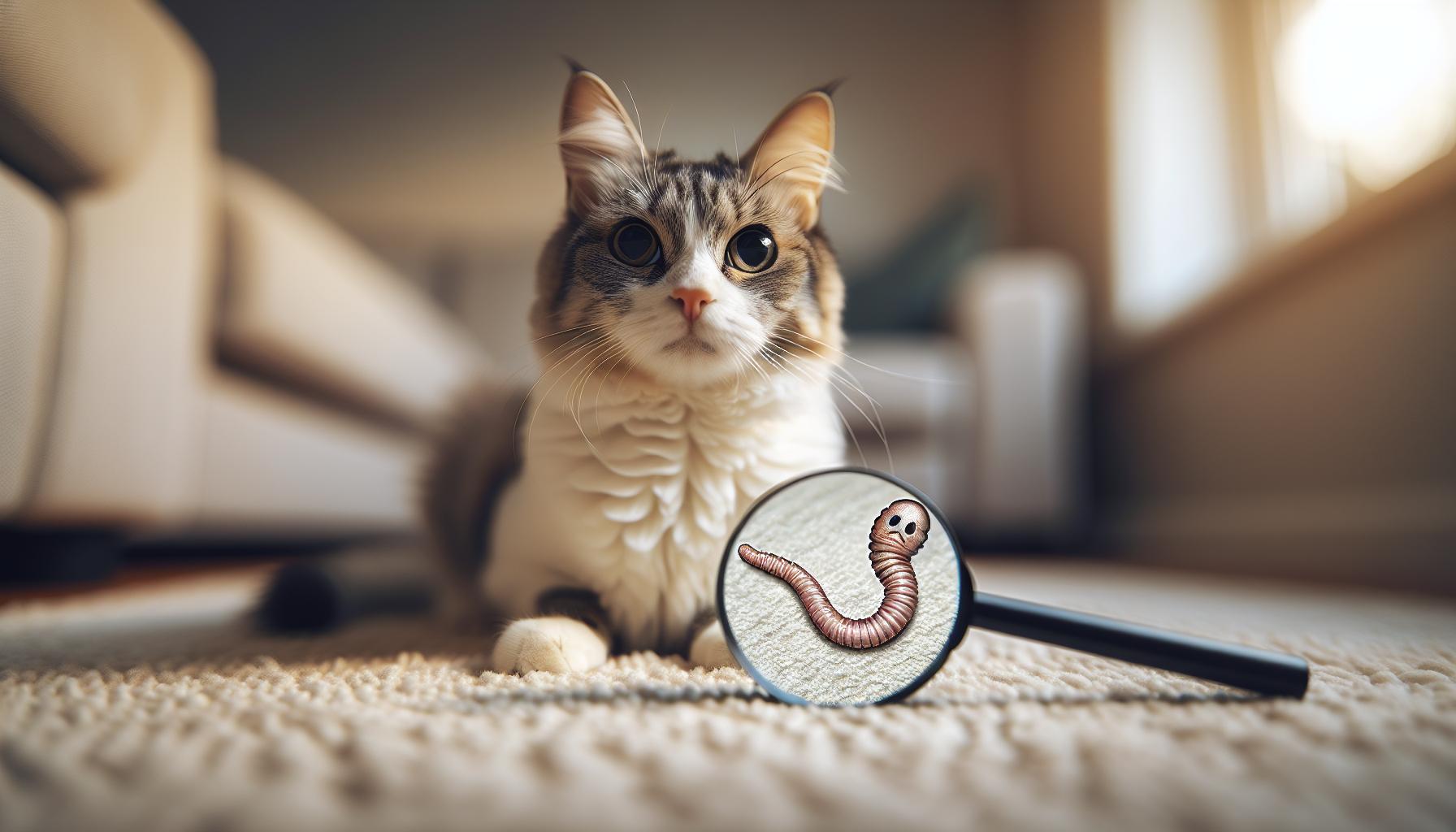
Parasites can pose serious health risks to your feline friend, and tapeworms are among the most common intestinal parasites affecting cats. These flat, segmented worms can cause various health issues, from mild discomfort to more severe complications. Understanding the impact of tapeworm infections on your cat’s health is essential for early recognition and effective treatment.
Tapeworms primarily affect your cat’s digestive system. They latch onto the intestinal walls, where they absorb nutrients meant for your cat, potentially leading to nutrient deficiencies. This nutrient loss can result in weight loss, despite an adequate or even increased appetite. Additionally, cats may show signs of gastrointestinal upset, such as vomiting or diarrhea. While these symptoms might not always seem severe, they can lead to more serious health consequences if left untreated.
Moreover, the presence of tapeworms can significantly compromise your cat’s overall well-being. The infection can lead to increased irritability, lethargy, and changes in behavior, as your cat may feel uncomfortable or unwell. Furthermore, if a tapeworm infection is severe, it may lead to intestinal blockages, which are medical emergencies requiring immediate veterinary attention. Therefore, timely diagnosis and treatment of tapeworms are crucial to restoring your cat’s health and preventing long-term complications.
With effective treatment and preventative measures, you can help ensure that your cat remains healthy and parasite-free. Regular check-ups with your veterinarian will also aid in catching any parasitic infections early, allowing for swift and effective intervention.
Signs Your Cat May Have Tapeworms

Recognizing the signs of tapeworm infection in your cat is crucial for prompt treatment. Often, tapeworms go unnoticed until symptoms become pronounced. One of the most telling signs is the visible presence of tapeworm segments, which look like small, white grains of rice or sesame seeds, around your cat’s anus or in their feces. If you notice these segments, it’s essential to take action quickly, as they suggest an active infection.
In addition to visual indicators, behavior changes can also signal a tapeworm problem. Cats may exhibit increased irritability or discomfort, leading them to groom excessively in an attempt to relieve itching caused by the segments. Look for signs such as:
- Increased appetite with weight loss: Despite being hungry, many cats infected with tapeworms may lose weight due to the worms absorbing nutrients.
- Diarrhea or vomiting: Unexplained gastrointestinal upset can be a sign of intestinal parasites.
- Changes in activity level: A normally playful cat may become lethargic.
Being attentive to your cat’s behavior and physical condition can empower you to act swiftly. If any of these signs are present, consulting your veterinarian is essential. They can confirm a diagnosis through a fecal examination and prescribe appropriate treatment. Early intervention can prevent more severe health complications and help restore your cat’s vitality and comfort.
Understanding How Tapeworm Medicine Works
When it comes to treating tapeworms in cats, is essential for pet owners seeking to ensure their feline friends’ health. Anthelminthic medications, commonly prescribed for tapeworm infections, function by targeting and disrupting the parasites’ physiological processes. The most frequently used medication, praziquantel (often marketed as Biltricide), works effectively against most types of tapeworms found in cats, including the common Dipylidium caninum and Echinococcus species.
These medications act by affecting the tapeworm’s ability to absorb nutrients, leading to paralysis and eventual death of the parasite. Once administered, the medication typically takes just a few hours to start working, with many owners observing the elimination of tapeworm segments in their cat’s feces within 24 hours. However, the exact duration for the medication’s effect can depend on various factors such as the severity of the infestation, the specific type of tapeworm, and the overall health of the cat.
It’s important to follow your veterinarian’s instructions carefully regarding dosing to maximize the effectiveness of the treatment. In some cases, a second dose may be required after a few weeks to ensure complete eradication of the worms, especially if any eggs remain. Regular follow-ups and fecal tests might be necessary after treatment to confirm that the infection has been completely eliminated and to thwart any future infestations.
In summary, understanding how tapeworm medications work can help cat owners feel empowered in their care decisions. While most treatments are quick and effective, the ongoing management of your cat’s health, including regular vet check-ups and monitoring for signs of infestation, is crucial to prevent a recurrence of these undesired parasites.
Timeline: How Long Does Treatment Take?

Upon administering tapeworm treatment to your cat, the timeline for seeing results can be quite reassuring. Many pet owners report noticing positive changes as quickly as within 24 hours. The most commonly used medication, praziquantel, begins working rapidly by paralyzing the tapeworms, which allows your cat’s body to expel them naturally through the feces. This swift action is a relief for many pet owners who are anxious to restore their cat’s health.
However, it’s important to remember that while initial improvements may be visible quite soon, the complete treatment experience can vary based on a few factors:
- Severity of Infestation: A minor infestation may resolve much faster than a severe one, which could necessitate additional doses or follow-up treatments.
- Type of Tapeworm: Different species of tapeworms may react differently to the same treatment. Some might require specific medications or more extended treatment durations.
- Overall Health of the Cat: Cats with existing health conditions might take longer to recover as their bodies work harder to fight off the infection.
While many cats may appear symptom-free soon after treatment, it’s crucial to schedule a follow-up appointment with your veterinarian. This allows for necessary fecal tests to confirm that all tapeworms and their eggs have been successfully eliminated. In some cases, a second treatment may be recommended to ensure complete eradication, especially if any eggs remain.
Overall, patience and vigilance during this timeframe are vital to ensure a hassle-free recovery for your feline friend.
Factors That Influence Treatment Duration
The duration of treatment for tapeworm infestations in cats can be influenced by several significant factors, making it essential for pet owners to understand what to expect during the process. A cat’s response to treatment may vary based not only on the severity of the infection but also on individual characteristics that affect recovery speed. By recognizing these factors, owners can better manage their cat’s care and ensure a smoother healing process.
- Severity of Infestation: The extent of the tapeworm infestation is often a critical determinant of treatment duration. A cat with a light infestation might show improvement within a few days, while one with a heavy load may require additional veterinary interventions and could take longer to clear.
- Type of Tapeworm: Different species of tapeworms can affect treatment outcomes. For instance, some species might be more resistant to standard medications. If a cat is infected with a specific type that requires specialized treatment, the duration of care may extend beyond the norm.
- Overall Health of the Cat: A cat’s general health plays a crucial role in recovery time. Cats with pre-existing conditions or compromised immune systems may take longer to bounce back, as their bodies face additional challenges in fighting off the infection.
- Response to Medication: The effectiveness of the chosen medication can also vary. While praziquantel is commonly used and generally effective, the individual response to the drug can differ. Monitoring and possibly adjusting the treatment may be required, further influencing the recovery timeline.
Understanding these variables helps pet owners maintain realistic expectations regarding treatment duration. Patience is key, as it not only aids in managing immediate concerns but also supports the long-term health of the cat. Regular veterinary follow-ups are essential to monitor progress, ensuring no further interventions are needed and that the overall health of the pet is being prioritized.
What to Expect After Administering Medicine

After your cat has received tapeworm medication, it’s essential to know what to expect during the recovery process to ensure your feline friend feels better and regains their health. You might notice changes in your cat’s behavior and symptoms, which are important indicators of how well the medication is working. Typically, as the medication begins to take effect, you may see the expulsion of tapeworm segments in your cat’s feces. This can happen within a few hours to a couple of days after treatment, indicating the parasites are being eliminated from their system.
Monitoring your cat’s behavior is crucial. After treatment, it’s common for some cats to show a bit of lethargy or decreased appetite shortly after administering the medication as their bodies adjust. However, if these symptoms persist or worsen, this might indicate a reaction to the medication or other underlying health issues that require a veterinarian’s attention. Ensure you provide a calm environment and plenty of fresh water to keep your cat hydrated during their recovery.
It’s also advisable to keep a close eye on your cat’s litter box. Regular inspection will help you track any tapeworm segments and monitor your cat’s bowel movements for signs of improvement or potential complications. A healthy recovery should eventually lead to normalized stool consistency and quality.
Moreover, while the treatment is often effective, follow-up care is vital. Schedule a veterinary check-up to confirm that the infestation has been effectively addressed, and to discuss any further preventive measures. By understanding these indicators and maintaining open communication with your vet, you can better support your cat’s recovery and ensure their continued health moving forward.
Follow-Up Care for Your Cat’s Recovery
It’s important to understand that recovery from a tapeworm infection in cats is not just about removing the parasites but also ensuring your cat regains their overall health and well-being. After administering tapeworm medication, your cat may experience some physical and behavioral changes, making follow-up care essential for a smooth recovery. Regular monitoring and ongoing support can help your feline friend bounce back more quickly.
To begin with, stay vigilant in observing your cat’s litter box habits. Look out for any segments of the tapeworm that may appear in the feces, as their expulsion can indicate that the medication is working. In the days following treatment, you should also monitor for any significant changes in appetite or energy levels. While some lethargy is normal as your cat adjusts to the medication, prolonged lethargy or a lack of interest in food can signal the need for veterinary attention. To promote recovery, provide a calm environment, ensure your cat stays hydrated, and offer easily digestible food.
Veterinary Check-Up
A follow-up visit to the veterinarian is crucial after treatment. It allows the vet to confirm that the infestation has been successfully addressed and provides an opportunity to discuss preventive measures to ensure your cat remains tapeworm-free. Depending on your cat’s initial health condition and response to treatment, your vet may recommend additional testing or follow-up treatments.
Monitoring Health After Treatment
Keep a diary of your cat’s progress following treatment. Record any fluctuations in weight, appetite, and energy levels, as well as any returning signs of tapeworms. This documentation can be invaluable for your veterinarian if follow-up care becomes necessary.
Taking these proactive steps during your cat’s recovery will not only support their physical health but also strengthen the bond you share. With attentive care and timely veterinary follow-ups, you can help ensure that your cat leads a healthy, parasite-free life.
Preventing Future Tapeworm Infections
To prevent future tapeworm infections in your cat, a combination of proactive measures and regular care is essential. Educating yourself about how tapeworms are transmitted is a crucial first step. These parasites often spread through ingestion of infected fleas, rodents, or contaminated food. By understanding the lifecycle and behavior of tapeworms, you can better safeguard your cat’s health.
One effective strategy for prevention is maintaining strict flea control. Fleas are a primary vector for tapeworms, so implementing a robust flea prevention regimen can significantly reduce your cat’s risk. Consider using veterinarian-recommended flea treatments year-round, as seasonal fluctuations can allow fleas to thrive, creating opportunities for tapeworm transmission. Regular grooming and bathing can help in identifying and removing fleas before they establish a population.
Another important aspect of maintaining your cat’s health is to monitor their environment. Keep an eye on where your cat roams, especially if they go outdoors. Limiting access to areas where they might encounter rodents can help decrease the chances of tapeworm transmission. In addition, ensure that your cat’s diet consists of high-quality, commercially prepared food that minimizes the risk of contamination. It’s also wise to avoid feeding raw meat, as it may harbor tapeworm eggs or segments.
Lastly, regular veterinary check-ups cannot be overlooked. During these visits, your veterinarian can perform stool checks and recommend appropriate preventive medications tailored to your cat’s lifestyle and health needs. Keeping an open line of communication with your vet can help you stay informed about the best practices for preventing tapeworm infections. Remember, a diligent prevention plan not only protects your cat but also helps ensure the well-being of your entire household.
Choosing the Right Tapeworm Treatment
Choosing the right treatment for tapeworms in your cat is crucial for ensuring their recovery and preventing future infections. With various options available, ranging from prescription medications to over-the-counter treatments, it’s important to understand what will work best for your feline companion. Veterinary guidance can play a significant role in making this decision, as different types of tapeworms may require different medications.
Most commonly, tapeworm treatments are administered in the form of a tablet or liquid, which your cat will take orally. Medications like praziquantel are often prescribed due to their effectiveness against most types of tapeworms. This medication works by causing the tapeworms to detach from the intestinal wall, after which they will be passed out of your cat’s system. The speed at which these medications work can vary, but many see improvements in their cat’s health within a few days of treatment.
When considering a treatment plan, it’s also essential to take into account your cat’s overall health, age, and any existing medical conditions. Never administer medication without consulting a veterinarian, as improper treatments can lead to complications or ineffective results. Moreover, some households may benefit from certain preventative treatments that not only address current infections but also help avert future ones.
In addition to medication, addressing the underlying causes of tapeworm infections, such as flea infestations, is vital. After your cat has been treated, keeping their environment clean and addressing flea control will play a significant role in maintaining their health. Regular check-ups with your veterinarian will help ensure that any re-emergence of tapeworms can be caught and treated early, safeguarding your cat’s well-being for the long haul.
Home Remedies vs. Veterinary Solutions
Understanding the best approach to treating tapeworms in cats can be a pivotal moment for pet owners concerned about their feline companions’ health. While it may be tempting to explore home remedies, the effectiveness and safety of veterinary solutions typically outweigh those alternatives. Veterinary treatments are specifically formulated and dosed to target the different types of tapeworms that may affect your pet, making them the most reliable option.
Home remedies often lack scientific backing and can vary widely in effectiveness. Some common suggestions, like adding garlic or pumpkin seeds to the diet, are popular anecdotal methods but may not actually eliminate the parasite. Furthermore, administering the wrong remedy can lead to unintended side effects or complications, especially if the cat has pre-existing health issues. In contrast, veterinary solutions, such as praziquantel, are prescriptions backed by research and years of veterinary practice, ensuring they effectively eliminate tapeworms while minimizing risks.
It’s essential to recognize that while home remedies might seem convenient or cost-effective, they often do not address the underlying causes of tapeworm infections, such as flea infestations or unsanitary living conditions. Only a veterinarian can guide the most appropriate treatment plan that includes potential follow-up measures and preventive care to reduce the risk of reinfection. Regular veterinary visits are crucial because they provide professional assessments that cannot be replicated through self-treatment methods.
In conclusion, while home remedies may surface as tempting options, seeking veterinary care remains the gold standard for effectively treating tapeworms in cats. Prioritizing professional help not only ensures the safety and health of your pet but also provides peace of mind as you navigate the path to recovery. Make sure to consult your veterinarian to discuss the best treatment option tailored to your cat’s needs, and remember that ongoing preventive care is key to keeping these parasites at bay.
The Importance of Regular Vet Check-Ups
Regular veterinary check-ups are not just necessary routines; they play a pivotal role in maintaining your cat’s overall health and wellbeing. The simple act of bringing your cat to the vet can reveal hidden health issues, including parasitic infections like tapeworms, which often go unnoticed until they become more serious. In fact, many cats can carry tapeworms without displaying overt symptoms, making it critical to have routine examinations that include fecal tests and discussions about any changes in behavior or health.
Veterinarians can also provide essential preventive care during these visits, such as vaccinations and advice on pest control, which are crucial in stopping tapeworm infestations before they can even occur. Fleas and intestinal parasites often go hand in hand, so preventing fleas can significantly reduce the risk of tapeworms. A healthy diet and proper nutrition recommendations can also be tailored specifically for your cat’s needs during these assessments, enhancing their immune system and resilience against infections.
Understanding your responsibilities as a pet owner includes recognizing that regular vet visits can lead to early detection of health issues, potentially saving your cat from suffering and avoiding costly treatments down the road. They offer a chance to discuss any concerns, monitor your cat’s growth, and ensure they remain healthy. This proactive approach is fundamental in ensuring not just the treatment of any existing conditions like tapeworms but also safeguarding against future health issues.
To make the most of these check-ups, prepare a list of questions or observations about your cat’s behavior or appetite and consider scheduling appointments at regular intervals as recommended by your veterinarian. Generally, healthy adult cats should have wellness visits at least once a year, while kittens and senior cats may require more frequent visits. By committing to regular check-ups, you are investing in your cat’s health and longevity, helping them lead a happy, parasite-free life.
When to Consult Your Veterinarian Immediately
When dealing with potential tapeworm infections in your cat, being vigilant about changes in behavior and health is crucial. Tapeworms can often go unnoticed until symptoms become severe. Thus, it’s essential to know the warning signs that necessitate an immediate veterinary consultation. If your cat shows any of the following symptoms, do not hesitate to reach out to your veterinarian:
- Notable weight loss: If your cat appears to be losing weight despite a normal appetite, this could indicate that the tapeworms are stealing vital nutrients needed for proper health.
- Visible segments in stool: One of the most overt signs of a tapeworm infestation is the presence of tapeworm segments (proglottids) in the litter box or around your cat’s rear end, resembling rice grains.
- Persistent itching: Excessive scratching or grooming, particularly around the anal area, may suggest irritation caused by tapeworms.
- Changes in appetite: A sudden increase or decrease in appetite can indicate a gastrointestinal problem, including the presence of tapeworms.
- Vomiting: Frequent vomiting, sometimes containing worms, should prompt immediate veterinary attention.
- Uneven coat quality: A neglectful or poor coat condition can signal a nutritional deficiency due to a tapeworm infection.
Understanding these signs will help you act quickly in seeking professional help. Timely intervention can prevent further health complications, ensuring your feline friend can receive the treatment they need. Additionally, keep in mind that tapeworms can sometimes cause secondary health issues, such as anemia or intestinal blockages, which further underline the importance of monitoring your cat’s health closely and consulting with your veterinarian when needed.
Faq
Q: How quickly does tapeworm medicine start working in cats?
A: Tapeworm medicine typically begins to work within 24 hours after administration. You may start to notice a reduction in symptoms and the expulsion of the tapeworm segments shortly after treatment. For specific details, refer to the “Timeline: How Long Does Treatment Take?” section of the article.
Q: What signs indicate that the tapeworm medicine is working?
A: If your cat’s tapeworm medicine is effective, you should see a decrease in gastrointestinal symptoms, such as vomiting or diarrhea, and the presence of tapeworm segments in their feces. You can learn more in the “What to Expect After Administering Medicine” section.
Q: Can cats have side effects from tapeworm treatment?
A: Yes, some cats may experience mild side effects such as nausea, diarrhea, or lethargy after taking tapeworm medicine. Monitor your cat and consult your veterinarian if side effects persist. More information can be found in “Follow-Up Care for Your Cat’s Recovery.”
Q: How often should tapeworm medicine be given to cats?
A: Generally, tapeworm medicine is administered as a one-time dose; however, follow your veterinarian’s instructions. Depending on the severity of the infection, follow-up treatment may be required. For details, check the “Choosing the Right Tapeworm Treatment” section.
Q: Is it safe to use over-the-counter tapeworm medicine for cats?
A: Over-the-counter tapeworm medicines may not be as effective or safe compared to veterinarian-prescribed treatments. Always consult your veterinarian for the best treatment options. Refer to the “Home Remedies vs. Veterinary Solutions” section for more insights.
Q: How can I prevent my cat from getting tapeworms again?
A: Preventing tapeworm infections involves regular deworming, maintaining good hygiene, and keeping your cat away from potentially infected prey. For comprehensive prevention strategies, check the “Preventing Future Tapeworm Infections” section of the article.
Q: When should I take my cat to the vet for tapeworms?
A: You should consult your veterinarian if your cat is showing signs of severe illness, persistent vomiting, or if the tapeworm segments do not clear up after medication. For more specifics, refer to “When to Consult Your Veterinarian Immediately.”
Q: What is the most effective medicine for treating tapeworms in cats?
A: The most effective treatment for tapeworms in cats includes veterinarian-prescribed medications like praziquantel or fenbendazole. Always follow your vet’s recommendations for the best outcomes, as detailed in “Choosing the Right Tapeworm Treatment.”
To Wrap It Up
In conclusion, understanding how long tapeworm medicine takes to work in cats is crucial for ensuring your furry friend’s health and well-being. With most treatments showing results within a few days, timely action is key to preventing complications. If you have concerns about your cat’s health or the effectiveness of the treatment, don’t hesitate to consult your veterinarian for personalized advice.
For further information, be sure to check out our articles on recognizing tapeworm symptoms and effective preventative measures to keep your pet healthy. If you’re interested in deeper insights on pet health, consider signing up for our newsletter for the latest tips and expert advice. Your cat’s health is in your hands-act now to ensure they thrive! Let us know your thoughts or questions in the comments below, and explore our site for more valuable resources.