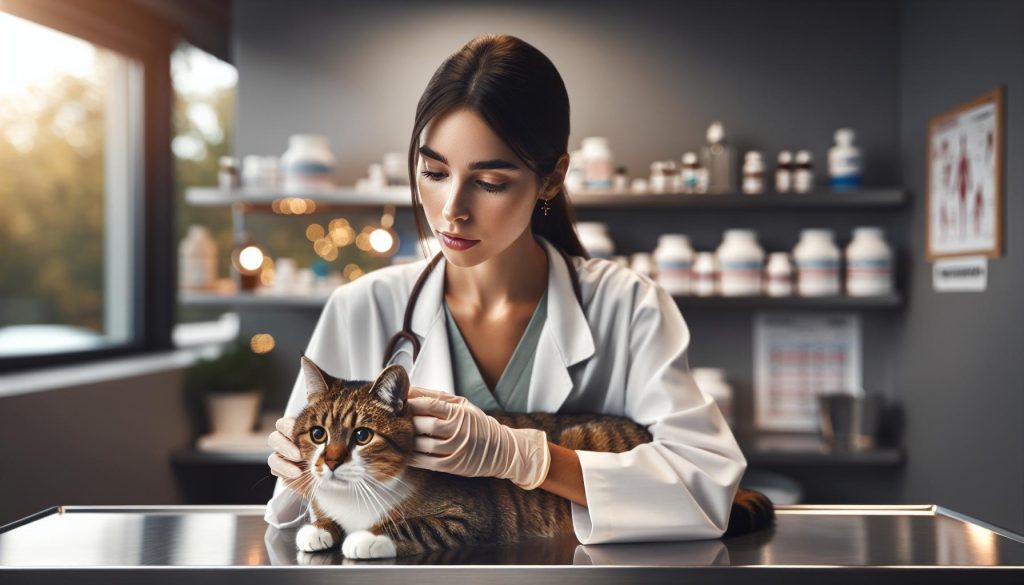
When it comes to managing your cat’s pain or anxiety, understanding how long it takes for Gabapentin to work is crucial. This anticonvulsant medication has gained popularity in veterinary medicine due to its efficacy in relieving discomfort caused by various conditions, making it essential for you as a pet owner to know the timeframe for its effects. Many pet owners find themselves anxious to see improvement and wondering if they made the right choice for their furry friend. In this guide, we will delve into the expected onset of action for Gabapentin, helping you set realistic expectations and enhance your cat’s quality of life. By understanding this important aspect of Gabapentin treatment, you can better navigate your pet’s journey to recovery and ensure they feel safe and comfortable. Let’s explore the timeline and what to anticipate when administering this helpful medication.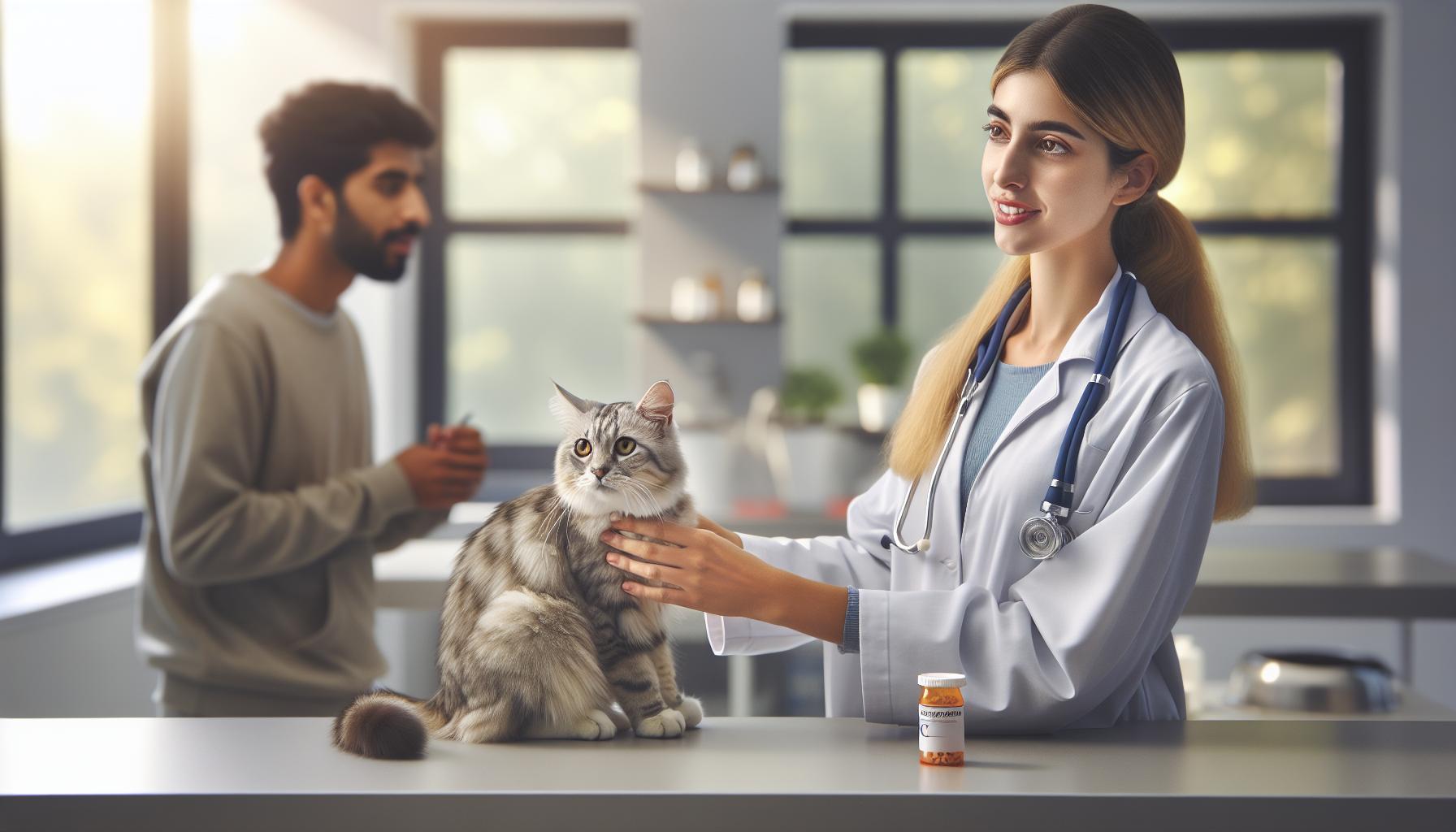
How Gabapentin Works in Cats
Gabapentin is a medication that operates by modulating the way that nerves transmit pain signals. In cats, it primarily affects the nervous system by binding to specific calcium channels, which decreases the release of various neurotransmitters responsible for pain perception. This action not only helps in managing pain but also provides a calming effect, making it useful for situations that may induce stress or anxiety in felines, such as vet visits or travel. Additionally, gabapentin is often employed as an adjunct therapy in cases of chronic pain, such as arthritis or neuropathic pain, improving overall comfort and quality of life for cats suffering from these conditions.
The effectiveness of gabapentin can be influenced by several factors, including the cat’s weight, kidney function, and the specific condition being treated. Individual variability in response means that some cats may experience relief sooner than others. Typically, once administered, gabapentin’s onset of action begins within 1 to 2 hours, allowing pet owners to observe their cat’s response relatively quickly. However, it may take 2 to 3 doses to achieve optimal effects, particularly in chronic pain scenarios, as the level of medication builds up in the cat’s system.
Monitoring your cat for signs that gabapentin is working is essential. Pet owners should look for decreased signs of pain, such as improved mobility, reduced vocalization, and an overall more relaxed demeanor. If the intended therapeutic effect occurs, it’s important to continue to administer the medication as prescribed and maintain a dialogue with your veterinarian about any changes in behavior or health trends during treatment.
Typical Onset Time for Gabapentin Effects
Understanding how quickly gabapentin takes effect can provide peace of mind for cat owners seeking effective pain management for their pets. Typically, pet owners can expect to see the onset of gabapentin’s effects within 1 to 2 hours after administration. This relatively rapid action makes it a popular choice among veterinarians for both pain management and sedation in stressful situations, such as vet visits or travel. However, it’s essential to keep in mind that the full benefits may take a bit longer to materialize for some cats, especially those dealing with chronic pain conditions.
In many cases, optimal results may not be evident until the cat has received multiple doses. This cumulative effect is largely due to the need for the drug to build up in the system-often, it takes 2 to 3 doses for the desired outcome to be fully realized, especially in chronic scenarios. Thus, while a cat may start showing signs of comfort relatively quickly, ongoing treatment will be crucial for achieving sustained relief. Pet owners should note their cat’s progress and engage in communication with their veterinarian to adjust treatment as necessary.
It’s invaluable to monitor your cat closely during this initial phase. Look for behavioral changes such as reduced vocalization, improved mobility, or an overall calmer demeanor, which may signal that the medication is taking effect. This observation can help confirm the medication’s efficacy and guide future doses. Remember, every cat is unique, so what works for one might not be the same for another, making it important to maintain an adaptive approach to treatment.
Factors Influencing Gabapentin’s Effectiveness
Understanding the effectiveness of gabapentin in cats is essential for pet owners looking for suitable pain management options. The drug’s impact can vary significantly based on several factors, each contributing to how well it alleviates symptoms like pain and anxiety.
One of the primary is the individual cat’s metabolism. Cats, like humans, can have varying metabolic rates that affect how quickly the drug is processed. For example, older cats or those with underlying health conditions may metabolize medications more slowly, potentially delaying the onset of action and prolonging the need for dosage adjustments. Additionally, a cat’s weight and overall health status can influence how the medication is absorbed and its subsequent efficacy.
The specific condition being treated also plays a crucial role in gabapentin’s performance. It is commonly used for pain management, particularly in cases of arthritis or post-surgical discomfort, but it may have varying effectiveness depending on individual pain thresholds and the nature of the underlying issue. Chronic conditions often require a multi-faceted approach, including other pain relief strategies or supportive therapies, which can enhance gabapentin’s effectiveness.
Environmental stressors and behavioral factors should not be overlooked either. A cat’s stress level can significantly impact how well gabapentin works. For instance, a calm home environment can facilitate a more effective response to the medication, while anxiety-provoking situations (e.g., noisy surroundings or changes in routine) can undermine its benefits. Moreover, behavioral issues, which gabapentin can also help manage, may require a comprehensive treatment plan encompassing behavioral modifications alongside medication.
Ultimately, the collaboration between pet owners and veterinarians is essential to optimize gabapentin’s effectiveness. Tracking the cat’s response, adjusting dosages as necessary, and considering complementary therapies can lead to a more successful pain management strategy. Whether it’s through direct observation or through consultation with veterinary professionals, staying proactive about your cat’s treatment can foster better outcomes and improved quality of life.
Signs That Gabapentin is Working in Cats
Recognizing the signs that gabapentin is effectively alleviating your cat’s pain or anxiety can make a significant difference in their quality of life. Once administered, you may start to notice improvement in your cat’s behavior and well-being. Key indicators that the medication is working include observable reductions in discomfort or anxiety levels. These changes can manifest in several ways, making it easier for pet owners to assess the effectiveness of the treatment.
Among the first signs to look for are changes in your cat’s activity levels. For instance, if your cat has been lethargic or hesitant to engage in normal activities, you may notice them becoming more active or playful. They might begin to explore their environment, follow you around, or even return to favorite pastimes such as climbing or playing with toys. This uptick in engagement often reflects reduced pain and improved overall mood.
Furthermore, pay attention to your cat’s demeanor in social situations. A reduction in vocalizations such as growling or hissing, especially if these were linked to irritability or discomfort, can signal that the medication is successfully easing their distress. You might also observe alterations in their grooming behavior-cats tend to groom themselves more when they feel comfortable, so an increase in grooming can be another positive sign that gabapentin is having its intended effect.
Additional Indicators
Monitoring these signs can help you determine whether gabapentin is effectively managing your cat’s condition. It’s essential to keep a close eye on their behavior and report any observations to your veterinarian, who can assess if any adjustments to dosage or treatment plans are necessary. Consistent communication with your vet can ensure that the treatment remains effective and that your pet’s needs are being met, fostering their well-being and improving their quality of life.
What to Expect During Treatment
When starting treatment with gabapentin for your cat, it’s essential to establish a clear understanding of what to expect throughout the process. Initially, your veterinarian will provide you with a dosage tailored to your cat’s specific needs, which may vary based on the underlying condition being treated. The transition to this medication is typically smooth, but monitoring your cat during this period can help ensure the best outcomes.
As gabapentin takes effect, you might notice changes in your cat’s behavior and activity levels. Many pet owners find that their cats exhibit an increase in playfulness or social interaction, indicating that the medication is alleviating pain or anxiety. However, it’s crucial to recognize that the onset of effects can vary significantly among individuals; some cats may respond within a few hours, while others might take a couple of days to show noticeable improvements. Tracking your cat’s behavior during the initial treatment phase can provide valuable insights into its effectiveness.
Communication with your veterinarian is another key element during this time. Regular follow-ups can help assess whether the current dosage is appropriate or if adjustments are necessary. If you observe any unusual behavior or side effects, such as excessive lethargy or changes in appetite, it’s vital to report these to your vet. They can guide you on whether these changes are expected or indicate a need for reevaluation of the treatment plan.
Ultimately, the treatment experience with gabapentin should be one of gradual improvement. Expect to monitor not just physical signs of pain relief, like an increased willingness to engage with you and their surroundings, but also emotional indicators such as reduced anxiety. Establishing a routine around your cat’s treatment schedule can also help you stay organized and attentive to any changes, thus fostering a supportive environment that contributes to their overall well-being.
Dosage Recommendations for Cats
When it comes to ensuring your cat receives the right dosage of gabapentin, precise recommendations from your veterinarian are crucial. This medication can be essentially beneficial for managing chronic pain and anxiety, but the appropriate dosage varies widely based on factors like the cat’s weight, age, overall health, and the condition being treated. For most cats, the typical starting dose ranges from 1 to 5 mg per pound of body weight, administered every 8 to 12 hours. It’s essential to follow your veterinarian’s guidance diligently, as they may adjust the dosage based on your cat’s response and any side effects experienced.
Cats can react differently to medications, so regular monitoring is essential during the initial phase of treatment. Pet owners may observe varying responses in their pets-some might show improvement in just a few hours, while others may take several days to notice a significant change. If your cat is particularly sensitive, your veterinarian might recommend starting with a lower dose and gradually increasing it. This approach helps to minimize the risk of side effects while allowing the healthcare provider to fine-tune the dosage for optimal effectiveness.
In instances where your cat has not shown signs of improvement after a few days on gabapentin, or if you’ve noticed adverse reactions, it’s crucial to consult your veterinarian promptly. They may suggest a reevaluation of the treatment plan or even consider alternative medications. Additionally, any changes in your cat’s health status-such as weight fluctuations, changes in appetite, or developing another health issue-should be reported to your vet for appropriate adjustments in the treatment approach. Keeping an open line of communication with your veterinarian is key to achieving the best outcomes for your feline friend on gabapentin.
Potential Side Effects of Gabapentin
Gabapentin is known for its effectiveness in managing pain and anxiety in cats, but like any medication, it carries the risk of side effects. While most cats tolerate gabapentin well, it’s crucial for pet owners to be aware of potential adverse reactions to ensure their feline friends stay healthy throughout the treatment process.
The most common side effect of gabapentin in cats is mild sedation. This is generally temporary and may lessen with continued use as the cat adjusts to the medication. Other potential side effects, although less frequent, can include:
- Ataxia: This condition involves loss of coordination and may cause your cat to appear wobbly or unstable.
- Vomiting: Some cats may experience gastrointestinal upset, which can lead to vomiting.
- Drowsiness: Increased sleepiness beyond the expected sedation can occur.
- Behavioral Changes: Some cats might show signs of altered behavior, such as increased agitation or lethargy.
It’s essential for pet owners to observe their cats closely during the initial stages of gabapentin treatment. If adverse effects are noted, or if sedation seems excessive, contacting a veterinarian is advisable for reevaluation. Adjustments to the dosage or changes to the treatment plan may be necessary based on the cat’s individual response.
In rare cases, cats may exhibit more severe reactions. For instance, an allergic reaction, although uncommon, can lead to symptoms like swelling, difficulty breathing, or hives. If any of these alarming signs appear, immediate veterinary attention is crucial. Monitoring your cat for changes in behavior, appetite, and overall health during treatment with gabapentin not only ensures their wellbeing but also strengthens the bond of trust between you and your pet.
When to Adjust Dosage or Seek Help
When administering gabapentin to your cat, it’s crucial to stay vigilant regarding their response to the medication. While gabapentin is widely recognized for its effectiveness in managing pain and anxiety, its success markedly hinges on both the individual’s health status and observed side effects. If you notice any unusual behavior, such as excessive lethargy, extreme agitation, or signs of severe side effects like coordinated movement issues or vomiting, it may be time to consult your veterinarian. Understanding when adjustments are necessary could be pivotal in ensuring your cat’s comfort and safety during treatment.
If your feline friend appears to be experiencing diminishing effects from gabapentin over time or if their original symptoms of pain and anxiety are resurfacing, it may indicate that the dosage needs re-evaluation. Factors such as weight changes, age, or additional health conditions can impact the efficacy of the drug. In such cases, an immediate discussion with a veterinarian can provide clarity. They may recommend a dose adjustment, changing the treatment regimen, or possibly incorporating alternative pain relief methods.
Common signs that indicate a need for dosage adjustment include:
- Physical Symptoms: Persistent pain or signs of anxiety after initial positive response.
- Behavioral Changes: Increased sedation or changes in normal activity levels observed over time.
- Gastrointestinal Disturbances: Sudden onset of vomiting or diarrhea that may not resolve.
- Allergic Reactions: Rare instances of swelling or difficulty breathing, which warrant immediate veterinary attention.
Regular follow-ups with your veterinarian can help oversee your cat’s treatment plan and modify it as needed to better suit their progress and comfort. Remember, gabapentin can be a vital part of pain management or anxiety relief for your cat, but communication and observation are key to making the most of this treatment.
Gabapentin vs. Other Pain Medications for Cats
Gabapentin is often a go-to medication for managing pain and anxiety in cats, but it’s essential to understand how it stacks up against other pain relief options available for feline patients. As pet owners diligently seek the best for their furry friends, comparing gabapentin with alternative medications can lead to more informed decisions about treatment plans.
One of the primary medications frequently compared to gabapentin is buprenorphine, an opioid analgesic. While both drugs are effective for pain management, they operate through different mechanisms. Gabapentin primarily modulates pain signals in the nervous system, offering less sedation, while buprenorphine provides more robust pain relief, especially for acute pain scenarios. However, with the higher analgesic power of buprenorphine comes an increased risk of sedation and potential dependency, making gabapentin a safer choice for long-term management in cats with chronic conditions like arthritis or fibromyalgia.
Other Pain Relief Options
Aside from gabapentin and buprenorphine, there exist several other medications, including NSAIDs (Non-Steroidal Anti-Inflammatory Drugs) such as meloxicam and carprofen. These drugs are effective for reducing inflammation and alleviating pain associated with conditions like osteoarthritis. However, they come with a risk of gastrointestinal side effects, especially in older cats or those with pre-existing health concerns. Gabapentin, on the other hand, has a different side effect profile, which often includes mild sedation rather than gastrointestinal issues, making it preferable in certain cases.
Moreover, combining treatments can sometimes yield the best results. For example, a veterinarian might recommend using gabapentin alongside an NSAID for enhanced pain control while minimizing the dose of each drug to reduce side effects. This multimodal approach can allow for effective pain management tailored to the individual needs of the cat.
In conclusion, while gabapentin offers unique advantages, particularly for chronic pain and anxiety management with fewer risks of severe side effects, it’s crucial to work closely with a veterinarian. They can help determine the most appropriate medication or combination of medications tailored specifically to your cat’s health needs, ensuring a safer and more effective treatment strategy.
Common Misconceptions About Gabapentin
Despite its common use, gabapentin is surrounded by various misconceptions that can lead to confusion among pet owners and even some veterinary professionals. One of the most prevalent myths is that gabapentin is purely a pain medication, when in fact, it serves multiple purposes, including managing chronic pain, alleviating anxiety, and even assisting in behavioral therapy. This multifaceted use often leads owners to underestimate the rich potential of gabapentin as a comprehensive approach to feline health, particularly for cats suffering from both physical discomfort and emotional distress.
Another significant misconception is regarding the speed of its effects. Many pet owners expect immediate results upon administration. However, the onset time for gabapentin varies; it typically takes about 1 to 2 hours for its effects to manifest, and the full benefit may be noticed only after several doses. This delayed action can cause frustration or concern for owners who may not see an instant change in their pet’s behavior. Understanding this timeline can set appropriate expectations and improve compliance with prescribed treatment regimens.
Additionally, some owners may believe that gabapentin is safe to use indefinitely without any monitoring. While gabapentin is generally well-tolerated, ongoing treatment should be regularly evaluated by a veterinarian to ensure it remains effective and adjustments are made as necessary. Long-term use in particular may require careful monitoring for any emerging side effects or changes in the cat’s health status. Educating owners about the importance of follow-up consultations reinforces effective treatment plans and keeps the overall health of their pets as a priority.
Lastly, there is often skepticism regarding gabapentin’s safety compared to opioids or NSAIDs. While it is true that all medications come with potential side effects, gabapentin is associated with a lower risk of more severe side effects commonly seen with other pain medications, such as gastrointestinal complications. Educating cat owners about this can alleviate fears and prompt them to consider gabapentin as a viable, safer option when developing pain management strategies for their cats.
Veterinary Insights: Gabapentin Use in Cats
Veterinary professionals emphasize the multifaceted role of gabapentin in feline health care. While it is widely recognized for its effectiveness in managing chronic pain and anxiety, its versatility extends beyond these applications. For example, gabapentin can be beneficial in alleviating stress during travel or vet visits, making it an essential tool in a veterinarian’s prescribing arsenal. Understanding how gabapentin functions-including its neural modulation properties-can help pet owners appreciate its place in a comprehensive treatment plan for their cats.
Veterinarians note that the onset of gabapentin’s effects typically occurs within 1 to 2 hours, although maximum benefits may take longer and vary based on individual factors such as age, health status, and concurrent medications. This delayed effect reinforces the need for pet owners to maintain realistic expectations when initiating treatment. Regular follow-ups and clear communication with veterinary professionals are crucial to assess efficacy and manage any potential side effects.
Moreover, it’s important for pet owners to recognize the recommended dosage guidelines while also understanding how factors like a cat’s size, weight, and overall health can influence the titration process. This careful balancing act ensures that the medication provides optimal relief without unnecessary risks. Since gabapentin is known for its relative safety compared to opioids and NSAIDs, it is increasingly being favored in pain management strategies.
In summary, veterinarians advocate for an individualized approach when using gabapentin. Key to this process is the open dialogue between cat owners and their veterinary team, allowing for adjustments based on the pet’s response and ongoing health assessments. Engaging closely with veterinary insights can vastly improve treatment outcomes and quality of life for feline patients.
Understanding the Long-Term Use of Gabapentin
in cats involves careful consideration of its effects, benefits, and potential risks. One of the most notable advantages of gabapentin is its safety profile, particularly compared to traditional opioids and non-steroidal anti-inflammatory drugs (NSAIDs). As it is an anticonvulsant that modulates nerve signals, it provides effective pain relief and anxiety management without the severe side effects often associated with other classes of pain medications. Over time, many cats tolerate gabapentin well, allowing for prolonged use, especially in chronic conditions like arthritis or in managing anxiety during stressful situations like vet visits or travel.
However, monitoring is essential for any long-term medication regimen. While gabapentin has a favorable safety record, some cats may experience side effects such as mild sedation, which can last longer in those that are older or have pre-existing health conditions. For this reason, regular check-ins with a veterinarian are vital. This ensures that the dosage remains appropriate as the cat ages or as their health condition may change. Factors such as weight changes, appetite fluctuations, or signs of increased sedation may all require a reevaluation of the treatment plan.
Veterinary guidance encourages cat owners to engage in open conversations about their pet’s long-term treatment. It’s important to keep a diary of any behavioral changes or side effects while on gabapentin. Such documentation can provide invaluable insight during regular veterinary visits, allowing for timely adjustments in dosage or even a reevaluation of the treatment approach. Furthermore, some cats may not display overt signs of discomfort or pain, so being proactive in observing subtle changes in behavior is crucial.
In summary, while the long-term use of gabapentin can significantly enhance the quality of life for many cats, it should not be approached lightly. Pet owners should feel empowered to work closely with their veterinary team to ensure the ongoing effectiveness of the treatment, remain vigilant about any adverse effects, and make any necessary adjustments. With the right support and monitoring, gabapentin can be an excellent part of a comprehensive pain management strategy for our feline friends.
Frequently asked questions
Q: How quickly does Gabapentin take effect in cats?
A: Gabapentin typically takes about 1 to 2 hours to start showing effects in cats, depending on individual factors such as metabolism and the specific condition being treated. Monitoring your cat closely during this period is essential to assess its response.
Q: What factors affect how long Gabapentin takes to work in cats?
A: Factors that influence the onset of Gabapentin’s effects include your cat’s age, weight, overall health, and the specific dosage. Always consult your veterinarian for personalized timing and dosage recommendations based on your cat’s needs.
Q: Can I expect immediate relief from Gabapentin in my cat?
A: While some cats may experience relief within a few hours, others might take longer. Gabapentin is not necessarily for immediate pain relief and may require consistent dosing over time for optimal effect [3].
Q: Is there a way to enhance Gabapentin’s efficacy in cats?
A: Yes, combining Gabapentin with other medications, under veterinary guidance, can enhance its analgesic effects. Always discuss any additional treatments with your veterinarian [2].
Q: How can I tell if Gabapentin is working for my cat?
A: Signs that Gabapentin is effective include reduced anxiety, pain relief, and improved mobility. Monitoring your cat’s behavior before and after administration can help you determine effectiveness [1].
Q: What are the best practices for administering Gabapentin to cats?
A: Administer Gabapentin as prescribed, at the same time each day to maintain consistent levels in your cat’s system. If your cat refuses the medication, consult your vet for alternative methods or formulations.
Q: How long can Gabapentin be safely used in cats?
A: Gabapentin can be used for both short-term and long-term management of pain and seizures in cats. Regular veterinary check-ups are crucial to monitor health and adjust dosages as needed [3].
Q: Are there alternatives to Gabapentin for cat pain management?
A: Yes, there are several alternatives, such as non-steroidal anti-inflammatory drugs (NSAIDs) and opioids. Your vet can help you determine the best option based on your cat’s specific needs [2].
To Conclude
As you navigate your journey with gabapentin for your cat, remember that understanding its onset of action is crucial for managing their pain effectively. The insights shared in “How Long for Gabapentin to Work in Cats: Veterinary Guide” empower you to make informed decisions for your pet’s health. If you have lingering questions or need personalized guidance, don’t hesitate to consult your veterinarian.
For a deeper dive into feline health, check out our articles on managing chronic pain and the benefits of various treatments. Stay connected and sign up for our newsletter for ongoing tips and essential resources. Your cat deserves the best care-take the next step today, and together, let’s ensure your furry friend’s well-being continues to thrive. Share your experiences in the comments below; we love hearing from you and learning how our community supports one another!