
As an arts student, you possess a unique set of skills that can pave the way for exciting and rewarding career opportunities. The right job can not only provide financial stability but also allow you to express your creativity and passion. In a world increasingly reliant on creativity, understanding which careers align with your talents and aspirations is vital. This guide explores 12 creative careers that not only promise fulfilling work but also pay well, helping you bridge the gap between your studies and the professional realm. By discovering the best job options and practical strategies for job searching, you’ll be well-equipped to make informed decisions about your future. Dive in to unlock the potential for a career that truly resonates with your artistic spirit while offering the financial rewards you deserve!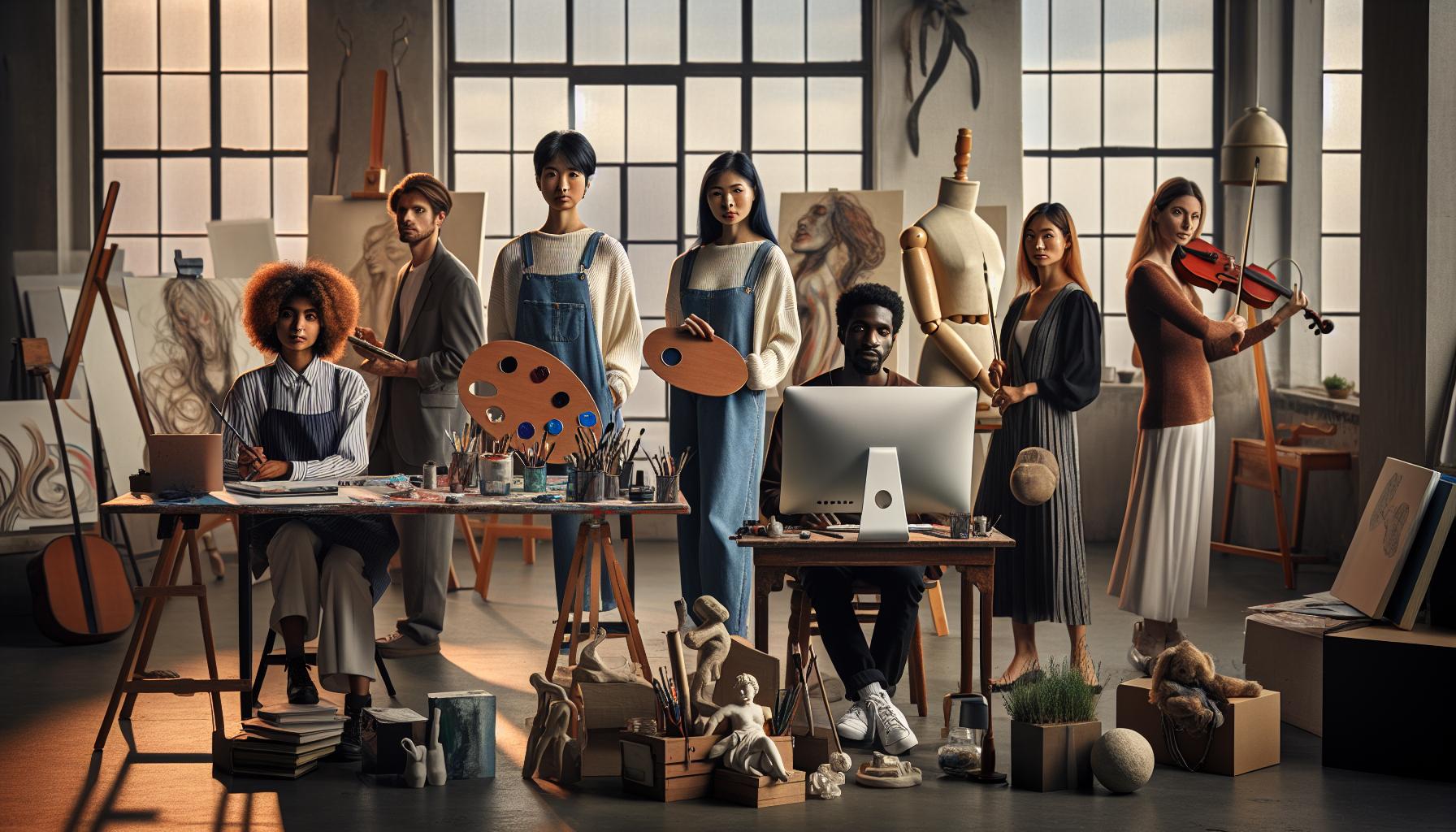
What Creative Careers Are Best for Arts Students?
Many arts students often wonder which creative careers will allow them to thrive not only in passion but also in financial stability. The good news is that there are numerous pathways that arts students can pursue, each combining creativity with practical skills. For example, roles such as graphic designer, digital marketing specialist, and interior designer require a strong artistic vision paired with technical expertise, making them perfect for arts graduates looking to make their mark in the professional world.
A great career option is becoming a graphic designer, where you can create visuals for advertising, websites, and branding. This position is not only in demand but has an increasing salary potential due to the rise of online businesses. Another lucrative option is a career in digital marketing, which allows for creativity in developing campaigns and strategies while leveraging analytical skills to measure effectiveness. Also, the field of interior design merges artistic flair with spatial understanding, providing opportunities to work in residential and commercial spaces, and the potential for a high-income career.
For those who enjoy storytelling, pursuing a role in content creation or copywriting can be fulfilling, as it challenges your creativity while delivering compelling narratives or promotional materials. Similarly, positions in theatre production or art direction offer unique avenues for collaboration and innovation, along with the excitement of working within creative teams. When considering which path aligns best with your skills and interests, remember that internships and project work during your studies can provide essential industry experience and networking opportunities, propelling you toward success in your chosen field.
Finally, it’s essential to craft a standout resume that showcases your relevant coursework, projects, and experiences. Focus on your creative strengths while ensuring that your unique perspective shines through, as this can set you apart in a competitive job market.
Top In-Demand Jobs for Arts Graduates
In today’s dynamic job market, arts graduates have a plethora of opportunities that not only fuel their passions but also promise financial security. The infusion of technology in creative sectors has given rise to several in-demand roles, each appealing to the creative talents of arts students. Understanding these roles is crucial for students as they embark on their career path, ensuring they align their skills with the needs of the market while also addressing their personal aspirations.
One highly sought-after career is that of a graphic designer. This role involves creating visual content for a variety of platforms, including websites, advertisements, and branding campaigns. As the digital landscape continues to expand, so does the demand for skilled graphic designers who can blend artistic creativity with technical know-how. Similarly, the field of digital marketing has exploded, providing roles where graduates can develop innovative marketing strategies while utilizing data analytics to gauge effectiveness and optimize performance.
The arts also open doors to careers in content creation and copywriting. These positions require strong storytelling skills and an ability to engage audiences through compelling narratives. Whether crafting website copy or developing social media content, these roles are integral to brands seeking to connect with their customers on a deeper level. Beyond this, the world of interior design offers arts graduates the chance to apply their aesthetic judgment to create functional and beautiful spaces, merging creativity with practical applications.
For students pursuing these paths, gaining relevant experience through internships or freelance projects is invaluable. Not only do such endeavors enhance a resume, but they also provide real-world insights into the industry and build essential networks. As students balance part-time jobs and their studies, it’s crucial they seek roles that offer flexible arrangements while contributing to their overall career development. By actively engaging in their fields of interest and honing their skills, arts graduates can position themselves as strong candidates in an ever-evolving job market.
High-Paying Creative Roles You Should Explore
In a world where creativity drives innovation, arts students are uniquely positioned to tap into high-paying roles that not only align with their passions but also offer lucrative financial rewards. The key to discovering these opportunities lies in understanding the evolving landscape of creative careers, many of which are currently in high demand due to the rapid advancement of technology and the importance of aesthetics in various industries.
One prominent role that arts graduates should consider is that of a UX/UI Designer, specializing in the user experience and user interfaces of digital products. This position combines creative design skills with technical know-how, enabling designers to enhance user interaction on websites and apps, a service highly valued in today’s tech landscape. Salaries for skilled UX/UI designers can range significantly, with seasoned professionals earning upwards of $100,000 per year.
Another excellent opportunity is in the realm of digital marketing. This field demands creativity to devise captivating marketing campaigns that leverage social media, content creation, and analytics to engage audiences effectively. A strong digital marketing strategist can expect to earn a substantial salary, especially as they advance into roles such as Marketing Manager or Brand Strategist, with potential earnings reaching six figures.
Furthermore, arts students can explore careers in animation and multimedia art. The demand for skilled animators has surged across various sectors, including entertainment, advertising, and education. Those in this field typically earn between $60,000 to $90,000 annually, with experienced professionals in film or game design fetching even higher wages.
In summary, while pursuing creative pathways, arts students should actively seek internships and freelance opportunities to build their portfolios and network within the industry. Balancing such tasks with academic commitments may be challenging, but establishing flexible arrangements allows students to cultivate valuable experience while still focusing on their studies. By staying proactive and adaptable, arts graduates can discover fulfilling, high-paying careers that resonate with their creative aspirations.
Arts Majors: Unique Career Paths to Consider
The world of arts majors opens up an array of unique career paths that extend far beyond the conventional ideas of art or music. Students equipped with a creative background can venture into innovative roles that blend their artistic skills with emerging industries, leading to both fulfilling and lucrative careers. Arts graduates are finding themselves in increasingly diverse sectors, including technology, marketing, and entertainment, where their creative talents are in high demand. For instance, positions like Content Strategist and Digital Media Specialist serve as excellent examples of how an arts degree can be applied in modern, tech-driven work environments.
One intriguing path for arts students is the realm of Interactive Media Design, where creativity meets technology. Professionals in this field are responsible for designing engaging user experiences across apps and websites. With the rise of mobile and web-based technologies, successful designers can command impressive salaries, often well into six figures, especially as they enhance their skill set with coding or data analytics knowledge. Moreover, students who pursue Art Therapy can combine their passion for the arts with psychology, providing therapeutic support through creative expression. This path not only pays well but also offers the profound reward of helping others improve their mental health.
In addition to exploring traditional outlets, arts majors should consider roles in Corporate Communications or Public Relations, where they can utilize their storytelling and visual communication skills to shape brand narratives. Here, the ability to craft compelling messages and create engaging content is crucial. Leveraging internships or volunteer opportunities in these sectors can provide valuable hands-on experience, aiding students in building a well-rounded resume.
To maximize career potential, students should actively engage in networking opportunities. Attending industry events, joining professional organizations, and using platforms like LinkedIn can facilitate vital connections in their fields of interest. Additionally, creating a diverse portfolio that highlights a range of work-whether it’s through internships, projects, or freelance gigs-can significantly enhance their employability.
In this dynamic landscape, balancing academics with relevant work experience is achievable. Students are encouraged to seek flexible part-time roles or freelance opportunities that align with their career interests, mastering time management effectively to navigate both work and study. With the right mindset and proactive approach, arts majors can carve out rewarding careers that not only pay well but also resonate deeply with their personal passions.
Tips for Crafting a Standout Arts Resume
Crafting a resume that stands out in the competitive landscape of creative careers is essential for arts students looking to secure their desired positions. Your resume is not just a list of your skills and experiences; it’s an opportunity to showcase your unique artistic voice and convey the value you can bring to a potential employer. Here are some strategies to help you create an impactful resume that captures attention and sets you apart from the crowd.
Highlight Your Creative Skills
In a field driven by creativity, prioritizing your artistic abilities is crucial. Use descriptive language to define your skills, whether they pertain to graphic design, photography, or any other creative discipline. Arrange your skills in a clear format that includes both hard skills (like proficiency in Adobe Creative Suite) and soft skills (such as teamwork and communication). Consider categorizing skills into sections to streamline readability. For example:
- Technical Skills: Adobe Illustrator, Photoshop, Final Cut Pro
- Creative Skills: Illustration, Graphic Design, Photography
- Soft Skills: Collaboration, Time Management, Adaptability
Showcase Relevant Experience
When detailing your experience, focus on roles that directly align with your career aspirations. This can include internships, freelance projects, or even academic work. Use bullet points to concisely describe your responsibilities and accomplishments. Quantifying your achievements with metrics-like “designed social media graphics that increased engagement by 30%”-can vividly illustrate your impact. If applicable, incorporate a portfolio link that seamlessly leads employers to examples of your work, providing a visual testament to your capabilities.
Customize for Each Application
Tailoring your resume for each job application can significantly increase your chances of landing an interview. Carefully read job descriptions and identify key phrases or requirements. Ensure these resonate within your resume, adjusting wording to mirror the language of the position. If a job emphasizes project management within a creative context, weave in your experiences managing projects to underscore your qualifications.
By following these guidelines, arts students can create standout resumes that not only reflect their artistic skills and experiences but also showcase their potential to employers in creative fields. Remember, your resume is the first step toward making a lasting impression, so invest the time to make it a compelling narrative of your unique professional journey.
How to Ace Interviews in Creative Fields
Interviewing for creative positions can be a unique experience, blending traditional interview techniques with more dynamic methods that require showcasing your artistic abilities and personality. It’s essential to approach this process not just as an assessment of your skills but as a chance to express your creativity and passion for the field. Here are some effective strategies to help you shine during your interviews in creative industries.
Preparation is key, and it starts with researching the company thoroughly. Understand their aesthetic, culture, and recent projects. This knowledge allows you to tailor your answers and show genuine interest. Consider how your skills and experiences align with their mission and values. For instance, if you’re interviewing for a graphic designer role, familiarize yourself with their design style and think about how you can contribute to future projects.
Once in the interview, demonstrate your creativity through practical examples of your work. Be prepared to discuss your portfolio in detail, walking interviewers through not just your finished products but also your creative process. Use phrases like “I approached this project by…” to illustrate how you think critically and creatively. Providing context about the challenges you faced and how you overcame them highlights your problem-solving skills, a valuable asset in creative fields.
Moreover, you might encounter non-traditional interview formats, such as design challenges or skills assessments. Embrace these opportunities to showcase your unique approach under pressure. Instead of viewing these as tests, perceive them as chances to demonstrate your talents live. Practice with mock interviews or creative tasks to build confidence.
Finally, follow up after your interview with a thank-you note. Reinforce your enthusiasm about the position and briefly mention a topic discussed during the interview that particularly resonated with you. This reinforces a connection and keeps you fresh in the interviewer’s mind. With these strategies, you can confidently navigate your interviews and make a lasting impression in the creative job market.
Networking Strategies for Arts Students
Building a strong network is vital for arts students looking to carve out a successful career in the creative fields. It’s a fact that many job opportunities-especially in creative industries-are found through personal connections rather than conventional job postings. This underscores the importance of strategic networking, which can provide not only job leads but also mentorship and guidance tailored to your specific career aspirations.
One effective approach to networking is to actively engage in professional organizations related to your field. Attend events, workshops, and seminars hosted by these organizations; they often feature industry leaders and peers who share your interests. This is a perfect environment to exchange ideas, seek advice, and even explore job openings. Using platforms like LinkedIn to connect with speakers and attendees can also help you maintain these relationships. Additionally, participating in online communities and forums dedicated to your craft can offer insights and connections that are just as valuable as in-person engagements.
Consider enhancing your networking strategy by leveraging internships and volunteer opportunities. These experiences not only provide you with practical skills-valuable as you build your resume-but also allow you to meet professionals who can help you gain footholds in your desired industry. Be proactive during these opportunities; don’t hesitate to reach out to colleagues for informational interviews or coffee chats afterward to discuss their career paths and share your interests. This kind of follow-up can leave a positive impression and keep you on their radar for future opportunities.
Moreover, when engaging with your network, always be prepared with your personal ‘elevator pitch’-a brief, engaging summary of who you are, what you do, and what you’re looking for. This will help you make a strong first impression and convey your goals effectively. Keep your portfolio updated and tailored for the specific audience you’re engaging with, as this will showcase your work and increase your chances of capturing interest. Remember, networking is a two-way street; be generous in your support of others by sharing referrals or resources, which can strengthen your professional relationships and create a supportive community around you.
Freelancing Opportunities for Creative Minds
In today’s gig economy, freelancing has emerged as a powerful avenue for arts students to showcase their talents while maintaining flexible schedules that accommodate their studies. With the digital landscape expanding, creative minds can find numerous opportunities across various platforms, allowing for a diverse range of roles from graphic design to content writing. Freelancing not only provides a source of income but also helps build a robust portfolio that can impress potential employers after graduation.
To get started, students should identify their skills and areas of interest. Are you a budding graphic designer, a passionate writer, or perhaps an aspiring video editor? Once you have pinpointed your strengths, create a compelling online portfolio that showcases your best work. This will serve as a crucial tool for attracting clients, as it provides tangible evidence of your capabilities.
Finding Freelance Opportunities
There are a plethora of online platforms where students can find freelance gigs. Websites like Upwork, Fiverr, and Freelancer.com host a variety of projects that students can bid on, ranging from short-term assignments to ongoing collaborations. Additionally, social media platforms like Instagram and LinkedIn can be powerful tools for networking within creative communities. Showcase your work, engage with relevant hashtags, and connect with professionals who may be looking for freelance help.
Tips for Success
To succeed as a freelancer, developing excellent communication skills is crucial. Always be clear about your capabilities, deadlines, and terms of service when engaging with clients. Here are a few effective strategies to enhance your freelancing experience:
- Set clear expectations: Make sure both you and your client agree on project goals, timelines, and payment terms.
- Manage your time effectively: Balance your freelancing work with your academic responsibilities by creating a structured schedule.
- Bidding smartly: When pitching for projects, tailor your bids to address the specific needs of the client, making it clear how your skills can solve their problems.
By embracing freelancing, arts students can gain invaluable experience, enhance their professional network, and potentially turn their passions into profitable careers. This flexible work option allows students to explore their creativity while preparing for a successful transition into the workforce. Remember, every client interaction is a chance to refine your skills and grow your career, so approach each project with enthusiasm and professionalism.
Balancing Part-Time Work and Studies
Finding a harmony between part-time work and academic commitments can be a challenging yet rewarding pursuit for arts students. The right balance can enhance your experience both financially and professionally, allowing you to apply what you learn in your courses to real-world scenarios. As you explore the creative careers available to you, it’s essential to choose positions that not only align with your artistic passions but also fit into your study schedule.
One effective strategy is to seek out flexible part-time opportunities that offer a manageable workload. Jobs in retail or hospitality can provide a steady income while allowing you to select shifts that fit your class schedule. Additionally, consider roles directly associated with your field, such as internships in graphic design firms, art galleries, or media companies. These positions often emphasize the importance of creativity and can provide hands-on learning experiences that enhance your resume while you study.
Developing Time Management Skills
To successfully juggle work and studies, strong time management skills are critical. Here are some actionable steps to consider:
- Create a schedule: Use planners or digital calendars to allocate time for classes, work shifts, study sessions, and leisure activities. This visual layout will help you identify gaps where you can fit in additional work or study time without feeling overwhelmed.
- Set priorities: Determine your most pressing responsibilities each week and tackle them accordingly. This approach ensures that critical assignments and work deadlines are met without last-minute stress.
- Practice self-care: While it’s essential to work hard, be mindful of the need for breaks and personal time. Engaging in hobbies, exercise, or relaxation techniques can improve your focus and prevent burnout.
Remember, balancing a part-time job and your studies is not just about managing time effectively; it’s also about being proactive in seeking opportunities that will support your career aspirations. When applying for jobs, highlight your availability and commitment to both your education and your potential role in interviews. Employers appreciate candidates who can demonstrate flexibility and a strong work ethic.
By strategically choosing your part-time job, honing your time management skills, and maintaining a balanced lifestyle, you can thrive as both a student and an aspiring creative professional, setting a solid foundation for your future career. The experience you gain will be invaluable as you transition into the workforce after graduation, integrating your academic knowledge with real-world application in the creative industry.
The Benefits of Internships in Creative Industries
Internships in creative industries serve as invaluable stepping stones for arts students, offering real-world experience that can significantly enhance their professional trajectories. Engaging in an internship not only allows students to apply theoretical knowledge acquired in the classroom but also helps them cultivate important skills that are critical in the dynamic world of creative careers. From collaborating with talented professionals to participating in live projects, internships provide a unique platform for students to showcase their creativity and gain confidence in their abilities.
One of the standout benefits of internships is the opportunity to build a robust network within the industry. As arts students collaborate with professionals, mentors, and peers, they create lasting relationships that can lead to future job prospects and collaborations. In creative fields where networking is often key to finding job opportunities, these connections can prove invaluable. It’s not uncommon for internships to lead to job offers or referrals, making it essential for students to approach these roles with professionalism and dedication.
Moreover, internships can also offer insights into various career paths that arts students might not have considered. As students explore different facets of the creative industry, they can identify which roles resonate with their passions and strengths. For instance, an internship at a graphic design studio may reveal an unexpected love for UI/UX design, prompting a student to shift their focus or further develop their skills in that area. Here are some practical strategies for making the most out of internship experiences:
- Set clear goals: Before starting your internship, outline what you hope to achieve. Whether it’s mastering specific skills or understanding a particular aspect of the industry, having clear objectives will help you stay focused.
- Be proactive: Take the initiative to seek out additional responsibilities or projects, which not only showcases your enthusiasm but can also lead to greater learning opportunities.
- Request feedback: Regularly ask for feedback on your performance. Constructive criticism is essential for growth and can guide you on how to improve and excel in your role.
By embracing internships as a key component of their educational journey, arts students can significantly enrich their resumes, develop transferable skills, and forge professional relationships that will benefit them as they launch their creative careers. The experience gained through internships can boost confidence, enhance job applications, and ultimately pave the way to fulfilling and well-paying positions in the creative landscape.
Exploring Remote Jobs for Arts Students
With the rise of digital platforms, remote work opportunities have flourished, providing arts students with a flexible way to gain experience while managing their studies. Remote jobs allow for a perfect blend of academics and practical application, enabling students to explore various creative fields without the constraints of a traditional office environment. From graphic design to content writing, the options available are as varied as they are rewarding.
Types of Remote Jobs for Arts Students
There are several avenues for arts students to pursue remote employment. Here are some popular roles to consider:
- Graphic Designer: Create visual content for companies or clients through freelance platforms or direct contracts.
- Social Media Manager: Develop and coordinate social media strategies for brands, showcasing creativity and marketing skills.
- Content Creator: Write blogs, articles, or create videos, allowing you to express your artistic voice while building a portfolio.
- UX/UI Designer: Work on user experience and interface design for applications or websites, combining artistic skills with technical understanding.
These roles not only enhance your skills but can also significantly boost your resume, illustrating your initiative and adaptability in a digital workspace.
How to Find Remote Opportunities
To embark on your remote job journey, follow these practical steps:
- Identify Your Skills: Assess your strengths and interests to determine which remote creative positions align with your academic background.
- Create a Professional Online Presence: Utilize platforms like LinkedIn, Behance, or personal websites to showcase your portfolio and connect with potential employers.
- Utilize Job Boards: Explore platforms that specialize in remote job listings such as Remote.co, We Work Remotely, or FlexJobs. These sites often curate creative roles suited for students.
- Network Actively: Leverage social media and professional groups to connect with industry professionals. This can lead to recommendations or insider knowledge about available positions.
Balancing Work and Education
Remote work offers flexibility, but it requires discipline to balance job responsibilities with academic commitments. Here are some tips to manage your time effectively:
- Set a Schedule: Create a structured work timetable that accommodates your classes and study sessions.
- Prioritize Tasks: Use tools like to-do lists or project management apps to keep track of deadlines and responsibilities.
- Communicate Boundaries: Clearly communicate your availability to employers and clients to prevent burnout and ensure a healthy work-life balance.
Engaging in remote jobs not only prepares you for your future career but also allows you to build valuable connections and develop skills that are essential in today’s increasingly digital work environment. Embracing these opportunities enhances your education while positioning you favorably in the competitive creative job market.
Building a Portfolio: Essential for Success
Crafting an impressive portfolio can be the key to unlocking a successful career in the creative field. For arts students, a well-curated collection of your work not only showcases your talents but also serves as a tangible reflection of your growth, creativity, and unique style. Potential employers often sift through numerous applications, and a striking portfolio can quickly set you apart, making it essential to approach this task with intention and care.
To begin, gather and select your best work-aim for variety to highlight your range of skills and interests. Include pieces that demonstrate critical thinking and your ability to solve problems creatively. As you compile your portfolio, remember that quality is paramount; a few exceptional works are more impactful than a large number of average pieces. It’s beneficial to tailor your portfolio to the type of job you’re targeting, ensuring that it speaks directly to the role and industry you aspire to join. This targeted approach not only displays your understanding of the industry but also showcases your ability to cater your skills to meet specific needs.
Keep It Organized and Professional
The presentation of your portfolio is just as important as the work itself. Use a clean, professional layout that makes your work easily accessible and visually appealing. If your portfolio is digital, consider using platforms like Behance or creating a personal website where you can control the user experience. Make sure to include a brief description of each piece, explaining your thought process, the tools you used, and any challenges you overcame-this context can be invaluable in demonstrating your competency and critical thinking skills.
Update Regularly and Seek Feedback
As you progress through your studies and gain experience, regularly update your portfolio to reflect your current skill level and interests. Fresh content keeps your portfolio relevant and ensures it consistently represents your best work. Additionally, don’t hesitate to ask mentors, professors, or peers for critiques on your portfolio. Constructive feedback can provide insights into how your work is perceived, as well as tips for improvement.
Creating a standout portfolio is a continual process of reflection and refinement. By presenting your work effectively, you not only communicate your artistic vision but also your professionalism and dedication to your craft, making it a vital tool in your job search as you pave your way in the creative job market.
FAQ
Q: What skills are most valuable for arts students entering the job market?
A: Effective communication, creativity, and adaptability are crucial for arts students. Additionally, skills in digital media, project management, and collaboration can enhance job prospects. Focusing on these skills can help students thrive in creative environments and build successful careers. Explore more in our section on Top In-Demand Jobs for Arts Graduates.
Q: How can arts students find internships that enhance their careers?
A: Arts students can find internships by utilizing university career centers, networking on platforms like LinkedIn, and searching through dedicated internship websites. Tailoring applications to highlight relevant coursework and skills is essential. For tips on securing internships, refer to The Benefits of Internships in Creative Industries.
Q: What are the best freelance opportunities for arts graduates?
A: Arts graduates can explore freelance opportunities in graphic design, web development, content creation, and social media management. Building a robust portfolio on platforms like Behance or Fiverr can attract clients. Learn more about freelancing in Freelancing Opportunities for Creative Minds.
Q: How can I balance part-time work with my creative studies?
A: To balance part-time work with studies, prioritize time management and seek flexible job arrangements. Consider roles that allow for remote working or varying hours to accommodate your academic schedule. For more advice, check out Balancing Part-Time Work and Studies.
Q: What types of creative jobs are hiring right now?
A: Currently, industries like digital marketing, content creation, and graphic design are hiring extensively. Roles such as content strategists, digital artists, and UX/UI designers are in demand. For specific positions, look at our section on High-Paying Creative Roles You Should Explore.
Q: Why is building a strong portfolio important for arts students?
A: A strong portfolio showcases your skills, creativity, and the diversity of your work, making it essential for job applications. It acts as a personal branding tool and can significantly impact hiring decisions. For guidance on this, see Building a Portfolio: Essential for Success.
Q: What career paths can an arts degree lead to beyond traditional roles?
A: An arts degree can lead to non-traditional career paths such as art therapy, event planning, and educational roles. With creativity and critical thinking skills, graduates can thrive in various sectors. For more unconventional options, check Arts Majors: Unique Career Paths to Consider.
Q: How should arts students prepare for job interviews?
A: Arts students should research the company, practice common interview questions, and prepare to discuss their portfolio confidently. Demonstrating enthusiasm and knowledge about the industry can leave a strong impression. Learn more in How to Ace Interviews in Creative Fields.
These FAQs not only address common concerns and questions from arts students but also naturally integrate relevant keywords for SEO optimization, enhancing both user experience and search visibility.
Insights and Conclusions
As we’ve explored the best job options for arts students, remember that your creativity can not only express your vision but also lead to rewarding careers in diverse fields. Whether you’re leaning towards graphic design, music production, or any of the creative paths outlined, the opportunities to thrive are abundant. If you’re eager to delve deeper into job application processes, don’t miss our guides on resume writing and interview preparation, which can be invaluable as you navigate this journey.
Ready to take the next step? Sign up for our newsletter to receive practical tips and resources tailored to help arts students like you succeed in balancing work and academics. Your journey to a fulfilling career starts now, so don’t hesitate-explore more related articles on internships and freelancing opportunities, and let us guide you toward the bright future you deserve. Your creative career awaits!