
Finding a well-paying job can be a significant concern for arts students who often face the challenge of turning their passion into a sustainable career. Did you know that some positions offer competitive pay of $30 an hour or more? This article explores the highest-paying job opportunities available specifically for arts students, guiding you through part-time roles, internships, and freelance gigs that not only align with your creative skills but also support your financial goals. Whether you’re balancing classes and projects or seeking to enhance your portfolio, understanding these roles can empower you to make informed choices about your future. Join us as we uncover valuable insights and practical tips for maximizing your earning potential while pursuing your artistic passions.
What Arts Degrees Lead to High Paying Jobs?
In the realm of arts degrees, certain disciplines stand out for their potential to lead to high-paying jobs, especially positions that start around $30 per hour. Fields such as graphic design, digital marketing, and UX/UI design not only cultivate creativity but also provide lucrative career pathways in today’s tech-driven economy. For instance, a degree in graphic design often opens doors to opportunities in advertising agencies, corporate branding, and media companies, where skilled designers can command impressive hourly rates.
Another promising avenue is the world of performing arts and entertainment management. Graduates who specialize in music management, theater production, or event planning can secure roles that are both lucrative and fulfilling. Such positions often allow for a creative influence while managing aspects of business operations, marketing, and public relations within the arts industry. Additionally, interdisciplinary degrees that blend arts with technology, such as digital arts or media studies, are increasingly valuable as businesses seek professionals who can navigate both creative and technical realms.
It’s important to be strategic in your studies and career planning. Engaging in internships, networking events, and part-time work not only builds a resume but also provides exposure to various industry roles, helping students to identify their strengths and interests. As the job landscape evolves, arts graduates who adapt by acquiring skills in high-demand areas, such as data analytics or digital content creation, will further enhance their employability and potential earnings. By actively exploring all available avenues, arts students can position themselves for rewarding careers that not only satisfy their creative passions but also offer financial stability.
Top $30/Hour Positions for Arts Students
In today’s dynamic job market, arts graduates have several promising avenues to explore that can yield impressive hourly rates, often starting at $30 or more. Graduates equipped with skills in areas like graphic design, digital marketing, and user experience (UX) design are positioned favorably, as businesses actively seek individuals who can merge creativity with technology. For instance, a graphic designer working in advertising agencies or tech companies can easily command an hourly wage of $30 or above, combining artistic flair with the demand for compelling visual content in digital and print media.
Another lucrative career pathway lies within arts management and producing. Positions in event planning, music management, or theater production allow graduates to leverage their creative skills while navigating the business side of the arts. In cities with vibrant arts scenes, such roles can often pay well over $30 an hour, especially when you gain experience and start running larger projects or events. Moreover, graduates who pursue interdisciplinary studies that blend artistry with technology-such as digital media or interactive design-will discover a wealth of opportunities in emerging sectors, as companies increasingly look for talents that can innovate at the intersection of creativity and tech.
For those aiming to secure these high-paying roles, it’s essential to be proactive in building a robust portfolio and network. Participating in internships and freelance projects not only enhances your skill set but also provides real-world experience that can set you apart in job applications. As you gain experience, practice crafting tailored resumes and cover letters that highlight your creative accomplishments and underscore your unique qualifications. Remember, the ability to showcase your work effectively can make a significant difference in landing interviews for desirable positions.
Balancing work and academics is crucial for arts students. Consider flexible work arrangements or part-time opportunities that allow you to juggle job responsibilities with your studies. By exploring career options like freelance gigs or internships, you can gain hands-on experience while working toward your degree. Embrace the journey, and keep in mind that every small step you take today builds a solid foundation for a successful career in the arts.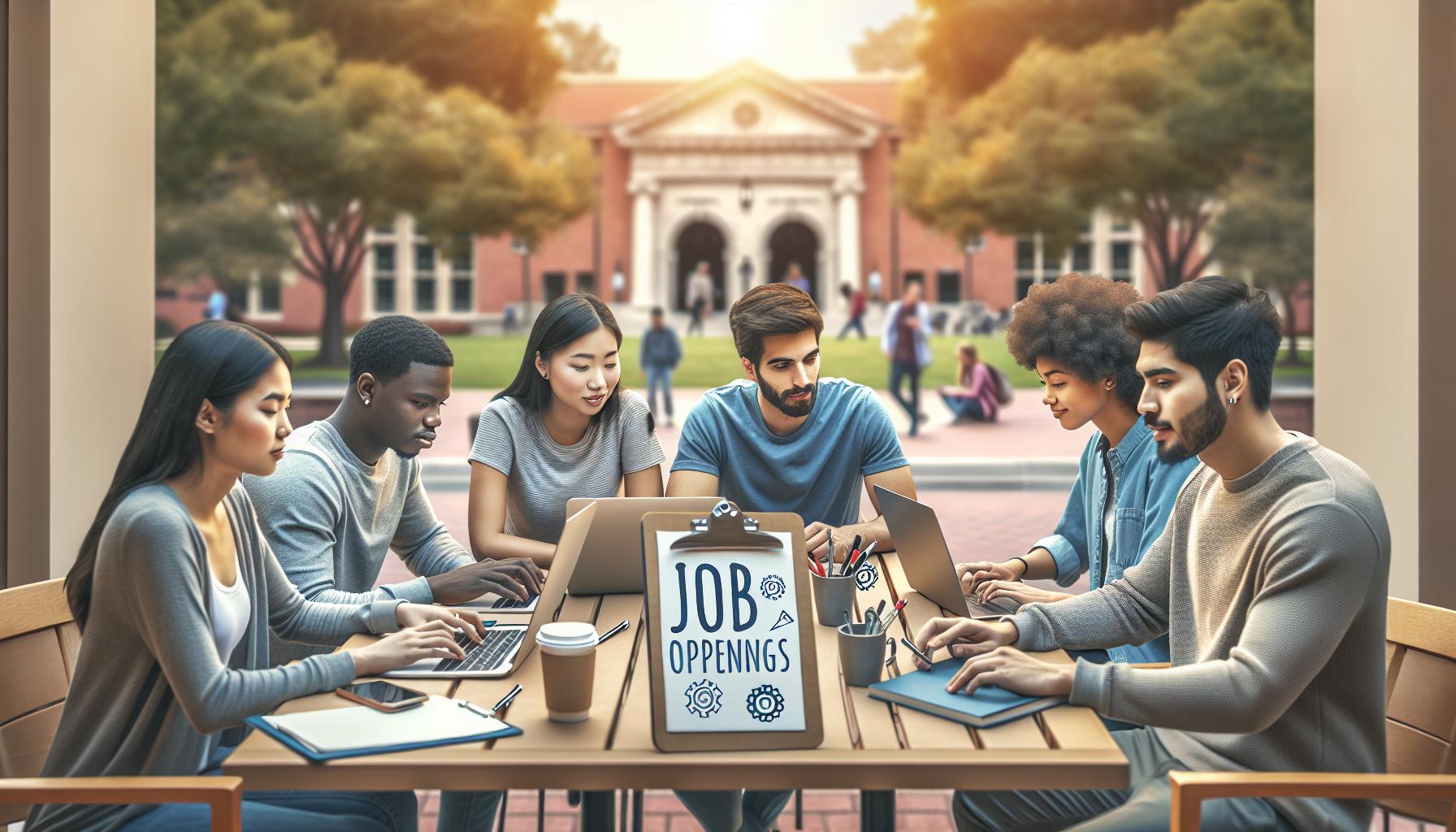
Exploring Part-Time Job Opportunities for Students
In the pursuit of a rewarding career, arts students have a wealth of part-time job opportunities that not only provide financial support but also enrich their professional experiences. Engaging in part-time work can help students develop essential skills, make valuable connections, and enhance their resumes-all while earning competitive hourly rates. In fact, many part-time positions can pay $30 or more per hour, especially in industries such as graphic design, marketing, and media.
Potential Part-Time Opportunities
Exploring part-time roles that align with students’ artistic passions is crucial for success. Here are a few avenues worth considering:
- Freelance Work: Many arts students can find lucrative freelance opportunities across various platforms like Upwork or Fiverr. Whether it’s graphic design, photography, or social media content creation, the flexibility of freelance gigs allows students to manage their workloads around academic commitments.
- Internships: Securing a part-time internship in fields such as advertising, public relations, or arts management can provide invaluable hands-on experience. Companies often pay competitive rates for interns who can bring fresh ideas and creativity to their teams.
- Teaching or Tutoring: Arts students with expertise in specific mediums can offer tutoring sessions or teach workshops. Not only does this help reinforce their own knowledge, but it also allows them to earn a solid hourly wage.
- Event Assistance: Working at local art galleries, theaters, or music venues can yield both income and exposure to the creative industry. Roles can range from event promotion to logistical support during events, offering networking opportunities and industry insights.
Tips for Grabbing Part-Time Positions
When searching for part-time work, it’s essential for students to approach the job market strategically. Here’s how to stand out:
- Build a Strong Portfolio: Showcase your skills in a visually appealing format. A well-organized portfolio can be a deciding factor in securing an interview or freelance contracts.
- Network Actively: Attend workshops, local art shows, and industry meetups. Building a network can open doors to job referrals and collaborative projects that enhance your profile.
- Tailor Your Applications: Customize your resume and cover letter for each application. Highlight relevant skills and experiences, ensuring that potential employers see your value.
- Balance Time Wisely: Striking a balance between academic responsibilities and work is vital. Consider jobs that offer flexible hours and don’t demand excessive commitment, allowing you to prioritize your studies while gaining practical experience.
Embracing these part-time roles can be transformative for arts students, providing essential skills and connections that can lead to high-paying positions in the future. Staying proactive and open to learning will pave the way for a fruitful career in the arts.
Freelance Work: A Flexible Option for Arts Majors
Freelancing offers an exciting avenue for arts students seeking to maximize their earning potential while maintaining flexibility in their schedules. With the ability to set their hours and choose projects that align with their skills and interests, students can often command rates of $30 per hour or more in disciplines like graphic design, digital marketing, writing, and photography. This independence allows for a tailored approach to career building, one that complements both academic pursuits and personal growth.
To embark on a freelancing journey, students should start by creating a strong online presence. Platforms like Upwork, Fiverr, and Freelancer are excellent for showcasing portfolios. A compelling portfolio demonstrates expertise and helps attract potential clients. Students should include a variety of work samples that highlight their best skills, while also making use of professional networking sites like LinkedIn to connect with industry professionals and potential clients. Sharing content relevant to their field can also establish credibility as a knowledgeable freelancer.
Another key component to thriving in the freelance realm is mastering the business side of freelancing. This includes understanding client expectations, managing timelines, and setting clear payment terms. Freelancers should also consider creating contracts to protect their work and ensure clear communication with clients. Building a reputation for reliability and quality can lead to repeat business and referrals, crucial elements for sustainable income in the freelance market.
Balancing freelance work with academic responsibilities requires discipline but can yield immense benefits. Students should prioritize tasks and set achievable goals, allowing them to maintain their grades while gaining practical experience. Embracing the freelance lifestyle not only provides income but also invaluable networking opportunities-connections made through freelance projects can lead to future internships or job offers, ultimately paving the way for a successful career in the arts.
Internships: Key to Unlocking Career Potential
Internships serve as a vital bridge between an academic environment and the professional world, offering students hands-on experience that can significantly enhance their career prospects in the arts. Engaging in internships not only strengthens your resume but also provides you with invaluable insights into the industry, fostering relationships that can lead to lucrative job offers post-graduation. Many arts-related fields, such as graphic design, marketing, and media production, often seek interns who are eager to learn and contribute, which can translate into hourly wages of $30 or more in certain capacities.
To maximize your internship experience, it’s crucial to approach the application process strategically. Here are some tips to ensure you’re on the right track:
- Research Opportunities: Look into companies or organizations that align with your career interests. Use platforms like LinkedIn and industry-specific job boards to find internships that match your ambitions.
- Tailor Your Resume: Highlight relevant skills and experiences, tailoring your resume specifically for each application to reflect what the internship demands.
- Craft a Compelling Cover Letter: Use your cover letter to express your passion for the field and explain how the internship fits into your career goals.
- Prepare for Interviews: Practice common interview questions and be ready to discuss how your academic experience has prepared you for the internship role.
Success in securing an internship is just the beginning. During your time in the position, focus on making a lasting impression. Proactively seek feedback, ask thoughtful questions, and embrace every task, no matter how small. Building rapport with colleagues can lead to mentorship opportunities and expand your professional network. Furthermore, documenting your accomplishments during the internship will be invaluable when you update your resume or LinkedIn later.
Internships also provide a conducive environment for learning high-demand skills that can set you apart from other candidates. For instance, if you’re looking into digital marketing, familiarize yourself with tools like Google Analytics or social media management software while on the job. These are skills that employers actively seek, and having them under your belt could be the difference between landing that sought-after high-paying position and missing out.
Overall, internships can be a transformative experience for arts students, offering both practical knowledge and critical networking opportunities that pave the way to future employment success. By approaching internships with the right mindset and preparation, you’ll have the tools necessary to navigate the competitive arts landscape effectively.
Crafting the Perfect Resume for Arts Students
Crafting a standout resume is your ticket to securing those coveted $30/hour positions in the arts sector. A well-structured résumé not only showcases your skills but also reflects your creativity-a crucial aspect in fields such as graphic design, marketing, and media production. Remember, employers are often inundated with applications, so it’s essential to make yours memorable and relevant.
Begin by carefully selecting a format that highlights your strengths. Consider a clean, modern layout that emphasizes your experience and skills. Use bold headers and bullet points to create a readable, visually appealing document. Structure your resume in the following way:
- Contact Information: Clearly state your name, email, phone number, and LinkedIn profile at the top of your resume.
- Objective Statement: Craft a concise statement tailored to the specific position you are applying for, expressing your career goals and what you can bring to the role.
- Education: List your degree(s), major(s), and graduation date(s). Include relevant coursework or projects that align with the job.
- Experience: Highlight internships, freelance projects, and relevant jobs. Use action verbs to describe your contributions and achievements, focusing on quantifiable results when possible.
- Skills: Include both hard and soft skills relevant to the position. For example, proficiency in design software or your ability to work collaboratively in teams.
When drafting your experience section, employ the STAR method-Situation, Task, Action, Result. This structured approach helps you narrate your achievements compellingly and ensures you succinctly convey the impact of your work. For example, instead of simply stating “Assisted in a marketing campaign,” enhance it to “Developed social media content for a marketing campaign, achieving a 30% increase in engagement within two weeks.”
Lastly, make sure to proofread your resume meticulously. Spelling and grammatical errors can undermine your attention to detail and professionalism. Tailor your résumé for each job application to ensure it resonates with the specific organization and role, demonstrating your enthusiasm and commitment.
By investing time in crafting a polished resume, you’re not just listing experiences-you’re building a narrative of your professional journey that captures attention and sets you apart in the competitive arts job market.
Interview Strategies to Land High Paying Jobs
To secure a high-paying position in the arts, effective interview strategies are crucial. Many candidates possess the necessary skills and experience, but it’s the way they present themselves that can make all the difference. First and foremost, preparation is key. Research the company thoroughly-understand their mission, recent projects, and the challenges they face. This knowledge not only enhances your confidence but also allows you to align your responses to their specific needs.
Demonstrating your passion for the arts can set you apart. Rather than the traditional “tell me about yourself” approach, frame your story around your journey into the arts and what motivates you creatively. Use this opportunity to weave in relevant experiences and skills that showcase how you would contribute to the organization, highlighting specific projects or achievements that relate directly to the job description.
During the interview, utilize the STAR method (Situation, Task, Action, Result) to articulate your experiences effectively. By methodically breaking down your previous roles and their outcomes, you convey analytical thinking and problem-solving skills, which are highly valued in creative settings. For example, if discussing a project, frame it as “In my role as a graphic designer, I was tasked with rebranding a local business. I designed new materials that not only increased engagement by 40% but also earned the business a design award.” This approach not only shows what you did but also quantifies the impact of your work.
Finally, don’t underestimate the importance of follow-up. Sending a personalized thank-you email can reinforce your interest and keep you front of mind. In this note, reflect briefly on a topic you discussed during the interview to create a personal connection. This small gesture can leave a lasting impression, encouraging the interviewer to see you as a proactive, engaged, and thoughtful candidate. By employing these strategies, you can effectively position yourself to land that high-paying arts job and pave the way for future success in your career.
Balancing Work and Academics: Tips for Success
Finding the right balance between work and academics can be a challenging yet rewarding endeavor for arts students aiming for high-paying jobs that promise an earning potential of $30/hour or more. Effective time management is pivotal in ensuring that academic commitments do not suffer while still gaining invaluable work experience. Here are some strategies to help you navigate this delicate balance successfully.
First, establish a clear weekly schedule that outlines your classes, study sessions, and work shifts. Use tools like digital calendars or planner apps to allocate specific time slots for each task, ensuring you remain organized and can visualize your commitments. For instance, you might set aside mornings for classes, afternoons for part-time work, and evenings for study or freelance projects. This structured approach helps prevent last-minute cramming and overlapping responsibilities.
Embrace the concept of flexible job opportunities that complement your academic schedule. Part-time roles such as graphic design, marketing assistant, or even tutoring can be tailored around your school commitments. Many arts-related jobs, especially in creative fields, allow for remote or freelance work, enabling you to take on projects as time permits. Look for internships that not only bolster your resume but also offer school credits; this dual benefit can significantly enhance your career profile while managing your workload.
Moreover, leverage your campus resources. Many universities offer career services that provide guidance on internships and part-time job placements relevant to your field. Attend networking events and workshops to meet industry professionals and gain insights into real-world applications of your studies. These interactions can often lead to internship opportunities that fit well within your academic schedule and may even lead to lucrative positions post-graduation.
Finally, maintain a healthy work-life balance by prioritizing self-care. It’s crucial to carve out downtime for relaxation, socializing, and pursuing hobbies unrelated to work or school. Regular exercise, adequate sleep, and mindfulness practices can significantly enhance your productivity and mental well-being, helping you to remain focused when juggling various responsibilities. Remember, a well-rounded approach will not only enrich your college experience but also prepare you for a successful career in the arts.
Networking: Building Connections in Creative Fields
In the competitive landscape of creative fields, networking can often be the key that unlocks high-paying job opportunities for arts students. Engaging with industry professionals and peers not only provides valuable insights but also opens doors to internships, freelance gigs, and full-time positions that can meet or exceed that attractive $30/hour threshold. Emphasizing the importance of building and nurturing these connections can significantly impact your career trajectory.
One effective way to begin networking is by taking advantage of university resources. Many academic institutions host networking events, workshops, and career fairs specifically designed to connect students with potential employers and mentors in the arts. You can also join relevant clubs and organizations that cater to your field of study. These gatherings often create an informal atmosphere where students can converse with alumni and industry veterans, gaining not just career advice but also introductions to their professional circles.
Once you’ve made initial contacts, it’s essential to maintain and grow these relationships through consistent communication and engagement. Follow up after events with personalized messages that express gratitude for their insights or advice shared. Consider sharing updates on your work or projects you’re passionate about; this keeps you on their radar and demonstrates your commitment to your craft. Utilize platforms like LinkedIn to further solidify your virtual presence. Creating a detailed profile showcasing your skills, experiences, and accomplishments can attract opportunities while presenting a professional identify to the creative community.
Participating in online forums, social media groups dedicated to your field, or platforms like Behance or Dribbble for designers can also enhance your networking efforts. Engaging in discussions, sharing your work, and providing feedback on others’ projects can position you as an active member of the community. Remember, every connection made is a step towards enriching your knowledge and potentially leading to lucrative job prospects. So, seize every opportunity to meet new people, share your passion, and showcase your creativity-the result may very well be the job of your dreams.
Industry Insights: High Demand Skills for Arts Graduates
In today’s rapidly evolving job market, arts graduates equipped with high-demand skills are well-positioned for lucrative careers. Understanding these essential competencies can not only enhance employability but also help secure positions that often pay $30/hour or more. Some of the most sought-after skills include proficiency in digital media, strong communication abilities, and creative problem-solving. As industries increasingly integrate technology into their operations, familiarity with graphic design software, video editing tools, and social media platforms becomes invaluable.
Key Skills to Focus On
- Digital Proficiency: Knowledge of design software like Adobe Creative Suite, as well as content management systems, can set candidates apart.
- Marketing Acumen: Understanding digital marketing trends and analytics is crucial, especially for roles in advertising and market research.
- Excellent Communication: Both verbal and written communication skills are essential in effectively conveying ideas and collaborating within teams.
- Creative Thinking: The ability to innovate and approach problems from unique angles is highly valued in any creative role.
Additionally, strategic networking skills allow arts graduates to connect with industry professionals, opening doors to internships and job opportunities. Engaging in industry events, workshops, and online communities not only enhances visibility but also provides deeper insights into market demands. For example, graduates who actively participate in platforms like Behance or ArtStation can showcase their portfolios and gain feedback from established professionals, thus refining their craft while building their brand.
By honing these skills and actively networking, arts students can find themselves in a strong position to pursue high-paying jobs as they transition from academic environments into the workforce. Balancing skill development with academic responsibilities is vital; thus, adopting time management techniques and utilizing university resources can significantly contribute to both academic success and career readiness.
Success Stories: Arts Students Who Found Their Path
In the diverse world of arts and creativity, numerous students have forged successful paths that not only align with their passions but also lead to lucrative careers paying $30/hour or more. These inspiring journeys highlight the range of opportunities available when talent meets determination and strategic planning. For instance, a graphic design major, Sarah, began her journey by taking on freelance projects while still in school. By utilizing platforms like Upwork and leveraging her skills in Adobe Creative Suite, she quickly built a strong portfolio that attracted clients looking for design work. Today, Sarah averages $40/hour as a sought-after freelance designer, having collaborated with multiple brands on exciting campaigns.
Similarly, Mark, a theater arts student, capitalized on his skills by pursuing acting workshops and participating in local theater productions. He dedicated time to networking within community groups and social media platforms dedicated to actors. After several auditions, he landed a role in an independent film, which not only paid $30/hour but also opened doors to further opportunities in the film industry. His proactive approach to building connections and continuously improving his craft has significantly elevated his career prospects.
Another notable success story is Vanessa, a communications major who combined her passion for art with marketing. She secured an internship at a marketing agency, where she learned to create visually compelling content. This experience equipped her with invaluable skills in digital marketing, allowing her to transition into a full-time role after graduation with a starting salary of $32/hour. Vanessa’s journey exemplifies the importance of internships in gaining practical experience and making industry connections.
Navigating the competitive landscape can be challenging, but by following examples set by these successful arts graduates, current students can craft their own paths. Emphasizing active engagement in networking opportunities, internships, and freelance work can help arts students not only balance their academic life but also discover rewarding careers that offer financial stability and personal fulfillment. As these stories illustrate, the right mix of skills, passion, and strategic actions can lead to remarkable outcomes in the arts.
Future Trends: Emerging Careers for Arts Graduates
The landscape of career opportunities for arts graduates is rapidly evolving, fueled by advancements in technology and shifts in consumer preferences. As creative industries continue to expand, certain roles are emerging as highly sought after-and many of them offer hourly wages of $30 or more. By understanding these trends, arts students can position themselves strategically in a competitive job market while pursuing their passions.
One of the most promising areas for arts graduates is in digital content creation, particularly within social media and online marketing. Brands are increasingly relying on visual storytelling to engage their audiences, leading to a spike in demand for graphic designers, video editors, and social media strategists. Freelance opportunities abound, allowing students to work on diverse projects while still in school. For instance, students can build their portfolios on platforms like Instagram and Behance, showcasing their creative work to attract potential clients.
Another emerging career path lies in UX (user experience) design-a field that beautifully merges creativity with technology. As businesses strive to enhance their online platforms, the need for professionals who can design intuitive and aesthetically pleasing user interfaces is skyrocketing. For arts students with a flair for design and a willingness to learn basic coding skills, this could lead to lucrative positions that often exceed the $30/hour mark, particularly after gaining practical experience through internships.
The rise of remote work also opens up new opportunities for flexible employment arrangements. Arts graduates can explore part-time positions that allow them to juggle their academic responsibilities while gaining real-world experience. Fields like freelance writing, graphic design, and virtual consultation are particularly conducive to this model, letting students work at their own pace and hours.
Networking remains a critical element in navigating these emerging careers. Connecting with professionals through industry events, online forums, or social media platforms such as LinkedIn can help students gain insights into the job market and identify potential job openings. Additionally, seeking mentorship from experienced industry professionals can provide valuable guidance and help students refine their career paths.
By staying attuned to these trends and actively seeking out relevant experiences, arts graduates can carve out successful careers that not only satisfy their creative ambitions but also provide the financial stability they desire. As they embrace flexibility, continuous learning, and networking, they set themselves on a promising trajectory in the evolving creative economy.
Frequently Asked Questions
Q: What are the best part-time jobs for arts students that pay $30 an hour?
A: The best part-time jobs for arts students paying $30 an hour include graphic design roles, freelance writing, video editing, and social media management. These positions often allow for flexible scheduling, enabling students to balance academics and work effectively.
Q: How can arts students increase their earning potential?
A: Arts students can increase their earning potential by gaining specialized skills such as digital marketing, coding, or data analysis. Additionally, seeking certifications and building a strong portfolio can attract higher-paying opportunities. Networking through internships or social media platforms can also provide valuable job leads.
Q: What industries hire arts graduates with $30/hour positions?
A: Industries such as technology, advertising, entertainment, and education hire arts graduates for positions that can pay $30 an hour. Roles in UX/UI design, content creation, and educational program development are particularly lucrative for arts students entering the job market.
Q: Are freelance jobs lucrative for arts students?
A: Yes, freelance jobs can be lucrative for arts students. Freelancing in graphic design, writing, or consulting allows students to set their own rates and work on diverse projects, often surpassing $30 an hour with experience and a strong client base.
Q: What skills are in high demand for arts graduates?
A: Skills in high demand for arts graduates include digital design, copywriting, project management, and social media marketing. Proficiency in tools like Adobe Creative Suite, SEO, and analytics can enhance job prospects and hourly rates.
Q: When should arts students start looking for jobs?
A: Arts students should start looking for jobs early in their academic journey-preferably during their sophomore year. Gaining part-time work, internships, or volunteer positions helps build experience and networks vital for securing higher-paying roles after graduation.
Q: How important is networking for arts students seeking high-paying jobs?
A: Networking is crucial for arts students seeking high-paying jobs. Building connections can lead to job opportunities that are not publicly advertised. Attend industry events, join professional organizations, and leverage social media to expand your network effectively.
Q: What resources are available for arts students searching for high-paying jobs?
A: Resources for arts students include university career services, online job boards (like LinkedIn and Indeed), and freelance platforms (such as Upwork and Fiverr). Additionally, workshops on resume writing and interview skills can positively impact job search outcomes. For more detailed strategies, check out sections on crafting resumes and interview tips in our article.
Final Thoughts
As you embark on your journey to secure the highest paying jobs in the arts at $30/hour, remember that flexibility and strategic choices are your allies in balancing work and academics. Stay proactive by exploring part-time opportunities and internships that align with your career goals. Additionally, check out our resources on crafting standout resumes and mastering interview techniques; these tools are critical in setting yourself apart in a competitive job market.
Don’t miss out on valuable insights! Dive deeper into our articles on career development strategies and explore freelance opportunities in the arts. Your next step could lead to a rewarding position that fuels your passion while supporting your financial goals. Join our community by subscribing to our newsletter, and together, let’s navigate the path to your dream career. Share your thoughts below and connect with other aspiring artists-your future begins now!