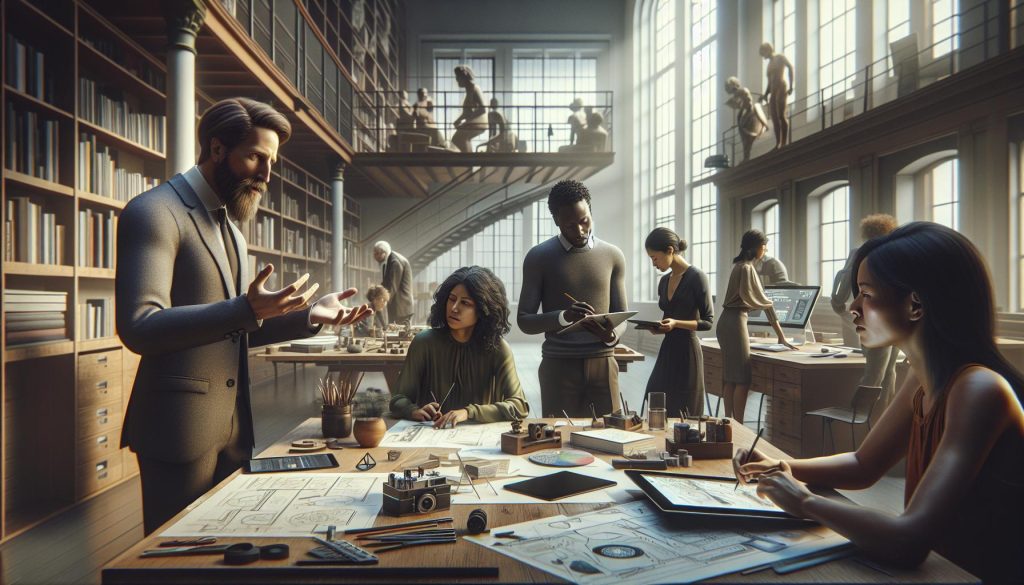
Embarking on a career in the arts offers a rich tapestry of opportunities, from museums to media and design. Recent studies indicate that arts graduates are not only pursuing passion but also filling vital roles in the creative economy, driving innovation and cultural enrichment. As an art student, you might find yourself grappling with concerns about balancing academic commitments with practical work experience. This guide aims to illuminate the diverse career paths available to you, whether through part-time jobs, internships, or freelance opportunities. We’ll provide practical steps for job applications, resume writing, and interview preparation, all while emphasizing the importance of maintaining a healthy work-life balance. By exploring these avenues, you can turn your artistic passion into a fulfilling career, paving the way for personal and professional growth in a competitive field. Let’s dive in and unlock the potential that lies ahead for you!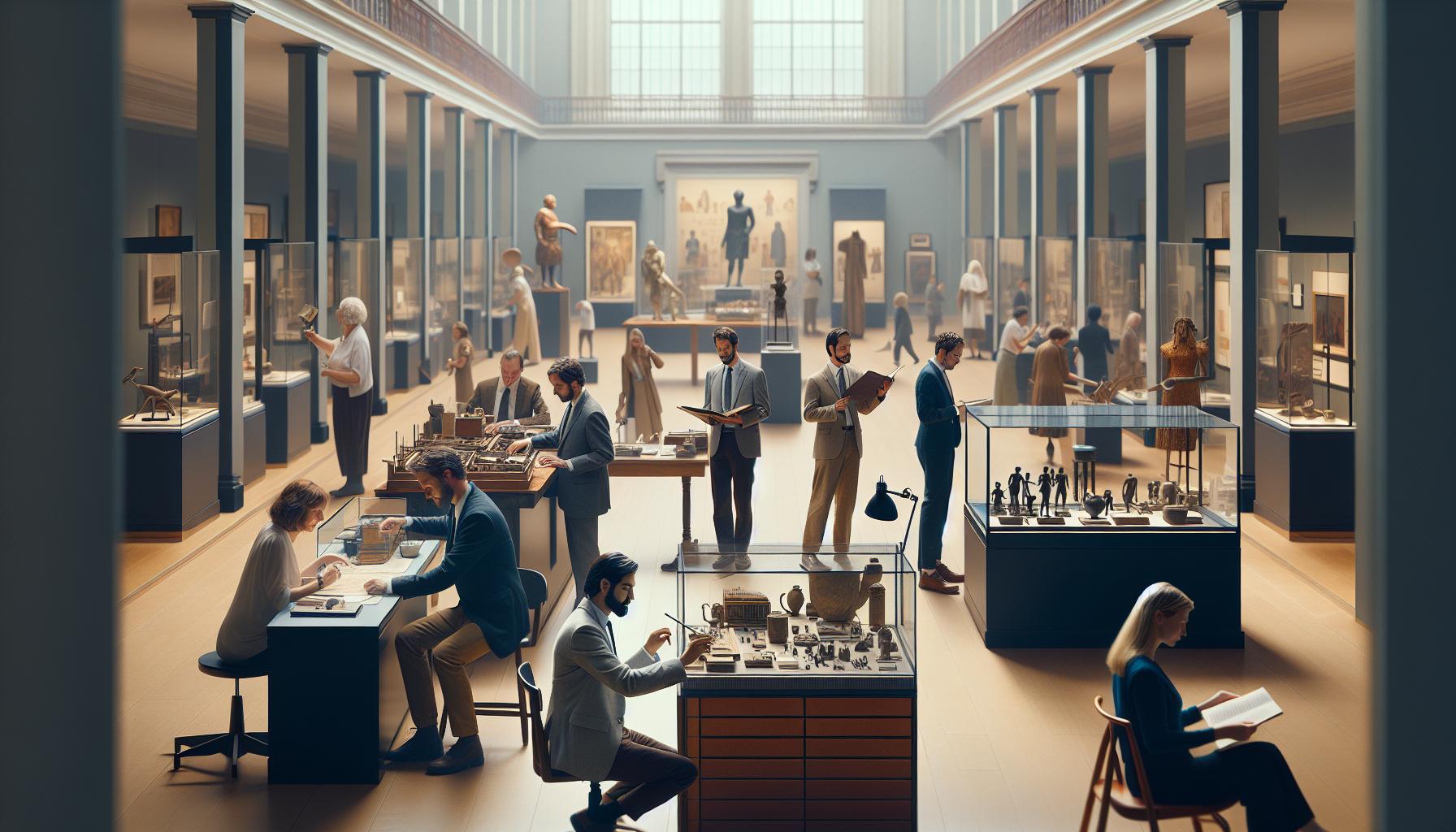
Career Opportunities for Arts Graduates
Many arts graduates find themselves at a crossroads as they enter the job market, filled with passion for their craft yet uncertain about the various career paths available to them. The arts industry encompasses a diverse range of roles across museums, media, and design, offering countless opportunities for creative minds to thrive. From curators in art institutions to graphic designers and multimedia artists, the landscape is rich with potential. Understanding these opportunities is essential for making informed decisions about their career trajectories.
Exploring Diverse Roles
Arts graduates can explore numerous roles that align with their skills and interests. In the museum sector, positions such as curators, educators, and conservators allow individuals to engage with art and history, enhancing visitor experiences through exhibits and educational programs. In media, job options range from film and television production roles to graphic design and content creation, which are vital for storytelling and brand development. Additionally, the design field offers paths in areas like product design, user experience (UX) design, and interactive media, each requiring a unique set of skills and creative perspectives.
Key Strategies for Career Development
To successfully navigate the journey toward their chosen career, arts graduates should consider the following strategies:
- Internships: Securing internships is crucial for gaining real-world experience, developing a professional network, and enhancing one’s resume. Programs like those offered by Americans for the Arts provide valuable exposure to the sector and advocate for the arts in communities.
- Freelancing: Taking on freelance projects allows students to build a portfolio, develop new skills, and manage their own schedules. Platforms that connect freelancers with clients can be instrumental in getting started.
- Networking: Building connections within the industry is vital. Attend art exhibitions, workshops, and seminars to meet professionals, and utilize social media tools like LinkedIn to maintain and expand your network.
By proactively seeking opportunities and leveraging their unique strengths, arts graduates can cultivate fulfilling careers that allow them to express their creativity while contributing meaningfully to society.
Exploring Museum Careers: Roles and Paths
The museum sector is a treasure trove of career opportunities for arts graduates, offering a wide array of roles that blend passion for art with meaningful work. From curators who shape the narrative of exhibitions to educators who inspire future generations, each position plays a vital part in enriching cultural environments and making art accessible to all. The diverse paths available allow for specialization in various areas such as exhibition design, restoration, or community outreach, ensuring that there is a fitting role for anyone with a love for the arts.
In museums, curators are often responsible for acquiring, preserving, and interpreting collections, requiring a deep knowledge of art history and collection management. Meanwhile, conservators focus on the preservation of artworks and artifacts, utilizing science and artistry to maintain their integrity. Museum educators, on the other hand, engage with the public, creating educational programs and resources that enhance visitors’ experiences and deepen their understanding of the exhibits. Aspiring professionals should consider internships or volunteer positions in local museums to gain practical experience and insight into these roles, allowing them to build connections while enhancing their resumes.
For those interested in front-line roles, visitor services and administrative positions are also available, providing essential support in maintaining operations. These roles often offer flexible schedules ideal for students, making it easier to balance work and academic commitments. Networking is crucial for aspiring museum professionals; participating in art openings, conferences, and local art fairs allows students to meet industry insiders and learn about job openings.
In summary, the museum field provides rich, fulfilling career paths steeped in creativity and cultural impact. By proactively seeking relevant experiences and building a professional network, arts graduates can confidently navigate their entry into this vibrant sector, ready to contribute to the world of art and education while achieving personal career goals.
Diving Into Media Jobs: Key Opportunities
In the dynamic realm of media, arts graduates have a plethora of exciting job opportunities that blend creativity, technology, and storytelling. From digital content creation to film production, the media industry is constantly evolving, demanding innovative talents who can think outside the box. Whether your interests lie in visual storytelling, audio production, or journalism, this field provides ample pathways for those who are passionate about sharing narratives and engaging audiences.
Exploring Career Paths in Media
Media jobs cover a diverse range of roles, offering opportunities for specialization in the following areas:
- Content Creation: Producing digital content for platforms like YouTube, TikTok, or blogs allows you to express creativity while honing your communication skills. Many companies seek content creators who can engage audiences and maintain brand voice.
- Journalism: Reporting, editing, and producing news stories dovetail critical thinking with narrative construction. Aspiring journalists can start by contributing to campus newspapers or internships at local media outlets.
- Film and Video Production: Roles such as director, cinematographer, and editor are vital for bringing stories to life. Gaining hands-on experience through film projects, university productions, or internships can build essential skills and networks.
- Digital Marketing: This is a growing field where arts graduates can apply their creativity to crafting campaigns and strategies to engage online audiences, involving roles in social media management, SEO content creation, and analytics.
Gaining Experience and Building Your Portfolio
To stand out in the competitive media landscape, practical experience is key. Students are encouraged to pursue internships or part-time jobs tailored to their interests. Consider these avenues for gaining experience:
- Internships: Apply for summer internships at media companies, production houses, or marketing agencies. These experiences can be invaluable for understanding industry dynamics and building a professional network.
- Freelancing: Take advantage of freelance platforms to find short-term projects that align with your skills. This not only builds your portfolio but also allows flexibility to balance academic commitments.
- Campus Media Organizations: Join student-run media groups or departments. Whether it’s working on films, podcasts, or newsletters, these organizations offer a fantastic way to gain practical skills while collaborating with peers.
Preparing for the Job Market
When ready to enter the job market, it’s crucial to present yourself effectively. Here are some actionable steps to prepare:
- Crafting a Strong Resume: Highlight your relevant experiences, skills, and projects. Tailor your resume for each application to reflect what you can uniquely offer to the potential employer.
- Portfolio Development: Create an engaging portfolio that showcases your best work, whether it’s articles, video content, or design projects. This portfolio is often the best representation of your skills and creativity.
- Interview Preparation: Conduct mock interviews with peers or mentors to practice articulating your experiences and showcasing your passion for the industry. Researching common interview questions in media can also help you feel more confident.
Embracing Work-Life Balance
Juggling studies and work can be challenging but also rewarding. Implementing effective time management strategies is critical:
- Set Realistic Goals: Break down projects into achievable milestones to avoid feeling overwhelmed.
- Prioritize Tasks: Use tools like calendars or task management apps to keep track of deadlines and responsibilities, ensuring you maintain a focus on both your academic and job commitments.
- Utilize Support Systems: Don’t hesitate to lean on classmates, family, and mentors for assistance or advice when managing your workload.
With the right approach, arts graduates can thrive in media careers, balancing work and academic pursuits while contributing effectively to their communities and industries. Embrace your unique vision and creativity in every endeavor, and you’ll find the opportunities to make your mark in the media landscape are abundant and fulfilling.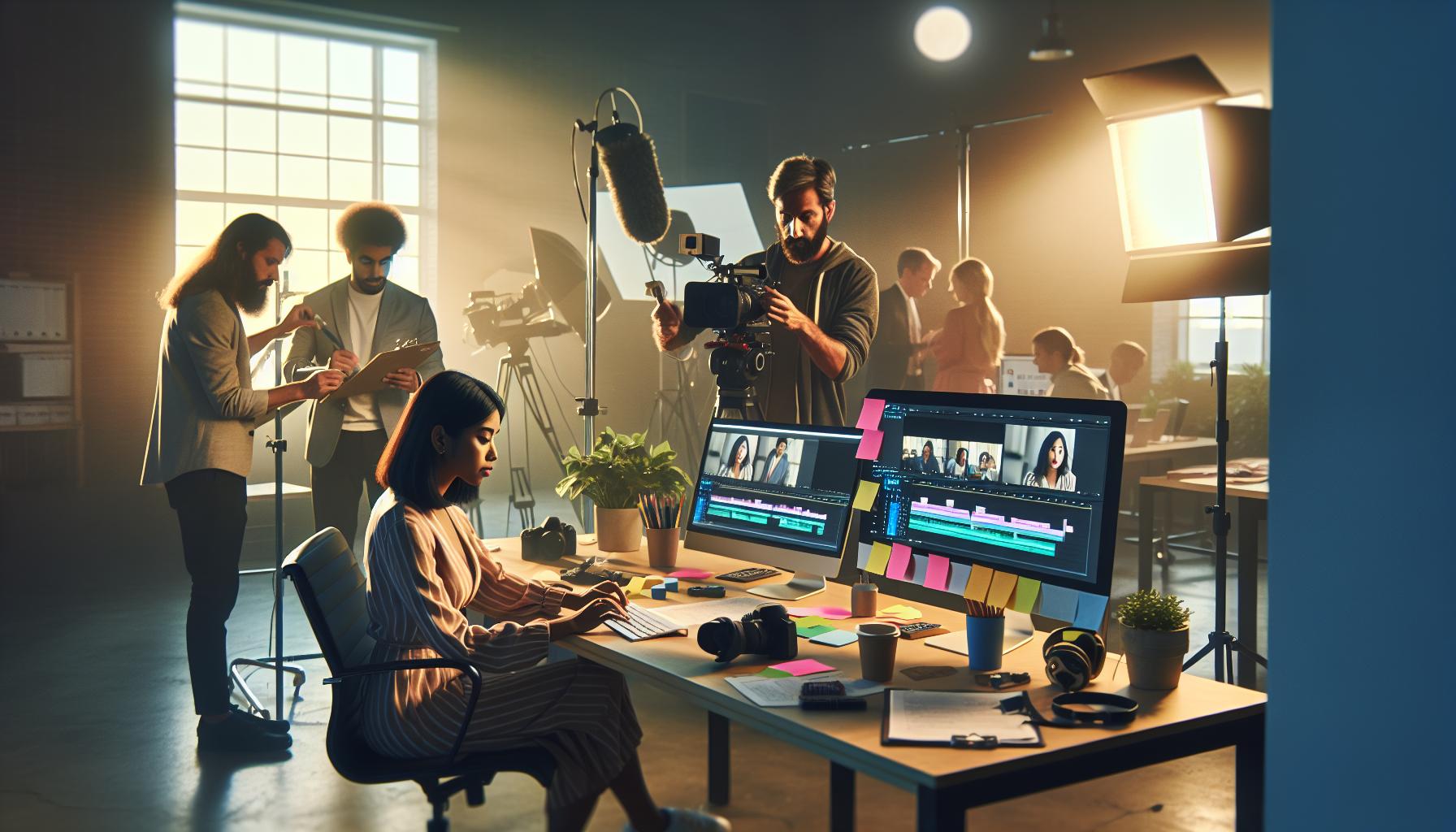
Design Career Paths: From Graphic to User Experience
In the vibrant field of design, arts graduates have the opportunity to explore a multitude of rewarding career paths that combine creativity with functionality. Whether you are drawn to graphic design, user experience (UX) design, or product design, each area offers the chance to impact how users interact with the visual and physical world. The demand for skilled designers is ever-growing, making it an exciting time for launching a career in this diverse sector.
Graphic design is often the first entry point for many aspiring designers. This path allows individuals to create visual content for a variety of mediums, including print, digital, and advertising. You can start by building a strong portfolio that showcases your skills in typography, layout, and branding. Online platforms such as Behance or Dribbble are excellent for displaying your work and connecting with potential employers. Many companies also offer internships that provide hands-on experience and the chance to network within the industry.
Moving toward the field of user experience design, this career emphasizes creating meaningful and user-friendly digital interfaces. As a UX designer, you will engage in user research, wireframing, and prototyping to ensure products not only look good but are also intuitive to use. Gaining experience through internships, freelance projects, or even volunteering to redesign websites for local nonprofits can significantly enhance your practical skills in this area. Many organizations value practical experience over formal qualifications, so take every opportunity to apply your knowledge in real-world settings.
Product design involves a more hands-on approach, where designers conceptualize and create physical products, balancing aesthetics with functionality. Graduates in this field often engage in internships that offer training in 3D modeling and prototyping. Participating in design competitions or design challenges can also serve as an excellent way to gain visibility and credibility within the industry while working on compelling projects that demonstrate your innovative capabilities.
Establishing a strong professional presence is critical regardless of the design path you choose. Craft a compelling resume that highlights your design skills, relevant experience, and specific projects that reflect your best work. Pair your resume with an engaging portfolio, and always tailor your materials to the job you’re applying for. When preparing for interviews, practice articulating your design process and how your experiences contribute to solving users’ problems. Focus on showcasing your passion for design and your enthusiasm for contributing to the company’s goals.
Lastly, managing your time effectively is an essential skill for balancing work and academic commitments. Embrace flexible work opportunities such as freelance gigs or part-time design jobs that allow you to maintain academic excellence while gaining practical experience. Utilize project management tools to track deadlines and prioritize tasks. Remember, staying organized and setting aside time for both study and work is key to navigating the challenges of a design education while preparing for a thriving career. With dedication and strategic planning, arts graduates can excel in the dynamic world of design and carve out their niche in this exciting field.
Building a Portfolio that Stands Out
Building a standout portfolio is crucial for arts students as it serves as your artistic resume, showcasing your skills, creativity, and unique perspective to potential employers. An effective portfolio not only displays your completed works but also tells the story of your evolution as an artist or designer. To create a compelling portfolio that sets you apart in fields such as museum curation, media, and design, consider these key strategies.
First, curate your best work by selecting pieces that highlight your strengths and versatility. Aim for a balanced mix of projects, including personal, academic, and freelance work. When presenting each piece, include a description that outlines your role, the tools used, and the inspiration behind the project-this context adds depth and demonstrates your thought process. Leverage digital platforms like Behance, Adobe Portfolio, or your personal website to make your work easily accessible. These platforms not only increase visibility but offer tools for organizing and displaying your work in a professional manner.
To further refine your portfolio, seek feedback from peers, mentors, or industry professionals. Use their insights to adjust your presentation, ensuring clarity and coherence across different projects. Remember, your portfolio is not static; keep it evolving by regularly adding new work and removing pieces that no longer reflect your current skill level or artistic vision. An up-to-date portfolio signals to employers that you are engaged and continuously developing your craft.
In addition to showcasing your artistic skills, be sure to integrate elements that reflect your personal brand. This could include a consistent design aesthetic, a unique project layout, or the use of specific colors and typography that resonate with your style. Consider adding a personal statement or a collection of testimonials that speak to your work ethic and contributions to previous projects. This humanizes your portfolio and gives potential employers insights into what it would be like to work with you.
Lastly, remember that while a great portfolio is essential, networking and relationships in the arts community are equally important. Attend workshops, exhibitions, or networking events related to your fields of interest. Engage with your peers online and in-person to build connections that could lead to job opportunities or collaborations. Your portfolio is your key to opening doors, but it’s your interpersonal skills and professional relationships that will often help you walk through them. Stay dedicated, be open to learning, and let your passion for art shine through every aspect of your portfolio.
Internships: Gaining Experience While Studying
In today’s competitive job market, securing an internship can be a game-changer for arts students, providing them with invaluable hands-on experience while studying. Internships not only enhance your resume but also help you build a network of professional contacts that can be crucial when launching your career in museums, media, or design. Engaging in internships allows you to apply your classroom knowledge to real-world situations, deepening your understanding of the industry and honing your skills in a practical environment.
Start by identifying internships that align with your career goals. Utilize your school’s career services, attend job fairs, and explore online platforms such as LinkedIn, Glassdoor, and specialized arts job boards. When you find roles that pique your interest, carefully tailor your application materials, including your resume and cover letter, to reflect how your skills and studies make you a suitable candidate. Highlight relevant coursework, projects, or experiences that showcase your passion and commitment to your chosen field.
Once you land an internship, embrace the opportunity to learn as much as possible, even if the tasks seem mundane at times. Ask questions, seek feedback, and engage with mentors in your workplace. Their insights can provide a clearer picture of the industry and guide you as you navigate the landscape of your desired career path. Additionally, maintain a positive attitude and professionalism, as your reputation can lead to future job offers or recommendations.
After your internship concludes, take the initiative to connect with your colleagues and supervisors on LinkedIn and keep in touch. Update them on your academic and professional progress, showing that you value the relationship beyond just the internship period. Remember, internships are about gaining experience, networking, and developing a professional identity, so view each project as a stepping stone toward your future career in the arts. This proactive approach will empower you to balance your academic responsibilities with career development, laying a solid foundation for your professional journey.
Freelancing as an Arts Student: Tips and Tricks
Freelancing can be a rewarding and flexible way for arts students to gain experience, build a portfolio, and earn money while still managing academic responsibilities. One of the most significant advantages of freelancing is that it allows you to showcase your creativity and skills in a real-world context, often leading to opportunities that can enhance your resume or even lead to full-time job offers down the line. Engaging in freelance work not only hones your craft but also teaches you essential skills like client management, project bidding, and time management-vital components of a successful arts career.
To get started, leverage online platforms such as Upwork, Fiverr, or Freelancer to find gigs that match your skills. Create a compelling profile that highlights your strengths and showcases your best work. Consider the following tips to make your freelancing experience as successful as possible:
- Define Your Niche: Focus on specific areas where you feel most passionate and skilled, whether it’s graphic design, illustration, or content creation. A well-defined niche helps attract clients looking for those specific talents.
- Create a Portfolio: Use platforms like Behance or your personal website to display your work. A visually appealing and diverse portfolio can significantly impact potential clients’ decisions.
- Set Realistic Rates: Research industry standards in your niche and set competitive rates. Consider starting with lower rates to build your clientele and gather testimonials, then raise your rates as you gain more experience and demand.
- Manage Your Time: Balance freelancing with academic studies by using calendars and project management tools to keep track of deadlines and commitments.
As you begin freelancing, remember that communication is key. Be clear and prompt in your interactions with clients, ensuring that you understand their needs and expectations fully. Establishing a good rapport can lead to repeat business and referrals, which are invaluable for building a freelance career. Moreover, treat every project as an opportunity to learn; each client, feedback session, or project hurdle will contribute to your growth as an artist and professional.
Incorporating freelancing into your life as an arts student not only enhances your resume but also allows you to develop vital skills necessary for a successful career in the arts. As you navigate this path, celebrate the small wins and continually strive to balance your academic and freelance commitments, making every experience count toward your future success in the creative industry.
Part-Time Jobs for Arts Students: Finding Balance
Finding part-time work as an arts student can be a game-changer, enabling you to merge your academic pursuits with practical experience. With many arts-related jobs offering flexible hours and diverse environments, students can find roles that align with their interests while enhancing their resumes. Whether you’re aiming for careers in museums, media, or design, part-time positions offer a unique opportunity to gain insights into your desired field and build essential skills that will serve you well in the future.
One of the best strategies to secure the right part-time job involves identifying positions that complement your studies. Look for opportunities in settings such as galleries, theaters, or production companies where you can apply your artistic skills in a professional environment. For instance, a graphic design student might work part-time at a local design firm, gaining hands-on experience with real clients. Positions like these not only allow for creativity and expression but also help you cultivate networking connections that could lead to future job opportunities.
When pursuing part-time work, consider using a structured approach to streamline your application process. Start by updating your resume to highlight relevant coursework, skills, and any previous job experience. Tailor each application to the specific role by emphasizing how your skills and background relate to the job description. Prepare for interviews by researching the organization and practicing common interview questions related to your field. Remember, showcasing your passion for the arts and willingness to learn can set you apart from other candidates.
Balancing work and studies can be challenging, but with effective time management, it’s possible to thrive in both areas. Utilize tools like calendars and task lists to create a schedule that prioritizes your academic responsibilities while allowing enough time for your part-time job. Make sure to communicate with your employer about your academic commitments; many companies appreciate students who are forthcoming and responsible about their time management. Finding that balance may require some trial and error, but the experience will enhance your resilience and adaptability-qualities that are invaluable in any arts career.
In summary, seeking part-time work in the arts not only provides financial support but also serves as a vital stepping stone toward your professional career. By strategically selecting jobs that align with your field of study, effectively applying and interviewing, and managing your schedule wisely, you will pave the way for a successful transition from student to professional. With dedication and proactive efforts, the opportunities available to you can be instrumental in shaping your future in the arts.
Networking Strategies for Future Arts Professionals
Building a robust network can be one of the most effective ways to launch a successful career in the arts. In an industry where opportunities often arise through personal connections, developing a diverse professional network can open doors to various roles in museums, media, and design. Whether you’re attending an event, engaging online, or reaching out to established professionals, every interaction counts.
Start by identifying key platforms to enhance your networking efforts:
- Social Media: Utilize platforms like LinkedIn, Instagram, and Twitter to connect with professionals in your field. Follow organizations, join relevant groups, and engage in discussions to build visibility.
- Local Events and Workshops: Attend gallery openings, art fairs, or industry-specific workshops where you can meet fellow students, artists, and professionals. These gatherings are natural settings to start conversations.
- University Networking Events: Many universities host networking events, career fairs, and guest lectures where you can meet alumni and industry leaders eager to share insights and opportunities.
- Online Communities and Forums: Engage in communities such as forums on Reddit, art blogs, or specialized online platforms where creatives congregate to discuss trends, share projects, and seek opportunities.
Once you start making connections, remember that building relationships takes time. Approach networking with a mindset of mutual benefit. Offer assistance or insights when possible, and don’t hesitate to ask questions or for advice; many professionals will appreciate the opportunity to share their experiences. Follow up after initial meetings with a thoughtful message or email, expressing gratitude for their time and possibly referencing something specific from your conversation.
Additionally, consider formalizing these connections through internships or collaborative projects. These experiences can provide insight into the industry while significantly expanding your network. As you gain experience, leverage it to seek mentorship from those who inspire you. A mentor can provide guidance, help you navigate job searches, and introduce you to other professionals in the field.
In the fast-paced and ever-evolving arts landscape, staying proactive in networking ensures that you not only build relationships but also tap into the pulse of the industry. Remember, each connection has the potential to lead to exciting opportunities, enriching your career path as you navigate your journey toward becoming a professional in the arts.
Crafting the Perfect Resume for Arts Careers
Crafting a standout resume is crucial for arts students entering competitive fields like museums, media, and design. Your resume serves as your personal marketing tool, showcasing not only your experiences but also your unique creative abilities. It’s essential to present your skills and achievements in a way that captures the attention of hiring managers in a quick glance. Did you know that a well-structured resume can increase your chances of landing an interview by over 40%?
Start by emphasizing your creative skills and relevant experiences in a layout that reflects your artistic personality. Use clear headings and bullet points to organize information, making it easy to read. Consider the following components when crafting your resume:
Key Components of an Arts Resume
- Contact Information: Place your name, phone number, email address, and portfolio link at the top. Ensure this information is up-to-date and professional.
- Objective Statement: Craft a brief statement that highlights your career goals and what you hope to achieve in the job you are applying for. Tailor this to each position.
- Education: List your degree(s), major(s), and any relevant coursework. If you’ve participated in exhibitions or notable projects during your studies, highlight these here.
- Experience: Present your work history, focusing on internships, part-time jobs, or volunteer work in the arts. Use action verbs to describe your responsibilities and achievements.
- Skills: Include a dedicated section that lists technical skills (e.g., software proficiency) and soft skills relevant to the arts (e.g., collaboration, creativity).
- Portfolio: Since visual appeal is crucial in the arts, consider including a link to your online portfolio to showcase your work, providing potential employers a direct glimpse of your capabilities.
Incorporate elements that reflect your personality and unique style-this could mean using distinctive fonts or colors, but be cautious to keep it professional. Remember, your resume should not exceed one page, especially if you’re just starting out in your career. Prioritize experiences that align most closely with the job you are applying for.
Finally, make sure to proofread your resume multiple times and consider having peers or mentors review it for feedback. A polished, error-free resume showcases your attention to detail-an essential quality in any arts career. Keep in mind that while crafting your resume may seem daunting, it is also a wonderful opportunity to reflect on your journey, fueling your motivation to excel in your career path.
Ace Your Interview: Preparation Tips for Success
When it comes to securing a position in competitive fields like museums, media, and design, strong interview skills can be a game-changer. Did you know that candidates who conduct thorough research beforehand are often perceived as 30% more engaged and enthusiastic? This preparation not only boosts your confidence but also equips you to answer questions thoughtfully. Start by diving deep into the organization you’re applying to-understand their mission, recent projects, and the role you aspire to fill. Use this knowledge to tailor your responses and connect your experiences to the organization’s goals.
Practicing mock interviews with friends or mentors can be incredibly beneficial. During these sessions, focus on common questions specific to arts careers, like “Can you describe a project where you showcased your creativity?” or “How do you handle deadlines when working on multiple projects?” Utilize feedback from these practice sessions to refine your answers, ensuring you convey both your passion and professionalism. Additionally, be prepared to discuss your portfolio in detail. Highlight not just what you’ve created, but also the thought process behind your work, the challenges you faced, and the outcomes achieved.
It’s also important to revisit your own experiences and how they align with the skill set required for the job. Consider preparing a set of questions to ask the interviewer; this shows your interest and provides essential insights into the company culture. Questions like “What does a typical day in this role look like?” or “How does the team measure success?” can help you evaluate whether the position aligns with your career aspirations and values.
Finally, remember the value of follow-up. Sending a thank-you email within 24 hours of your interview not only demonstrates your appreciation but also gives you one last opportunity to reiterate your enthusiasm for the role. Include a specific point from the interview that resonated with you, reinforcing your fit for the position. This personal touch can leave a lasting impression that sets you apart from other candidates.
Work-Life Balance: Managing Job and Studies
Balancing studies with part-time work or internships can be a daunting challenge for arts students. Did you know that students who effectively manage their time often report higher satisfaction levels in both academic performance and job roles? Whether you’re diving into museum roles, media jobs, or design projects, maintaining a healthy work-life balance is crucial. The key is to adopt time management techniques that allow you to excel in both arenas while fostering personal well-being.
Start by clearly outlining your weekly schedule, allocating specific blocks of time for classes, work commitments, and personal activities. Use digital calendars or planner apps to set reminders and highlight deadlines. For instance, designate evenings or weekends for freelance projects or internships but ensure you reserve time for studying and relaxation. This structured approach will help you monitor your workload and prioritize tasks, ultimately reducing stress.
Moreover, consider seeking flexible job opportunities that align with your education. Many arts-related positions, like gallery assistant roles or design internships, offer part-time hours that can be adjusted around your academic responsibilities. When applying for jobs, inquire about work hours upfront, and don’t hesitate to suggest a schedule that works best for your studies. Balancing work with academic responsibilities is not just about time management; it’s also about knowing your limits and recognizing when to say no, whether it’s declining extra hours or postponing non-essential projects during busy academic periods.
Remember that self-care is vital in your journey. Regularly set aside time for activities that rejuvenate you, whether it’s engaging in your artistic pursuits, exercising, or simply relaxing with friends. By prioritizing both your career goals and personal life, you will cultivate a fulfilling experience that supports your overall well-being and career development. Embrace the journey, and know that each step, no matter how small, is a part of your growth in the arts field.
FAQ
Q: What types of internships should arts students pursue?
A: Arts students should seek internships that align with their career goals, such as positions in museums, media companies, or design firms. Focus on those that provide hands-on experience in your field, such as exhibition design, graphic creation, or video production, to build relevant skills and enhance your portfolio.
Q: How can arts students network effectively?
A: Arts students can network by attending industry events, joining relevant online forums, or connecting with alumni through university platforms. Engaging on social media, particularly LinkedIn, can also facilitate valuable connections that might lead to mentorship or job opportunities in museums, media, or design.
Q: What skills are essential for a career in media for arts students?
A: Essential skills for media careers include proficiency in digital editing software, strong written and verbal communication, and a keen understanding of visual storytelling. Additionally, arts students should develop project management and social media skills to enhance their employability in this fast-paced field.
Q: How important is a portfolio for arts graduates?
A: A portfolio is crucial for arts graduates as it showcases their skills, creativity, and unique style to potential employers. It should include a range of work that reflects your capabilities in museums, media, and design. Regularly updating it with new projects will keep it relevant and compelling.
Q: Where can arts students find part-time jobs that support their studies?
A: Arts students can find part-time jobs through university job boards, local art institutions, or online platforms like Handshake and Indeed. Positions in retail, event assistance, or freelance opportunities in design and media can provide flexible schedules while allowing students to gain vital work experience.
Q: What are some trends affecting arts jobs in museums and media?
A: Current trends affecting arts jobs include increased use of technology in exhibitions, the growing demand for multimedia content, and a focus on digital marketing strategies. Staying up-to-date with these trends can help arts students tailor their job applications and skill sets for better opportunities in the field.
Q: When should arts students start preparing their resumes?
A: Arts students should begin preparing their resumes as soon as they start their studies, ideally creating a draft by the end of their first year. This allows them to include academic achievements, relevant internships, and part-time jobs, ensuring they are ready to apply for positions when opportunities arise.
Q: How can students balance work and academics effectively?
A: Students can balance work and academics by prioritizing their time, creating a consistent schedule, and setting realistic goals. Choosing part-time jobs that offer flexibility, such as freelancing or jobs related to their field of study, can also help maintain a healthy work-life balance while progressing in their careers.
Final Thoughts
As we wrap up our exploration of career paths for arts students in museums, media, and design, remember that the key to success lies in leveraging your unique creativity and passion. These fields are brimming with opportunities, from internships and part-time jobs to freelance projects that allow you to gain invaluable experience while balancing your studies. Don’t wait-start applying your newfound insights today!
For deeper guidance, check out our comprehensive resources on resume writing and interview preparation, and explore more about flexible job options in the creative sector. If you have questions or tips of your own, share them in the comments below, and consider joining our newsletter for ongoing support in your career journey. You’re taking the first steps toward a fulfilling career-keep pushing forward and embrace the possibilities that await you!