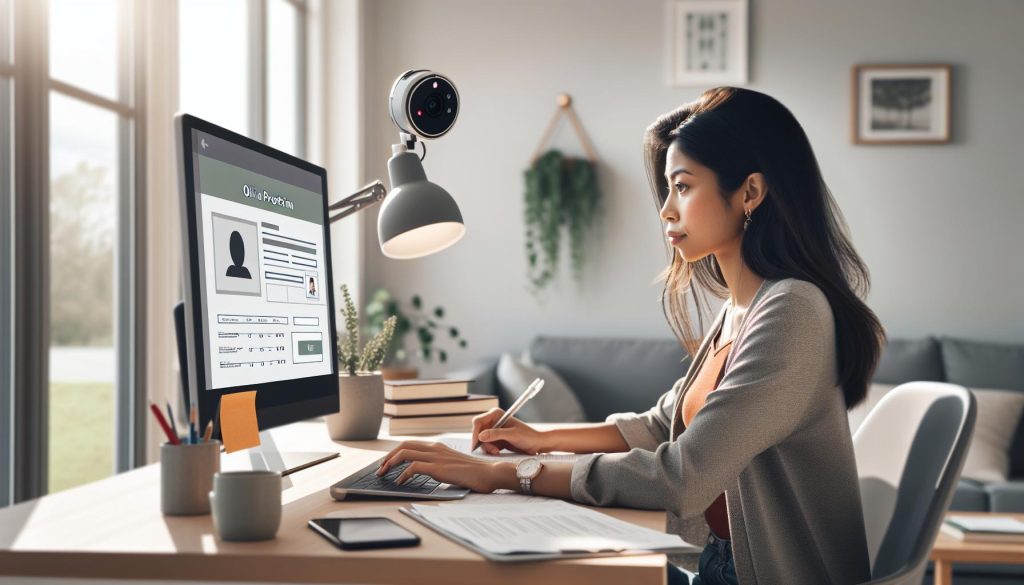
Have you ever felt the pressure of taking an exam while managing a busy schedule? Online proctored exams have emerged as a flexible solution that caters to the modern student’s life, allowing them to demonstrate their knowledge from the comfort of their home. In this article, we’ll explore how these exams work, ensuring you understand the process and the technology behind them. By demystifying this testing method, you’ll gain the confidence needed to excel while balancing academics and other responsibilities. Whether you’re preparing for a standardized test or a university exam, mastering the ins and outs of online proctoring can significantly enhance your academic performance. Stay with us as we uncover tips and strategies for navigating this new wave of testing with success!
Understanding Online Proctored Exams
Online proctored exams have revolutionized the way assessments are conducted in an academic environment, allowing for flexibility while maintaining integrity. As educational institutions adapt to the digital landscape, understanding how these exams operate is crucial for students aiming for success. Essentially, online proctoring uses technology to monitor students during examinations, ensuring that the process remains fair and standardized despite the remote nature of the assessment.
When participating in an online proctored exam, students will typically engage through a secure testing platform that provides a controlled environment for their assessment. This often includes features like live video monitoring, recorded sessions, and AI-driven analytics to detect potential cheating behaviors. Students may also be required to verify their identity using various methods, such as government-issued IDs or biometric recognition. These security measures aim to uphold academic integrity, ultimately fostering a trustworthy assessment process that mirrors traditional examination conditions.
For students, being prepared for an online proctored exam means understanding both the technological requirements and the behavioral expectations during the test. It’s essential to familiarize oneself with the exam platform ahead of time, ensuring that the necessary software is installed, the internet connection is stable, and the testing environment is free from distractions. Furthermore, cultivating a mindset that encourages focus and discipline will prove beneficial. By grasping these elements, students can approach their online proctored exams with confidence, knowing they have harnessed the power of technology to achieve their academic goals.
Overall, online proctored exams represent a significant leap towards more accessible education, paving the way for students around the globe to demonstrate their knowledge while adhering to standards that promote fairness and equality. As the landscape of education continues to evolve, embracing these tools will be vital for academic success and career readiness in today’s competitive job market.
The Technology Behind Online Proctoring
The evolution of online proctoring technology has significantly transformed the landscape of academic assessments, creating an innovative blend between convenience and integrity. By utilizing advanced software and hardware solutions, educational institutions can maintain rigorous testing standards even in remote settings. Key technologies at play include high-definition video monitoring, artificial intelligence, and secure browser environments, all working in concert to safeguard the examination process.
One of the cornerstones of online proctoring is real-time video surveillance, which allows proctors to monitor students throughout the exam. This feature typically involves webcams capturing both the test-taker and their surrounding environment. With secure testing environments, students often find themselves in locked-down browsers that restrict access to unauthorized materials, ensuring the exam remains an authentic reflection of their capabilities. Robust AI algorithms further enhance this system by analyzing student behavior for any irregularities that could suggest academic dishonesty, thus reinforcing the integrity of the assessment.
In addition to video monitoring and AI, the use of biometric identification methods-such as facial recognition and fingerprint scanning-adds an additional layer of security. These methods verify a student’s identity before the exam begins, minimizing the risk of impersonation. By integrating these technologies, educational institutions can safeguard the validity of the exam process and reassure stakeholders that evaluations are consistent and fair.
For students, understanding is crucial for achieving success. As they prepare for exams, familiarity with the platforms and tools will enable them to navigate the system confidently. This proactive approach not only helps mitigate potential technical issues but also fosters a sense of assurance and preparedness that can enhance their performance during evaluations. With the right mindset and thorough preparation, students can effectively balance their academic responsibilities with their career aspirations, ensuring they are well-equipped to face both educational and professional challenges head-on.
Student Identification and Security Processes
Successful online proctored exams hinge on robust , ensuring that the individual taking the exam is indeed who they claim to be. This meticulous verification is vital to maintaining academic integrity and trust in assessment outcomes. One of the most significant advancements in this area is the combination of biometric verification technologies and real-time monitoring systems. For students, understanding these processes is essential not only for compliance but also for mitigating anxiety around their exams.
The process typically begins with identity verification before the exam starts. Students may be required to present a government-issued photo ID, such as a driver’s license or passport. This step is crucial in establishing their identity and deterring impersonation. After ID verification, biometric methods come into play. Facial recognition technology checks that the student’s face matches the one on their ID, while additional methods may include fingerprint or voice recognition. Such safeguards make the environment secure and trustworthy, thereby enhancing the overall credibility of online assessments.
What Happens During the Exam
Once identification processes are completed, students enter a locked-down testing environment. This means that the browser used for the exam restricts access to other websites and applications, minimizing opportunities for cheating. During the exam, proctors can monitor students through live video feeds, ensuring that no unauthorized materials or individuals interfere. This vigilance helps maintain the exam’s integrity while allowing students to focus solely on their responses.
For students balancing academics with work or other commitments, navigating these processes may seem daunting. However, with preparation and a thorough understanding of the systems in place, students can approach their online exams confidently. Familiarizing oneself with the identity verification procedures and the proctoring software can significantly reduce anxiety and enhance performance. As the landscape of education evolves, so do the tools and processes designed to empower students in achieving not only academic success but also confidence in their skills and abilities as they enter the workforce.
Maintaining success in online examinations can also align well with a student’s career aspirations. The discipline, effective study habits, and time management skills developed during preparation can be equally applied to job applications and professional engagements. Students should view these exams not just as hurdles but as opportunities to cultivate skills that will serve them throughout their careers.
What to Expect During an Online Exam
Taking an online proctored exam can feel like an intimidating experience for many students, but being well-prepared can make all the difference. From the moment you log in, understanding the structure and expectations can help you navigate the exam seamlessly. Ahead of the big day, familiarize yourself with your institution’s specific proctoring platform; this knowledge allows you to tackle the exam environment with confidence.
During the exam, it’s critical to be in a designated quiet space. Your computer will be locked down, which means you won’t be able to access other applications, websites, or resources. This environment is designed to minimize distractions and temptation, helping you focus on your performance. It’s common for students to appear on live video feeds monitored by proctors, who may ensure that you are following the guidelines and not using unauthorized materials. Remember to keep your ID handy until your identity is confirmed-you won’t want any delays that could add to your anxiety.
For those juggling study with other responsibilities, time management is key. Using techniques such as the Pomodoro Technique-where you focus intensely for a set time before taking a short break-can help maintain your concentration during the exam. Approach this testing experience as an opportunity to demonstrate your knowledge and skills. Think of each exam not just as a hurdle but as part of your professional preparation; the discipline you cultivate while studying will serve you in the workplace, whether through internships or your first job after graduation.
In the tech-driven world of today, online proctored exams are not just a testing method; they reflect changing educational landscapes. Embracing this facet of your learning journey equips you with vital skills such as resilience and adaptability-traits that are invaluable in today’s job market. So, approach your online exam not just as a test but as a stepping stone toward your long-term career goals. Stay calm, remain focused, and trust in the effort you’ve put into your preparation.
Common Concerns About Online Proctoring
Taking online proctored exams can provoke a range of concerns among students, particularly regarding privacy, technical reliability, and the presence of a proctor. Understanding these issues can greatly alleviate anxiety and help you navigate the process with confidence. One of the primary concerns is the surveillance aspect; students often fear being judged or misinterpreted by the proctors. However, it’s important to remember that proctors are trained professionals whose main goal is to ensure a fair testing environment. Familiarize yourself with the proctoring system beforehand to ease your worries. Many platforms provide tutorials or practice sessions that can help you understand how the monitoring works and what to expect.
Technical issues also rank high on the list of concerns. A slow internet connection or computer malfunction can lead to panic during an exam. To combat this, it’s wise to conduct a thorough technical check prior to the exam day, ensuring that your equipment meets the necessary specifications. Create a backup plan as well; having a secondary device, or knowing where to access on-campus resources if needed, can provide peace of mind. Moreover, reviewing the troubleshooting guides from your educational institution can prepare you to handle common technical hiccups calmly and efficiently.
In addition to privacy and technology, the fear of academic integrity violations can loom large. The pressure of being continuously monitored may lead some to contemplate unethical shortcuts. It’s vital to remember that online proctored exams are structured to uphold the same standards of integrity as traditional exams. Focus on your preparation instead; reinforce your knowledge through effective study habits rather than risking your academic career. Consider forming study groups or utilizing tutoring resources offered by your institution to enhance your mastery of the material.
Ultimately, these exams are not just assessments of what you’ve learned; they also present an opportunity to develop skills that are vital for future employment. By managing your time effectively and learning to adapt to various testing scenarios, you cultivate resilience and adaptability-traits that are highly regarded in any job market. Embrace this phase of your education, and approach each exam as a step toward your long-term career goals. Whether you aim for part-time work, internships, or full-time positions post-graduation, the discipline you cultivate during this testing period will serve you well in your professional journey. Stay focused, prepare thoroughly, and trust in your capabilities.
Tips for Success in Online Proctored Exams
Taking online proctored exams can be an intimidating experience, but with the right strategies, you can navigate this testing format successfully. Preparing not only academically but also psychologically and technically will empower you to perform your best. Here are several actionable tips to help you excel during your online proctored exams.
Understand the Format and Requirements
Familiarizing yourself with the exam format is crucial. Take time to review any guidelines given by your institution regarding the online proctoring system, including specific software requirements and potential security measures. Many platforms allow you to take practice tests, which can demystify the online examination process and help you become accustomed to the environment. Knowing what to expect will reduce anxiety and enhance your focus on the content of the exam itself.
Prepare Your Study Environment
A conducive study space is vital for effective learning and concentration. When preparing for your online proctored exam, set up a clean, quiet workspace that minimizes distractions. Ensure that your computer and internet connection are reliable; perform tests beforehand to check their performance. Having your materials organized and at hand will allow you to concentrate fully during your exam. Think of your study environment as a productive sanctuary that contributes to your success.
Practice Time Management
Effective time management can be a game-changer during online exams. Many students underestimate the time required for each section of the exam. To combat this, develop a rough timeline based on the number of questions or topics. For instance, if your exam consists of 60 questions over two hours, aim to complete each section within 30 minutes. Practicing this during your study sessions will build your confidence and help you stay on track during the actual exam.
Focus on Mental Well-being
Lastly, prioritizing your mental health is essential. Test anxiety can affect performance, so adopt relaxation techniques, such as deep breathing exercises or mindfulness, to keep nerves at bay before and during the exam. Remember, this is an opportunity to showcase what you’ve learned. Maintaining a positive mindset can empower you to approach the exam as a challenge rather than a threat.
By embracing these strategies, you’ll not only be better prepared for your online proctored exams, but you’ll also develop essential skills that benefit your overall academic and professional journey. Balancing work, internships, and studies can be challenging, but with perseverance and the right techniques, you can achieve your career ambitions while excelling in your exams. Stay proactive and confident, and approach each challenge as a stepping stone toward your goals.
Preparing Your Environment for Testing
Establishing the right environment for your online proctored exam can significantly impact your performance, allowing you to focus better and navigate the examination process with confidence. The ideal setup is not just about having the right equipment but also about creating a mindset conducive to success. With careful planning and thoughtful adjustments, you can transform your space into an effective testing sanctuary.
To begin with, choose a quiet and well-lit space that minimizes interruptions. This can be a dedicated study room or any quiet corner of your home. Ensure that you inform those around you about your exam schedule, so they understand the importance of keeping noise levels down. Consider using a sign on your door that indicates you’re taking an exam, which can help reinforce the seriousness of the situation. In addition, pay attention to lighting; natural light is best, but if that’s not an option, make sure your lighting is bright enough to avoid eye strain without causing glare on your screen.
Next, set up your technology for optimal performance. Make sure your computer meets the system requirements for the online proctoring platform you will be using. Check your internet connection; a wired connection is often more reliable than Wi-Fi. Conduct a test run to verify that your webcam and microphone are functioning properly. It might also be helpful to have a backup device nearby, such as a tablet or smartphone, in case technical issues arise. Keep all necessary supplies within arm’s reach, including a water bottle, pens, scratch paper, and your study materials.
Consider adding personal touches to enhance your comfort and reduce anxiety. For instance, having a small plant or a family photo within your sight can create a sense of familiarity and calm. Additionally, practicing relaxation techniques before the test-like deep breathing or brief stretching-can help ease pre-exam jitters. Remember, the goal is to create an atmosphere where you feel both secure and motivated.
Finally, approach your online testing environment with a mindset geared toward success. Reflect on past testing experiences and how a comfortable environment has helped you thrive. Believe that organizing your space not only facilitates better focus but also empowers you to perform at your best. By taking these steps to prepare your environment, you’re setting yourself up for success, balancing your academic aspirations with personal development goals. Embrace this opportunity, and know that you are capable of overcoming challenges in both your exams and career journey.
Dealing with Technical Issues and Failures
Technical difficulties can be a significant source of anxiety during online proctored exams, but being prepared can turn potential setbacks into mere bumps in the road. Imagine being minutes away from starting your exam only to find that your webcam isn’t working or your internet connection has dropped. The good news is that with a bit of foresight and preparation, you can mitigate many common technical issues, allowing you to focus on what really matters-your performance.
First and foremost, ensure that your computer and software are ready for the exam well in advance. This means verifying that all system requirements meet the standards set by the proctoring platform. Conduct a thorough check of your settings, including your webcam and microphone, a few days before the exam. If possible, do a mock test with a friend to ensure everything works smoothly. Familiarize yourself with the proctoring software, as many platforms offer practice exams. Knowing where to click and what to expect can boost your confidence and help you respond swiftly in case of unexpected issues.
If you encounter problems during the exam, stay calm and address them one step at a time. Here’s a quick checklist to follow:
- Stay connected: If your internet drops, try to reconnect immediately. Keep a mobile data plan handy as a backup solution.
- Technical support: Have the contact information for the proctoring support team readily available, so you can reach out for help if needed.
- Document issues: Take screenshots or notes of any errors; this documentation may be necessary for reporting problems afterward.
- Backup plan: If possible, have a secondary device, such as a tablet or smartphone, nearby that can serve as a temporary alternative for troubleshooting.
In the unlikely event that a failure occurs, knowing how to properly communicate with your instructor or examination body can help mitigate the situation. Transparency is vital-explain the issue clearly, provide any documentation you’ve collected, and express your willingness to resolve the matter. Many institutions recognize that technology can fail, and having a plan in place minimizes disruptions to your academic journey.
The key to addressing technical issues during online proctored exams lies in preparedness and maintaining a positive mindset. Equip yourself with knowledge about potential pitfalls, and don’t hesitate to seek help or validate your concerns. This proactive approach will not only enhance your exam experience but also empower you with resilience that can be beneficial in your ongoing career development journey. With these strategies in hand, you’re setting the stage for success, allowing you to confidently balance your academic and professional aspirations.
Accommodations for Students with Disabilities
For many students with disabilities, the stakes of online proctored exams can feel uniquely daunting, but awareness and accommodations can pave the way for success. Understanding that institutions are increasingly committed to providing a fair testing environment is crucial. Accessible online testing environments empower students to put their best foot forward, reflecting their true knowledge without the additional strain of navigating a system not designed with their needs in mind.
When preparing for an online proctored exam, it’s essential to explore accommodations that might be available. These can range from extended time allowances and the option to take breaks as needed to specialized software that caters to various disabilities, such as screen readers or speech-to-text tools. Engaging with your educational institution’s disability services can provide clarity and guidance tailored to your specific situation. Documentation is often required, so it’s advisable to prepare your medical or psychological evaluations in advance, ensuring the process runs smoothly.
Here are some steps you can take to optimize your exam experience:
- Communicate Early: Reach out to your educational institution well before the exam date to discuss potential accommodations. Early communication can provide ample time for adjustment and ensure that all necessary adjustments are made.
- Understand Your Rights: Familiarize yourself with relevant laws and policies regarding academic accommodations, such as the Americans with Disabilities Act (ADA), which ensures equitable treatment in educational settings.
- Practice with Accommodations: If possible, request access to practice exams using the same accommodations you’ll have during the actual exam. This will help you become comfortable with the tools and adjustments in place for your test.
- Develop a Strategic Study Plan: Incorporate your accommodations into your study routine. For instance, if you benefit from extended breaks, factor that into how you plan your study sessions to enhance retention and reduce fatigue.
By taking proactive steps and understanding the resources available, students with disabilities can navigate online proctored exams more effectively. Empowerment comes not only from knowledge but also from support, ensuring that every student has a fair chance to excel. Engaging with accessibility resources enhances not just academic success but also builds confidence, helping students manage their academic and career aspirations harmoniously. Ultimately, every small effort contributes significantly to a successful and inclusive educational experience.
The Future of Online Proctoring in Education
The evolution of online proctoring is poised to redefine how educational assessments are conducted, making them more flexible and accessible for students worldwide. In the wake of rapid technological advancements and the shift towards online education, the future of online proctored exams promises to blend convenience with integrity more seamlessly than ever before. By leveraging artificial intelligence, improved monitoring systems, and data analytics, educational institutions are better equipped to maintain academic integrity while providing a supportive environment for all students.
As online proctoring technology matures, we might see greater customization of testing environments. Institutions could offer tailored solutions that accommodate various learning styles and accessibility needs, enhancing the overall testing experience. This could include options such as varied exam formats or the ability to take exams in more comfortable, familiar settings. Emphasizing student well-being, educators can explore methods to reduce exam anxiety, thereby fostering a more positive academic journey.
Moreover, the emergence of hybrid assessment models could bridge the gap between traditional and online testing. Future assessments might blend in-person elements with online capabilities, allowing for collaborative examinations or peer-reviewed assessments that promote engagement and critical thinking. Such innovation can prepare students for real-world scenarios where teamwork and communication are vital, aligning academic evaluations with skills necessary for future employment.
Preparing for a Limitless Future
Students can prepare for this evolving landscape by developing digital literacy skills and staying adaptable. Engaging with a variety of online tools and platforms throughout their education not only enhances their test performance but also equips them for modern workplaces. Embracing a mindset of continuous learning and adaptability will be essential as the job market increasingly favors those who can navigate both traditional and virtual environments.
In conclusion, as online proctoring continues to innovate, a focus on student-centric approaches will ensure that assessments not only measure knowledge effectively but also promote a fair and inclusive atmosphere. By remaining proactive, students can seize the opportunities presented by this educational revolution, paving the way for successful careers in an increasingly digital world.
Comparing Online Proctored Exams to Traditional Testing
In a world where digital transformation is the norm, understanding the differences between online proctored exams and traditional testing methods is crucial for students aiming for success. While traditional exams have long been the standard in educational assessments, the shift toward online proctoring brings forward distinct advantages that enhance flexibility and accessibility. One of the most significant benefits of online proctored exams is the option to take assessments from a location most comfortable for the student, whether it be at home, in a library, or another preferred environment. This level of convenience can contribute immensely to a better testing experience, allowing students to focus on their performance rather than the logistics of arriving at a physical test center.
Another key difference lies in the technology utilized during online proctored exams. Advanced AI-driven systems can monitor students for irregular behavior in real-time, track eye movements, and ensure the integrity of the testing environment. This digital surveillance often complements human proctors who may step in if necessary. Conversely, traditional exams rely on in-person oversight, which can sometimes be less adaptive to various individual’s needs. It’s essential for students to recognize that while modern online testing can present potential technical hurdles, most institutions are equipped with robust support systems to aid students in troubleshooting these issues promptly.
Integration of online proctoring with personalized learning experiences further emphasizes its edge over traditional methods. Institutions are beginning to offer varied formats and flexible scheduling options that can cater to different learning styles. For instance, online platforms may allow for open-book exams or assignments that let students demonstrate mastery of topics at their own pace. With the traditional approach, the rigid structure often does not accommodate students’ unique needs, potentially leading to unnecessary stress.
Furthermore, as the job market evolves, cultivating digital literacy through the experience of online testing equips students with the vital skills necessary for future careers. Engaging with digital platforms, understanding how to manage virtual environments, and adapting to fast-paced changes are all competencies that employers value highly. By embracing online proctored exams, students not only prepare for academic success but also develop professional attributes that will serve them in their future endeavors.
In summary, while traditional testing has its merits, online proctored exams provide a transformative alternative that supports student-centric learning, enhances flexibility, and aligns well with the demands of modern workplaces. Preparing for this digital assessment landscape is not just about passing exams; it’s about building skills and mindsets that are essential for success in today’s interconnected world.
Best Practices for Academic Integrity in Online Exams
Maintaining academic integrity during online proctored exams is crucial, not only for personal credibility but also for the validity of educational credentials. While the convenience of remote assessments may tempt some students to engage in dishonest practices, embracing integrity can foster a deeper understanding and commitment to learning. The truth is, academic dishonesty can have long-lasting repercussions, including disciplinary actions and a tarnished reputation, which can hinder future career opportunities. Here are several best practices to uphold integrity while navigating online exams successfully.
Understand Your Institution’s Policies
Before the exam, familiarize yourself with your institution’s academic integrity policies. Understanding what constitutes cheating or unethical behavior can help you make informed decisions during the exam. Each institution may have specific guidelines regarding the use of resources, collaboration with peers, and interaction with proctors.
Prepare Thoroughly
A well-prepared student is less likely to resort to dishonest means it’s essential to engage deeply with the study material. Use various study techniques such as summarizing information, teaching concepts to peers, or participating in study groups. Here are some effective study practices to enhance retention and understanding:
- Active Reviewing: Use flashcards or quizzes to test your knowledge and reinforce learning.
- Practice Exams: Take practice tests to become familiar with the exam format and timing.
- Time Management: Develop a study schedule that allows ample time for review before the exam.
Set Up Your Exam Environment Wisely
Creating a conducive exam environment can reduce the temptation to cheat. Select a quiet, well-lit space that is free from distractions. Ensure that all unauthorized materials are removed from your testing area and adhere to the guidelines provided by your institution regarding what can and cannot be in your vicinity. This single act of discipline can significantly enhance your focus and efficiency during the exam.
Utilize Available Resources
If you encounter challenges while studying or feel unprepared, utilize resources offered by your institution. Academic advisors, tutoring centers, and online workshops are valuable tools for understanding complex subjects and improving your test-taking skills. Don’t hesitate to reach out for help-it’s a sign of strength and commitment to your education.
By committing to these practices, you not only enhance your own educational experience but also build the foundational qualities of trustworthiness and responsibility vital for future professional environments. Remember, the skills you cultivate during your academic journey-whether in mastering a challenging concept or navigating an online exam-are the very attributes employers value. With integrity and preparation, you can confidently face online exams and emerge from the experience better equipped for the workforce.
FAQ
Q: How do online proctored exams ensure academic integrity?
A: Online proctored exams maintain academic integrity through various security measures, including live monitoring by proctors, advanced AI technology to detect suspicious behavior, and strict identification processes. Students must complete identity verification, such as showing ID, to confirm their identity before the exam begins.
Q: What technology is used in online proctored exams?
A: Online proctored exams utilize webcam and microphone technology, along with secure browsers to prevent cheating. Some systems employ AI-driven software to analyze student behavior during the exam, detecting any irregularities or unauthorized activities through real-time monitoring.
Q: Can I use my own computer for online proctored exams?
A: Yes, you can typically use your own computer for online proctored exams, but it must meet specific technical requirements outlined by the exam provider. Ensure that your device has updated software, a functioning webcam, and a reliable internet connection for a smooth testing experience.
Q: What should I do if I encounter technical issues during my online exam?
A: If you experience technical issues during your online exam, immediately notify your proctor through the designated communication channel. It’s advisable to have a backup device ready and familiarize yourself with troubleshooting steps, which are often provided by the exam platform before the test.
Q: How do accommodations work for online proctored exams?
A: Accommodations for students with disabilities in online proctored exams are typically arranged by the educational institution. Students should communicate their needs to the institution well in advance, allowing for necessary adjustments such as extended time or assistive technology.
Q: What are the common misconceptions about online proctoring?
A: Common misconceptions about online proctoring include concerns that it invades privacy and is unreliable. In reality, proctoring tools are designed specifically to uphold privacy and ensure a secure testing environment. By understanding how these technologies work, students can gain confidence in the process.
Q: Are online proctored exams as reliable as in-person exams?
A: Yes, online proctored exams are designed to be as reliable as in-person exams. They leverage advanced technology to monitor test-takers effectively, ensuring a fair assessment environment. Proper preparation and understanding of the platform can enhance the testing experience.
Q: What happens if I get disconnected during an online proctored exam?
A: If you get disconnected during an online proctored exam, reconnect as soon as possible. Most platforms provide a grace period for reconnection, and you should reach out to the proctor immediately if issues persist to ensure that your exam can be completed.
Insights and Conclusions
As you embark on your journey with online proctored exams, remember that preparation and understanding the process can significantly enhance your testing experience. Embrace the flexibility these exams offer while making sure to follow best practices for success. If you want to learn more about effective study techniques or the best resources for exam preparation, check out our articles on mastering remote learning strategies and tips for building an optimal study environment.
Now is the time to take charge of your academic performance! Don’t hesitate to reach out with any questions or to share your thoughts in the comments below. Interested in joining our community? Sign up for our newsletter for exclusive insights and updates. Your success starts here-let’s explore together all the valuable resources that can help you thrive in your studies and future career endeavors!