
In the evolving landscape of the gaming industry, understanding how “Death Stranding Online” operates is crucial for aspiring professionals. This innovative game not only pushes the boundaries of interactive storytelling but also offers valuable insights into the skills and strategies needed for a successful career in gaming. As many students juggle academic commitments with the desire to jumpstart their careers, learning about flexible job roles, freelance opportunities, and effective networking in this unique sector becomes essential.
Throughout this guide, you will discover practical steps to enhance your employability- from crafting an impactful resume to mastering interview techniques. Engage with tips on balancing your work-life dynamic while pursuing your passion for gaming. Whether you’re aiming for a part-time position or an internship, each piece of advice is designed to equip you for a bright future in this dynamic field. Prepare to dive deeper and unlock the potential that “Death Stranding Online” and the gaming industry have to offer!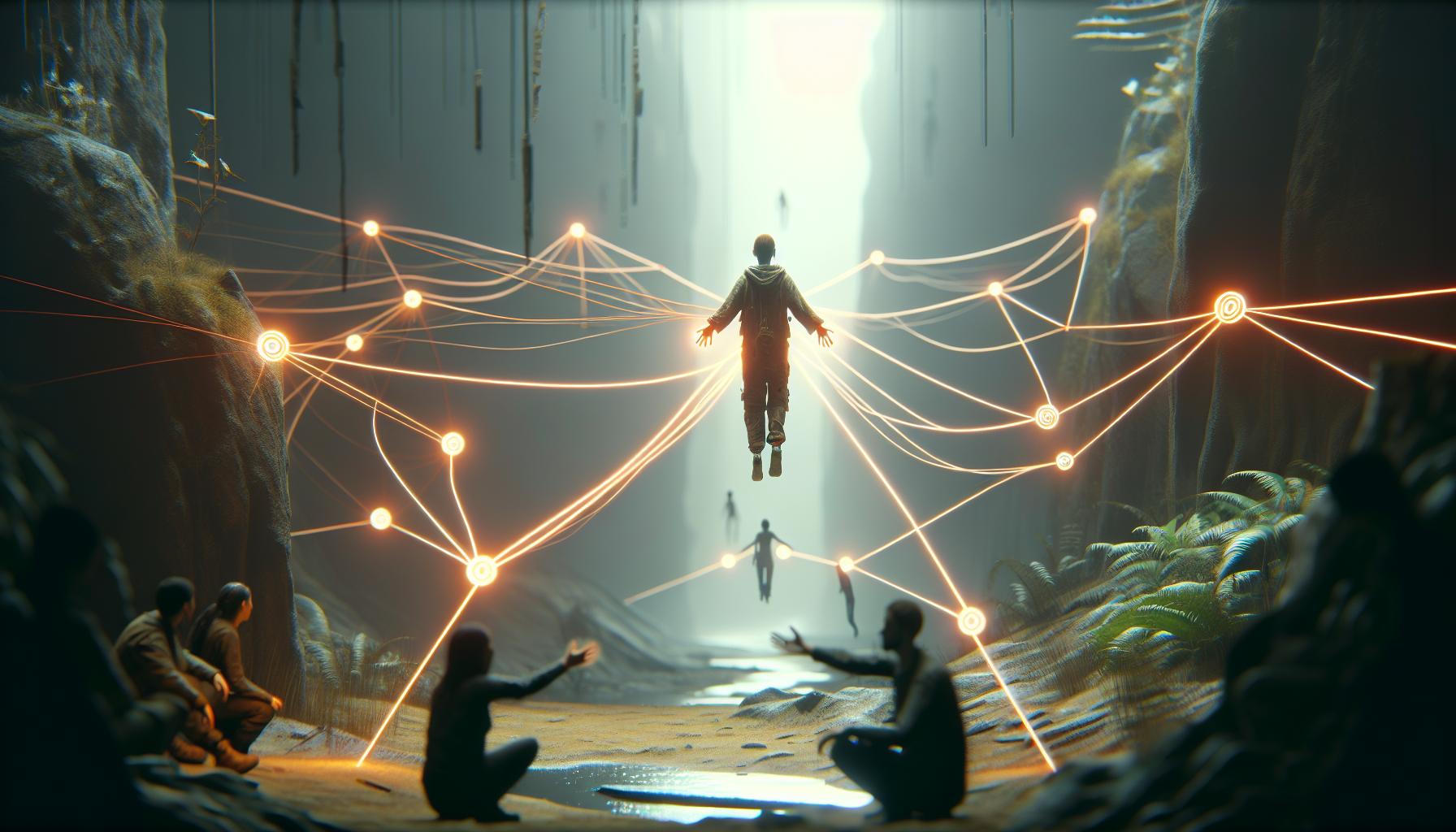
Understanding the Online Component of Death Stranding
In Death Stranding, the online component transforms the solitary journey of delivering packages into a unique social experience, offering players the ability to interact indirectly with one another. This aspect of the game allows players to leave helpful items and build structures that other players can utilize, fostering a sense of community even in a post-apocalyptic world. Understanding how these online features work can not only enhance gameplay but also provide vital insights for those aspiring to build careers in the gaming industry.
In Death Stranding, players can contribute to a shared world through various online interactions. You can leave supplies, ladders, and other equipment in the environment, which become accessible to other players. This interconnectedness can be crucial for progressing through challenging terrains and adds a layer of strategy. By observing the contributions of others, players can learn effective gameplay tactics and develop a support network, essentially echoing the collaboration often seen in game development teams. These interactions highlight essential teamwork skills, crucial for anyone pursuing a career in the industry.
Moreover, this blend of online and offline elements in Death Stranding serves as a case study in community-building gaming. Aspiring game developers can analyze how Hideo Kojima integrated multiplayer mechanics without the need for traditional competitive gameplay. Such analysis may spark novel ideas in their projects and influence collaborative design approaches, which can be a significant asset when seeking employment in game development. Candidates who can articulate their understanding of such innovative gameplay mechanics will stand out in interviews and discussions with potential employers.
Key Takeaways for Aspiring Game Developers
- Foster Collaborative Mindsets: Emulate the community-driven aspects of Death Stranding in your projects. Developing games that emphasize cooperation can be appealing to players and employers alike.
- Analyze Multiplayer Dynamics: Study the interaction patterns in games like Death Stranding to understand how they can be used to enhance player engagement.
- Networking Through Gameplay: Leverage your gameplay experiences to build connections with other developers, allowing you to exchange ideas and collaborate on future projects.
Armed with these insights, aspiring professionals can navigate their paths into gaming careers with creativity and confidence, recognizing that every interaction-be it in-game or with peers-can shape their futures in the industry.
The Basics of Death Stranding Online Features
In the expansive world of *Death Stranding*, the online features introduce a fascinating dimension of gameplay that enhances both individual experiences and community interaction. Players are not merely navigating an isolated landscape; instead, they partake in a shared world where their actions have tangible impacts on fellow players. By leaving supplies, structures, and other forms of assistance throughout the environment, individuals contribute to a communal effort that echoes the principles of teamwork and collaboration highly valued in game development.
One of the most intriguing aspects of these online features is the concept of asynchronous multiplayer interaction. In *Death Stranding*, players can encounter the footprints of others, witness the remnants of their structures, or utilize gear left behind. This design choice allows players to indirectly support one another, fostering a sense of camaraderie even among strangers. Such mechanics are not only fun but serve as a brilliant case study for aspiring game developers looking to create similar community-enhancing elements in their own projects. Understanding how these systems work can inspire you to incorporate collaborative gameplay in your designs, proving essential in a field that thrives on innovation.
Furthermore, this interconnectedness can be a crucial talking point for anyone looking to enter the gaming industry. When preparing for interviews or industry networking, consider discussing how *Death Stranding* blends single-player and multiplayer experiences. Highlighting your understanding of such mechanics demonstrates not only your gaming knowledge but also your insight into player engagement strategies-an essential skill for developers today.
To thrive in this dynamic sector, aspiring professionals should approach their career preparation by emulating the collaborative spirit exemplified in *Death Stranding*. This includes building a portfolio that showcases your ability to work well in teams, as well as developing your capacity for thoughtful game design that prioritizes player interaction. By analyzing these online features, you can gain valuable insights that will empower you on your journey to making significant contributions to the gaming community. Remember, every interaction-be it within a game or in a professional setting-serves as a stepping stone toward your future career.
- Utilize Online Networking: Engage with other gamers and developers through forums and social media to share ideas and grow your network.
- Analyze Community Dynamics: Observe how players interact online in games like *Death Stranding* to understand effective community-building strategies.
- Document Your Contributions: Keep track of your gameplay experiences, particularly those that involve collaboration, for discussions in interviews or networking opportunities.
With these insights and strategies, you’re well on your way to navigating your path in the gaming industry successfully-where creativity and cooperation can lead to groundbreaking opportunities.
How Multiplayer Interactions Enhance Gameplay
In *Death Stranding*, the innovative online components redefine how players interact and experience gameplay, showcasing the power of multiplayer mechanics in an otherwise solitary journey. This exploration of asynchronous multiplayer allows players to coexist in a shared environment, where their actions can aid or hinder others without direct communication. For instance, when a player constructs a bridge or leaves behind essential supplies, those contributions enhance the gameplay for others who traverse that area later, creating an organic cycle of cooperation that deepens the immersion and enriches the player’s experience.
The multiplayer dynamics in *Death Stranding* serve as an exemplary model for aspiring game developers to understand community interaction. Players can discover messages, structures, and even items left by others, instilling a sense of collective effort in a game focused on isolation. Such features not only amplify gameplay but also teach valuable lessons about user experience design and the importance of fostering player agency. For those preparing for careers in the gaming industry, these mechanics exemplify how to build systems that encourage interaction and community building in their own projects.
Integrating aspects of community-driven gameplay into your own designs can differentiate your work in the competitive field of game development. As you prepare for interviews, think about how you can discuss these elements of *Death Stranding* to highlight your understanding of player engagement and innovative game design practices. Demonstrating this knowledge not only reflects your passion but also aligns with the collaborative spirit necessary in the industry.
To leverage these insights effectively, consider these strategies:
- Engage in Game Design Discussions: Take part in forums, webinars, and social media groups focused on game design to exchange ideas and gain insights from others.
- Experiment with Collaborative Projects: Work on team-based game development projects, even as part of a school assignment, to experience firsthand the dynamics of cooperative game design.
- Reflect on Community Impact: Analyze how community interactions within various games influence player retention and satisfaction, preparing you to articulate these points in interviews.
Using the community-centric approach seen in *Death Stranding*, you can craft potent narratives and engaging experiences that resonate with players and improve your marketability in the gaming job landscape. By taking steps now to understand and practice these concepts, you are setting yourself up for success in a career filled with opportunities for creativity and collaboration.
Preparing for a Career in the Gaming Industry
Embarking on a career in the gaming industry can be a thrilling adventure, offering a blend of creativity, technology, and community engagement. As you navigate this fast-paced field, remember that your journey is unique, shaped by your interests, skills, and experiences. Start by honing your craft-experiment with various aspects of game development, from design to programming, art to production. Engaging with popular titles like *Death Stranding*, which showcase innovative multiplayer interactions, can serve as valuable case studies to inspire your projects and discussions.
To get your foot in the door, consider the following actionable steps:
Explore Opportunities
- Internships: Seek out internships within gaming studios, whether large or indie. They provide hands-on experience that is crucial for building your skill set and expanding your network.
- Part-time Jobs: Look for job openings at related businesses (such as game cafés or tech shops) to work around your schedule while gaining relevant experience.
- Freelance Work: Join online platforms like Upwork or Fiverr to offer your services in design, writing, or programming. This can be an excellent way to build your portfolio while developing professional relationships.
Crafting Applications
When it comes to applying for positions, ensure your resume highlights relevant experiences. Tailor it to showcase projects like *Death Stranding* that reflect your understanding of community involvement and engagement strategies in game design. Here’s how you can make your application stand out:
- Resume Essentials: Include educational achievements, relevant coursework, and any collaborative projects. Focus on skills that align with industry standards, such as proficiency in game engines like Unity or Unreal Engine.
- Portfolio Development: Assemble a digital portfolio showcasing your best work. Include game prototypes, design documents, or artwork that reflects your personal style and technical capabilities.
Preparing for Interviews
Interviews can be daunting, but preparation is key. Research the studio and its projects-aspects of *Death Stranding* could offer insightful talking points on community mechanics and player engagement. Additionally, practice common interview questions and prepare scenarios illustrating your experiences working on collaborative game design projects.
Balancing your education and a burgeoning gaming career can be challenging. Embrace flexible arrangements like remote internships or online courses that allow you to juggle both effectively. Remember, each small step you take is building towards your future in this dynamic industry. Stay motivated, seek out learning opportunities, and engage continually with the gaming community. Your passion and hard work will propel you toward a fulfilling gaming career.
Essential Skills for Gaming Industry Job Seekers
In today’s gaming landscape, the demand for skilled professionals is at an all-time high. One of the best ways to set yourself apart in the competitive world of game development is by mastering a mix of technical and soft skills that resonate with industry needs. For instance, understanding how titles like *Death Stranding* integrate online multiplayer interactions can enhance your portfolio and showcase your ability to contribute to innovative game design.
Technical Skills
A solid foundation in programming languages such as C# or C++ is crucial, particularly for roles in game development. Familiarity with well-known game engines, including Unity and Unreal Engine, will give you a significant advantage. Additionally, skills in 3D modeling software (like Blender or Maya) can open doors to opportunities in art and design departments. Those interested in sound design should focus on audio editing software like Pro Tools or Ableton Live.
Soft Skills
Equally important are the soft skills that facilitate teamwork and collaboration. Effective communication is vital since game development is rarely a solo endeavor; working harmoniously with designers, writers, and other developers to bring a vision to life is key. Problem-solving skills will also serve you well, as they allow you to tackle the inevitable challenges of game production. Be prepared to demonstrate adaptability, especially when working within fast-paced, evolving environments.
Building Your Resume
When crafting your resume, be sure to include a blend of both your technical and interpersonal skills. Highlight any relevant projects, especially if they demonstrate your understanding of online features in gaming-like those seen in *Death Stranding*, which emphasizes community interaction. Tailor your resume for each application, pointing out how your unique skill set aligns with the studio’s projects.
Practical Experience
To gain practical experience, seek out internships, part-time jobs, or freelance opportunities. These positions not only enhance your resume but also provide valuable networking connections and the chance to apply what you’ve learned. Engage with your college’s career services or attend gaming conventions to meet industry professionals and discover job openings. Involve yourself in game jams and collaborative projects to display your teamwork and technical skills in action.
Overall, preparing for a career in the gaming industry is both a strategic and creative process. Embrace every learning opportunity, and remember that each experience-whether successful or challenging-contributes to your growth in this dynamic field. Stay motivated, build genuine connections, and let your passion for gaming shine as you pave your way to success.
Navigating Job Opportunities in Game Development
In an industry where creativity and technical prowess are vital, can feel daunting yet exciting. With a plethora of pathways available, students can leverage their skills gained from interactive experiences like those found in Death Stranding, where online multiplayer elements foster collaboration and community. This unique gameplay experience not only enriches player interaction but also parallels the collaborative nature of game development. Engaging with such intricate systems can be a fantastic talking point in interviews or networking situations, demonstrating your understanding of current trends in interactive design.
To discover opportunities, start by engaging with various platforms that host job listings specific to the gaming industry. Websites like Gamasutra, Indeed, and LinkedIn regularly feature openings for roles ranging from technical artists to narrative designers. Additionally, attending gaming conventions, expos, and local meetups can significantly expand your network. You might find yourself in conversations with industry professionals who can offer insights or potential job leads. Make it a point to connect with peers and mentors who share your focus, as they can be invaluable resources for finding opportunities and receiving support.
When applying for positions, be strategic about how you present your skills and experiences. Tailor your resume to highlight relevant projects, especially those that showcase your ability to work in teams or manage complex tasks similar to those found in the development of a game like Death Stranding. Focus on experiences that demonstrate collaboration, creativity, and your commitment to continuous learning. Providing specific examples, such as a project where you helped design an online feature or community-driven aspect, can make your application stand out.
Lastly, balancing academics and work can be challenging, but it is essential to maintain flexibility in your schedule. Look for part-time roles, internships, or freelance opportunities that can fit around your educational commitments. Many studios offer remote internships that allow you to gain experience while fitting work around your studies. Prioritize maintaining a healthy work-life balance by setting clear goals and managing your time effectively. By staying organized and proactive, you’ll position yourself for success as you carve out your path in the dynamic world of game development.
Crafting a Winning Resume for Gaming Positions
Creating a standout resume is a crucial step in securing a role in the gaming industry. Given the competitive nature of this field, crafting a document that not only highlights your skills but also resonates with the specific demands of game development roles is essential. If you think about how integral online features and multiplayer interactions are in games like Death Stranding, consider how to effectively showcase your relevant experiences and abilities on paper.
To structure your resume effectively, start with a strong summary statement that encapsulates your passion for gaming and your specific expertise. This section sets the tone for your resume and should reflect your understanding of game mechanics and player interactions. Following this, strategically list your educational background and any relevant courses, especially those related to game design, programming, or interactive media.
Next, focus on your experience, but remember-this doesn’t have to be solely professional work. Include internships, part-time roles, and even significant projects. You can demonstrate your knowledge of online gameplay features by discussing group projects where you collaborated with others to create elements that enhance player engagement. Highlight roles you’ve held that required teamwork, creativity, and problem-solving-such as organizing game jams or contributing to modding communities. For instance, if you’ve worked on a project that involved developing an online component similar to what is seen in Death Stranding, detail the tools used and the results achieved to make it clear how your contributions mattered.
Key Elements to Include in Your Resume
- Contact Information: Make sure it’s clear and up-to-date.
- Professional Summary: A brief overview of your skills and interests in gaming.
- Skills Section: Highlight technical skills such as programming languages (C++, Unity), soft skills (communication, teamwork), and any specific knowledge of multiplayer systems or game mechanics.
- Experience: List relevant internships, projects, and volunteer positions, using bullet points to describe your contributions and achievements.
- Education: Include your degree(s) and any relevant coursework.
- Portfolio Links: If you have online projects or a portfolio, include links to showcase your work.
By crafting each section with intention, you will not only appeal to prospective employers but also open doors to networking opportunities by showing your active involvement in the gaming community. Your resume should illustrate your journey and growth in the gaming world, making it easier for recruiters to envision how you would fit into their teams. Keep your document concise, ideally one page, and make sure to proofread meticulously to avoid any errors that could detract from your professionalism.
In conclusion, a well-crafted resume is your ticket to landing an interview in the gaming industry. Approach this task with creativity and clarity, drawing in aspects of your experiences that relate back to collaborative gameplay mechanics found in titles like Death Stranding. Remember, standing out is about demonstrating not just what you’ve done, but how those experiences make you a perfect fit for the dynamic environment of game development. Stay positive and keep refining your approach as you search for opportunities that align with your career aspirations!
Strategies for Nailing Gaming Job Interviews
Nailing a gaming job interview requires a blend of preparation, confidence, and a true passion for the industry. Understanding that interviews can be as daunting as a boss fight in your favorite game can help shift your perspective. Just like games require strategy and skill, so too does the interview process. One of the most vital strategies is to research the company thoroughly. Familiarize yourself with their games, mission, and recent developments, much like understanding the lore of a game to better enjoy it. This knowledge will not only prepare you for questions but will also demonstrate your commitment and enthusiasm to your interviewers.
Another important aspect is to practice common interview questions, especially those specific to the gaming industry. Questions might include inquiries about your experience with collaborative projects, how you handle critique, or your thoughts on recent gaming trends. Use the STAR method (Situation, Task, Action, Result) to structure your responses, providing clear and concise examples from your experience. Role-play with a friend or mentor; this practice can help mitigate nervousness and refine your delivery.
It is equally important to showcase your creative problem-solving skills during the interview. Many game development roles require thinking outside the box to tackle challenges. Be prepared to discuss how you might approach game design obstacles or improve player engagement, referencing aspects of online interactions similar to those in titles like Death Stranding. Demonstrating an ability to collaborate and contribute innovative ideas can set you apart as a candidate who not only fits the technical role but also enhances team dynamics and creativity.
Lastly, remember that interviews are a two-way street. Prepare thoughtful questions about the company culture, team dynamics, and future projects. This not only shows your genuine interest but also helps you gauge if the organization aligns with your career goals. Approach the interview as a conversation rather than a one-sided interrogation. This mindset can help ease your nerves and empower you, making a more authentic connection with your interviewers. Emphasizing your passion for gaming and your readiness to contribute meaningfully to the industry can make all the difference in leaving a lasting impression.
Balancing Work and Gaming: Tips for Students
Finding the right balance between work, academic commitments, and your passion for gaming can feel like trying to navigate a complex open world in your favorite video game. However, with some strategic planning, you can effectively integrate part-time jobs or internships into your life without compromising your gaming aspirations or academic success. Many students have thrived in dynamic environments by adopting practical approaches that prioritize both their education and their dream careers in the gaming industry.
One of the most productive strategies is to establish a structured routine. Designate specific time blocks for studying, working, and gaming, ensuring that you allocate dedicated hours to each task. Utilizing tools like calendars or task management apps can help maintain your schedule, allowing you to visualize your commitments. Consider these key points as you create your routine:
- Prioritize your responsibilities: Identify which tasks are most urgent or important and tackle those first. This approach will prevent last-minute stress and free up time for your passion projects.
- Set realistic gaming goals: Instead of gaming whenever you have free time, set specific goals for your gaming sessions-this could be exploring a new area in Death Stranding or finishing a chapter in a storyline. This way, you enjoy your gaming experience guilt-free.
- Use gaming as a reward: After completing a challenging project or studying for an exam, reward yourself with a gaming session. This rewards-based approach can keep you motivated and engaged in both work and play.
Additionally, exploring flexible work options can provide valuable opportunities without overwhelming your schedule. Look for part-time jobs, internships, or freelance gigs within the gaming sector that align with your skills and time constraints. Roles as a game tester, content creator, or even in community management can enhance your resume while allowing you to engage with the industry you love. Moreover, many gaming companies offer remote work or internship programs, enabling you to work from the comforts of home and manage your time effectively.
Keep in mind that networking plays a crucial role in your job search. Attend gaming events, workshops, and online forums, and connect with other professionals in the industry. Utilizing platforms like LinkedIn to join gaming industry groups can introduce you to potential employers and collaborators. Don’t hesitate to seek out mentors or peers who can provide guidance and encouragement in balancing your academic and gaming pursuits.
In essence, harmonizing work and gaming requires planning, flexibility, and passion. By creating a personalized routine, exploring flexible job opportunities, and networking, you can cultivate a fulfilling career path that celebrates both your academic achievements and your love for gaming. Remember, just as in any great game, perseverance and strategic thinking will lead you to success in your career journey.
Freelancing in Game Design: What You Need to Know
Freelancing in game design can be an exciting and fulfilling path, especially for students who wish to gain experience while balancing their education. With the dynamic nature of the gaming industry, many companies increasingly seek freelance talents who bring fresh perspectives and specialized skills to their projects. As a freelancer, you can work on varied tasks, from creating game assets to testing new features, while enjoying the flexibility to set your own schedule. Here’s what you should consider as you embark on your freelancing journey in game design.
To start, it’s vital to build a strong portfolio that showcases your best work. This could include game prototypes, pieces of artwork, or even any game mechanics you’ve developed. Consider featuring projects that illustrate your skills in relevant software or languages, such as Unity, Unreal Engine, or C#. Utilize platforms like GitHub or personal websites to display your achievements. A well-organized portfolio can significantly enhance your attractiveness to potential clients or employers.
Networking is equally important when venturing into freelance game design. Attend industry events, workshops, or local meetups where you can connect with other developers and game enthusiasts. Online communities, such as game design forums or social media groups, are excellent avenues to exchange ideas and find collaboration opportunities. Reach out to mentors who can provide insights and advice as you navigate the freelance landscape.
### Key Steps to Start Freelancing in Game Design
- Identify Your Niche: Focus on specific areas, such as character design, level design, or coding. This will help you target your skills and market more effectively.
- Develop Your Skills: Invest time in learning from online courses, tutorials, or workshops. Continuous learning can ensure you remain competitive in the job market.
- Market Yourself: Use social media, freelance job sites (like Upwork or Freelancer), and local networks to promote your services. Don’t hesitate to share your portfolio widely.
- Manage Your Time Wisely: Balance your freelance projects with academic responsibilities by using planners or project management tools. Stay organized to meet deadlines effectively.
By thoughtfully approaching freelancing in game design, you can gain invaluable experience while still managing your academic pursuits. Remember to stay adaptable and proactive in seeking opportunities, as well as maintaining high-quality work standards. The skills and connections you develop through freelancing can serve not just as a stepping-stone but as a significant jumpstart to your career in the gaming industry. Keep pushing forward; every project is a chance to learn and grow in this exciting field.
Networking in the Gaming Community for Job Success
Building a network in the gaming community is a vital step for those aspiring to forge successful careers in the industry. Interacting with fellow gamers, developers, and industry professionals can open doors to opportunities that might not be visible through traditional job searching. Whether you’re looking for internships, freelance gigs, or full-time positions, the connections you cultivate often play a crucial role in landing those coveted roles.
One effective strategy for networking is to engage actively in both local and online gaming events. Conferences such as GDC (Game Developers Conference) or PAX offer invaluable chances to meet industry leaders and peers. These events often include sessions where you can hear about the latest trends and technologies, which can be beneficial for both knowledge and conversation starters when networking. Participating in game jams is another excellent way to build connections while showcasing your skills in a collaborative environment.
Online platforms are equally important for networking. Social media channels, particularly LinkedIn, Twitter, and dedicated gaming forums, provide environments where you can interact with industry professionals, share your insights, and participate in discussions on relevant topics. Joining groups focused on game development or design can lead to collaborations and increase your visibility in the community. Don’t shy away from reaching out to people whose work you admire, as many professionals are open to helping newcomers with advice or mentorship.
To ensure your networking efforts are effective, it’s essential to approach each interaction with sincerity and purpose. Here are some practical steps to consider:
- Follow Up: After meeting someone, send them a message expressing your appreciation for their time, and mention something specific from your conversation. This personal touch can help you stand out.
- Share Your Work: When engaging with your network, don’t hesitate to share your projects, whether online or in person. This demonstrates your expertise and can spark interest in potential collaborations.
- Be Consistent: Regular participation in discussions, forums, or events can keep you on your network’s radar. Consistency helps to establish stronger relationships over time.
By employing these strategies, you will not only enhance your job prospects but also immerse yourself in a community that shares your passion for gaming. Remember, each connection you make can potentially lead to a rewarding opportunity, so stay proactive and open-minded as you build your professional network.
Real Life Case Studies: Success Stories in Gaming Careers
As the gaming industry continues to evolve, success stories from various professionals remind us that creativity, dedication, and strategic networking can lead to fulfilling careers. A notable example is that of a former intern who started in a small indie studio while studying game design. By actively engaging in online forums and attending local gaming meetups, they made connections that ultimately led to a part-time position on a well-received game project. This relationship not only provided practical experience but also allowed them to build a portfolio that impressed larger studios.
The journey did not stop there. Leveraging their initial successes, they transitioned from internship to full-time developer after a few years, showcasing resilience and adaptability. They utilized platforms like LinkedIn to share their work and sought mentorship from industry veterans they met through networking events. This approach not only opened doors but also provided insights on emerging trends, enhancing their skills in real time.
Students should remember that balancing work, studies, and personal projects is essential. Creating a schedule that allows for dedicated time toward internships or part-time jobs while not compromising their academic responsibilities can be crucial. For example, successfully managing coursework alongside freelancing projects can demonstrate strong time management skills to potential employers. It’s advisable for students to start small, perhaps with freelance gigs on platforms like Fiverr or Upwork, gradually expanding their portfolio while still in school.
Building a successful career in the gaming industry may have its challenges, but leveraging experiences, combining education with hands-on practice, and consistently networking can result in a pathway to success. Each interaction, whether casual or formal, can lead to opportunities that transform a passion for gaming into a rewarding career. Through perseverance and strategic actions, students can emulate these success stories, inspiring confidence in their ability to navigate their own career paths in the dynamic world of game development.
FAQ
Q: How does the online component of Death Stranding enhance gameplay?
A: The online component of Death Stranding enhances gameplay by allowing players to indirectly share structures, tools, and resources, fostering community collaboration. Players can see and utilize creations from others, leading to a richer gaming experience that emphasizes connection and support within the game world.
Q: What multiplayer features are available in Death Stranding?
A: Death Stranding includes asynchronous multiplayer features such as shared world interactions, user-generated structures, and the ability to send and receive resources. Players can help each other by leaving items, which adds to the game’s collaborative nature without requiring simultaneous online presence.
Q: How can I prepare for a job in the gaming industry while playing Death Stranding?
A: Preparing for a gaming job while playing Death Stranding can involve analyzing game design, community mechanics, and narrative development. Engaging with the game’s unique online systems can provide practical insights into game design and user experience, beneficial for a career in the gaming industry.
Q: What skills are essential for landing a job in the gaming industry?
A: Essential skills for the gaming industry include proficiency in programming languages, creative design, problem-solving abilities, and effective communication skills. Familiarizing yourself with game engines and understanding player engagement can also prepare you for various roles within game development.
Q: What are the best strategies for networking in the gaming community?
A: Effective networking strategies include attending gaming conventions, participating in online forums, and connecting through social media platforms like Discord and Twitter. Engaging in community projects or collaborative games, such as Death Stranding, can also foster important relationships in the industry.
Q: How can I balance gaming and job seeking effectively?
A: Balancing gaming and job seeking requires effective time management. Schedule dedicated time for job applications and networking alongside your gaming sessions. Consider using your gameplay experiences as portfolio work, showcasing skills applicable to job roles in the gaming industry.
Q: Why is understanding multiplayer interactions important for game developers?
A: Understanding multiplayer interactions is crucial for game developers as it influences player engagement, retention, and overall game dynamics. By analyzing multiplayer features in games like Death Stranding, developers can create more immersive and compelling experiences that resonate with players.
Q: What real-life gaming career success stories can inspire new developers?
A: Many successful developers began with passion projects and engaged deeply with gaming communities. Studying case studies from indie games that succeeded due to community support can provide valuable insights and encouragement for aspiring developers looking to make an impact.
For more insights on career preparation in the gaming industry, feel free to explore our sections on crafting resumes and interview strategies!
In Conclusion
As we wrap up our exploration of “How Does Death Stranding Online Work: Gaming Industry Job Prep,” it’s crucial to remember the unique opportunities this game presents for aspiring professionals in the gaming sector. By understanding its mechanics and community elements, you can position yourself for exciting career paths, whether in development, design, or online community management. Don’t wait-take the next step in your gaming journey. Consider diving into our resources on crafting standout resumes and mastering interview techniques tailored for the gaming industry.
If you’re eager to stay updated, sign up for our newsletter to receive tips on internship opportunities, freelance gigs, and part-time jobs that fit your schedule. Don’t let the challenges of balancing work and studies hold you back; with the right strategies, you can achieve both academic success and career growth. Check out our detailed guides on work-life balance and effective job applications, and remember to share your thoughts or questions in the comments below. Your journey in the gaming industry starts here-let’s embark on this adventure together!