
Did you know that students balancing work and academics are often more successful in both areas? Online high school offers a flexible learning environment that allows students to pursue part-time jobs, internships, and freelance opportunities while completing their education. In “How Does Online High School Work: Student Employment Prep Tips,” we’ll explore practical strategies for managing your time, crafting resumes, acing interviews, and finding legitimate job opportunities that fit your unique schedule. As you navigate this exciting phase, remember that blending work with studies can not only enhance your resume but also equip you with valuable skills for your future career. Let’s dive into empowering tips that will help you thrive in both your academic and professional journeys, setting yourself up for a successful and balanced life.
How Online High School Prepares Students for Careers
Online high school offers students a unique opportunity to prepare for their future careers while maintaining the flexibility needed for academic success. With personalized learning environments, students can develop essential skills such as time management, self-discipline, and critical thinking, which are crucial in any profession. The structure of online education encourages students to take responsibility for their learning, equipping them for the independence required in the workforce.
Through online platforms, students often have access to various resources and mentorship programs that can help connect them with potential career paths. This exposure allows them to explore diverse fields and identify their interests early on. Online high schools frequently integrate real-world projects and electives that can foster skills related to specific careers, such as coding, graphic design, or entrepreneurship. Engaging in these activities not only enhances academic knowledge but also provides valuable experience to bolster their resumes.
To effectively balance work and school, students are encouraged to seek flexible employment options that align with their schedules. Part-time jobs, internships, or freelance work can be excellent ways for students to gain practical experience while studying. These roles not only add to their skill set but also allow them to network with professionals in their desired fields. Moreover, many online high schools provide guidance on resume writing, interview preparation, and job search strategies, ensuring that students feel confident and prepared to enter the job market.
Ultimately, online high school empowers students to set realistic career goals and pursue them thoughtfully. With the support of educators and a flexible learning environment, students can navigate their educational journey while preparing for their future careers effectively, making informed decisions about their paths ahead.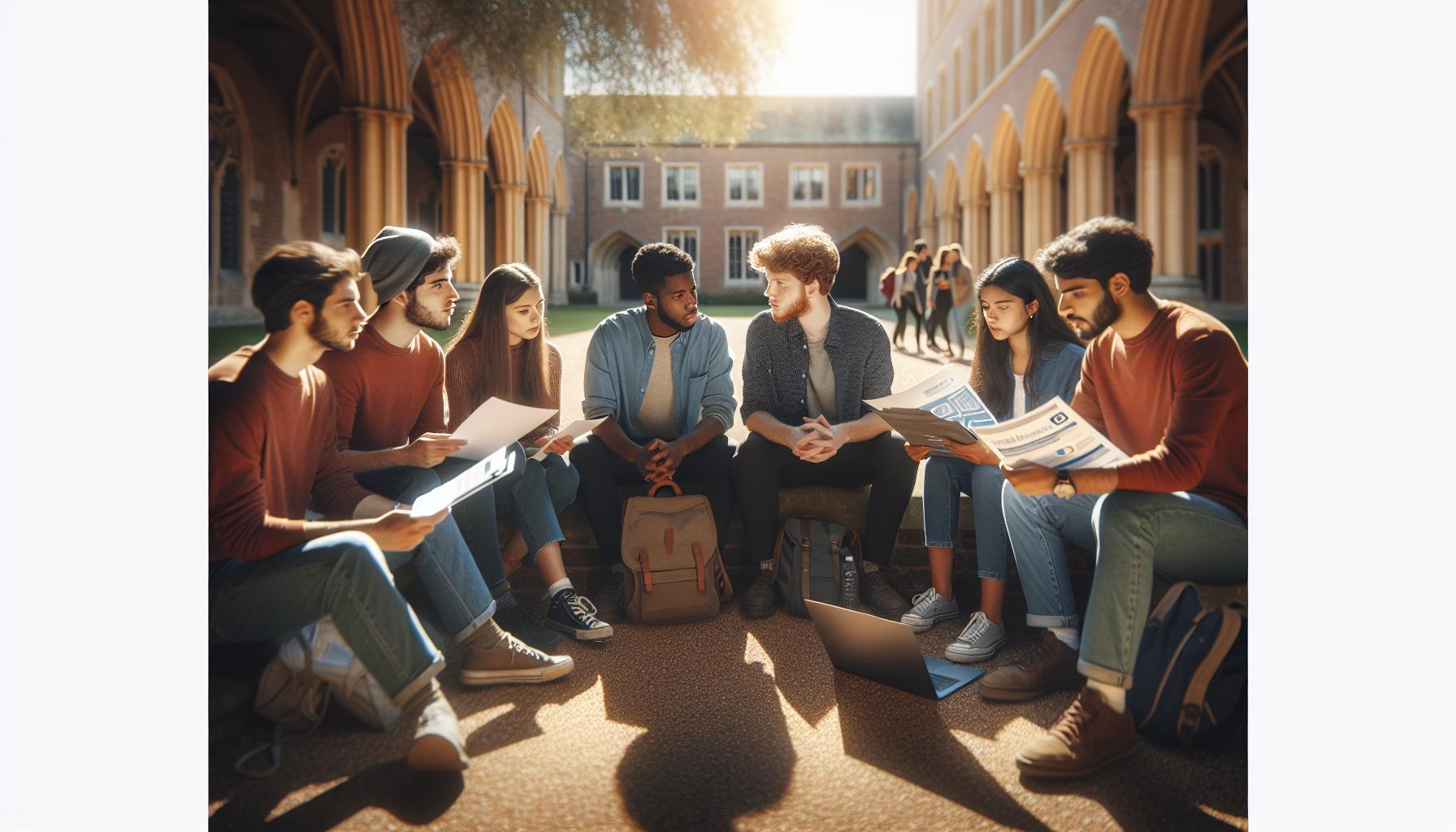
Understanding Student Employment Options
Navigating the world of student employment can feel overwhelming, especially for those balancing online high school with work responsibilities. Luckily, there is a wealth of flexible opportunities available that not only provide a financial boost but also valuable experience and skills that will aid in future career endeavors. Understanding these options is critical for students aiming to enhance their resumes while managing academic commitments.
Part-time jobs are often the first step for students seeking work experience. Roles in retail, food service, or tutoring can offer a manageable workload that fits around class schedules. These positions help students develop essential soft skills such as communication, teamwork, and time management-qualities that employers highly value. For those looking to dive deeper into specific fields, internships provide firsthand experience in a professional environment. Whether it’s a virtual internship at a tech company or onsite positions in local businesses, these roles allow students to apply their classroom knowledge and gain insight into potential career paths.
Freelancing is another flexible option, especially for students with skills in writing, graphic design, or programming. Online platforms like Upwork or Fiverr enable students to set their hours and work on projects that pique their interest, often leading to more tailored career opportunities. Engaging in freelance work not only teaches financial management and client communication but can also help build a professional portfolio-a key resource when applying for future jobs or internships.
Essential Steps for Landing a Job
To successfully secure a position, students should follow a systematic approach to the job application process:
- Research: Explore job boards and company websites for opportunities that align with interests and schedules.
- Networking: Connect with family, friends, and teachers who might know of job openings.
- Resume Writing: Create a clear and concise resume highlighting skills, experiences, and relevant coursework. Utilize online templates for guidance.
- Prepare for Interviews: Practice common interview questions and develop a personal pitch that showcases strengths and motivations.
- Follow Up: After interviews, send a thank-you email to express appreciation and reinforce interest in the position.
Balancing work and academics is undoubtedly a challenge, but it can also be an incredibly rewarding experience. By taking ownership of their career development, students equip themselves with skills and connections that will serve them well into the future. Embracing this journey with enthusiasm and preparation will pave the way for attaining both educational and professional success.
Balancing Work and High School Academics
Managing work alongside an online high school curriculum can be a transformative experience, teaching invaluable skills while enabling financial independence. The flexibility inherent in online schooling provides students the unique opportunity to tailor their studies around their work schedules. However, this balance demands effective strategies and a proactive mindset. By embracing careful planning and time management, students can succeed academically while gaining practical work experience that enriches their resumes.
Firstly, creating a structured schedule is essential. Utilizing planners or digital calendars allows students to visualize their academic commitments alongside their work hours. It’s beneficial to prioritize school assignments and projects, ensuring that deadlines are met without compromising job responsibilities. Students should also consider their natural productivity cycles: if they are more focused in the morning, for instance, it may be wise to schedule intensive study sessions during this time and save lighter tasks or shifts for the afternoon or evening. Open communication with employers about school schedules can often lead to more accommodating work hours, allowing students to balance their commitments effectively.
Moreover, developing skills in time management is crucial for maintaining this balance. Techniques such as the Pomodoro Technique-where students work for a set time followed by short breaks-can enhance productivity, making it easier to complete assignments efficiently. Setting specific goals for both schoolwork and job responsibilities can create a sense of achievement and motivation. For example, a student might aim to complete a certain number of assignments each week, aligning that goal with their work hours for added incentive.
Lastly, establishing a support network can significantly ease the pressure of juggling work and school. Students should not hesitate to reach out to teachers, mentors, or peers; many may offer guidance or share their own experiences of similar challenges. This connection not only provides emotional support but may also open doors to opportunities such as internships or freelance projects that align with students’ career aspirations. Embracing this journey with enthusiasm and a well-thought-out approach will empower students to cultivate both their academic and professional futures.
Top Flexible Part-Time Jobs for Students
In today’s dynamic job market, students enrolled in online high schools have a wealth of flexible, part-time job opportunities at their fingertips. Balancing work and academics can equip you with essential life skills while providing you with some financial independence. The following suggestions highlight engaging options that cater to various interests and schedules, allowing students to gain valuable experiences without compromising their educational commitments.
Flexible Job Options for Online Students
- Tutoring: If you excel in a particular subject, consider offering tutoring services to younger students or peers. This not only reinforces your knowledge but also enhances your resume with teaching experience.
- Retail or Food Service: Many retail stores and restaurants offer flexible hours, especially for part-time employees. These jobs often require minimal experience and can provide excellent customer service skills.
- Freelancing: Utilize your skills in writing, graphic design, programming, or social media management through freelance platforms like Upwork or Fiverr. This allows you to set your own hours and choose projects that interest you.
- Virtual Assistant: Many businesses seek remote help with administrative tasks. As a virtual assistant, you can manage emails, schedule appointments, or handle data entry, all from the comfort of your home.
- Pet Sitting or Dog Walking: These jobs offer flexible schedules and can be a fun way to earn money while spending time with animals. Many pet owners are willing to pay well for reliable care.
- Online Surveys or Market Research: Participating in online surveys or focus groups can be an easy way to earn extra cash during your free time.
Each of these roles encourages the development of crucial skills that can enhance your future career prospects. Whether you choose to work directly with customers, assist others in learning, or provide support to businesses, the experience garnered will serve you well in your career journey.
Finding the Right Opportunity
As you explore these options, applying for jobs remotely could streamline your process. Consider the following steps to make your journey effective:
- Update Your Resume: Highlight relevant skills and experiences, even if they stem from school projects or volunteering.
- Utilize Job Boards: Websites like Indeed, Glassdoor, and LinkedIn can be excellent resources for finding flexible job opportunities tailored for students.
- Network: Leverage your connections through online platforms or school communities to discover job leads or mentorship possibilities.
By embracing a part-time job during your online schooling, you position yourself not only to earn money but also to grow as an individual. The right part-time role can mesh seamlessly with your educational engagements, fostering both academic success and professional development. Embrace this season of your life as an opportunity to explore your career interests and build a robust foundation for your future.
Navigating Internships While in Online School
Internships are invaluable stepping stones for students in online high schools, providing rich experiences and networking opportunities that can significantly enhance future career prospects. With the flexibility that online schooling affords, students can pursue internships that align with their interests, skills, and future aspirations. The key is to proactively seek out opportunities that allow for a balanced integration of academic responsibilities and professional development.
Start by identifying potential internship opportunities that suit your career goals. Utilize online platforms geared towards students seeking internships, such as InternMatch, Handshake, or LinkedIn. Additionally, checking local businesses or organizations that align with your career interests might reveal potential openings. Networking plays an essential role here; reach out to teachers, family, and friends who might know of any available positions. If you have specific companies in mind, don’t hesitate to send unsolicited applications or inquiries about potential internships-many organizations appreciate proactive young talent.
Once you identify a promising internship, it’s time to prepare your application materials. Tailor your resume to emphasize relevant skills and experiences, including any involved school projects or volunteer work. Highlighting your ability to thrive in an online learning environment can set you apart from other candidates. Craft a compelling cover letter that showcases your enthusiasm for the internship and details how it aligns with your career goals. This personal touch can often make a difference in how your application is received.
Remember, it’s essential to manage your time effectively. Establish a schedule that accommodates both your internship and academic commitments. Tools like digital calendars can help you allocate specific hours each week for internship duties, ensuring consistency without compromising your education. Open communication with your supervisor regarding your availability and the need for flexibility can foster a supportive working environment. Through internships, you’ll not only gain experience but also develop lifelong skills in time management, professionalism, and self-discipline, laying a strong foundation for your future career endeavors.
Freelance Opportunities for High School Students
In an era where flexibility is key, many high school students are discovering the diverse world of freelance opportunities. Freelancing not only allows students to earn money but also helps them develop essential skills that can enhance their future career prospects. Whether it’s graphic design, writing, programming, or tutoring, the freelance market is ripe with options tailored for young talent looking to strike a balance between academics and work.
To get started in freelancing, students should first identify their strengths and interests. What skills do you have that others might need? For instance, if you excel in writing, consider offering services like blog writing or academic tutoring. If you have a knack for design, platforms like Canva or Adobe Illustrator can help you create eye-catching graphics for small businesses or social media. Creating an online profile on freelance platforms such as Fiverr, Upwork, or Freelancer can also provide exposure to potential clients looking for services you’re proficient in.
Once you’ve pinpointed your niche, it’s crucial to build a strong portfolio. Even if you’re just starting, you can include school projects, personal achievements, or volunteer work that showcases your abilities. A compelling portfolio not only demonstrates your skills but also your professionalism. Don’t forget to include clear, specific examples of your work, as real-life projects often speak louder than claims.
Networking is equally important in the freelance world. Leverage social media and professional networking sites like LinkedIn to connect with potential clients and other freelancers. Join relevant online communities or forums where you can ask questions and share experiences. Engaging with others in your field not only helps you learn the ropes but can also lead to job referrals.
Lastly, time management is your ally in balancing freelance work with school responsibilities. Create a structured schedule that allocates specific hours for your freelance projects. Using digital planning tools or apps can help you stay organized and ensure you meet deadlines while keeping up with your studies. Embrace the journey of freelancing as a way to not only earn money but also acquire skills that will be invaluable in your career path. Your proactive efforts can lay a strong groundwork for future endeavors, making every challenge a stepping stone toward success.
Essential Resume Writing Tips for Students
Crafting a remarkable resume is one of the most vital steps in launching a successful career, especially for students navigating the transition from online high school to the professional world. A well-structured resume acts as your personal marketing tool, showcasing your skills, achievements, and potential to employers. Since many students may not have extensive work experience, understanding how to effectively highlight relevant skills and experiences can set you apart from other candidates.
To start, ensure your resume is clear, concise, and tailored to the job you are applying for. Begin with a strong objective statement that summarizes your career goals and what you bring to the position. This should be followed by a skills section where you list applicable skills gained from school projects, volunteer work, or extracurricular activities. For example, if you’ve developed strong communication skills through presentations in virtual classes, be sure to mention this, as it is highly valued by employers.
Highlighting Education and Relevant Experience
Students should place emphasis on their educational background, particularly since they may have less professional experience. Include the name of your school, the degree or certification earned, and relevant coursework or projects you’ve completed that relate to the job field. Additionally, if you have participated in internships or part-time jobs, be sure to describe your responsibilities and achievements in these roles. Use action verbs to convey a sense of proactivity-terms like “developed,” “coordinated,” or “managed” can make a strong impact.
- Action Verb: Developed innovative marketing strategies for a school project.
- Achievement: Increased club membership by 30% as president of the student council.
Formatting and Presentation
A clean and professional layout makes it easier for employers to scan your resume. Use consistent fonts and headings, and ensure that there’s ample white space to avoid overwhelming the reader. Most resumes should not exceed one page, so focus on the most pertinent information. Consider using bullet points for lists, as they improve readability. Lastly, proofread your resume meticulously; spelling and grammatical errors can create a negative impression.
Remember, your resume is a dynamic document. As you gain more experience through internships, part-time jobs, or volunteer work, continually revise and update your resume to reflect your skills and growth. Keep it relevant and align it with the characteristics employers are looking for in candidates. By investing the time and effort into creating a standout resume, you position yourself effectively for exciting opportunities and future career success.
Mastering Job Application Processes in Detail
Navigating the job application process can feel overwhelming, especially for students balancing online high school with aspirations of building a career. However, taking a structured approach can empower students to tackle job applications with confidence. Understanding the various steps involved in applying for positions, from crafting a captivating cover letter to acing the interview, can set students apart in a competitive job market.
First and foremost, researching the company and role you’re applying for is crucial. Gain insights into the organization’s values, mission, and recent achievements. This knowledge will enable you to tailor your application and demonstrate genuine interest during interviews. When applying, make sure to customize your cover letter and resume to highlight experiences and skills relevant to the job. A well-crafted cover letter should outline your motivations and how you can contribute to the organization, paving the way for your resume to shine as a testament to your qualifications.
Step-by-Step Application Guidance
The job application process often follows a simple yet effective formula:
- Read the Job Description Thoroughly: Understand the required qualifications and tailor your resume and cover letter accordingly.
- Prepare Your Resume: Use clear and concise language, employ action verbs, and focus on achievements that align with the job description.
- Craft a Compelling Cover Letter: Address it to the hiring manager if possible, mention how your skills make you a perfect fit for the role, and express enthusiasm for the opportunity.
- Follow Up: If you’ve submitted an application, it’s courteous to follow up after a week or two to express continued interest.
After applying, prepare thoroughly for interviews. Conduct mock interviews with friends or family to practice articulating your experiences and how they relate to the desired position. Research common interview questions and prepare thoughtful answers that showcase your skills and passions. Remember to prepare a few questions for the interviewer, as this demonstrates interest and engagement.
Lastly, maintaining a professional online presence can enhance your job search. Platforms like LinkedIn offer opportunities to connect with professionals and explore careers aligned with your interests. By developing a robust profile, students can showcase their skills, share accomplishments, and even engage with relevant industry content, providing a competitive edge.
By diligently following these steps and maintaining a proactive attitude, students can effectively navigate the job application process while managing their academic commitments. Balancing work and school may pose challenges, but with determination and the right strategies, any student can position themselves for career success.
Interview Preparation Strategies for Young Job Seekers
The interview is often the final hurdle in your job application journey, and first impressions matter immensely. Preparing effectively can greatly increase your chances of success. Start by understanding the type of interview you’ll face-whether it’s a traditional face-to-face meeting, a video call, or a phone interview. Each format requires a slightly different approach, so knowing in advance can help you tailor your preparations. A staggering 70% of employers say they make their decision in the first five minutes, so ensuring you present yourself confidently and professionally from the outset is crucial.
To enhance your interview performance, it’s vital to conduct thorough research about the company and the specific role you’re applying for. This includes familiarizing yourself with the organization’s mission, recent projects, and workplace culture. Use this insight to inform your answers and pose thoughtful questions during the interview. Here are some practical steps to help prepare:
Strategic Interview Preparation
- Practice Common Interview Questions: Anticipate questions like “Tell me about yourself” or “What are your strengths and weaknesses?” Prepare concise responses that highlight your skills and experiences relevant to the job. Consider using the STAR method (Situation, Task, Action, Result) to structure your answers effectively.
- Mock Interviews: Conduct mock interviews with friends or family to practice your delivery. This can help you refine your responses and become more comfortable speaking about your qualifications. Ask for feedback on your body language and clarity.
- Dress the Part: Regardless of whether the interview is virtual or in-person, outfit choice can impact your confidence and the impression you make. Dress appropriately for the company culture while ensuring you feel comfortable.
- Prepare Your Questions: Have a list of thoughtful questions ready to ask the interviewer. This shows your interest in the role and can help you determine if the company is the right fit for you.
Finally, remember to follow up after the interview with a thank-you email expressing gratitude for the opportunity to interview and reiterating your enthusiasm for the position. This simple gesture can leave a lasting, positive impression.
By approaching interview preparation with diligence and authenticity, you will not only boost your confidence but also enhance your chances of landing the job that aligns with your career aspirations. Embrace the journey and view each interview as a valuable learning experience, regardless of the outcome.
Building a Professional Network as a Student
Developing a professional network while still in high school can significantly amplify your employment opportunities. Statistics show that about 70% of jobs are found through networking, which makes it crucial for students to start cultivating relationships early on. Building connections in your desired field can provide insights, mentorship, and potential job leads that are invaluable as you transition into the workforce.
One effective way to start networking is through online platforms, particularly LinkedIn, which is widely used by professionals across various industries. Creating a profile that highlights your skills, education, and volunteer experiences can attract connections and opportunities. It’s also beneficial to join groups related to your career interests where you can participate in discussions and meet like-minded individuals.
Additionally, attending virtual workshops, webinars, and career fairs offers unique chances to connect with industry professionals. These events often provide a platform for asking questions and meeting individuals who can provide guidance and support. Following up with a personalized message after these interactions can keep the conversation going and help solidify your connections.
Engagement in school clubs and community organizations is another excellent avenue for networking. Whether it’s a debate club, robotics team, or volunteer group, these settings allow you to meet peers and mentors who share your interests. Don’t hesitate to ask your teachers or school counselors to introduce you to professionals in your field. They often have connections and can provide advice tailored specifically to your career aspirations.
By taking proactive steps to build your network now, you’re laying the groundwork for educational and career success in the future. Embrace every opportunity to connect, learn, and grow within your chosen fields; the relationships you build can open doors to internships, part-time jobs, and valuable career insights that will benefit you long after you graduate.
Time Management Techniques for Student Workers
For many students juggling online high school and part-time jobs, effective time management can be the key to achieving both academic success and valuable work experience. An impressive statistic shows that students who manage their time wisely not only see improvement in their grades but also gain a significant edge in future career prospects. Adopting practical time management techniques will empower you to balance responsibilities without sacrificing your well-being.
One effective strategy is to create a weekly planner. Start by listing all your commitments, including class times, work hours, and deadlines for assignments. Use a digital tool or a physical planner, whichever works best for you. Block out dedicated study time in your planner, ensuring it aligns with your energy levels-some students work better in the morning, while others thrive in the evening. Additionally, schedule breaks to recharge; even short five-minute intervals can improve productivity.
Another powerful technique is the Pomodoro Technique, which involves working for 25 minutes and then taking a 5-minute break. This method can enhance your focus while allowing for regular refreshment, making it easier to stay on track with your studies and work. After completing four “Pomodoros,” treat yourself to a longer break of 15-30 minutes. This approach not only prevents burnout but also keeps your motivation high.
Consider prioritizing tasks using a priority matrix. Label tasks as urgent, important, or both, focusing first on what needs immediate attention while also allocating time for longer-term projects. This method helps in cultivating a proactive mindset, allowing you to anticipate deadlines instead of reacting at the last minute.
It’s also crucial to maintain open communication with your employers and educators. Share your schedule with them-many will appreciate your proactive approach and may even offer flexibility around your work hours during particularly demanding weeks.
By implementing these techniques, you’ll be setting yourself up for success not just in high school but in all the future endeavors your career path might lead you to explore. Remember, mastering time management is a skill that will serve you well throughout your life, enabling you to thrive in both personal and professional realms.
Setting Realistic Career Goals in High School
Setting realistic career goals during high school is crucial for laying a strong foundation for future success. Research indicates that students who set specific, measurable, achievable, relevant, and time-bound (SMART) goals are more likely to stay focused and motivated throughout their educational and early employment journeys. This approach not only enhances academic performance but also equips students with the skills to navigate various career options effectively.
To begin this process, self-reflection is key. Students should take the time to assess their interests, strengths, and aspirations. Questions such as “What subjects do I enjoy?” or “What skills do I excel in?” can lead to insights that guide potential career paths. For instance, a student who enjoys writing and performing well in English could explore careers in journalism, communications, or creative writing. Creating a vision board that showcases their interests and desired careers can serve as a visual reminder of their goals.
Next, students should consider the steps needed to achieve their career goals. This could include seeking out internships or part-time jobs related to their field of interest, which not only provide invaluable experience but also help in developing a professional network. For example, a student aspiring to work in graphic design may start by taking on freelance projects or internships that allow them to build a portfolio. It’s important to remain flexible; goals may evolve as experiences and interests change, so adaptability is a crucial skill in goal setting.
Additionally, students should prioritize academic and extracurricular activities that align with their career interests. Participating in clubs, volunteer opportunities, or online courses can enhance their resumes and provide practical experience. For example, involvement in a debate club can significantly benefit a student interested in pursuing a career in law or public speaking.
Lastly, setting milestones is an effective way to track progress. Create an action plan that outlines short-term and long-term goals, along with specific deadlines. For instance, a student may set a goal to apply for summer internships two months before the school year ends or aim to complete a relevant online course by the end of the semester. Regularly reviewing and adjusting these goals can keep students on track and motivated.
By taking these steps to set realistic career goals, students can navigate the challenges of balancing online schooling with work commitments more effectively. They build not only their academic credentials but also confidence in their ability to succeed in the diverse landscape of future career opportunities.
FAQ
Q: How do online high school programs prepare students for future jobs?
A: Online high school programs equip students with essential skills such as time management, self-discipline, and digital literacy, which are vital for future employment. These programs often include career-focused curricula and real-world projects, helping students gain practical experience relevant to their desired career paths.
Q: What are the best strategies for managing school and work?
A: To effectively manage school and work, students should prioritize tasks with a planner, set a consistent schedule, and communicate with employers about their academic commitments. This approach helps in balancing responsibilities while ensuring academic performance remains strong.
Q: What types of jobs are best for high school students attending online school?
A: The best jobs for high school students in online school are flexible part-time positions, such as tutoring, freelance work, or internships that allow for scheduling around classes. These jobs help students gain experience while maintaining their academic workload.
Q: How can students find internship opportunities while studying online?
A: Students can find internship opportunities by networking through school resources, career fairs, and online job boards focused on youth employment. Initiating conversations on platforms like LinkedIn can also lead to potential internships in their fields of interest.
Q: What skills should high school students highlight in their resumes?
A: High school students should emphasize skills like digital literacy, teamwork, problem-solving, and time management on their resumes. Including any relevant projects or volunteer work can also help substantiate these skills and demonstrate initiative to potential employers.
Q: How can students prepare for job interviews effectively?
A: Effective preparation for job interviews includes researching the company, practicing common interview questions, and preparing thoughtful questions to ask the interviewer. Mock interviews with friends or family can also build confidence and improve performance.
Q: Where can online students find legitimate freelance work opportunities?
A: Online students can find legitimate freelance work through platforms such as Upwork, Fiverr, or Freelancer. They should create a strong profile highlighting their skills and seek projects that fit their expertise to build experience and a portfolio.
Q: What are essential time management tips for online high school students working part-time?
A: Essential time management tips include setting clear daily goals, using productivity apps to track tasks, and establishing a consistent routine. Allocating specific study times around work schedules helps ensure that both responsibilities are balanced effectively.
Future Outlook
As you embark on your journey through online high school, remember that balancing academics with student employment is not just possible – it’s an opportunity for growth. Take the insights from our guide to heart and start exploring part-time jobs, internships, or freelance work that align with your career aspirations. Don’t hesitate to delve deeper into our articles on resume writing and interview preparation to equip yourself with the skills you need to succeed.
Now is the time to take action! Use the tools and resources available to you, and remember that every step, no matter how small, brings you closer to your goals. If you have questions or need further guidance, feel free to leave a comment or share your experiences. We encourage you to subscribe to our newsletter for more helpful tips and resources tailored just for students like you. Continue your exploration and empower your future today!