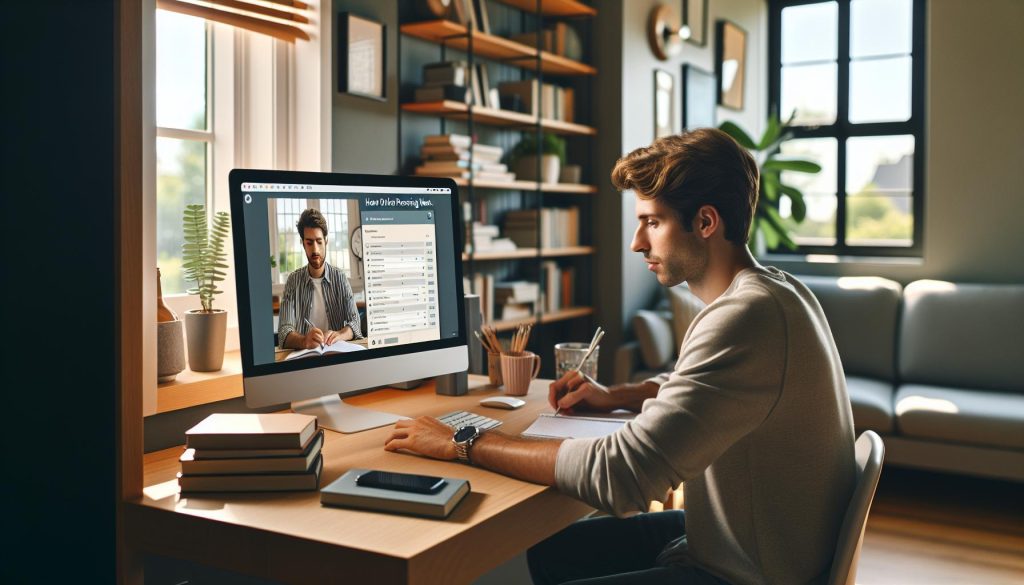
In today’s academic landscape, online proctoring is revolutionizing the test-taking experience, ensuring integrity and accessibility for students everywhere. With the rise of remote learning, understanding how online proctoring works becomes essential for achieving your academic goals. You may be concerned about the technology, the rules, and how it will affect your performance. This guide aims to demystify the online proctoring process, offering valuable tips to help you succeed in your tests. By addressing these common fears and providing practical strategies, we empower you to approach your assessments with confidence. So, whether you’re a seasoned online learner or navigating this system for the first time, read on to discover how you can optimize your test experience and enhance your path to academic success.
Understanding Online Proctoring: The Basics
Online proctoring has revolutionized the way exams are administered, bridging the gap between traditional in-person testing and the growing demand for remote learning. This innovative approach not only ensures exam integrity but also supports students as they navigate their academic journeys from anywhere in the world. As educational institutions increasingly adopt online proctoring solutions, understanding the basics of this technology becomes essential for student success.
At its core, online proctoring involves monitoring students during exams through advanced technology designed to deter cheating and maintain a level playing field. The process generally employs a combination of live proctors and AI systems that utilize webcams and dedicated software to observe students taking their tests. This dual approach allows for real-time oversight while enabling automated flagging of suspicious behavior, ensuring fairness and integrity in the testing environment. For students, this means a flexible testing option, but also the responsibility of ensuring their environment meets specific requirements.
Preparing for an online exam begins well before the test date. Students must familiarize themselves with the technology and practices of their chosen proctoring platform. Reading the guidelines on how to set up a suitable testing environment-free from distractions and potential interruptions-is key. It’s also vital to ensure that appropriate technology is in place, including stable internet connections, cameras, and microphones. By investing time in preparation, students enhance their chances of outperforming concerns about cheating and can focus on demonstrating their knowledge.
Moreover, maintaining academic integrity leads to the development of essential skills that benefit students throughout their careers. Adopting best practices for online proctoring helps cultivate a sense of responsibility and professionalism, qualities that employers highly value. As students adapt to this new testing landscape, they not only gain confidence in their abilities to navigate challenges but also prepare themselves for a future where adaptability and technological proficiency are paramount.
How Online Proctoring Technology Works
The integration of online proctoring technology into educational assessments has fundamentally shifted how exams are conducted and evaluated. By leveraging advanced tools like webcams, screen recording software, and artificial intelligence, institutions can monitor students in real-time, ensuring the integrity of the exam process even when taken remotely. This dual system usually employs both automated solutions for constant surveillance and live proctors who can intervene if necessary, creating a robust framework that mitigates cheating while providing a level playing field for all examinees.
At the heart of this technology is the use of AI-driven algorithms that analyze various forms of data during an exam. For example, platforms such as Respondus Monitor utilize webcams to capture video feeds of students throughout their tests. Suspicious behaviors, such as looking away from the screen or using unauthorized materials, can trigger alerts that are reviewed by instructors post-exam. This proactive approach not only deters dishonest practices but also helps maintain high standards of academic integrity. As students prepare for their online assessments, understanding how these systems function can alleviate anxiety and help them focus on the test itself.
To maximize success in this environment, students should familiarize themselves with the specific proctoring software and its requirements. This includes conducting system checks prior to exam day to ensure that all technical aspects-like camera functionality, internet connection, and microphone capabilities-are in working order. Many platforms provide practice exams or demo sessions that simulate the actual testing situation, offering students the opportunity to acclimate to the proctoring format.
Ultimately, embracing the capabilities of online proctoring technology not only supports academic success but also equips students with valuable skills pertinent to their future careers. By experiencing this advanced form of assessment, students develop resilience and adaptability, traits that will serve them well in a rapidly evolving professional landscape. As they navigate their academic and career paths, understanding and mastering these technologies can empower them to balance work and education effectively while preparing for success in their chosen fields.
Common Online Proctoring Platforms Explained
In the realm of online education, various proctoring platforms have emerged, each aiming to ensure exam integrity and security while also accommodating students’ diverse needs. Understanding these platforms is crucial for any student facing an online exam, as each offers distinct features that can enhance or hinder the testing experience.
One prominent platform is Proctorio, which utilizes advanced tools for identity verification, plagiarism detection, and content protection. It operates primarily using AI-driven algorithms to monitor students through video feeds and screen activity during assessments, ensuring a secure environment. The system allows institutions to customize the level of proctoring based on the exam’s stakes and context, making it versatile for different types of online assessments. Proctorio’s system is designed not only for active monitoring but also for providing insights post-exam, thus enabling instructors to maintain high academic standards.
Another noteworthy option is Premier Proctoring. This platform prides itself on delivering a more personalized experience by employing highly trained live proctors who monitor students during exams. Premier Proctoring supports a broad range of exam types and emphasizes compliance with educational guidelines, making it a reliable choice for institutions seeking a balance between security and student comfort. The presence of real proctors can help mitigate anxiety, as students have a human touch in the process rather than relying solely on automated systems.
PSI is also a leader in the online proctoring landscape, particularly known for its AI-enhanced solutions. It utilizes innovative technology to monitor exams effectively while maintaining a commitment to fairness. PSI aims to streamline processes so that institutions can focus on delivering high-quality assessments without unnecessary complicating factors for students. The AI technology it employs analyzes behaviors in real time, allowing for swift responses if suspicious activity arises.
With such a variety of platforms available, it’s essential for students to familiarize themselves with the specific tools their institutions use. Before exam day, students should take the time to explore the platform’s features, participate in practice exams if offered, and prepare their testing environment to reduce stress. Platforms like Proctorio and PSI often provide comprehensive guides and user-friendly interfaces that can help students understand the technical requirements and functionalities.
Focusing on mastering these platforms not only enhances the academic experience but also prepares students for future professional scenarios where adaptability and tech-savvy skills are invaluable. Leveraging online proctoring tools effectively can empower students, providing them with the confidence and competence needed to navigate their academic and career paths successfully.
Preparing Your Environment for Proctored Exams
Creating the right environment for proctored exams is essential to ensure that you can perform at your best without unnecessary distractions. A well-prepared space not only enhances focus but also helps mitigate anxiety during the exam. Start by selecting a quiet location where you won’t be interrupted. Consider using a room with a door that can be closed to minimize disturbances from family, pets, or other external factors. Ensure that you have all necessary materials on hand, such as a notebook, pens, or other allowed resources, so you won’t need to leave your station once the exam begins.
Next, pay attention to your technology setup. A reliable computer with a stable internet connection is critical for online proctored exams. Before the exam day, test your equipment, including your webcam and microphone, to ensure everything works correctly. Some proctoring systems require specific configurations or software installations, so be sure to follow any guidelines provided by your institution. A good practice session allows you to familiarize yourself with the platform and reduce potential technical frustrations on exam day.
Creating a conducive atmosphere also involves managing physical comfort. Dress comfortably but appropriately, just as you would for an in-person exam. A temperature-controlled room ensures that you are neither too hot nor too cold, which can be distracting. Arranging your desk space ergonomically and tidying up any clutter can help promote a more centered mindset.
Finally, schedule your exam at a time that aligns with your peak performance hours. If you’re a morning person, choose a morning slot, and make sure to have a nutritious breakfast beforehand. If you’re more alert in the afternoon, plan accordingly. Allow yourself downtime before the exam starts to mentally prepare, practice deep-breathing exercises, and visualize a successful test-taking experience. By establishing an optimal environment, you not only enhance your ability to focus and perform but also set a positive tone for your academic journey ahead.
Essential Tech Requirements for Online Proctoring
Establishing a reliable technology setup is vital for successfully navigating online proctored exams. With exams moving to digital platforms, having the right equipment can dramatically influence not only the test-taking experience but also the outcome. A recent study indicated that technical difficulties experienced during exams can lead to increased anxiety, emphasizing the need for thorough preparation. To help you ace your proctored test, ensure that you meet the necessary tech requirements.
Key Technology Components
To guarantee a seamless exam experience, focus on the following essential tech components:
- Computer: A functional computer is non-negotiable. Ensure your device is updated and installed with the necessary software. Both desktops and laptops are acceptable, but verify the specific requirements set by your institution or proctoring service.
- Stable Internet Connection: A stable and high-speed internet connection is critical. Aim for at least 1 Mbps for upload and download speeds to avoid disruptions. Consider using an Ethernet connection instead of Wi-Fi, if available, to enhance stability.
- Webcam and Microphone: Most online proctoring systems require a functioning webcam and microphone to monitor test-takers. Test both before the exam to ensure they are operational, and check that the camera angle allows a clear view of your face and surroundings.
- Security Software: Many proctoring services utilize specific software to monitor exam integrity. Familiarize yourself with any required installations or browser configurations ahead of time. This might include browser extensions or dedicated applications.
- Headphones: If your device’s speakers are likely to create sound or feedback issues, consider using headphones. However, ensure that they are not noise-canceling, as you may need to communicate with the proctor.
Preparation Steps
By preparing these components in advance, you can reduce stress on exam day:
- Test Everything: Run a full equipment test a few days prior to the exam. This includes checking your internet speed, webcam functionality, and microphone clarity. Pay extra attention to any required software installations, ensuring they are completed and functioning without glitches.
- Create a Backup Plan: Technical issues can be unpredictable. Have a secondary device available if possible, and ensure that you know how to quickly reach technology support in case of an emergency.
- Schedule a Practice Run: If possible, arrange a mock exam under similar conditions to your actual test. This can help you become familiar with the proctoring interface and alleviate anxieties related to the technology.
In summary, the technological foundation of your online proctored exam forms the backbone of your success. By investing time in setting up and testing your tech requirements, you can shift your focus back to what truly matters: your knowledge and ability to excel in your exams. Remember, your academic journey is a significant step toward your future career, and being well-prepared will set you on the path to success.
Tips for Staying Calm During Proctored Tests
When faced with the pressure of a proctored online exam, it’s common to experience heightened anxiety. However, research shows that managing stress effectively can enhance your performance. Employing strategies to stay calm and focused can transform your exam experience from a daunting challenge into a manageable task. By incorporating the following techniques, you can approach your online test with confidence and a clear mind.
One effective method is to establish a robust pre-exam routine that includes both mental and physical preparations. Begin your day with calming activities such as meditation, deep breathing exercises, or gentle stretching. These practices can significantly lower your heart rate and promote a sense of tranquility. Additionally, consider setting aside specific times for review prior to your exam to avoid last-minute cramming, which often leads to panic. Aim to walk through your study materials several days in advance, allowing your mind to absorb the information naturally rather than forcing it in the hours leading up to the test.
Another integral part of remaining calm is creating an optimal testing environment. Ensure your space is well-lit, comfortable, and free of distractions. Before the exam, take a moment to arrange your workspace neatly so that everything you need is within arm’s reach. A clutter-free environment can limit visual distractions and help you maintain focus. Furthermore, familiarize yourself with the proctoring software and platform used for the exam ahead of time, so you’re not encountering surprises that could trigger anxiety during the actual test.
Practicing positive self-talk can also be a game changer. Replace negative thoughts with affirmations such as “I am prepared” or “I can handle this challenge.” Developing a mantra that resonates with you can serve as a gentle reminder to stay centered when stress levels rise. Moreover, placing a sticky note with encouraging phrases around your workstation can continuously reinforce a calm mindset during the exam. Remember that every challenge is a stepping stone toward your career goals; maintaining a healthy perspective about the test can help alleviate some pressure.
Lastly, incorporate short breaks during your exam if permitted. A brief pause to close your eyes, stretch, or breathe deeply can refresh your mind and reset your focus. These small moments of calm can make a significant difference, enabling you to approach challenging questions with clarity rather than frustration. Understand that it’s normal to feel a bit nervous, but by employing these strategies, you’ll undoubtedly enhance your test performance and set yourself up for success.
Strategies for Success: Study Techniques for Online Exams
Studying for online exams can be a game-changer in your academic journey, especially when coupled with effective proctoring technology that ensures integrity and helps you stay focused. Preparing wisely not only boosts your confidence but also positions you for success amid the rigors of remote testing. Here are some key strategies to enhance your study techniques specifically tailored for online exams.
Begin by creating a personalized study schedule that accommodates your unique learning style. Break down your syllabus into manageable chunks and allocate specific times for each topic. This structure will help you avoid last-minute cramming, which can exacerbate anxiety. Use tools like digital calendars or time management apps to set reminders and keep track of your progress. A consistent routine enables you to develop a rhythm that can be both productive and reassuring.
Engage with Different Learning Resources
Diversity in study materials can enhance retention and understanding. Explore various resources such as videos, podcasts, and interactive simulations alongside traditional textbooks. Online platforms often host practice quizzes and flashcards that can reinforce learning in a dynamic way. Engaging with material in multiple formats not only solidifies your comprehension but also keeps studying fresh and interesting, combating boredom and burnout.
Collaboration and Communication
Connect with your peers through study groups or online forums. Discussing complex topics or quizzing each other can provide new insights and aid memory retention. The act of teaching others is a powerful method to reinforce your own knowledge. Utilize collaborative platforms like Google Docs or Zoom for real-time interaction. These relationships can also foster a sense of accountability, motivating you to stay on track with your studies.
Simulate Exam Conditions
To truly prepare for the high-pressure environment of a proctored test, practice under similar conditions. Allocate uninterrupted time to take practice exams, mimicking not just the content but also the atmosphere you expect during the actual test. This strategy familiarizes you with the format and timing, while also helping mitigate anxiety. Make sure to use the same technology and software that will be used during the real exam, ensuring you’re comfortable navigating the platform from the outset.
With focused preparation, effective resource utilization, and collaborative efforts, mastering online exams becomes an achievable goal. Remember, balancing academic success with your other obligations-be it part-time work or internships-takes planning, but with these strategies, you can build a robust study routine that supports your growth while paving the way for your future career. Stay committed, and you’ll find your hard work translating not only into good grades but also a steady confidence in your abilities.
Navigating Challenges: Troubleshooting Proctoring Issues
In the world of online proctoring, students can encounter various technical hurdles that may disrupt their exam experience. It’s essential to be prepared and know how to troubleshoot these issues to maintain your focus and performance. A staggering number of students report facing some technical issues during digital exams, ranging from software glitches to connectivity problems, but understanding how to navigate these challenges can help ease anxiety and keep you on track.
One of the most common issues is internet connectivity. A poor or unstable connection can lead to exam interruptions. To minimize this risk, ensure you have a reliable internet connection before the exam. Consider using a wired connection when possible, as it is typically more stable than Wi-Fi. If you must use Wi-Fi, sit close to the router and close any unnecessary applications that may use bandwidth. Additionally, many proctoring services have a test function that allows you to check your connection beforehand; take advantage of this feature.
Another frequent challenge arises from camera and microphone settings. Ensure that your webcam and microphone are working correctly, as proctoring software often requires these devices to track your behavior during exams. Test your equipment ahead of time, and adjust settings as necessary to provide clear video and sound. If your device is not recognized, try restarting both the software and your machine. If problems persist, reach out to technical support well before your exam begins.
Lastly, familiarize yourself with the proctoring software interface. Each platform has its unique quirks, so it’s worthwhile to take a practice exam if the provider offers one. This can help you understand navigation, flagging features, and any specific requirements the software might have. Ensuring you feel comfortable with the platform will significantly reduce stress on test day.
Keep in mind that proctors and technical teams understand that issues can arise. Document any problems you encounter during the test, including screenshots or recordings if possible, to provide a clear account for your instructors. Being proactive in your preparation will not only help you troubleshoot effectively but also bolster your confidence, allowing you to focus on performing your best in the exam.
What to Do if You Encounter Test Disruptions
In the fast-paced world of online proctoring, disruptions can occur unexpectedly, potentially derailing your exam experience. Understanding how to manage these interruptions effectively is crucial for maintaining your focus and performing your best. Whether it’s a technical glitch or an unexpected distraction, having a plan can help mitigate stress during critical moments.
First and foremost, if you face a technical issue-such as internet connectivity loss or software malfunction-remain calm. Document the problem immediately by taking screenshots or notes that clearly illustrate the issue. Most online proctoring systems have a technical support option available during your exam; don’t hesitate to reach out to them for assistance. Providing them with specifics about the disruption will speed up potential resolutions. For instance, if your camera disconnects, inform the support team with the exact error messages you see.
If you happen to encounter a significant disruption, such as being unable to reconnect after an internet outage, it’s essential to know your institution’s policy on test interruptions. Many institutions understand that disruptions are inevitable and have protocols in place to handle them, which may include rescheduling your exam. Contact your instructor or exam coordinator as soon as possible to explain the situation, referencing the documentation you’ve collected to support your case.
Lastly, maintaining a proactive mindset can significantly help in these circumstances. Before your exam, conduct a trial run with your proctoring software to familiarize yourself with its functionalities. This practice can help reduce panic during the actual exam, as you’ll already have navigated most features you might encounter. With good preparation, clear documentation of issues, and swift communication, you can navigate disruptions smoothly and stay on track toward your academic goals. Remember, the ultimate aim is not just to complete the exam successfully but to gain the knowledge that will propel your future career. Embracing these challenges will enrich your problem-solving skills, making you a more resilient and competent professional in any field.
Understanding Academic Integrity in Online Proctoring
Maintaining academic integrity during online proctored exams is essential not just for fostering a fair testing environment but also for upholding your own professional reputation. *Did you know that nearly 70% of employers strongly consider integrity during the hiring process?* This emphasis on honesty highlights why understanding the principles of academic integrity is crucial in today’s educational landscape. When you commit to conducting yourself with integrity during assessments, you not only adhere to institutional guidelines but also develop lifelong skills that will benefit your career progression.
Academic integrity involves being honest about your abilities and following the established rules surrounding exam-taking. In an online proctoring setting, this includes refraining from using unauthorized materials or engaging in any form of deceit, such as collaborating with others during the exam. Proctored exams utilize various technologies-such as AI monitoring, webcam feeds, and browser lockdown tools-to deter misconduct. Understanding how these systems work can help you prepare more effectively and ensure that you’re adhering to integrity policies. For instance, make a point to verify that your environment is free from unauthorized access or resources before beginning the exam.
Strategies to Uphold Academic Integrity
- Review Policies: Familiarize yourself with your institution’s academic integrity policies and the specific rules for online proctoring. Understanding the regulations can prevent accidental violations.
- Prepare Your Environment: Set up your testing area according to proctoring guidelines. Ensure that your workspace is clear of any materials that may provide an unfair advantage, and check that all required technology is functioning properly.
- Be Mindful of Behavior: During the exam, remain aware of your actions. Avoid any movements that could be misinterpreted as cheating, such as looking away from the camera or appearing distracted.
- Support Your Peers: Encourage fellow students to embrace integrity as well. A culture of honesty benefits everyone and strengthens the value of your qualifications.
Embracing academic integrity doesn’t only apply to your exam experience; it extends into your overall career path. As you navigate part-time jobs, internships, or freelance work, showcasing integrity can set you apart in interview processes and professional evaluations. In every step of your academic journey, consider how your choices impact both your learning and your eventual career. By committing to integrity now, you are empowering yourself to become a trusted and ethical professional in your field.
Post-Test: How to Review Your Results Effectively
After completing an online proctored exam, the way you analyze your results can significantly impact your future performance, whether in academics or your professional journey. Understanding your results is vital; it provides insights into your strengths and areas for improvement, guiding your studies and preparations for subsequent assessments. The review process is not just about looking at numbers; it’s also about leveraging feedback to enhance your learning and growth.
Begin by carefully reviewing the feedback provided after the exam. Most online proctoring platforms will give you a breakdown of your performance, highlighting areas where you excelled and topics that may need more attention. Consider the following steps for effective review:
- Identify Trends: Look for patterns in your results. Did you struggle with specific subjects or question types? Recognizing these trends could help you focus your study efforts moving forward.
- Set Goals: Based on your analysis, set actionable goals for your next study session. Whether it’s mastering a particular topic or improving time management during exams, targeted goals can enhance your effectiveness.
- Engage with Resources: Use your institution’s resources, such as tutoring centers or study groups, to further understand complex topics. Engaging with peers or instructors can also provide different perspectives that may clarify challenging concepts.
- Reflect on Test-Taking Strategies: Consider the test format and the strategies you employed. Were you managing your time effectively? Did you encounter distractions? Reflecting on these aspects can lead to better exam preparation techniques in the future.
After you’ve reviewed your results, integrate this newfound knowledge into your study habits. Perhaps adopt different techniques such as more practice tests or exploring varied study materials. Being proactive not only improves your academic performance but can enhance your employability as well; many employers value candidates who show a commitment to continuous learning and improvement. Each exam is an opportunity not only to gauge your knowledge but to develop crucial skills that are applicable in both academic and professional settings.
Lastly, don’t forget to maintain a balanced approach to your academic and professional life. Juggling part-time jobs, internships, or freelance work along with your studies can be demanding, but it also empowers you with invaluable experience. Whether it’s preparing your resume, honing your interview skills, or managing a busy schedule, each moment spent enhancing your skills will serve you well in your future endeavors. Embrace every learning opportunity as a step toward your career growth.
Future Trends in Online Proctoring و Beyond
As online education continues to evolve, so does the technology supporting it, particularly in the realm of online proctoring. This growth is paving the way for innovative solutions that will enhance the exam-taking experience while ensuring academic integrity. Emerging technologies, such as artificial intelligence (AI) and machine learning, are poised to play a critical role in the future of online proctoring. These advancements will enable more sophisticated monitoring, identifying potential violations in real time while minimizing the need for constant human oversight.
With the integration of biometric authentication methods-such as facial recognition, keystroke dynamics, and voice analysis-students can expect a more secure environment during online assessments. These technologies not only help to safeguard the integrity of exams but also streamline the verification process. For instance, a candidate may use their webcam for identity verification at the beginning of a test, supplemented by ongoing behavioral analysis during the exam to ensure that no unauthorized assistance is utilized. Such advancements could greatly reduce instances of cheating, thereby enhancing confidence in online assessment outcomes.
Apart from the technological innovations, the landscape of online proctoring is witnessing a shift toward more flexible assessment formats. Institutions are recognizing the need to create assessments that not only evaluate knowledge but also accommodate diverse learning styles and schedules. Open-book tests, projects, and oral examinations may become more prevalent, allowing for a multidimensional evaluation of student learning while still maintaining integrity through remote proctoring. For students balancing part-time jobs or internships, this flexibility can be invaluable in managing competing demands effectively.
As you prepare for your future, it’s essential to harness these trends to enhance your professional profile. Seek opportunities that align with your academic ventures-whether through internships or part-time jobs that offer remote work options. Leverage your experience with online proctoring platforms by highlighting your adaptability and readiness for digital environments in job applications. Remember, your ability to navigate these new proctoring technologies reflects a valuable skill set for potential employers who prioritize candidates with a knack for embracing change.
In light of these emerging trends, it’s crucial to stay proactive about your career development. Stay updated on the latest innovations in online assessment methods, and consider how you can position yourself as an informed candidate in job interviews. Cultivating a mindset that embraces lifelong learning and adaptability will be essential as you navigate your professional journey in a world that increasingly values flexibility and technological proficiency.
Faq
Q: How do I prepare my technology for online proctored exams?
A: To prepare your technology, ensure your computer meets the software requirements, including a functioning webcam and microphone. Test your internet connection for speed and stability, and consider using an ethernet cable for better reliability. Refer to the Essential Tech Requirements for Online Proctoring section for detailed guidance.
Q: What should I do if I have technical issues during my online exam?
A: If you encounter technical issues, immediately contact your proctoring service’s support team. Document the problem and any error messages. It’s also useful to check your internet connection and restart your device as these actions can often resolve common issues. See Navigating Challenges: Troubleshooting Proctoring Issues for tips.
Q: Are there specific roles for proctors in online exams?
A: Yes, proctors can monitor exams through live video feeds or recorded sessions. They are responsible for ensuring academic integrity by observing students’ behavior and resolving any suspicious activities. Learn more about their functions in the Common Online Proctoring Platforms Explained section of the article.
Q: Can I use notes or textbooks during an online proctored exam?
A: Typically, online proctored exams are closed book, unless otherwise specified. Always check your institution’s guidelines regarding permitted materials to maintain academic integrity. For more insights, refer to the Understanding Academic Integrity in Online Proctoring section.
Q: How does the proctoring software monitor me during the exam?
A: Proctoring software monitors candidates through webcam feeds, screen recordings, and software that tracks browser activity and mouse movements. These tools help ensure test integrity by flagging suspicious behavior. For additional details, see How Online Proctoring Technology Works in the article.
Q: Is it normal to feel anxious before an online proctored exam?
A: Yes, feeling anxious before an exam is common. To manage anxiety, practice relaxation techniques, maintain a positive mindset, and prepare adequately. You can find effective strategies in the Tips for Staying Calm During Proctored Tests section.
Q: What is the process for reviewing results after an online exam?
A: After your exam, results are typically shared through the proctoring platform or your educational institution’s portal. Review feedback thoroughly to learn from your performance and understand any areas for improvement. More tips are available in the Post-Test: How to Review Your Results Effectively section.
Q: What should I do if I believe my exam was disrupted unfairly?
A: If you believe your exam was disrupted unfairly, document the incident and contact your instructor or the proctoring service’s support team immediately. They can help investigate and resolve any issues. For additional guidance, check the What to Do if You Encounter Test Disruptions section.
The Conclusion
As you prepare for your online proctored exams, remember that understanding the process is your key to success. Embrace the tips shared in “How Does Online Proctoring Work: Student Test Success Tips” to alleviate concerns and enhance your confidence. Ready to take the next steps? Explore our detailed guides on effective study techniques and managing exam stress for even more support.
Don’t let uncertainty hold you back-take immediate action to improve your readiness. If you have questions or wish to share your experiences, engage with us in the comments below! Your journey toward academic excellence doesn’t have to be solitary; connect with fellow students and resources that can help you thrive.
For more insights on remote examination tools or tips for balancing your studies with part-time job opportunities, check out our related content. Stay informed, empowered, and ready to tackle your exams with confidence!