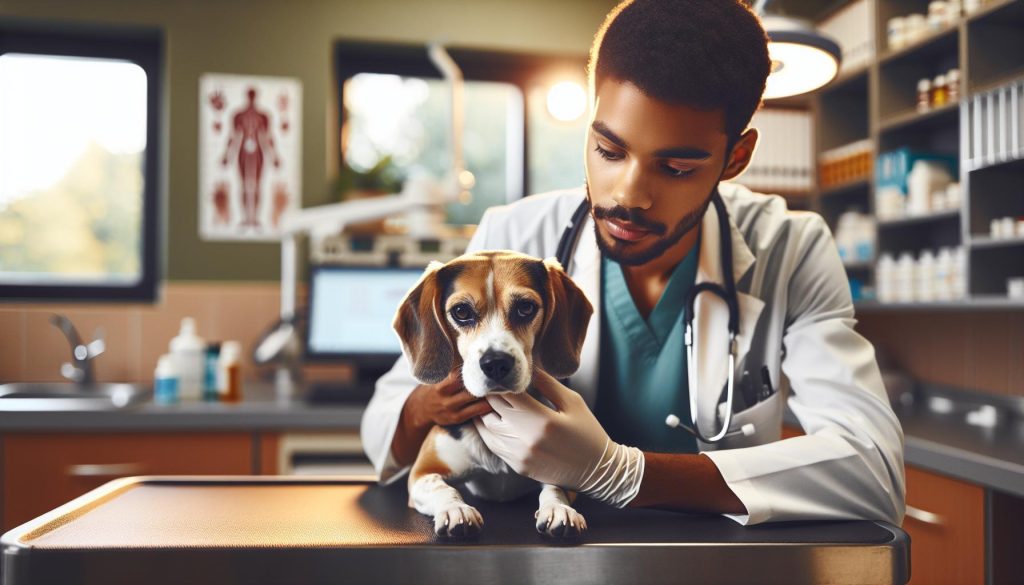
When your dog is itching, sneezing, or feeling anxious, you want quick relief. Many pet owners turn to Benadryl, a common antihistamine known to provide fast relief from allergies and other discomforts. But how long does it take for this medication to work in dogs? Understanding the timing and effects of Benadryl is crucial for ensuring your furry friend finds comfort quickly and safely. In this article, we’ll explore the onset of Benadryl’s effects, answering your concerns and helping you feel more empowered in managing your dog’s health. Read on to discover how you can provide swift relief for your beloved companion.
How Benadryl Works in Dogs
Benadryl, known generically as diphenhydramine, is commonly used in dogs to alleviate allergic reactions. It functions as an H1 antagonist, blocking histamine-one of the primary chemicals responsible for allergic symptoms-from binding to its receptors. When a dog encounters allergens such as pollen, dust, or certain foods, the immune system releases histamines, leading to symptoms like itching, swelling, and inflammation. By blocking this action, Benadryl helps to relieve these symptoms and provides quick relief for both pet and owner.
In addition to allergy relief, Benadryl can also have sedative effects, making it a popular choice for dogs experiencing anxiety during travel or fireworks. The dual mechanism of action-antihistamine effects combined with mild sedation-helps to improve a dog’s comfort in stressful situations. For instance, owners often find that administering Benadryl before a long car ride can reduce restlessness and travel-induced anxiety, making the journey smoother for everyone involved.
It’s important to note that the effectiveness of Benadryl can vary based on individual dog factors such as age, weight, and existing health conditions. Moreover, variations among dog breeds can also influence how well a dog responds to the medication. Understanding these nuances is crucial for optimal dosing and to achieve the best results in managing allergic symptoms or anxiety in dogs.
Understanding Dog Allergies and Symptoms
Many pet owners are surprised to learn that dogs can suffer from allergies just like humans do. Allergies in dogs can arise from various sources including environmental factors, food, or even medications. Recognizing the signs and underlying causes of these allergies is crucial for effective treatment, particularly when considering options like Benadryl for relief.
Common allergens that trigger reactions in dogs include pollen, mold spores, dust mites, and certain ingredients in food such as beef, chicken, or grains. When a dog comes into contact with these allergens, their immune system can overreact, leading to a range of unpleasant symptoms. Symptoms often manifest as persistent itching, redness, swelling, and irritability, making the affected dog uncomfortable. In some cases, dogs may also exhibit gastrointestinal issues like vomiting or diarrhea if food allergies are at play.
To help pinpoint potential allergies, it’s essential for pet owners to keep a close eye on their dog’s habits and environment. Keeping a detailed log of their diet, activities, and any symptoms can aid veterinarians in diagnosing the specific allergen responsible. Knowing which allergens affect your dog can guide effective treatment strategies, including the use of Benadryl to manage allergy-related discomfort.
In summary, understanding the types of allergies that can affect dogs and their associated symptoms will enable pet owners to act quickly when their furry friends are in distress. This foundational knowledge empowers owners to work with veterinarians to create a tailored treatment plan that includes both pharmaceuticals like Benadryl and potential changes in diet or environment to reduce allergen exposure.
Dosage Guidelines for Benadryl in Dogs
are crucial for ensuring your pet’s safety and effectiveness when managing allergic reactions. Typically, the recommended dose is 1 mg of diphenhydramine (the active ingredient in Benadryl) per pound of your dog’s body weight. For example, if your dog weighs 20 pounds, the appropriate dose would be around 20 mg. It’s important to note that Benadryl comes in various forms such as tablets, liquid syrups, and capsules, and the concentration can vary significantly. Always check the label for the concentration and discuss with your veterinarian before administering any medication.
When administering Benadryl, timing and frequency are equally important. The effects of Benadryl typically start to occur within 30 minutes to an hour after ingestion, providing relatively quick relief from allergy symptoms. However, the duration of its effectiveness can vary, generally lasting around 4 to 6 hours. Therefore, if your dog is experiencing prolonged allergic reactions, you can discuss with your veterinarian the possibility of administering another dose after this interval, ensuring you never exceed the recommended maximum dosage.
Additionally, always ensure that you are using a formulation that does not contain any extra ingredients like acetaminophen or other antihistamines, which can be harmful to dogs. It’s advisable to consult with your veterinarian to tailor the dosage to your dog’s specific health needs, especially if your pet has pre-existing conditions or is on other medications. Keeping an eye on your dog’s response to Benadryl after the initial dose can help you gauge future dosages for optimal allergy management.
Factors Affecting Benadryl’s Onset Time
The time it takes for Benadryl to start working in dogs can vary significantly based on several influencing factors. One of the primary aspects is the method of administration. For instance, liquid formulations often show a quicker onset of action compared to tablets or capsules. This is because liquids can be absorbed more rapidly in the digestive system, allowing the active ingredient, diphenhydramine, to enter the bloodstream faster.
Additionally, the dog’s individual metabolism plays a crucial role. Just as in humans, some dogs may process medications more quickly or slowly due to genetic factors, age, or underlying health conditions. For example, younger, healthier dogs typically metabolize substances more efficiently than older dogs or those with liver or kidney issues.
The specific condition being treated also affects how quickly Benadryl may take effect. If a dog is experiencing acute allergic reactions, such as insect bites or food allergies, the onset time may be faster compared to chronic allergy management, where dosages may need to be built up over time for effective management.
Lastly, food intake prior to administering Benadryl can influence absorption rates. If a dog has recently eaten, especially a high-fat meal, it may slow down the absorption of the medication, delaying its effects. To ensure optimal results, it might be beneficial to administer Benadryl on an empty stomach unless otherwise directed by a veterinarian.
Understanding these factors can help pet owners manage their dog’s allergies more effectively and ensure timely relief from symptoms. It’s always recommended to consult with a veterinarian to tailor the approach to your dog’s specific needs.
How Long Does Benadryl Last in Dogs?
The duration of Benadryl’s effectiveness in dogs can be quite significant for pet owners seeking timely relief for their furry companions from allergy symptoms. Typically, the effects of Benadryl, or diphenhydramine, last approximately 4 to 6 hours in dogs. This timeframe can vary based on several factors, including the individual dog’s metabolism, the dosage administered, and the specific condition being treated.
When administering Benadryl, it is important to recognize how various factors can influence its duration of action:
- Metabolism: Just as in humans, some dogs may metabolize medications more quickly or slowly due to factors such as age, weight, and health conditions. Younger and healthier dogs may experience a longer duration of effective relief.
- Dosage: The amount given can affect how long Benadryl lasts. Standard dosage guidelines suggest the use of 1 mg of Benadryl per pound of the dog’s body weight, but always consult with a veterinarian before adjusting dosages.
- Condition Being Treated: Acute allergic reactions may require more frequent dosing compared to ongoing allergy management, which might necessitate a more controlled approach.
If a dog exhibits symptoms after the typical effect window, it may be necessary to discuss additional treatments or alternatives with a veterinarian, especially if the allergies persist or worsen.
Monitoring your dog’s response to Benadryl is crucial. If you notice signs of continued distress or adverse effects, such as increased lethargy or unusual behavior, it’s essential to seek veterinary advice promptly. Understanding how long Benadryl lasts can empower pet owners to better manage their dog’s health and ensure a higher quality of life.
Signs Benadryl is Taking Effect in Dogs
Recognizing when Benadryl is taking effect in your dog can provide reassurance as you observe their responses to treatment. Typically, you can expect to see changes in your dog within 30 minutes to 2 hours of administration, depending on various factors such as their size, metabolism, and the specific condition being treated. As the medication begins to work, some key signs of its effectiveness will become apparent.
One of the primary indicators that Benadryl is alleviating your dog’s allergy symptoms is a noticeable reduction in itching and scratching. If your pup is less aggressive in their attempts to relieve discomfort, it’s a good sign that the medication is actively addressing their allergic reactions. You may also observe decreased inflammation around areas that were previously swollen, such as the face or paws.
In addition to physical changes, behavioral shifts are often a telling sign of Benadryl’s effectiveness. Many dogs experience a calming effect from the medication due to its antihistaminic properties, so you might notice your dog becoming more relaxed or even drowsy. This sedative effect can be beneficial if your dog is anxious or stressed due to allergies, allowing them to rest and recover more comfortably.
As you monitor your dog, it’s essential to take note of these signs along with any changes in their overall demeanor. If you find that they are still exhibiting signs of distress or if new symptoms arise, it may be a signal that further veterinary consultation is necessary to ensure their health and safety.
Safety Precautions When Using Benadryl
When it comes to providing quick relief for your dog’s allergies using Benadryl, safety should always be your top priority. While this over-the-counter medication can be an effective solution for soothing allergic reactions, there are essential precautions to consider before administering it to your furry friend. Understanding these safety measures not only helps prevent potential health risks but also ensures a more effective treatment experience.
Before giving Benadryl to your dog, consult your veterinarian to confirm that it is an appropriate choice for your pet’s specific condition and breed. Some dogs, especially those with pre-existing health issues like glaucoma or prostate problems, may experience adverse reactions to antihistamines. Additionally, it’s crucial to ensure that you are using the right formulation-always opt for plain diphenhydramine, without added ingredients like decongestants or alcohol, which can be harmful to dogs [1].
When measuring the correct dosage, aim for an amount of about 1 mg per pound of your dog’s weight, but be sure to avoid exceeding the manufacturer’s recommended maximum dose. It’s wise to start with a lower dosage and observe your pet’s reaction before increasing it. If you notice any signs of allergic reactions or adverse side effects, such as excessive drowsiness, vomiting, or difficulty breathing, seek veterinary assistance immediately.
Furthermore, always keep Benadryl and other medications out of your dog’s reach. Accidental overdose can occur if a curious pup manages to eat more than the prescribed amount. To provide a safe environment during treatment, monitor your dog’s behavior closely and employ strategies to keep them calm, particularly if they are already anxious or stressed. Overall, following these precautions can help ensure that your dog benefits from the relief Benadryl can offer while minimizing any associated risks.
Alternatives to Benadryl for Dogs
When seeking alternatives to Benadryl for managing your dog’s allergies, several options can provide relief without the potential side effects associated with diphenhydramine. Exploring these alternatives can help you find the best solution for your pet’s specific needs and enhance their comfort during allergy flare-ups.
One popular alternative is hydroxyzine, an antihistamine that may work similarly to Benadryl but is often preferred for its efficacy in treating allergic reactions with potentially fewer drowsiness effects. It is typically prescribed by veterinarians and can offer relief for conditions such as itching, hives, and other allergy symptoms.
Another option is cetirizine (Zyrtec), which belongs to a newer class of antihistamines known for causing less sedation compared to older medications like Benadryl. This makes it a suitable choice for dogs that need allergy relief but still require alertness and activity throughout the day. Consult your vet regarding appropriate dosing, as it may differ based on your dog’s weight and health condition.
For some dogs, non-antihistamine treatments like omega-3 fatty acids or coconut oil can also be beneficial. These natural supplements not only improve the skin and coat health but also help reduce inflammation associated with allergies. Integrating these into your dog’s diet may provide a more holistic approach to managing allergies.
If your dog is experiencing moderate to severe allergies, discussing allergy shots or immunotherapy with your veterinarian might be worthwhile. This method can desensitize your dog to specific allergens over time, providing long-term relief and reducing dependence on medication.
In conclusion, while Benadryl is a common choice for treating allergies in dogs, there are numerous alternatives available that can effectively manage symptoms. Always consult with your veterinarian before introducing any new treatments to ensure they are safe and appropriate for your dog’s unique health profile.
When to Consult a Veterinarian
Consulting a veterinarian is crucial when considering Benadryl for your dog, especially if they are displaying symptoms of allergies or other health issues. While Benadryl can be effective in providing quick relief for conditions like itching, sneezing, and mild anxiety, it is not a one-size-fits-all solution. Every dog has unique health needs, and what works for one may not be suitable for another. Understanding the warning signs that indicate veterinary intervention can save your pet unnecessary discomfort or complications.
If your dog has experienced severe allergic reactions in the past, is taking other medications, or has pre-existing health conditions such as glaucoma, high blood pressure, or respiratory issues, it is essential to get professional advice. For instance, the combination of Benadryl with certain medications can lead to adverse effects. Moreover, specific dog breeds may metabolize medications differently, making it even more critical to seek a vet’s recommendation before administering Benadryl.
It’s also important to discuss any ongoing symptoms that persist despite treatment. If your dog continues to show signs of discomfort like excessive scratching, swelling, or lethargy even after taking Benadryl, it might signal a more serious underlying issue that warrants further investigation. In addition, if your dog shows unusual reactions after taking Benadryl, such as extreme drowsiness, agitation, or increased heart rate, immediate veterinary consultation is necessary.
In sum, proactive communication with your veterinarian regarding your dog’s symptoms and treatment is indispensable for ensuring their health and well-being. By working together, you can develop a tailored approach to managing your dog’s allergies or anxiety effectively, allowing you to make informed decisions that prioritize their comfort and safety.
Potential Side Effects of Benadryl in Dogs
Understanding the is crucial for any pet owner considering its use for treating allergies or anxiety. While Benadryl (diphenhydramine) can provide quick relief, it’s essential to be aware that not all dogs respond the same way. Common side effects can include drowsiness, dry mouth, urinary retention, and, less frequently, vomiting or diarrhea. If you notice any unusual behaviors, such as excessive drooling or a lack of coordination, these may signal an adverse reaction that requires immediate veterinary attention.
Recognizing Serious Side Effects
While most side effects are mild, there are more severe reactions that owners should keep an eye out for. If your dog experiences symptoms like rapid heart rate, difficulty breathing, or seizures, these could indicate an overdose or a serious allergic reaction, often referred to as anaphylaxis. Timely veterinary intervention is critical to prevent more severe complications.
It’s important to administer Benadryl as advised by your veterinarian, typically based on your dog’s weight. Also, not all forms of Benadryl are safe for dogs; some may contain additional ingredients, such as decongestants, which can be harmful. Always check labels and comply with the prescribed dosage to minimize risks.
Monitoring Your Dog’s Condition
After giving Benadryl, monitor your dog closely for any side effects. Keeping a record of your dog’s behavior before and after administration can help you determine how well they tolerate the medication. If you have any concerns or if negative symptoms persist, don’t hesitate to consult your veterinarian for guidance.
In summary, Benadryl can be an effective solution for a variety of issues in dogs, from allergies to anxiety. However, being vigilant about its side effects ensures that your furry friend remains safe and healthy while seeking relief.
Guidelines for Administering Benadryl to Pets
Administering Benadryl to your dog can be a straightforward process with the right knowledge and precautions. To ensure a safe and effective experience, start by consulting your veterinarian for personalized guidance based on your dog’s weight, breed, and specific health needs. The typical dosage of Benadryl is roughly 1 mg per pound of body weight, but this can vary significantly based on the first-time use and any underlying health issues.
When selecting the Benadryl product, it’s crucial to choose plain diphenhydramine formulations without additional ingredients such as decongestants or alcohol, which can be harmful to dogs. Always read the label carefully and double-check that the product is appropriate for canine use. If you’re ever in doubt, your veterinarian is the best resource for clarifying what can be given to your dog.
Before administering the medication, have a quiet environment prepared. Dogs can be sensitive to changes in their surroundings, especially when they are not feeling well. Once you’re ready, use a method that ensures your dog takes the Benadryl without a fuss. This might involve hiding the tablet in a small amount of peanut butter or cheese, as many dogs are motivated by tasty treats.
After giving the medication, keep an eye on your pet for any potential side effects. It’s wise to monitor your dog for at least an hour after administration, noting behaviors such as drowsiness or changes in appetite. If your dog displays any adverse reactions, such as excessive drooling, confusion, or inability to stand, contact your veterinarian immediately. Following these guidelines can maximize the benefits of Benadryl while minimizing potential risks, ensuring your furry companion achieves the relief they need promptly.
Frequently Asked Questions About Benadryl for Dogs
It’s natural for pet owners to have questions about administering Benadryl to their dogs, especially regarding its effectiveness and safety. The quick accessibility of this antihistamine can lead to diverse inquiries about its usage. Here are some common questions answered to help you better understand how Benadryl works for your furry friend.
How quickly does Benadryl take effect in dogs?
Benadryl generally begins to take effect within 30 minutes to 2 hours after administration, although individual responses can vary based on factors such as your dog’s size, metabolism, and overall health. For optimal results, it’s often best to dose Benadryl in a calm environment where your dog feels secure.
What symptoms can Benadryl help alleviate?
Benadryl is primarily used to relieve allergic reactions in dogs, including symptoms like itching, swelling, and hives. It can also be beneficial for conditions such as motion sickness and anxiety during travel. However, it’s vital to monitor your pet’s reaction to the medication and consult a veterinarian for tailored advice.
Is Benadryl safe for all dogs?
While Benadryl is commonly safe for most dogs, specific breeds and health conditions may pose risks. For example, dogs with pre-existing health issues, or those taking other medications, should avoid Benadryl unless explicitly recommended by a veterinarian. Always consult your vet before starting your dog on Benadryl, particularly if it’s their first time using it.
What should I do if my dog has an adverse reaction?
It’s crucial to be vigilant after administering Benadryl. If your dog exhibits unusual behaviors such as excessive drooling, lethargy, or difficulty standing, seek veterinary assistance immediately. Being proactive in monitoring your pet’s response will help ensure their safety while on medication.
By addressing these frequently asked questions, pet owners can navigate the complexities of administering Benadryl more confidently, making informed decisions that prioritize their dog’s health and wellbeing.
Frequently Asked Questions
Q: How quickly can I expect Benadryl to relieve my dog’s allergy symptoms?
A: Benadryl typically takes about 30 minutes to 1 hour to start relieving allergy symptoms in dogs. For best results, administer the medication at least 30 minutes before exposure to allergens or when you anticipate symptoms may arise.
Q: Can the onset time of Benadryl vary between different dogs?
A: Yes, the onset time of Benadryl can vary depending on factors like your dog’s weight, metabolism, and overall health. Some dogs may feel relief sooner, while others may take longer to show effects. Always monitor your pet after administering it.
Q: What should I do if Benadryl doesn’t seem to work for my dog?
A: If Benadryl doesn’t seem to work after 1-2 hours, consult your veterinarian. They may recommend an alternative treatment or adjust the dosage. It’s also important to rule out other health issues that may affect your dog’s reactions.
Q: Is it safe to give Benadryl to my dog if they are on other medications?
A: Consult your veterinarian before giving Benadryl to a dog currently on other medications. Some drug interactions can alter the effectiveness of Benadryl or cause adverse effects. Your vet can provide tailored advice based on your dog’s health profile.
Q: How can I tell if Benadryl is effective in reducing my dog’s symptoms?
A: You can observe for signs such as reduced itching, less scratching, and a calmer demeanor in your dog. If symptoms improve within the expected timeframe (30 minutes to 1 hour), it’s likely Benadryl is working effectively.
Q: Are there any factors that delay the effectiveness of Benadryl in dogs?
A: Factors such as the formulation of Benadryl (liquid versus tablet), your dog’s age, weight, and overall health can affect the effectiveness. Additionally, food intake prior to giving Benadryl may influence absorption rates.
Q: Should I administer Benadryl on an empty stomach for faster results?
A: Giving Benadryl on an empty stomach may help it work faster, as food can slow absorption. However, ensure your dog is not prone to stomach upset. Always follow dosage guidelines and best practices from your veterinarian.
Q: Can Benadryl cause drowsiness in dogs, and how can I manage it?
A: Yes, drowsiness is a common side effect of Benadryl in dogs. If your dog experiences excessive drowsiness, ensure they have a comfortable, quiet place to rest. If drowsiness is severe or prolonged, contact your veterinarian for advice.
The Conclusion
If you’re considering using Benadryl for your dog, remember that knowing how long it takes to work can truly ease your pet’s discomfort. While it typically takes about 30 minutes to 2 hours for the effects to kick in, always consult with your veterinarian to ensure the right dosage and safety measures for your furry friend. Don’t hesitate – your pet deserves quick relief today!
For more tips on pet care, check out our guides on safe medication options and how to manage common allergies in dogs. And don’t forget to sign up for our newsletter for the latest updates and expert advice delivered straight to your inbox! Have questions or experiences to share? We encourage you to leave a comment below and connect with fellow pet owners. Together, we can ensure our pets live happy, healthy lives!