
When it comes to managing pain and inflammation in our beloved dogs, carprofen is a commonly prescribed solution. However, understanding how long it takes for this medication to take effect is crucial for pet owners and veterinary students alike. Timing can significantly impact a dog’s comfort and recovery, making it essential to grasp how carprofen works within the body. In this guide, we will explore factors influencing the onset of carprofen’s effects, ensuring you are prepared to provide valuable insights to pet owners and improve the welfare of their canine companions. So, let’s dive in and uncover the key details about this vital medication and its role in canine healthcare!
How Does Carprofen Work in Dogs?
Carprofen is a nonsteroidal anti-inflammatory drug (NSAID) that plays a crucial role in managing pain and inflammation in dogs. Its primary mechanism of action involves inhibiting the production of certain hormones, known as prostaglandins, which are responsible for inflammation, pain, and fever in the body. By blocking the enzyme cyclooxygenase (COX), specifically COX-2 which is involved in the inflammatory response, carprofen effectively reduces swelling and alleviates the pain associated with various conditions. This targeted approach means that dogs can experience relief from discomfort while potentially avoiding some of the gastrointestinal side effects that can occur with other NSAIDs that inhibit COX-1.
Veterinary practitioners commonly prescribe carprofen for a variety of conditions, such as osteoarthritis, postoperative pain, and soft tissue injuries. Its efficacy can often be seen within one to two hours post-administration, making it a go-to option for swift pain relief in dogs. For example, if a dog has undergone surgery, carprofen can significantly enhance its quality of life during recovery by managing post-surgical pain more effectively.
Beyond its effectiveness, the drug’s safety profile is generally well-studied, but factors like individual dog health, age, and concurrent medications can influence its effectiveness and dosage. Therefore, veterinarians often recommend regular monitoring during treatment to ensure the best outcomes for canine patients. Understanding how carprofen works not only helps pet owners make informed decisions regarding their dog’s health but also emphasizes the importance of consulting with a veterinarian to tailor the treatment to their pet’s specific needs.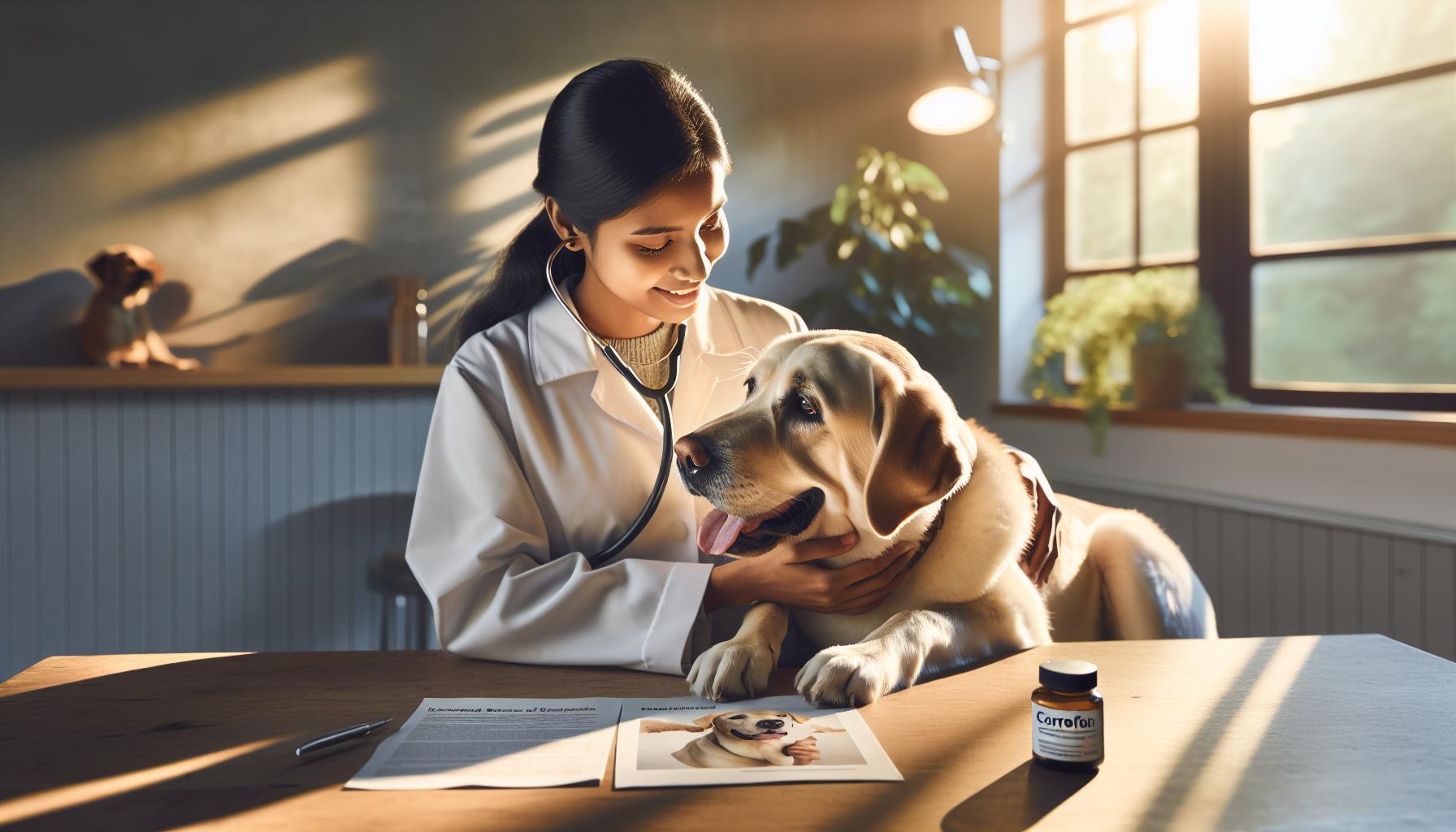
Understanding the Benefits of Carprofen
Carprofen is more than just an anti-inflammatory medication; it serves as a lifeline for many dogs suffering from painful conditions. One of the primary benefits is its ability to provide rapid relief, helping dogs regain comfort and mobility quickly after surgery or injury. For pet owners, witnessing their beloved companions transition from discomfort to a state of relief can be a profound experience, reinforcing the importance of effective pain management.
Moreover, carprofen is specifically designed to be selective in its action. By primarily targeting the COX-2 enzyme, it minimizes the risk of gastrointestinal side effects-which can be a concern with non-selective NSAIDs that also inhibit COX-1. This targeted approach not only enhances safety but also makes carprofen a preferred option among veterinarians for long-term management of chronic conditions like osteoarthritis. Many dogs on carprofen have shown improved quality of life, illustrating how a well-timed prescription can significantly impact a pet’s daily enjoyment and activity levels.
Another crucial aspect of carprofen is its versatility. Veterinarians leverage it for a variety of conditions beyond post-surgical pain, including chronic pain syndromes, inflammatory conditions, and even for generalized discomfort that comes with aging. This adaptability makes it a go-to choice in veterinary medicine, providing relief to countless dogs from different backgrounds and health situations.
Lastly, the convenience of carprofen in tablet form means that administering it can easily fit into a dog’s routine. Pet owners can incorporate it seamlessly, ensuring their pets remain comfortable without the hassle of complicated treatment regimens. When paired with a solid understanding of dosages and monitoring, carprofen represents not just a medication, but a trusted solution in veterinary care that empowers both dogs and their owners.
Common Uses of Carprofen in Veterinary Medicine
Carprofen has become an invaluable tool in veterinary medicine, widely utilized for its effectiveness across various conditions affecting dogs. Its primary function as a non-steroidal anti-inflammatory drug (NSAID) is crucial not only for managing postoperative pain but also for alleviating chronic pain associated with ailments like osteoarthritis. The versatility of carprofen allows veterinarians to prescribe it for a range of inflammatory conditions, from acute injuries to long-term degenerative diseases, highlighting its importance in both surgical and rehabilitative contexts.
One common use of carprofen is in the management of pain following orthopedic surgeries, such as cruciate ligament repairs. In these cases, the quick reduction of pain and inflammation can significantly aid in recovery, allowing dogs to regain mobility and comfort sooner. Additionally, carprofen is frequently employed for dental procedures where inflammation and pain management are paramount. Many veterinarians also recommend it for older dogs suffering from arthritis, where its COX-2 selective properties help manage discomfort with a lower risk of side effects compared to traditional NSAIDs.
Furthermore, carprofen is sometimes used off-label to manage pain due to cancer or other chronic conditions, illustrating its role in improving quality of life. By addressing discomfort associated with various health issues, carprofen not only helps in alleviating physical pain but also plays a critical role in maintaining the overall well-being of dogs, thereby enhancing their daily activities and interactions.
In conclusion, the broad spectrum of carprofen’s applications underscores its significance in veterinary practices. With its ability to provide targeted relief, carprofen continues to be a cornerstone in the approach to pain management for dogs, supporting both acute and chronic conditions effectively.
How Quickly Can You Expect Results?
Carprofen is known for its relatively quick onset of action, making it a popular choice among veterinarians for managing pain and inflammation in dogs. Typically, you can expect to see improvements in your dog’s condition within a few hours of administering the medication. Many pet owners report noticeable relief in their dogs within 1 to 2 hours after the first dose. However, the full effect of carprofen may take a day or two to become apparent, especially in cases involving chronic pain or inflammation, such as osteoarthritis.
The speed at which carprofen works can vary depending on several factors. The individual dog’s metabolism, the severity of the condition being treated, and whether the medication is given with food can all influence the effectiveness and timing of the relief. For instance, administering carprofen with a meal may slightly delay absorption but can also help reduce potential gastrointestinal upset, a common side effect of NSAIDs.
It’s essential to monitor your dog closely during the initial treatment period. After administration, watch for signs of improvement, such as increased activity level, decreased pain responses, or improved mobility. If you do not observe any positive changes within 24 to 48 hours, consulting your veterinarian is crucial. They may evaluate whether adjustments in dosage or alternative treatments are necessary to ensure your pet receives the best care.
Factors Influencing Carprofen’s Effectiveness
Understanding the complexities of pain management in dogs reveals that several factors can significantly influence how effectively carprofen- a commonly used nonsteroidal anti-inflammatory drug (NSAID)-works. Key determinants include the individual dog’s metabolism, the condition being treated, and how the medication is administered.
One of the most critical factors is the dog’s metabolism. Like humans, dogs can have varying metabolic rates based on genetics, age, and overall health. A younger, more active dog may metabolize medications faster than an older dog or one with underlying health conditions, leading to both differences in response times and levels of effectiveness. Additionally, if the dog is on other medications or has concurrent health issues, these factors can further complicate how carprofen interacts within the body, potentially prolonging relief from pain or reducing medication efficacy.
The severity of the condition being treated also plays a significant role. For example, acute injuries may respond more quickly to carprofen, while chronic conditions like arthritis might require longer durations for significant improvement. Pet owners often find that the timing and nature of the pain can dictate how soon they see changes after administering the drug. Veterinary professionals may adjust dosages accordingly or suggest alternative treatments if the initial regimen appears ineffective.
Moreover, the method of administration can influence carprofen’s effectiveness. Administering the medication with food can sometimes delay absorption slightly, but this approach may be beneficial in mitigating gastrointestinal upset, a common risk with NSAIDs. Thus, depending on the dog’s tolerance to the medication, veterinarians often recommend timing and methods of administration that maximize both absorption and comfort.
In summary, understanding these influencing factors is vital for pet owners and veterinary students alike, as it leads to more effective management plans tailored specifically to each dog’s unique needs.
Dosage Guidelines for Carprofen in Dogs
Determining the appropriate dosage of carprofen for dogs is crucial for maximizing its effectiveness while minimizing potential side effects. Carprofen, typically prescribed for managing pain and inflammation in dogs, comes in various forms, including tablets and chewables, making it relatively easy to administer. The standard dosage is often tailored to the dog’s weight and the specific condition being treated.
For initial treatment, a common guideline is to administer 2 mg per pound of body weight (approximately 4.4 mg/kg) every 12 hours for the first 24 hours. After this initial period, the dosage can be reduced to 1 mg per pound of body weight (approximately 2.2 mg/kg) given once or twice daily, depending on the veterinarian’s recommendations and the dog’s response to the medication. For example, a 50-pound dog may start with 100 mg of carprofen twice on the first day and then be maintained on 50 mg once or twice a day thereafter.
It’s important to note that dog owners should never adjust the dosage without consulting a veterinarian. Factors such as the dog’s age, health conditions, and concurrent medications can significantly influence the appropriate dosage. Additionally, carprofen should be given with food or immediately after to reduce the risk of gastrointestinal upset, a common side effect associated with NSAIDs.
If the dosage is missed, it is recommended to administer the missed dose as soon as remembered unless the next dose is near. In such cases, skip the missed dose and return to the regular dosing schedule. Doubling the dose to compensate for missed medication can lead to severe adverse effects. Regular follow-ups with a veterinarian can help ensure that the dosage remains effective and that any side effects are managed promptly.
Potential Side Effects of Carprofen
While Carprofen is widely recognized for its effectiveness in relieving pain and inflammation in dogs, pet owners should be aware of its potential side effects to ensure their furry friends remain safe while receiving treatment. Most commonly, dogs may experience gastrointestinal issues, which can manifest as vomiting, diarrhea, or a loss of appetite. This is partly because non-steroidal anti-inflammatory drugs (NSAIDs) like Carprofen can irritate the stomach lining. To mitigate this risk, it’s advisable to administer Carprofen with food or immediately after meals.
Another crucial aspect to monitor is the dog’s kidney function, as prolonged use of Carprofen can lead to renal impairment, particularly in older dogs or those with pre-existing conditions. It’s essential to observe any signs of lethargy, increase in thirst, or urination, which may indicate kidney stress. Additionally, while rare, some dogs may have allergic reactions to Carprofen, presenting symptoms like swelling, hives, or difficulty breathing. In such cases, immediate veterinary attention is warranted.
Here are some key points to keep in mind regarding the side effects of Carprofen:
- Gastrointestinal Issues: Vomiting, diarrhea, loss of appetite.
- Kidney Concerns: Increased thirst and urination, lethargy.
- Allergic Reactions: Swelling, hives, difficulty breathing.
It’s vital to maintain open communication with your veterinarian, who can guide you through the treatment process and make necessary adjustments based on your dog’s health. Regular check-ups can help in monitoring any adverse effects and ensure that Carprofen remains a suitable option for pain management. If at any time you notice unusual behavior or symptoms in your dog, don’t hesitate to consult your vet for guidance on maintaining their health and comfort.
What to Do If Your Dog Shows No Improvement
If you’ve been administering Carprofen to your dog and notice no signs of improvement after a reasonable period, it’s essential to take decisive action to ensure your pet’s health and comfort. First, remember that it can take several days for Carprofen to reach its full effect, but if after this timeframe you’re not seeing any reduction in pain or inflammation, it may be time to reassess the situation.
Open a line of communication with your veterinarian. They can provide valuable insights based on their assessment of your dog’s specific condition and overall health. Your vet might recommend an adjustment in the dosage or suggest switching to a different medication if Carprofen is not effective. Additionally, they may perform tests to identify underlying issues that could be complicating your dog’s recovery, such as kidney function tests or imaging studies to assess joint conditions.
Monitor your dog closely for any changes in behavior or symptoms. Keep a detailed record of their condition, including any side effects and their general mood or energy levels. This information can be incredibly helpful to your veterinarian during your consultation. If your dog appears to be in significant pain or discomfort, don’t delay in seeking professional advice, as there may be alternative options for pain management that could be more effective.
Remember, managing a dog’s pain isn’t just about medication. Lifestyle adjustments, such as changes in diet, weight management, gentle exercise, and physical therapy, can also contribute to their overall well-being. Consider discussing these holistic approaches with your veterinarian to create a comprehensive plan tailored to your dog’s needs. Taking proactive steps will not only aid in your dog’s recovery but will also alleviate your worries as a devoted pet owner.
Alternatives to Carprofen for Pain Management
When it comes to managing your dog’s pain, there are several effective alternatives to Carprofen that can be considered depending on the specific condition and needs of your pet. Exploring different options not only provides relief but also allows for a more tailored approach to pain management. Pet owners should always consult with a veterinarian to determine the best course of action.
One common alternative is Gabapentin, which is often used for nerve pain and can be beneficial for dogs with chronic pain conditions. It works by inhibiting the release of excitatory neurotransmitters, thus helping to reduce pain signals transmitted to the brain. Another option is Tramadol, an opioid-like medication that can be effective in treating moderate pain, particularly after surgeries or in cases of osteoarthritis.
Natural Pain Management Options
For those looking for holistic approaches, several natural remedies can complement traditional medication. Options include:
- Turmeric: Known for its anti-inflammatory properties, turmeric can be made into a paste or given in powdered form.
- Omega-3 Fatty Acids: Found in fish oil, these can help reduce joint inflammation and support overall joint health.
- Physical Therapy: Incorporating gentle exercises and stretching routines can promote mobility and reduce stiffness.
- Acupuncture: Some pet owners find that acupuncture helps alleviate pain and improves their dog’s quality of life.
It’s crucial to keep in mind that while these alternatives can be effective, they may not work for every dog. The effectiveness of each option can vary based on the individual pet’s health status and the nature of their pain. Therefore, regular communication with your veterinary provider about treatment efficacy is essential, ensuring that your dog receives optimal care tailored to their specific needs.
Monitoring Your Dog’s Response to Treatment
with carprofen is crucial to ensuring that they are receiving the most effective pain management. Observing your pet’s behavior and physical condition can provide valuable insights into how well the medication is working. Initially, it’s important to take note of any changes in their activity levels, appetite, and overall mood, particularly within the first few days of treatment, as carprofen typically begins to take effect within a few hours, but the full impact may not be seen for several days.
Start by keeping a daily journal or checklist to track your dog’s progress. You might include observations such as:
- Activity Level: Is your dog moving more freely or engaging in play? Are they less hesitant to walk or run?
- Appetite: Has there been any change in your dog’s willingness to eat? Increased hunger can be a sign of improved well-being.
- Behavior: Notice if there are any mood changes, like increased sociability or reduced irritability.
- Pain Indicators: Look for signs of pain such as whimpering, avoidance behaviors, or difficulty lying down.
In conjunction with these observations, age, weight, and overall health conditions should also be considered, as they can influence how effectively carprofen works for your dog. Be proactive in arranging follow-up appointments with your veterinarian to discuss your dog’s progress. If you notice that your dog is not responding to treatment as expected, or if you observe any unusual side effects, immediate consultation is essential. Adjustments to dosage or switching to an alternative medication may be required based on your veterinarian’s recommendations.
Being attentive and actively monitoring your dog’s response not only helps in maximizing their comfort but also fosters a deeper bond between you and your pet as you navigate their healing journey together.
When to Consult Your Veterinarian About Carprofen
Veterinary professionals emphasize the importance of monitoring a dog’s response to medication, particularly when it comes to carprofen. Although this non-steroidal anti-inflammatory drug (NSAID) typically begins to work within a few hours, the full benefit may take several days to manifest. If you notice that your dog is not exhibiting any signs of improvement within this time frame, or if their condition appears to worsen, it’s crucial to reach out to your veterinarian promptly. They may need to adjust the dosage or consider alternative treatments to better address your dog’s needs.
Additionally, it’s vital to keep a close eye on any potential side effects. Side effects of carprofen can include gastrointestinal issues, such as vomiting or diarrhea, as well as lethargy or behavioral changes. If you observe these symptoms persisting or becoming severe, consult your veterinarian. Early intervention can prevent complications and ensure appropriate management of your dog’s pain and inflammation.
Regular check-ins with your veterinarian should be part of your pet care routine. Even if your dog shows some improvement, a follow-up appointment can help verify the effectiveness of the treatment, assess your dog’s overall health, and allow for any necessary adjustments to the treatment plan. Being proactive in your dog’s care is essential, as it not only maximizes their comfort but also underscores the important partnership between you and your veterinarian in managing your pet’s health.
Tips for Administering Carprofen Safely
Administering medication to pets can feel daunting, but with the right approach, you can ensure your dog receives carprofen safely and effectively. Proper administration not only maximizes the medication’s therapeutic effects but also minimizes potential side effects. Here are some practical tips to consider when giving carprofen to your furry friend.
Understand the Dosage: Always follow your veterinarian’s prescription regarding the dosage of carprofen. This NSAID is typically given based on your dog’s weight and condition. It’s important to use an accurate measuring tool-like a pill cutter for tablets or a syringe for liquid formulations-to ensure the correct dose is administered each time.
Watch for Dehydration: Carprofen can sometimes lead to gastrointestinal upset, which may cause your dog to drink less water. Keep an eye on their water intake, and encourage hydration if you notice they aren’t drinking as much as usual. If dehydration seems to set in, consult your veterinarian.
Food is Key: Administering carprofen with food can greatly reduce the risk of gastrointestinal side effects. A little treat or a small amount of their regular food can help mask the taste of the medication and provide a protective coat in the stomach, minimizing any harsh effects.
Be Observant: After starting carprofen, closely monitor your dog for any signs of adverse reactions. Look for changes in appetite, energy levels, or bowel habits. If your dog becomes lethargic, stops eating, or you notice any symptoms such as vomiting or diarrhea, reach out to your veterinarian immediately.
Incorporating these strategies into your routine can enhance the effectiveness of carprofen and ensure your dog receives the pain relief they need while keeping them safe from potential risks. Always stay in close communication with your veterinarian to adapt the treatment plan as needed and with any concerns that may arise.
Q&A
Q: How long does it typically take for Carprofen to show effects in dogs?
A: Carprofen usually starts to work within 1 to 2 hours after administration, peaking in effectiveness at around 4 to 6 hours. For best results, follow your veterinarian’s dosage guidelines to ensure proper management of your dog’s pain and inflammation.
Q: What factors can influence how quickly Carprofen works in dogs?
A: Several factors can affect Carprofen’s onset of action, including the dog’s size, age, health status, and the severity of their condition. Always consult your vet if you notice any unusual symptoms or slow response to treatment, as individual responses can vary.
Q: Can dietary factors affect Carprofen’s absorption in dogs?
A: Yes, food can impact Carprofen’s absorption. Administering it with food may slow its absorption, potentially delaying its pain relief effects. Consult your veterinarian for the best way to give Carprofen based on your dog’s dietary habits.
Q: How should I monitor my dog while they are on Carprofen?
A: Observe your dog for any changes in behavior, appetite, or activity level after administering Carprofen. Report any side effects like vomiting, diarrhea, or lethargy to your veterinarian immediately. Regular check-ins can help monitor treatment effectiveness and adjust dosages as necessary.
Q: When should I expect my dog’s pain to improve after starting Carprofen?
A: Many dogs show signs of pain relief within a few hours of the first dose, but noticeable improvement might typically occur within 24 to 48 hours. If there is little to no improvement, consult your veterinarian to explore alternative treatments or investigate underlying issues.
Q: Is there a specific time I should give Carprofen to my dog for optimal results?
A: For long-term use, it’s best to administer Carprofen consistently at the same time each day. This helps maintain stable drug levels in your dog’s system, maximizing its effectiveness in pain and inflammation management.
Q: How do I know if Carprofen is working for my dog?
A: You can assess Carprofen’s effectiveness by observing your dog’s behavior, mobility, and overall well-being. Look for signs such as decreased limping or discomfort during movement, decreased vocalization of pain, and improved appetite.
Q: What should I do if my dog doesn’t improve with Carprofen?
A: If your dog shows no improvement after a few days on Carprofen, contact your veterinarian for further evaluation. They may recommend alternative treatments or modify the dosage based on your dog’s specific needs and response to the medication.
For further detailed information, explore sections on the benefits, side effects, and alternatives to Carprofen in the main article to better understand its full scope of use.
Future Outlook
Understanding how long Carprofen takes to work in dogs is crucial for managing your furry friend’s pain effectively. Remember, while you may expect results within a few hours, the timeline can vary based on individual factors. If you’re concerned about your dog’s comfort or response to the medication, don’t hesitate to consult your veterinarian for tailored advice.
For additional insights, explore our articles on the side effects of Carprofen and alternative pain relief options for dogs. Stay informed and ensure your pet’s wellbeing with the right knowledge and resources. Don’t miss out-sign up for our newsletter to receive updates and tips on pet health straight to your inbox! Your dog’s comfort is our priority, and we’re here to help you every step of the way.