
When it comes to our feline friends, understanding how long it takes for medications like gabapentin to take effect is crucial for their health and well-being. This anticonvulsant and pain relief medication can play a vital role in managing anxiety, pain, and seizures in cats, but pet owners often wonder how soon they can expect to see results after administering it. Given that timing can significantly influence a cat’s recovery experience, being informed aids in alleviating concerns and ensuring effective treatment. In this article, we’ll explore the onset of gabapentin’s effects in cats, shedding light on what you can expect and how to best support your pet during this time. Join us as we delve into this essential topic to enhance your cat’s health and happiness.
How Gabapentin Works in Cats: An Overview
Gabapentin has gained recognition as a beneficial medication for cats, particularly in managing pain associated with various conditions. This anticonvulsant, primarily used to treat epilepsy, works by modulating the activity of neurotransmitters in the brain, effectively reducing nerve pain and improving the comfort of feline patients. When administered, gabapentin inhibits the release of excitatory neurotransmitters, thus dampening the transmission of pain signals throughout the nervous system. This multifaceted action makes it a preferred option for treating neuropathic pain, such as that resulting from injuries or nerve damage.
Understanding how gabapentin works can provide insights into what pet owners can expect when their cats are prescribed this medication. Its effectiveness enhances as it builds up in the cat’s system, often leading to gradual improvements in pain management and comfort levels. However, it’s essential to recognize that the individual response to gabapentin can vary, influenced by factors such as the cat’s age, weight, underlying health conditions, and the presence of other medications. Regular communication with a veterinarian can ensure that the treatment plan remains effective and tailored to the specific needs of your cat, helping to alleviate pain and enhance their quality of life.
It’s crucial for pet owners to remain vigilant about their cats’ responses to gabapentin. While this medication can provide substantial relief, monitoring for any changes in behavior or health is key to ensuring that the treatment remains beneficial. If you notice any adverse effects or if your cat’s condition does not improve within a reasonable timeframe, consulting your veterinarian is advisable for possible dosage adjustments or alternate therapies.
Typical Onset Time for Gabapentin in Cats
Gabapentin often begins to take effect within 1 to 3 hours after administration in cats, providing a quick and effective option for managing pain and discomfort. However, it’s important to understand that the onset time can vary depending on several factors, such as the cat’s overall health, age, and the specific condition being treated. For instance, in emergency or acute pain scenarios, pet owners might notice an improvement within the shorter range of this time frame, enabling a timely alleviation of their cat’s distress.
When considering gabapentin, pet parents should pay attention to how it’s administered. Oral formulations tend to have a more predictable onset time compared to other delivery methods. This means ensuring that the medication is given as directed, as missed doses or inconsistent timing can influence effectiveness. If a significant period passes without noticeable improvement in your cat’s condition, it might be beneficial to consult your veterinarian for possible adjustments to the treatment plan.
Additionally, cumulative dosing can be a factor in onset time; while some immediate relief can be experienced, the full effects of gabapentin may be better realized with consistent administration over several days. This gradual build-up allows for more stable pain management, particularly in chronic or post-operative pain scenarios. Be sure to monitor your cat’s behavior during this period to assess how well they are responding and to guide any discussions with your veterinarian about long-term management strategies.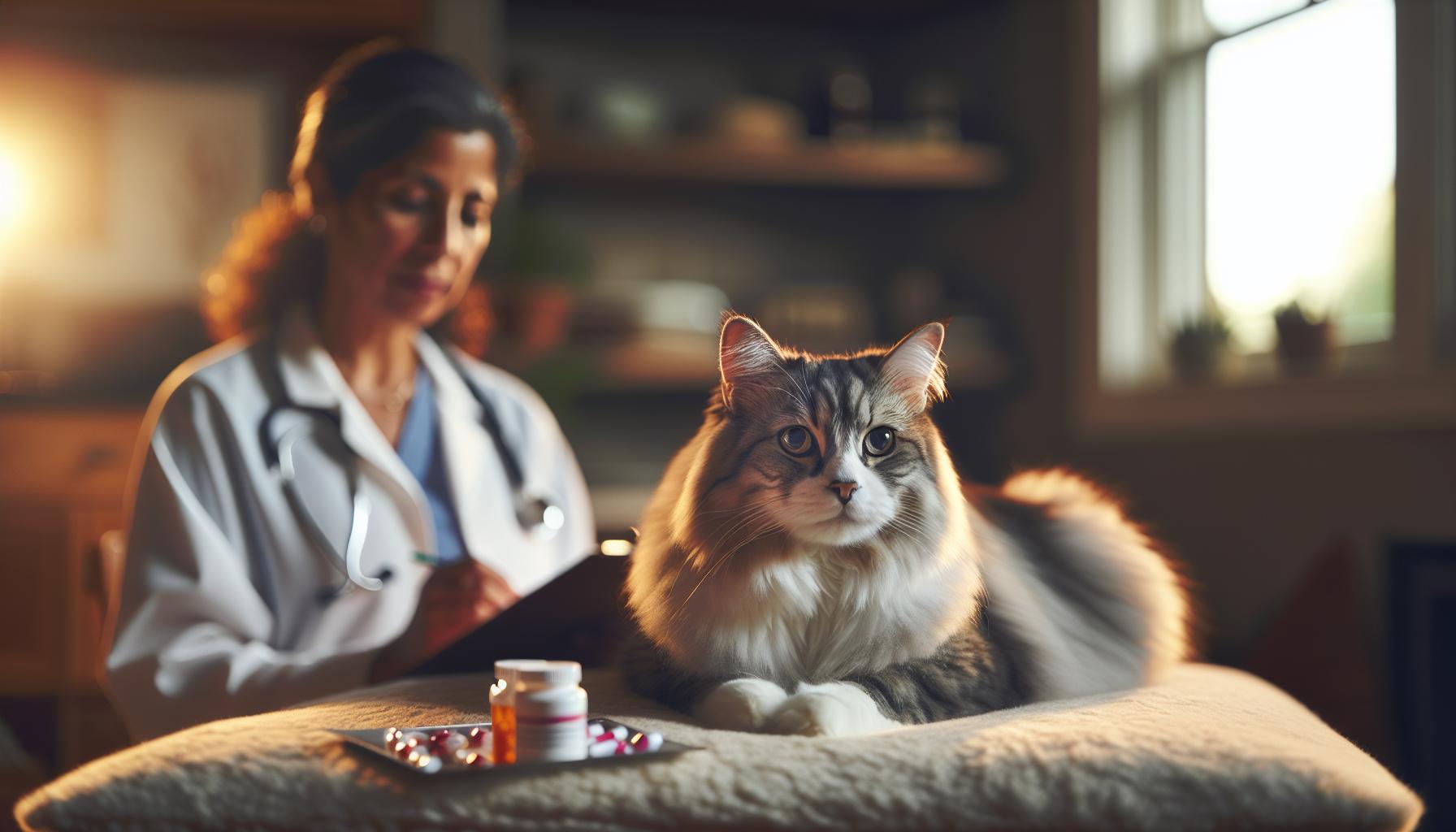
Factors Affecting Gabapentin Efficacy in Cats
The effectiveness of gabapentin in cats can vary widely based on several factors, making it crucial for pet owners to understand how to optimize its use. Notably, factors such as the cat’s overall health, age, weight, and specific medical conditions can influence how well this medication works. For instance, younger and healthier cats might metabolize the drug faster, leading to quicker pain relief compared to older cats or those with underlying health issues, such as liver or kidney problems, which could require dose adjustments to prevent toxicity.
Another significant consideration is the condition being treated. Gabapentin is particularly effective for nerve pain and specific situations like anxiety or post-surgical discomfort, but the response may be variable depending on the severity and nature of the pain. For chronic conditions, owners might need to maintain consistent dosing as cumulative effects can enhance efficacy over time-highlighting the importance of adhering to a regular medication schedule.
Additionally, the method of administration plays a role; for instance, if a cat refuses to take the medication or if it is administered inconsistently, the effectiveness can diminish. Using treats or food to mask the taste can aid in this process. Lastly, environmental factors, such as the cat’s stress levels or changes in their routine, can also impact how well gabapentin alleviates pain. Monitoring your cat closely during treatment and communicating any changes with your veterinarian can help tailor the approach for optimal results.
Dosage Guidelines for Gabapentin in Feline Patients
Determining the appropriate dosage of gabapentin for feline patients is crucial for ensuring effective pain management and minimizing potential side effects. Understanding the general guidelines can help pet owners navigate this process confidently. The dosage of gabapentin varies based on the cat’s specific needs, weight, and medical condition, which makes personalized veterinary guidance essential.
Typically, the recommended starting dose for gabapentin in cats is around 10 to 20 mg/kg of body weight, given every 8 to 12 hours. However, some cases may require adjustments based on the cat’s response and any underlying health issues. It’s important to note that the maximum daily dosage should generally not exceed 50 mg/kg, and starting conservatively is advisable, especially in older cats or those with kidney problems. Here’s a brief overview:
| Weight of Cat (kg) | Starting Dose (mg) | Frequency |
|---|---|---|
| 1 | 10-20 | Every 8-12 hours |
| 2 | 20-40 | Every 8-12 hours |
| 4 | 40-80 | Every 8-12 hours |
| 5 | 50-100 | Every 8-12 hours |
Apart from weight, other factors such as age, the specific condition being treated, and concurrent medications play a vital role in finalizing the dosage. It’s critical to consult your veterinarian to establish the most effective dosage based on your individual cat’s health status and needs. Once treatment has commenced, ongoing monitoring will help assess effectiveness and identify any potential side effects.
By advocating for a tailored approach, pet owners can ensure their feline companions receive the best possible care while using gabapentin, alleviating pain, and enhancing their quality of life.
Common Side Effects of Gabapentin in Cats
Gabapentin is increasingly recognized for its effectiveness in managing pain in cats, but like any medication, it comes with the potential for side effects. Understanding these side effects is crucial for cat owners to monitor their pets closely and ensure their well-being during treatment. While gabapentin is often well-tolerated, it’s important to remain vigilant, especially when starting a new medication.
Some common side effects that may arise include drowsiness, sedation, and lethargy. These effects can be more pronounced if the cat is taking other medications that also have sedative properties. Occasionally, cats may also experience gastrointestinal upset like vomiting or diarrhea. If your feline friend displays any unusual behaviors such as excessive drooling or changes in appetite, these could be signs that they are experiencing adverse reactions to gabapentin.
Monitoring and Managing Side Effects
When administering gabapentin, it’s essential to implement a routine that allows for adequate monitoring. Keeping a record of your cat’s behavior and any side effects observed can provide valuable insights for your veterinarian. If side effects seem troubling or if your cat’s condition worsens, contact your veterinarian immediately. They may recommend adjusting the dosage or exploring alternative pain management options.
In rare cases, more severe side effects can occur. An idiosyncratic reaction may lead to neurotoxic effects, such as seizures or significant changes in behavior. Notably, some cats may demonstrate heightened sensitivity to certain stimuli or exhibit disorientation. In such situations, prompt veterinary attention becomes imperative to reassess the treatment plan.
By staying informed about gabapentin’s side effects and maintaining open communication with your veterinarian, you can help ensure your cat has a safe and effective experience with this medication. Tailoring the approach not only improves pain management for your pet but also enhances their overall quality of life.
Comparing Gabapentin with Other Cat Medications
Gabapentin is a popular medication for managing pain and anxiety in cats, but it’s essential to understand how it compares to other treatment options available. When considering pain management strategies for feline patients, cat owners often face the challenge of choosing between gabapentin and alternatives like NSAIDs, opioids, and even holistic options like acupuncture. Each medication or therapy has its unique mechanisms, benefits, and potential side effects.
Gabapentin vs. NSAIDs
Non-steroidal anti-inflammatory drugs (NSAIDs) like meloxicam and carprofen are frequently used in cats to manage pain and inflammation, especially post-surgery or during acute pain episodes. While NSAIDs directly reduce inflammation, gabapentin works by inhibiting nerve pain signals in the central nervous system. A significant advantage of gabapentin is that it is often better tolerated in cats with pre-existing liver or kidney conditions, where NSAIDs might pose higher risks. However, NSAIDs can take effect faster (within hours), while gabapentin may take longer to show results, usually around 1 to 2 hours post-administration.
Gabapentin vs. Opioids
Opioids, such as buprenorphine or morphine, are powerful pain relievers often used in feline medicine, particularly in severe pain situations. They provide rapid relief, but they also come with a higher risk of side effects such as sedation, vomiting, and potential respiratory depression. Gabapentin, in contrast, has a more favorable safety profile and is often used in conjunction with opioids for a multimodal approach to pain management. This combined approach can enhance pain relief while minimizing the required dosage of opioids, reducing the risk of side effects.
Complementary Therapies
In addition to conventional medications, many cat owners explore complementary treatments such as acupuncture, physical therapy, or herbal remedies. These alternatives can be beneficial, especially for chronic pain conditions. For instance, acupuncture may help alleviate pain by stimulating nerve endings and increasing blood flow, which can be effective alongside gabapentin for a more holistic approach. Integrating these therapies with gabapentin might lead to improved outcomes for some cats, but owners should always consult with their veterinarian before beginning any combination therapies.
Ultimately, selecting the right pain management strategy for your cat involves weighing the advantages and disadvantages of each option. Discussing your pet’s specific condition, lifestyle, and medical history with your veterinarian will help tailor the most effective plan. Balancing effectiveness with safety is vital to ensuring your feline friend experiences relief while maintaining overall health and well-being.
When to Consult Your Veterinarian About Gabapentin
When considering gabapentin for your cat, it’s crucial to be informed about when professional guidance is needed to ensure the safety and efficacy of the treatment. If you notice your cat experiencing side effects such as increased sedation, lack of coordination, or gastrointestinal upset after starting gabapentin, it is essential to consult your veterinarian. Not all cats respond similarly to medications; some may exhibit adverse reactions that require immediate attention.
Moreover, if your cat is on other medications, it’s vital to discuss these with your vet before starting gabapentin. Drug interactions can occur, potentially affecting how well the medication works or increasing the risk of side effects. A comprehensive review of your cat’s health history can help your veterinarian determine the safest and most effective treatment plan.
Additionally, if you feel that depression or anxiety is impacting your cat’s quality of life, and the gabapentin alone is not providing adequate relief, your veterinarian can help adjust the treatment strategy. This may involve considering other medication combinations or alternative therapies to maximize pain relief and improve your pet’s well-being. Always trust your instincts as a pet owner; if something seems off with your cat’s behavior or health after starting gabapentin, reaching out for veterinary advice is a responsible decision.
Regular communication with your veterinarian is key in monitoring your cat’s progress. It’s also helpful to have a clear understanding of how long you should expect gabapentin to take effect. Typically, the onset time is about 1-2 hours, but if you find that this window passes without noticeable improvement in your cat’s pain or anxiety levels, don’t hesitate to ask your vet for further recommendations. Keeping an open line of communication will ensure your feline friend gets the best possible care throughout their treatment journey.
Understanding Feline Pain Management Strategies
Understanding feline pain management requires a multifaceted approach that balances medication, environmental changes, and behavioral strategies. Pain in cats can stem from various sources such as arthritis, dental issues, or post-surgical recovery, making it crucial to identify the underlying cause. Successful pain management not only alleviates discomfort but also enhances your cat’s overall well-being and quality of life.
One essential aspect of feline pain management is recognizing the signs of discomfort. Cats are masters at hiding their pain, so look for changes in behavior like reduced activity, hiding, or changes in appetite. Once pain is identified, working closely with your veterinarian is fundamental. They may recommend a combination of treatments that include pain relief medications like gabapentin, anti-inflammatories, and nutraceuticals to manage chronic conditions effectively. Furthermore, incorporating non-pharmacological treatments such as physical therapy or acupuncture can provide additional relief and should be discussed with your vet.
Creating a comfortable environment is another key strategy. Ensuring your cat has access to cozy resting places, litter boxes that are easily accessible, and multiple food and water stations can significantly reduce stress and discomfort. Additionally, consider enriching your cat’s environment with gentle play that doesn’t aggravate their condition, as mental stimulation is vital for maintaining their mental health.
Finally, regular check-ins with your veterinarian to reassess your cat’s pain management plan can vastly improve their care. This should involve not only monitoring the efficacy of prescribed medications like gabapentin but also being open to alternative therapies or adjustments in dosage as needed. Individual responses to pain relief medications can vary, so maintaining an ongoing dialogue with your veterinarians about what works best for your cat ensures that their pain management strategy is as effective as possible.
Tips for Administering Gabapentin to Cats
Administering medications to cats can be a challenging experience, but there are effective strategies to make the process smoother for both you and your feline friend. Gabapentin is commonly prescribed for pain relief and anxiety in cats, and understanding how to administer it properly can enhance its effectiveness and improve your cat’s comfort during treatment. By following a few practical tips, you can ensure your cat receives the full benefits of this medication.
Start by consulting with your veterinarian about the appropriate dosage specific to your cat’s needs, considering factors like weight and underlying health conditions. When administering gabapentin, it’s often best to give it with a small amount of food to minimize stomach upset and to increase the likelihood that your cat will take the medication without resistance. Here are some effective methods:
- Use a Pill Pocket or Treat: Many cat owners find success by hiding the capsule in a specially designed pill pocket or a small treat that their cat enjoys. This can mask the taste and make swallowing much easier.
- Crush Tablets if Necessary: If you are using gabapentin in tablet form, check with your vet to see if it’s safe to crush the pill. If allowed, mix it with a small amount of wet food or a flavorful liquid, such as chicken broth, to encourage your cat to consume it.
- Administer Liquid Forms Carefully: If your vet prescribes liquid gabapentin, use a syringe without a needle to carefully administer the medication directly into your cat’s mouth. Aim for the space between the cheek and teeth, as this reduces the chance of gagging and can help your cat swallow it more easily.
- Create a Calm Environment: Make the medication time a stress-free experience. Choose a quiet area, speak softly to your cat, and provide plenty of praise and affection afterward, reinforcing a positive association with taking the medication.
Keep a close eye on your cat’s behavior after administering gabapentin, as monitoring for any side effects is vital for effective pain management. Side effects can include drowsiness or slight dizziness, so ensure your cat is comfortable in a safe environment. Lastly, maintain open communication with your veterinarian about any challenges you face or if you have concerns regarding the medication’s efficacy or any observed side effects. By being proactive and patient, you can foster a more positive experience both during medication time and throughout your cat’s recovery journey.
Monitoring Your Cat’s Response to Gabapentin
Keeping a close watch on your cat’s reaction to gabapentin is vital for ensuring their comfort and well-being during treatment. As a medication primarily used for managing pain or anxiety in cats, understanding your pet’s individual response can help you gauge the effectiveness of the treatment and identify any potential side effects early. Gabapentin typically begins to take effect within one to two hours after administration, but this can vary based on individual metabolism, health status, and whether the medication is taken with food.
To effectively monitor your cat, observe their behavior and physical condition closely after administering the medication. Look for signs of improvement in their pain levels, such as increased activity, better mobility, or a return to normal behaviors like grooming and playing. However, be vigilant for possible side effects, which can include drowsiness, wobbliness, or gastrointestinal upset. Keeping a daily log of your observations can be incredibly helpful; note any changes in their eating habits, litter box usage, and overall demeanor. Look for patterns that may indicate whether the medication is working as intended or if adjustments are needed.
Communication is Key
Maintaining open communication with your veterinarian is essential during this period. If you notice any concerning symptoms or if your cat does not appear to improve, reach out to your vet for guidance. They may recommend dosage adjustments or alternative therapies based on your observations. By working closely with your veterinarian and being attentive to your cat’s responses, you’re providing a supportive environment that can enhance their recovery and overall quality of life.
Additionally, consider utilizing tools like pet health apps or journals to track important information regarding your cat’s health journey. These records can be invaluable for your vet when fine-tuning treatment plans and ensuring your cat receives the most personalized care possible. Your proactive involvement underscores your dedication to your cat’s health and can foster a more productive relationship with your veterinary team.
Long-Term Use of Gabapentin in Cats: What to Know
While gabapentin can be a valuable tool for managing pain and anxiety in cats, long-term use requires careful consideration and ongoing veterinary oversight. Recognizing the dynamic nature of your pet’s health and response to medication is essential for ensuring they receive the best possible care. One foundational aspect of using gabapentin long-term is understanding that it may not be suitable for every feline patient due to potential side effects or underlying health conditions.
In many cases, veterinarians may recommend regular monitoring through follow-up appointments that include blood tests and physical examinations. This helps to assess organ function and ensure that any lasting effects from prolonged gabapentin use are identified early. Additionally, it’s vital to maintain an open dialogue with your veterinarian. Regular updates about any changes in your cat’s behavior, appetite, or energy levels can provide crucial information that may influence treatment decisions.
| Monitoring Parameters | Frequency |
|---|---|
| Weight & General Health | Every vet visit (usually every 6-12 months) |
| Blood Tests (Kidney & Liver Function) | Every 6-12 months |
| Behavioral Changes | Ongoing; report any changes immediately |
Furthermore, it’s important to be aware that dependency or tolerance may develop with extended gabapentin use, leading to the need for dosage adjustments. Some cats may require a combination of medications to manage pain effectively without escalating dosages, which could lead to unwanted side effects. If your cat is undergoing long-term treatment, discuss with your veterinarian the option of integrating alternative pain management strategies, such as physical therapy, acupuncture, or diet modifications that could complement gabapentin and enhance its overall efficacy.
Lastly, patience is paramount when transitioning your cat to a long-term management plan. Each feline’s response to gabapentin can differ significantly; therefore, what works for one may not work for another. Consistency in administration, monitoring, and communication with your vet can pave the way for a successful treatment journey that not only alleviates pain but also maintains your cat’s quality of life.
FAQs About Gabapentin for Cats
Curious cat owners often have a flurry of questions about using gabapentin for their feline companions. Understanding these common inquiries can help you make informed choices regarding your cat’s health and well-being.
One of the most frequent questions is, “How long does it take for gabapentin to work in cats?” Typically, the onset of action for gabapentin is within one to two hours after administration. However, the exact timing can vary depending on the individual cat’s metabolism and the specific condition being treated. Additionally, some owners may wonder if gabapentin can be used for anxiety in cats. Yes, it is commonly prescribed off-label for this purpose, especially during stressful events like vet visits or travel.
Another key aspect often contemplated is the potential for side effects. Cats may experience sedation, lethargy, or gastrointestinal issues like diarrhea or vomiting. Monitoring your cat’s response to the medication is crucial, and if you notice any adverse effects, consult your veterinarian promptly. Additionally, some pet owners ask, “Can gabapentin be given with other medications?” In most cases, gabapentin can be safely combined with other medications, but always verify with a veterinarian to avoid interactions.
Lastly, many are eager to learn about the dosage guidelines for gabapentin in felines. Dosage typically ranges from 5 to 10 mg per kilogram of body weight, given two to three times daily, but it’s essential to follow your veterinarian’s specific instructions to ensure both efficacy and safety. Always keep an open line of communication with your vet, especially if your cat is on gabapentin long-term, as they will help tailor the treatment to your pet’s unique needs and health profile.
By addressing these FAQs, cat owners can confidently navigate the sometimes complex world of feline medication, ensuring their pets receive the best care possible.
Frequently Asked Questions
Q: How quickly does gabapentin take effect in cats?
A: Gabapentin typically takes about 1 to 2 hours to start working in cats. It’s important to monitor your cat’s response during this time to ensure the medication is effective. For detailed information on typical onset times, please refer to the article section on “Typical Onset Time for Gabapentin in Cats.”
Q: Can gabapentin be used as a sedative for cats?
A: Yes, gabapentin is often used for its sedative effects in anxious or stressed cats, particularly during trips to the vet. It’s advisable to consult your veterinarian for appropriate dosages and timing, especially if you are considering it for sedation purposes.
Q: What should I do if my cat does not respond to gabapentin?
A: If your cat shows no response to gabapentin after 2 hours, consult your veterinarian. They may need to assess the dosage, reevaluate the treatment plan, or consider alternative pain management strategies in the section on “Monitoring Your Cat’s Response to Gabapentin.”
Q: Are there alternative medications to gabapentin for cats?
A: Yes, there are several alternatives to gabapentin for managing feline pain, including NSAIDs and amitriptyline. Discuss with your veterinarian to determine the most suitable option based on your cat’s specific health needs, as discussed in “Comparing Gabapentin with Other Cat Medications.”
Q: How long can cats stay on gabapentin safely?
A: Gabapentin can be used long-term in cats, but it’s important to have regular veterinary check-ups to monitor for side effects and efficacy. The article’s section on “Long-Term Use of Gabapentin in Cats: What to Know” provides more insights into managing long-term therapy.
Q: What are signs that gabapentin is working in my cat?
A: Signs that gabapentin is effective in your cat may include reduced pain behaviors, improved mobility, and an overall calmer demeanor. Observing your cat’s behavior during this time is crucial, as noted in “Monitoring Your Cat’s Response to Gabapentin.”
Q: Can I give my cat gabapentin with food?
A: Yes, gabapentin can be administered with food to help mask the taste and ease the administration process. This may also help in reducing potential gastrointestinal upset. For administration tips, please check the relevant section in the article.
Q: What should I avoid when giving gabapentin to my cat?
A: Avoid combining gabapentin with certain medications like antacids, which can affect its absorption. Always consult your veterinarian for guidance on drug interactions and best practices when administering gabapentin.
The Way Forward
In conclusion, understanding how long gabapentin takes to work in cats is crucial for providing the best care for your furry friend. Remember, while gabapentin can be effective for managing pain and seizures, the timing and response can vary. If you have any lingering questions or concerns about your cat’s treatment, don’t hesitate to consult your veterinarian for personalized guidance.
For more pet health tips, check out our articles on safe pain management strategies or alternatives to gabapentin for cats. Don’t forget to subscribe to our newsletter for updates on pet care and health resources that can help you make informed decisions. Together, we can ensure your beloved pet lives a happy and healthy life!