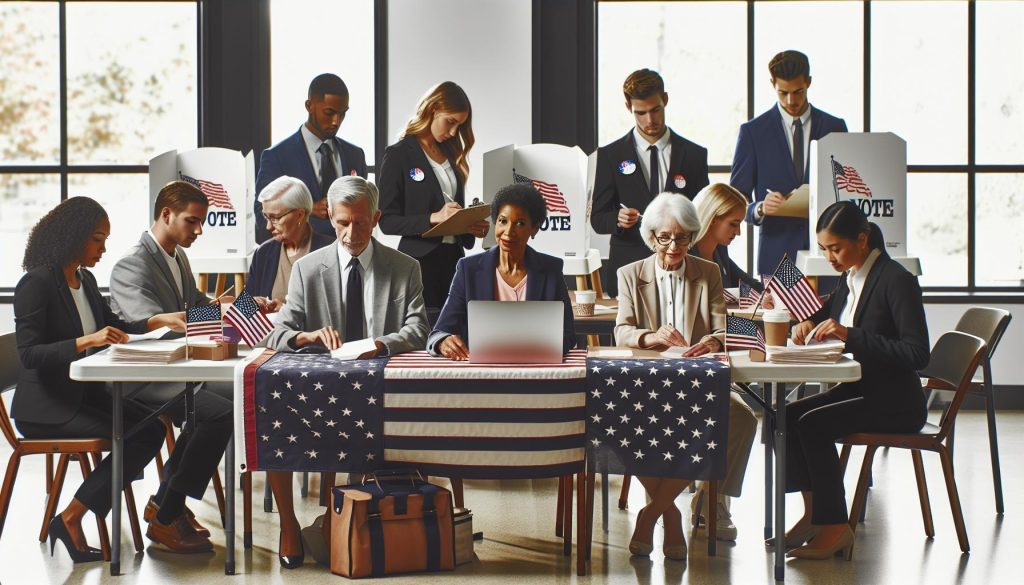
Did you know that becoming a poll worker is not only a vital civic duty but also a fantastic way to earn extra income while contributing to democracy? In California, poll workers play a crucial role in ensuring smooth elections, making their work both impactful and engaging. If you’re a student looking to enhance your resume and gain real-world experience, this is an opportunity that balances well with academics. By participating as a poll worker, you gain insight into the electoral process and strengthen your community ties. This guide will walk you through the steps to become a poll worker in California, offering practical tips and advice to empower you in this rewarding role. Whether you seek part-time work, meaningful engagement, or a chance to broaden your career horizons, this exploration of civic involvement will pique your interest and highlight the significance of your contribution. Let’s dive into how you can make a difference!
How to Find Poll Worker Opportunities in California
In California, finding opportunities to become a poll worker is not only accessible but can also be a rewarding way to engage with your community while earning some extra income. As elections approach, local election offices actively seek individuals willing to serve as poll workers. To get started, visit the official California Secretary of State’s website or your local county election office’s webpage. These sources provide updated information about recruitment drives, training sessions, and upcoming election dates.
Many counties utilize online systems where you can apply directly for poll worker positions. This process typically involves filling out an application form, which can usually be completed in under 15 minutes. Be sure to pay attention to specific requirements that may vary by county – some may require you to be a registered voter, while others may accept high school students with parental consent.
Additionally, consider reaching out to local organizations or universities that often have partnerships with election offices to encourage student participation. Many of these institutions offer credit or volunteer hours for your service, making it an excellent opportunity for students looking to enhance their resumes.
By staying proactive and utilizing available resources, you can easily navigate through the process of becoming a poll worker and contribute to the electoral process in your community. Remember, every poll worker is vital in ensuring that elections run smoothly and fairly!
Eligibility Requirements for Becoming a Poll Worker
In California, the path to becoming a poll worker is designed to be inclusive and straightforward, allowing a diverse group of individuals to participate in the democratic process. One key requirement is age: most counties need you to be at least 18 years old by Election Day. However, many also welcome responsible high school students aged 16 and older, provided they have parental consent. This can be a fantastic opportunity for students to engage with civic duties while gaining valuable work experience.
Being a registered voter in California is another typical requirement, but exceptions exist. Some counties allow non-voters to serve as poll workers, particularly if they are high school students. Additionally, you should have a basic understanding of the voting process and be comfortable interacting with the public. Proficiency in multiple languages can be particularly beneficial, as it enhances communication with diverse voter populations.
Before applying, it’s essential to check specific eligibility criteria set by your local county election office, as these can vary. Certain counties may also require you to undergo a background check or provide references, especially if you’re under 18. This commitment not only verifies your dedication to the role but also helps build a trustworthy and reliable team of poll workers for the election.
As you embark on this journey, remember that the experience of serving as a poll worker goes beyond just fulfilling eligibility requirements; it presents a unique chance to develop skills in leadership, customer service, and problem-solving-all invaluable assets in any career path. Embrace this opportunity to contribute positively to your community while enhancing your resume with meaningful experience in civic engagement!
Step-by-Step Application Process Explained
Becoming a poll worker in California is an enriching way to engage with your community while gaining practical work experience. The application process is designed to be straightforward, allowing students and community members alike to serve democracy effectively. Here’s a step-by-step guide to help you navigate through the application process smoothly and successfully.
Research Local Requirements
Every county in California has unique requirements and application processes. Start by visiting your local county election office’s website to gather specific information related to your eligibility, including age, voter registration status, and any other prerequisites. Some counties may require a short background check or additional documentation, which is helpful to prepare in advance.
Complete Your Application
Once you’ve confirmed your eligibility, fill out the application form provided by your county. This can often be done online or through a physical application available at county offices. Ensure that you provide accurate information and any needed references. Don’t hesitate to ask for help or clarification from election officials; they are there to assist you and ensure you meet the requirements.
Attend the Training Sessions
After submitting your application, you will likely be invited to attend a training session. This is a vital step as it prepares you for the responsibilities you’ll take on during the election. These sessions typically cover essential information, such as:
- Understanding the voting process
- How to interact with voters
- Managing equipment and ballots
- Handling unusual situations
Fully engage during these sessions, as they provide crucial insights into ensuring a smooth voting experience for all.
Prepare for Election Day
The final preparation involves organizing your schedule. Ensure you have transportation to your assigned polling place and understand your duties for the day. Managing time effectively between your academic responsibilities and poll worker commitments is essential. Remember, it’s about balancing your education while gaining valuable experience in civic engagement. Most notably, be mentally prepared; election day may be long, but it is a rewarding experience that contributes significantly to your community.
By following these steps diligently, you’ll be on your way to becoming an effective poll worker in California. This process not only enriches your résumé but also strengthens your understanding of civic duties, providing you a sense of accomplishment and pride in serving your community.
Training and Preparing for Your Role as a Poll Worker
Attending training sessions is a critical step in becoming an effective poll worker in California. This preparation stage is not only about understanding your responsibilities but also about building your confidence and competence in facilitating a smooth voting experience. During these sessions, you will gain insights into the electoral process that are essential for providing assistance to voters on Election Day.
The training typically covers several important topics, including:
- Understanding the Voting Process: You’ll learn about different voting methods, how votes are cast and counted, and the legal requirements surrounding elections.
- How to Interact with Voters: Effective communication is key. You’ll be trained on how to welcome voters, answer common questions, and ensure that everyone feels comfortable and respected as they exercise their right to vote.
- Managing Equipment and Ballots: Familiarizing yourself with the voting machines, ballot handling procedures, and other necessary equipment is crucial for preventing errors and ensuring efficiency.
- Handling Unusual Situations: Training will also prepare you for unexpected scenarios, such as how to assist voters with disabilities, address disputes, or manage any technical issues that may arise.
Engaging actively in these training sessions is vital. Ask questions, participate in discussions, and take notes to internalize the information presented. This proactive approach will enhance your readiness not just for Election Day but also for the insightful experiences you’ll gain throughout your time as a poll worker. Remember, this role is a unique opportunity to develop skills in public service, time management, and leadership-all invaluable assets for your future career.
On the day of the election, proper preparation will set you up for success. Arrive early to familiarize yourself with the polling place layout, equipment, and procedures. By approaching your role with a professional demeanor and a positive attitude, you can make a significant impact on your community, ensuring that every voter has a seamless and empowering experience at the polls. Balancing this commitment with your academic responsibilities may be challenging, but the growth and experience you’ll gain are well worth the effort. Embrace this chance to not only serve your community but also build a strong foundation for your future career.
What to Expect on Election Day as a Poll Worker
On Election Day, your role as a poll worker transforms from training session participant to a key figure in the democratic process, directly influencing voter experiences and outcomes. It’s a day filled with responsibilities that are crucial for fostering a smooth electoral process. Arriving early is essential; this will give you time to set up and familiarize yourself with the polling place, ensuring that everything from voting machines to signage is prepared and in order.
Throughout the day, you’ll manage various tasks. One of your primary responsibilities will be to assist voters, guiding them through the voting process while answering questions and addressing concerns. This role demands effective communication skills and patience as voters may range from seasoned voters familiar with the process to first-time voters who may need extra reassurance. Maintain a respectful and welcoming demeanor, as creating a positive and supportive atmosphere is vital for building civic engagement.
Your preparation will also pay off when dealing with unexpected situations. You may encounter individuals needing assistance due to disabilities or language barriers, so being resourceful and empathetic is crucial. Remember the training you underwent; it will help you handle these scenarios effectively. Moreover, you might also need to address minor disputes or challenges that arise, such as issues with voter eligibility or machine malfunctions. Staying calm and focused will allow you to resolve these situations swiftly and fairly.
Compensation for your efforts typically includes a stipend or hourly wage, which varies by location, as well as potential opportunities for flexible scheduling. This experience is not just financially beneficial; it can enrich your resume and develop your skills in public service, time management, and community engagement-assets that will undoubtedly bolster your career development. By choosing this opportunity, you’re setting the stage for personal growth while making a meaningful impact on your community’s democratic participation.
Compensation and Benefits of Being a Poll Worker
Being a poll worker offers more than just a paycheck; it’s an opportunity to contribute meaningfully to your community while gaining valuable skills that enhance your employability. In California, compensation for poll workers typically includes a stipend or hourly wage, which varies by county. This can range from approximately $15 to $20 per hour, depending on your specific role and the county’s budget. In addition to direct financial compensation, many counties provide incentives for attending training sessions, further increasing your earnings.
Benefits Beyond Compensation
The benefits of working as a poll worker extend beyond monetary rewards. Here are a few significant advantages you can expect:
- Flexible Scheduling: Many poll worker positions allow for schedule flexibility, making it easier for students to manage their academics while earning income.
- Resume Building: This experience is a fantastic addition to your resume, showcasing your commitment to civic duty and enhancing your public service credentials.
- Skill Development: You will refine critical skills such as communication, problem-solving, and time management-qualities highly valued by employers across various fields.
- Community Engagement: Engaging with diverse groups of voters provides a unique perspective on civic responsibility and community involvement, which can enrich your overall educational experience.
Participating in the electoral process as a poll worker also allows you to learn about the electoral system firsthand, deepening your understanding of democracy. For students, this role can create opportunities for networking within their community, as you’ll interact with local leaders and fellow citizens who are passionate about public service.
Overall, serving as a poll worker is not only about fulfilling a duty; it’s a chance to grow personally and professionally while making a substantial impact on your community’s democratic process. Whether you’re looking to build your resume, earn some extra cash, or simply give back, becoming a poll worker is a rewarding choice that offers lasting benefits.
Understanding Voter Engagement and Civic Responsibility
Understanding the role of a poll worker is not just about the tasks involved; it’s also deeply tied to the principles of voter engagement and civic responsibility. Engaging voters in the electoral process is crucial for a healthy democracy, and as a poll worker, you play a pivotal role in this. You will not only facilitate the voting experience for others but also help to ensure that everyone’s voice is heard and counted. This reinforces the idea that participating in elections is a vital part of community involvement and personal empowerment.
Every election presents an opportunity to impact individuals’ understanding of their rights as voters. When you assist voters at polling places, you’re not just managing logistics; you’re helping demystify the voting process. Encourage them to ask questions and feel confident about how to cast their votes. This approach can lead to a more engaged electorate, as voters gain the knowledge they need to make informed decisions. Your interactions can inspire more community members to participate in future elections, fostering a culture of active civic engagement.
Another important aspect of this role is contributing to the overall integrity of the electoral process. By ensuring that procedures are followed correctly, you enhance public trust in the system. Many voters may have reservations or ask themselves, “Does my vote really matter?” Your dedicated service can help affirm that every vote counts and encourage more people to exercise their rights. This emphasis on civic responsibility can lead to a domino effect, where engaged voters motivate others in their circle to participate as well.
Moreover, working as a poll worker allows you to build professional skills such as leadership, communication, and critical thinking. These are highly sought-after attributes in many career fields. Balancing this role with your studies or other responsibilities shows potential employers your commitment to community service and your ability to manage time effectively. By engaging in this vital role, you not only contribute to democracy but also pave the way for personal and career growth, making your experience as a poll worker a rewarding endeavor both for you and the community you serve.
Frequently Asked Questions About Poll Worker Roles
Every election cycle, thousands of polls across California rely on dedicated individuals to step in as poll workers. This crucial role not only supports the democratic process but also presents unique opportunities for personal and professional growth. If you’re curious about what being a poll worker entails or have specific questions about the role, here are some essential insights that can help demystify the experience and guide you on your journey.
What are the basic duties of a poll worker?
Poll workers are responsible for a variety of tasks on Election Day, including setting up the polling place, checking in voters, issuing ballots, providing assistance with voting equipment, and ensuring the orderly conduct of the polling site. These duties may vary slightly depending on the location and specific needs of the election but typically involve direct interaction with voters, promoting a smooth and efficient voting process.
Who is eligible to become a poll worker?
In California, poll workers generally need to be at least 18 years old and a registered voter. However, high school students who are 16 or older can also qualify with parental permission. Additionally, bilingual individuals are often in high demand, enabling them to assist voters who may need language support. This inclusiveness not only enhances your qualifications but also makes you a vital resource within your community.
How do I apply to become a poll worker?
The application process is straightforward and can often be completed online. Start by visiting your county’s election office website where you will find information on current openings and an application form. It’s recommended to apply well in advance of Election Day, as processing can take some time and training sessions are usually scheduled leading up to elections. Don’t forget to gather any necessary documentation, such as a photo ID or educational verification if you’re a student.
What kind of training will I receive?
Once your application is accepted, you will be required to attend a training session, which is crucial for preparing you for your role. Training usually covers election laws, the voting process, how to use voting equipment, and how to assist voters effectively. This preparation is not just a formality; it provides you with the knowledge and confidence to serve your community effectively on election day.
Feeling empowered about your career possibilities is key when balancing studies and work. Embracing the responsibility of being a poll worker can enhance your time management skills, improve your communication abilities, and give you a sense of pride in contributing to democracy. It’s an excellent way to bolster your resume while making a meaningful impact in your community.
Tips for First-Time Poll Workers
As a first-time poll worker in California, stepping into this vital role can feel both exciting and a bit daunting. It’s essential to be well-prepared and informed for a seamless experience on Election Day. Here are some helpful tips to ensure you make the most of your valuable opportunity while contributing to the democratic process.
First and foremost, familiarize yourself with the election process. Understanding the basics-like how voters check in, the ballot issuing process, and how to resolve common issues-will help ease your nerves. Review any materials provided during your training, and don’t hesitate to ask questions. Your supervisors are there to support you and ensure you are confident in your duties.
Dress comfortably and practically for your long hours on Election Day. Wear comfortable shoes, as you’ll be on your feet a lot, and dress in layers to adapt to varying temperatures in the polling place. Bringing snacks and water is also a great idea; maintaining your energy is crucial for staying alert and effective throughout the day.
Additionally, embrace the opportunity to engage with voters. Many individuals may come in looking uncertain or confused. Your friendly demeanor and willingness to assist can make a significant impact. Keep in mind that some voters may have additional needs, so being patient and respectful is key to a positive voting experience for everyone.
Finally, don’t view this role merely as a job; consider it a stepping stone in your personal and professional development. As a student, participating as a poll worker can enhance your resume. It highlights your community involvement, punctuality, and ability to handle responsibilities. This experience is not just about earning a bit of extra money; it’s about building skills in communication, problem-solving, and time management-all of which are invaluable for your future career.
Stay positive and remember that you are playing a crucial role in upholding democracy. Your efforts do not go unnoticed, and you have the power to make a difference in your community.
The Impact of Poll Workers on Democracy
Stepping into the role of a poll worker is not just about assisting voters on Election Day; it’s about actively participating in the very foundation of democracy. Poll workers serve as the backbone of the electoral process, ensuring that elections run smoothly, efficiently, and fairly. By providing essential support at polling places, they help to create an environment where every citizen can exercise their right to vote without undue hassle or confusion. Their presence not only facilitates the voting process but also fosters a sense of community and civic responsibility among voters.
The impact of poll workers extends beyond the immediate logistics of an election. These individuals often serve as the first point of contact for voters, helping to demystify the voting process and encourage participation. By offering guidance and assistance, poll workers can alleviate voters’ concerns and may even inspire those who have never voted before to engage in the democratic process. This is particularly important in communities where voter turnout has historically been low. Poll workers, therefore, play a crucial role in not only maintaining the integrity of elections but also promoting civic engagement.
Moreover, serving as a poll worker comes with significant benefits for individuals, particularly students. This role can enhance your resume by showcasing your involvement in the community, highlighting your ability to work responsibly under pressure, and demonstrating your commitment to civic duty. The skills developed-such as communication, problem-solving, and teamwork-are invaluable and transferrable to numerous career paths. Embracing this opportunity not only supports the democratic system but can also be a pivotal part of your professional journey, equipping you with practical experiences that set the stage for future success.
In conclusion, poll workers play an indispensable role in fostering democracy. Their engagements help bridge gaps in civic participation, empower voters, and create an inclusive atmosphere at polling stations. As you consider becoming a poll worker, remember that you are stepping into a position that influences not only the outcome of an election but also the broader narrative of civic engagement in your community. Your contribution is vital, and it can lead to significant personal and professional growth as you actively help shape the democratic process.
Building Skills and Experience Through Poll Working
Stepping into the role of a poll worker not only contributes to the democratic process but also serves as an excellent opportunity for skill development and professional growth. In California, where elections are a vital part of civic duty, being a poll worker equips individuals with practical experiences that enhance both personal and career trajectories. As you navigate the halls of academia or the early stages of your career, consider how these responsibilities can effectively boost your resume and skill set.
As a poll worker, you will develop essential skills that are transferable across numerous fields. Through direct interaction with voters, you will hone your communication abilities, learning to articulate instructions clearly and calmly under pressure. This experience is invaluable, especially for those pursuing careers in education, public service, or customer relations. Moreover, problem-solving skills are put to the test as you address various voting-related inquiries and resolve any technical issues that may arise. Whether it’s helping a voter navigate the process or trouble-shooting equipment, these situations foster a proactive mindset critical for success in any workplace.
Benefits of Becoming a Poll Worker:
- Resume Enhancement: Listing your experience as a poll worker showcases your commitment to civic engagement and social responsibility, making you a well-rounded candidate in any job application.
- Networking Opportunities: Working alongside fellow poll workers and officials allows you to build connections within your community and understand various career paths related to public service and governance.
- Flexibility: Poll working can often be scheduled around academic commitments, providing an ideal solution for students seeking part-time work without overwhelming their schedules.
Underlining the importance of this role is the opportunity for continuous personal growth. The experience gained as a poll worker can clarify your career aspirations and open doors to internship possibilities in fields related to politics, law, and non-profit work. Additionally, for students seeking internships, highlighting your time as a poll worker in interviews can frame you as a responsible individual who actively seeks to contribute to societal betterment.
Understanding work-life balance is key, especially for students juggling studies and part-time employment. The structured nature of the poll worker experience-often confined to specific days surrounding elections-allows for better management of academic duties and personal time. This is vital for maintaining your mental health while also gaining valuable work experience.
By choosing to become a poll worker, you’re not only playing an essential service role in your community but also embarking on a path that will enrich your skills and career potential. As you prepare for your future, take pride in every contribution, knowing that your actions help bolster democracy and inspire civic involvement among those around you.
Faq
Q: What is the minimum age to become a poll worker in California?
A: You must be at least 16 years old to serve as a student poll worker in California. If you are 18 or older, you can apply as a regular poll worker. This allows younger individuals to engage in civic duties and gain experience in the electoral process.
Q: How can high school students become poll workers in California?
A: High school students can apply to become student poll workers by obtaining permission from a parent or guardian. They should check with their school district for participation programs and available training sessions, which often include civic education rewards.
Q: What are the benefits of being a poll worker?
A: Poll workers enjoy several benefits, including financial compensation, community service experience, and the opportunity to learn about the electoral process. Additionally, being a poll worker enhances job resumes and offers networking opportunities within the community.
Q: How do I find job opportunities to become a poll worker in California?
A: You can find poll worker opportunities via your local county elections office website or online job platforms dedicated to civic engagement. The “How to Find Poll Worker Opportunities in California” section of our main article offers detailed guidance on this.
Q: Are poll workers required to attend training in California?
A: Yes, all poll workers in California must complete training sessions as required by their local elections office. Training prepares them for their responsibilities on Election Day and provides essential information regarding election laws and procedures.
Q: What should I bring on Election Day as a poll worker?
A: On Election Day, poll workers should bring a valid form of identification, any provided materials or resources from training, and essential personal items like snacks and water. Refer to the “What to Expect on Election Day as a Poll Worker” section for details.
Q: How does serving as a poll worker contribute to civic engagement?
A: Serving as a poll worker enhances civic engagement by allowing individuals to actively participate in the democratic process. It fosters a deeper understanding of voting rights and responsibilities while encouraging community involvement in elections.
Q: Can I choose which polling place to work at in California?
A: Generally, poll workers are assigned to specific locations by their county elections office based on the needs of the election. While preferences may be considered, assignments depend on the availability and requirements of the polling places.
Feel free to dive deeper into the various responsibilities and instructions outlined in our main article for a comprehensive understanding of becoming an effective poll worker and contributing to civic engagement.
To Conclude
Becoming a poll worker in California is not just a job; it’s a vital contribution to your community and democracy. By stepping up, you not only gain valuable experience but also play an essential role in ensuring fair and accessible elections. Don’t wait-take action now and find out how to get started by visiting our guide on job application strategies and resume writing tips tailored for civic engagement roles.
As you embark on this rewarding journey, remember that your voice matters! Check out our other resources on flexible part-time opportunities that can help you balance your studies with meaningful work. Engage with us by sharing your experiences or thoughts in the comments below. Together, let’s create a stronger community through active participation in the electoral process. Your involvement today can inspire others tomorrow!