Have you ever found yourself in a conversation about fitness, only to realize you lack the vocabulary to keep up, especially in Spanish? Understanding how to express “working out” and other fitness-related terms can truly enhance your communication skills and connection with Spanish-speaking friends or colleagues. This guide will empower you with the essential vocabulary you need to confidently discuss workouts, share tips, or even join a Spanish-speaking fitness class. By exploring these terms, you’ll not only enrich your language skills but also elevate your fitness journey. Ready to get started? Dive in and discover the key phrases that will make your fitness conversations a breeze!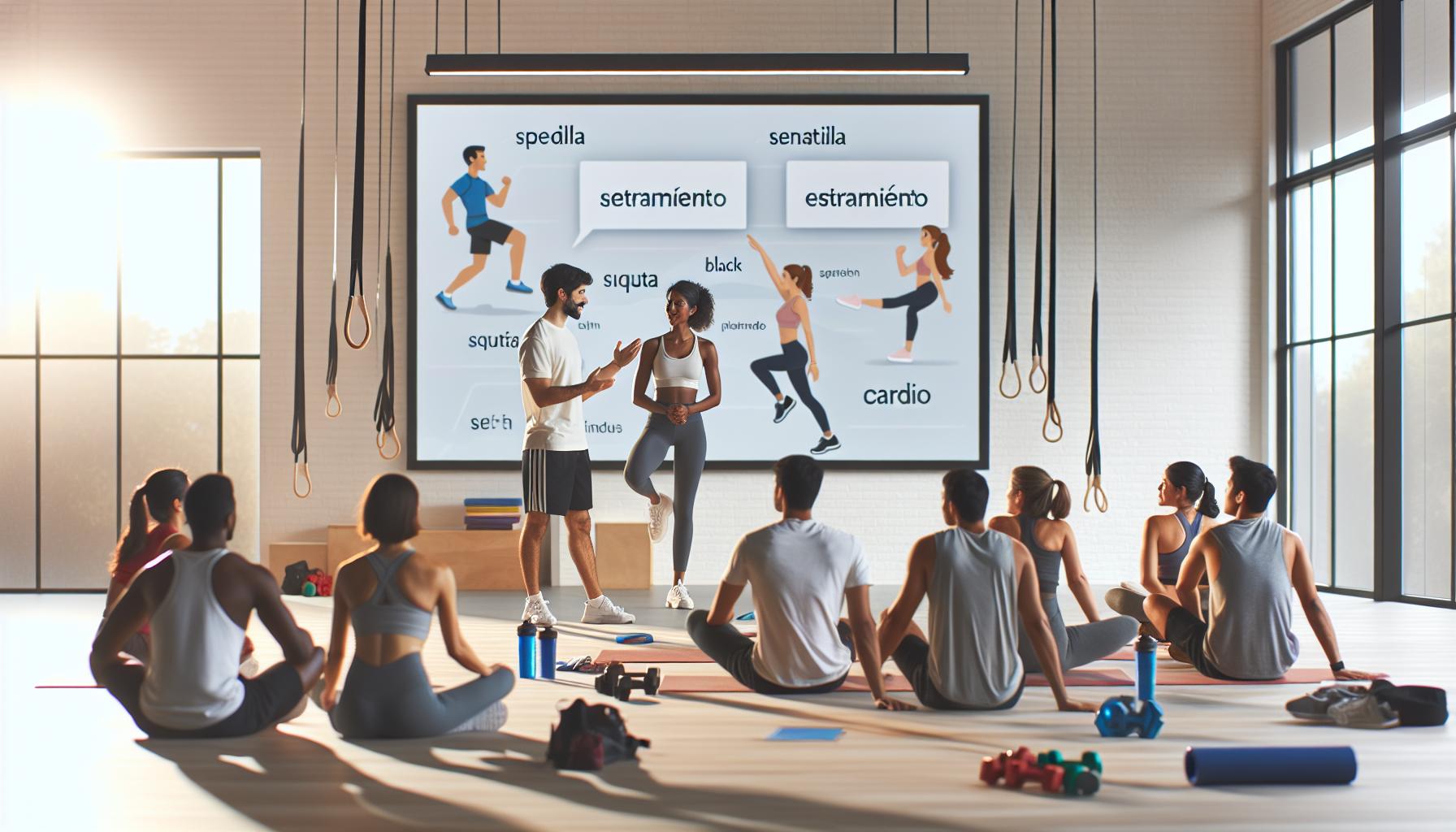
Understanding Fitness Vocabulary in Spanish
is essential for anyone looking to communicate effectively in a gym environment, whether you’re a beginner or more experienced. Many people underestimate the importance of language in fitness; however, knowing key phrases can enhance your workout experience, help you connect with fellow gym-goers, and follow instructions during classes.
When discussing fitness, there are several fundamental terms that should be familiarized with, such as ejercicio (exercise), entrar (to enter, in the context of entering a workout), and cuerpo (body). The term gimnasio refers to the gym itself, while entrenamiento is often used to describe training sessions. Additionally, being aware of common verbs used in fitness like levantar (to lift) and correr (to run) can make it easier to follow along during workouts.
Moreover, it’s beneficial to learn how to ask questions in Spanish. For instance, you might want to ask, “¿Dónde está el gimnasio?” (Where is the gym?) or “¿Qué ejercicios recomiendas?” (What exercises do you recommend?). Keeping a list of essential vocabulary terms on hand during workouts can serve as a handy reference, facilitating smoother communication and allowing you to focus more on your fitness goals.
Overall, embracing Spanish fitness vocabulary opens up a world of possibilities in personal training, group classes, and social interactions within the gym. Start practicing these terms consistently, and before long, you will find yourself more confident and capable of engaging in fitness conversations in Spanish.
Essential Terms for Exercising in Spanish
Regular physical activity is essential not only for physical health but also for mental well-being, making it important to effectively communicate about exercise, especially in a multi-lingual environment. Understanding key fitness vocabulary in Spanish can be the difference between a successful workout and feeling lost in translation. Start by familiarizing yourself with some essential terms that are commonly used in gyms and fitness classes.
One of the most important words is ejercicio (exercise), which encompasses all forms of physical activity. You’ll frequently hear entrenamiento (training) as you attend sessions or classes, indicating a structured approach to exercise. Whether you’re lifting weights or doing cardio, the verb levantar (to lift) becomes crucial as well as correr (to run), signifying the various types of workouts you may engage in.
Additionally, it’s valuable to know how to express what you feel during workouts. Phrases like me duele (it hurts) or estoy cansado/a (I am tired) can be incredibly useful for seeking assistance or managing expectations. If you want to ask about the best exercises, you could say, ¿Qué ejercicios recomiendas? (What exercises do you recommend?). Encouraging communication, especially when feeling overwhelmed, fosters a supportive environment that benefits all gym-goers.
Finally, keep a personal vocabulary list with common fitness terms and phrases on hand during workouts. This not only aids in building your confidence but also enhances your ability to connect with others in the fitness community. As you become more comfortable with these terms, you’ll find that navigating fitness conversations in Spanish becomes increasingly natural and enjoyable, transforming your gym experience into a more enriching one.
Common Spanish Phrases for Gym Conversations
In a multilingual and multicultural gym environment, knowing specific phrases in Spanish can vastly enhance your workout experience and communication with fellow fitness enthusiasts. By incorporating common Spanish phrases into your gym conversations, you can express your needs, ask for help, and engage with others more effectively. Here are some essential phrases that can come in handy while working out.
First, greeting someone at the gym sets a welcoming tone. You can start with a simple, “Hola, ¿cómo estás?” (Hello, how are you?). When asking for assistance or guidance, use phrases like “¿Puedes ayudarme?” (Can you help me?) or “¿Cómo se hace esto?” (How is this done?). These questions show your willingness to learn and engage with others, fostering a supportive environment.
When discussing workout routines, you might want to ask about preferences or recommendations. You can say, “¿Qué tipo de entrenamiento haces?” (What type of training do you do?) or “¿Cuál es tu ejercicio favorito?” (What is your favorite exercise?). These questions not only help you gather useful information but also encourage conversations that deepen connections with gym members.
It’s crucial to communicate your feelings during workouts as well. If you’re feeling fatigued, you can say, “Estoy cansado/a” (I am tired) or “Necesito un descanso” (I need a break). Additionally, when pushing yourself, expressing motivation can be beneficial. Say, “¡Vamos, puedo hacerlo!” (Come on, I can do this!) to pump up both yourself and those around you.
Finally, consider keeping a small list of these phrases handy or writing them down in your workout journal. This approach will not only aid in your memory but also boost your confidence during conversations. Over time, you’ll notice that these interactions become more seamless, enriching your gym experience and expanding your social network in the fitness community. Remember, each conversation is a stepping stone to improving your language skills and enhancing your overall workout environment!
How to Talk About Workouts in Spanish
When navigating a gym environment, especially one filled with Spanish-speaking peers, articulating your workout discussions uses a blend of vocabulary and understanding of phrases. Knowing how to discuss workouts effectively not only fosters camaraderie but also enhances your overall experience. Start by expressing your workout goals. For instance, you might say, “Quiero mejorar mi resistencia.” (I want to improve my endurance) or “Busco perder peso.” (I’m looking to lose weight). These expressions establish your intentions and can often lead to valuable advice or shared experiences from fellow gym-goers.
Engaging in conversational Spanish about exercises can make workouts more enjoyable. Try asking about specific routines with “¿Qué ejercicios recomiendas para fortalecer la espalda?” (Which exercises do you recommend for strengthening the back?). You can also share your preferences by saying, “Me gusta levantar pesas.” (I like to lift weights) or “Prefiero el cardio.” (I prefer cardio). These conversations can lead to discovering new workouts or fitness tips that can benefit everyone involved.
If you’re exploring different types of training, it’s helpful to converse about experiences. You could ask, “¿Has probado el entrenamiento HIIT?” (Have you tried HIIT training?). Providing feedback is also beneficial-express how a certain workout felt with phrases like “Fue desafiante pero divertido.” (It was challenging but fun). This type of interaction not only helps you articulate your experiences but also optimizes your time at the gym by connecting with others who share your interests.
Remember to stay open and inviting during these conversations. It’s perfectly fine to ask for clarification if you don’t understand something, using “¿Puedes repetirlo, por favor?” (Can you repeat that, please?). This willingness to learn will not only improve your Spanish skills but also enhance your relationships in the fitness community. As you practice these interactions, remember that every exchange is an opportunity to grow, both in fitness and language.
Exploring Spanish Vocabulary for Fitness Activities
Engaging in physical fitness activities is a language in itself, transcending spoken words and connecting individuals from diverse backgrounds. When exploring Spanish vocabulary specifically tailored for fitness activities, it’s essential to immerse yourself in words that convey not just actions, but also the spirit of health and wellness. Understanding these terms can dramatically enhance your interactions in gym settings, facilitating effective communication with Spanish-speaking peers and instructors.
Start by familiarizing yourself with key verbs associated with exercise. Words like “correr” (to run), “levantar” (to lift), and “entrenar” (to train) form the backbone of most fitness conversations. Pair these verbs with common fitness nouns to communicate your workout routine. For instance, “hacer ejercicio” translates to doing exercise, and you can specify the type by saying “hacer yoga” or “hacer pilates.” Expanding your vocabulary to include different sports or workouts-such as “natación” (swimming) or “ciclismo” (cycling)-will make it easier to share your preferences and experiences.
Additionally, understanding the terminology associated with fitness environments can enrich your experience. Familiar terms like “gimnasio” (gym), “pista” (track), and “salón de pesas“ (weight room) help you navigate your surroundings. Moreover, familiarize yourself with gym etiquette phrases, such as “¿Puedo usar este aparato?” (Can I use this machine?) or “¿Cuánto tiempo más vas a estar?” (How much longer will you be?). Using these polite inquiries demonstrates respect for others sharing the space and fosters a collaborative atmosphere.
Consider creating a personal glossary that reflects your fitness journey. This can include not just vocabulary relevant to activities you enjoy but also motivational phrases that inspire you, such as “No te rindas” (Don’t give up) or “Cada día cuenta” (Every day counts). By actively using these terms, both in practice and conversation, you will not only enhance your vocabulary but also build confidence in your ability to connect through fitness in a multicultural context. Embrace the journey, and remember that language is an empowering tool that can help you forge new relationships and enrich your workouts.
Translating Popular Exercise Routines to Spanish
Translating popular exercise routines into Spanish can enhance your fitness journey, especially if you’re engaged with Spanish-speaking communities or instructors. Imagine joining a group class where the instructor shouts, “¡Haz una serie de sentadillas!” (Do a set of squats!). Being familiar with the terminology not only helps you follow directions but also allows you to engage meaningfully with fellow fitness enthusiasts.
When considering workout translations, it’s useful to know the names of various routines and their components. For example, a popular method like “high-intensity interval training” can be translated to “entrenamiento en intervalos de alta intensidad.” Breaking down common exercises can make learning more manageable:
- Warm-up: Calentamiento
- Cool down: Enfriamiento
- Push-ups: Flexiones
- Burpees: Burpees
- Squats: Sentadillas
- Lunges: Zancadas
Familiarity with these terms positions you to confidently discuss your workouts. For instance, when participating in a group class, you might hear, “Realiza 10 repeticiones de sentadillas” (Do 10 repetitions of squats). Knowing the context can help you not only understand the commands but also encourage you to participate more actively.
Additionally, exploring specific regional names for exercises can enhance your cultural connection. In certain Spanish-speaking countries, fitness terms might vary. For example, what is commonly known as “planchas” (planks) in one region might simply be called “abdominales” (crunches) in another context. This attentiveness to regional differences creates a richer understanding and demonstrates respect for diverse fitness cultures. By learning and using these terms, you foster a sense of belonging and improve your communication skills, enriching both your workouts and interactions in the fitness realm.
Fitness Equipment Terms You Need in Spanish
When stepping into a gym, understanding the names and functions of various equipment can significantly enhance your workout experience, especially if you’re engaging with Spanish-speaking trainers or friends. Familiarizing yourself with fitness equipment terms in Spanish not only boosts your confidence but also enables clear communication about your goals and routines. Here’s a concise guide to essential fitness equipment vocabulary to support your fitness journey.
- Treadmill: Cinta de correr
- Exercise bike: Bicicleta estática
- Weight lifting bench: Banco de pesas
- Dumbbells: Mancuernas
- Kettlebell: Kettlebell (the same in Spanish)
- Squat rack: Rack para sentadillas
- Resistance bands: Bandas de resistencia
- Rowing machine: Máquina de remo
- Elliptical trainer: Elíptica
- Pull-up bar: Barra de dominadas
Being adept with these terms can make machine workouts more efficient. For instance, if you hear “Ajusta la cinta de correr” (Adjust the treadmill), you’ll know exactly what to do. Practice saying these words aloud to build familiarity, and consider incorporating them into conversations at the gym. This engagement not only helps solidify your vocabulary but also fosters connections with fellow gym-goers.
To enhance your learning, engage with the equipment directly. When trying out a machine, say its name aloud in Spanish. This technique reinforces memory, making terminology second nature during workouts. By developing these practical language skills, you’ll not only improve your fitness knowledge but also enrich your interactions within the fitness community.
Cultural Insights on Fitness in Spanish-Speaking Countries
In many Spanish-speaking countries, fitness is not just a personal journey but a cultural phenomenon that reflects lifestyle habits, community engagement, and social connection. The concept of working out, or “hacer ejercicio,” varies regionally, influenced by diverse traditions, popular sports, and local facilities. For instance, in Latin America, group classes are highly popular, fostering a sense of camaraderie while motivating individuals through shared fitness goals.
Outdoor exercise is profoundly ingrained in some cultures, with parks bustling with activity, especially in urban areas. For example, in cities like Bogotá, Colombia, the “Ciclovía” program closes certain streets to cars on Sundays, allowing locals to bicycle, jog, and participate in communal fitness activities without vehicular interference. This initiative brings communities together, creating a vibrant atmosphere where fitness is both a personal and collective pursuit.
Social media also plays a vital role in shaping fitness culture among Spanish speakers. Influencers and fitness enthusiasts often share tips, workout videos, and nutrition advice, promoting a modern approach to an active lifestyle. These platforms can help individuals connect with like-minded people and build supportive virtual fitness communities, enhancing motivation and accountability.
Lastly, understanding cultural nuances around fitness can enrich your interactions when discussing workouts in Spanish. Phrases like “¿Te gustaría unirte a mi clase de spinning?” (Would you like to join my spinning class?) not only help in making connections but also show respect for and interest in local fitness cultures. Embracing these social and cultural aspects of fitness can undoubtedly make your workouts more enjoyable and effective.
Using Spanish in Group Fitness Classes
Engaging in group fitness classes provides not only an opportunity for physical improvement but also a dynamic environment to practice your Spanish language skills. These classes often integrate commands and motivational phrases in Spanish, making them a perfect setting for immersing yourself in the language while getting fit. Whether leading a class or participating, familiarity with specific terms and phrases can enhance communication and foster connections with instructors and fellow participants.
To maximize your experience in a Spanish-speaking fitness class, start by familiarizing yourself with essential vocabulary related to workouts and fitness instructions. For example, terms like “calentamiento” (warm-up), “estiramiento” (stretching), and “descanso” (rest) frequently arise in class settings. Instructors often use motivating phrases such as “¡Vamos!” (Let’s go!) or “¡Sigue así!” (Keep it up!) to encourage participants, emphasizing the importance of not only understanding but also responding appropriately to these prompts.
Another key aspect is to engage actively with your workout partners. Use phrases like “¿Cómo te sientes?” (How do you feel?) or “¿Quieres hacer otra ronda?” (Do you want to do another round?) to create a supportive atmosphere that builds camaraderie. Sharing your experiences and exchanging tips in Spanish can enhance both your language proficiency and your workout routine. Additionally, consider forming small groups to practice Spanish discussions around fitness topics, which can further deepen your understanding and connection with others in the class.
As you progress in your fitness journey, experimenting with terms specific to your favorite activities can also be beneficial. For example, if you’re taking a yoga class, familiarize yourself with poses such as “perro hacia abajo” (downward dog) or “guerrero” (warrior). Each new class you attend can serve as an opportunity to expand your vocabulary and improve your conversational skills, making the workout not just physically demanding but also mentally engaging. By embedding Spanish into your fitness routine, you create a holistic approach to language learning that keeps both your body and mind active.
Tips for Practicing Your Spanish Fitness Vocabulary
To effectively master your Spanish fitness vocabulary, it’s essential to integrate practical learning techniques into your daily routine. Finding ways to connect language learning with your passion for fitness can make the process both enjoyable and impactful. Start by creating flashcards with key terms. On one side, write the English word, and on the other, the Spanish equivalent. Review these cards daily, especially before your workouts, to reinforce your memory. Apps like Anki or Quizlet are particularly useful for this, allowing you to test yourself anytime.
Another effective strategy is to incorporate Spanish into your workout playlists. Consider listening to fitness-themed podcasts or playlists in Spanish during your cardio sessions. Not only will this expose you to natural conversations and commands, but it will also enhance your listening skills. Try to listen to shows that focus on health, nutrition, or workout tips to familiarize yourself with relevant terminology and conversation styles.
Engagement with native speakers can dramatically enhance your learning experience. Join local Spanish-speaking fitness groups or online communities where you can practice speaking about workouts, share experiences, or even coordinate workout sessions. Participate in discussions, and don’t hesitate to ask questions about fitness-related vocabulary. This hands-on approach will help solidify your understanding and allow you to learn in real-time contexts.
Finally, consider setting personal challenges, such as describing your workout routine or your recent fitness achievements entirely in Spanish. This practice not only helps you consolidate your vocabulary but also builds confidence in your speaking abilities. Share your goals with a workout partner who is fluent in Spanish or learning alongside you, creating a supportive environment for both physical activity and language development. By making these practices a regular part of your fitness routine, you’ll notice significant improvements in both your Spanish vocabulary and your overall fitness journey.
Creating Your Personal Fitness Vocabulary List in Spanish
Creating a personal vocabulary list for fitness in Spanish can be both an enjoyable and enriching experience, helping you seamlessly integrate language learning into your fitness routine. A well-curated list not only aids in communication but also enhances your understanding of various fitness concepts that you encounter in everyday conversations or while participating in group workouts.
Start by identifying essential fitness terms that resonate with your workout regime. Consider key categories to organize your vocabulary effectively:
Essential Vocabulary Categories
- Exercises: Terms like “ejercicio” (exercise), “pesas” (weights), and “correr” (to run).
- Body Parts: Words such as “brazo” (arm), “pierna” (leg), and “abdomen” (abdomen).
- Fitness Equipment: Include items like “mancuernas” (dumbbells), “bicicleta estática” (stationary bike), and “colchoneta” (yoga mat).
- Workout Types: Phrases like “entrenamiento de fuerza” (strength training), “yoga,” and “circuito” (circuit).
Once you have your categories lined up, begin populating your list with specific terms relevant to your fitness routine. You could also include common phrases used in workouts, such as “¡Vamos a calentar!” (Let’s warm up!) or “¡Aguanta!” (Hang in there!). Tools like flashcards, mobile apps, or even a digital note-taking application can help you keep track of your vocabulary.
Engaging with the language as you work out can solidify your understanding and assist in retention. For example, you might listen to a Spanish podcast focused on fitness while exercising or engage with a workout video in Spanish. This exposure will not only improve your vocabulary but also give you a feel for how to apply these terms practically. Remember, consistency is key! Make reviewing and using your vocabulary part of your exercise routine, and you’ll find that it becomes second nature in no time.
Q&A
Q: How do you say “working out” in Spanish?
A: “Working out” in Spanish is commonly translated as “hacer ejercicio.” This phrase captures the general idea of engaging in fitness activities.
Q: What are some common fitness terms in Spanish?
A: Common fitness terms include “entrenamiento” (training), “pesas” (weights), and “aeróbicos” (aerobics). Familiarizing yourself with these terms can enhance your understanding of gym conversations.
Q: How can I ask someone about their workout routine in Spanish?
A: To ask about someone’s workout routine, say “¿Cuál es tu rutina de ejercicios?” This question invites them to share their fitness habits in detail.
Q: What phrases might I hear in a Spanish-speaking gym?
A: Common phrases in a gym might include “¡Buen trabajo!” (Good job!), “¿Puedes ayudarme?” (Can you help me?), and “Vamos a calentar.” (Let’s warm up). Hearing these can help you engage with others during workouts.
Q: How can I describe specific exercises in Spanish?
A: To describe exercises, use terms like “hacer sentadillas” (to do squats) or “levantar pesas” (to lift weights). Being specific can help improve communication in fitness classes.
Q: What are some cultural differences in fitness terminology across Spanish-speaking countries?
A: Fitness terms may vary; for example, “gimnasio” is used for gym in most countries, while “centro deportivo” may refer to a sporting center in some regions. Understanding local terms can enhance your cultural competence.
Q: How can I practice my Spanish fitness vocabulary effectively?
A: Practice by labeling gym equipment in Spanish at home, using a fitness app with Spanish vocabulary, or participating in Spanish-speaking fitness courses. Immersion can significantly improve your language skills.
Q: Why is it important to learn fitness vocabulary in Spanish?
A: Learning fitness vocabulary in Spanish enhances your ability to participate in physical activities in Spanish-speaking environments, making it easier to connect with others who share a fitness interest.
To Conclude
Now that you’ve got the essential fitness vocabulary to discuss working out in Spanish, it’s time to put your knowledge into action! Remember, mastering a language enhances your fitness journey and connects you with a broader community of fitness enthusiasts. If you’re eager to expand your language skills further, check out our guides on “Everyday Spanish Phrases” and “How to Describe Exercises in Spanish” for deeper insights.
Don’t forget to subscribe to our newsletter for regular updates, tips, and exclusive content! Have questions or tips of your own? Share your thoughts in the comments below-your engagement helps us create content that truly resonates with you. Keep pushing forward and take your fitness vocabulary to the next level; your journey starts now!