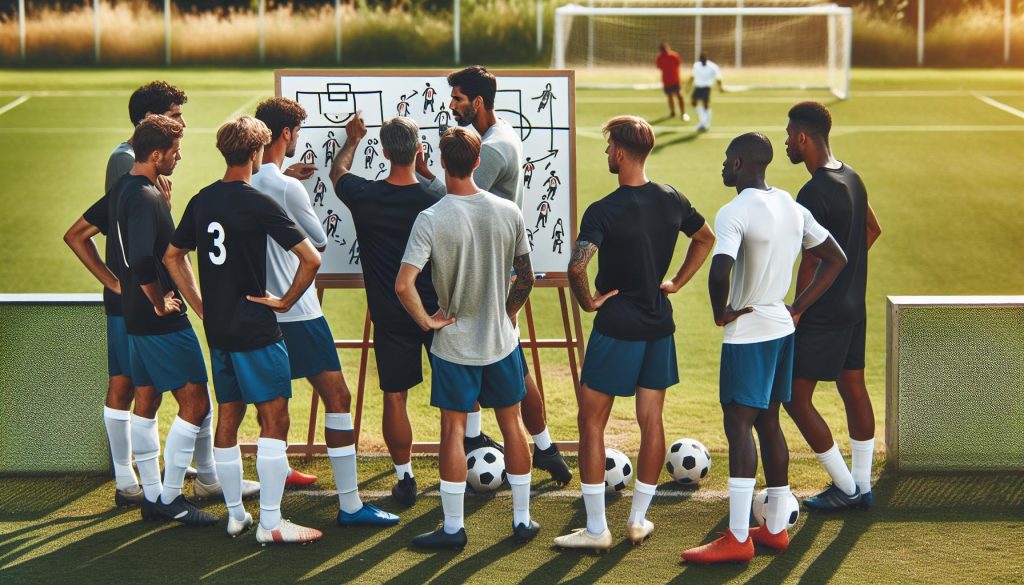
Soccer, a sport rich in strategy and teamwork, is more than just a game; it’s an essential part of culture and community worldwide. Understanding the tactical elements and collaborative dynamics involved in soccer not only enhances your appreciation of the game but can also translate well into skills valued in professional settings. This guide aims to equip students with insights into how tactical awareness and teamwork in soccer can positively affect your career development, fostering skills like communication, problem-solving, and leadership. As you explore the intricacies of field positioning, player roles, and strategic plays, you’ll uncover key lessons that extend beyond soccer, helping you navigate the complex landscape of academic and professional life. Join us on this journey, and discover how mastering the art of teamwork in soccer can pave the way to success in your future endeavors.
Understanding the Fundamentals of Soccer Tactics
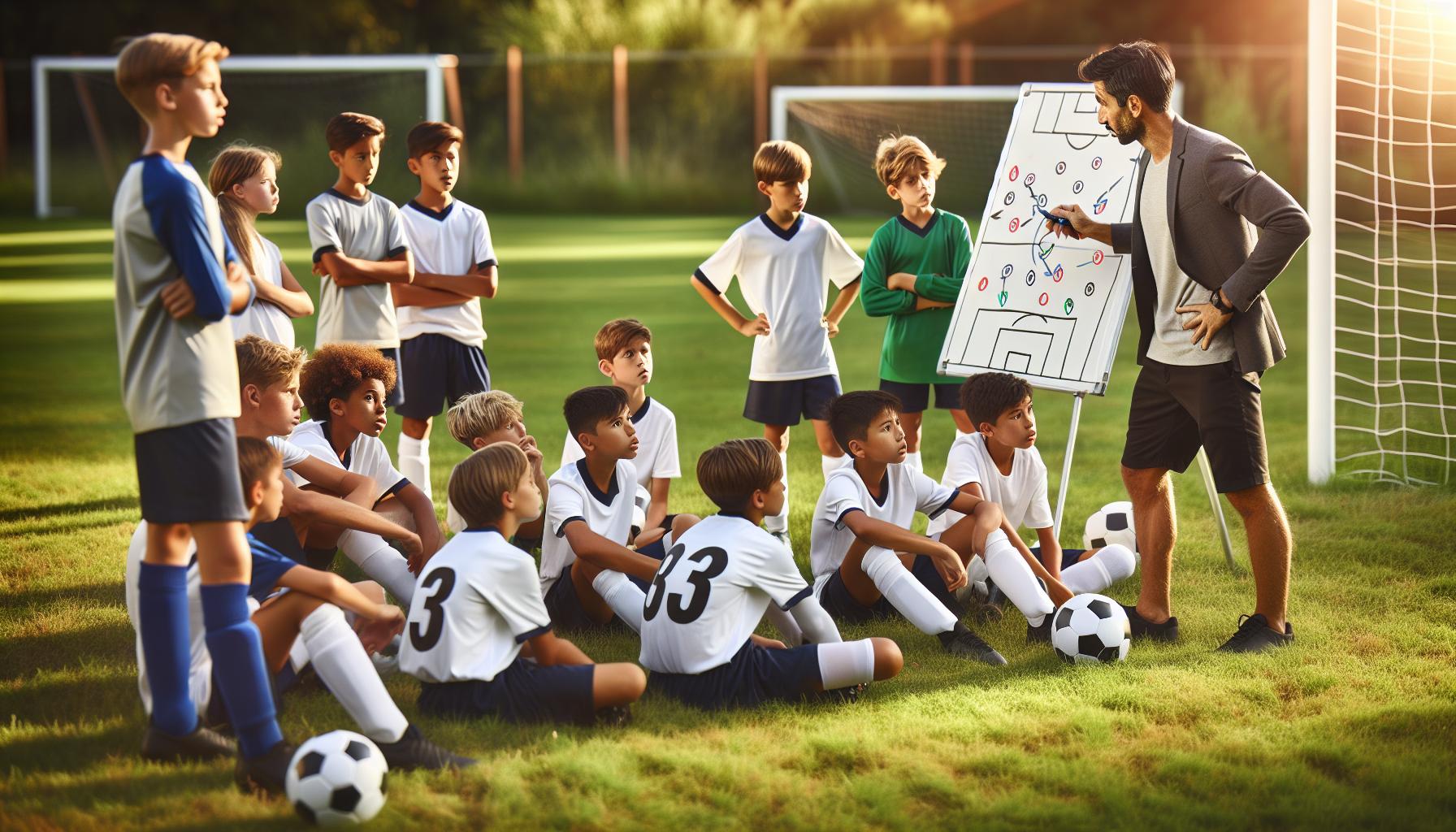
Understanding the tactical landscape of soccer is essential for players at any level. Soccer tactics involve not just the strategies teams employ to win matches but also how individuals activate their skills within a collective framework. The beauty of soccer lies in its dynamic nature; each match presents new challenges and variables influenced by opponent strategies, player attributes, and game conditions. By grasping these fundamentals, players not only enhance their individual performance but also contribute more effectively to their team’s success.
At the heart of soccer tactics are key concepts like formation, positioning, and player roles. Different formations-such as the 4-4-2 or 4-3-3-dictate how players position themselves on the field and how they interact with each other. Understanding the strengths and weaknesses of each formation enables players to adapt their playing styles accordingly. Additionally, individual roles within these formations-be it a central midfielder, wing-back, or striker-come with specific tactical responsibilities. For instance, a central midfielder should excel in both defending and transitioning the play, making them a pivotal element in linking defense and attack.
Moreover, successful soccer tactics require fluid communication and teamwork. Players must constantly exchange information and signals-whether verbally or non-verbally-to ensure cohesive movement and to capitalize on the opponents’ weaknesses. Practicing tactical drills that emphasize teamwork can help improve this element. For example, small-sided games can foster better understanding among teammates regarding their movements, spacing, and support mechanisms. As they play, fresh ideas will emerge about how to exploit the tactical landscape, encouraging creativity and fostering a culture of collaboration.
In an environment where strategies continuously evolve, staying updated on successful teams and their tactical approaches is critical. Analyzing both historical and contemporary soccer success stories can offer invaluable insights into effective tactical implementations. Recognizing how teams adjust their tactics based on the game’s flow and opponent strategies enhances players’ understanding of adaptability-an essential skill in the ever-changing dynamics of soccer. Engaging in discussions, watching match analyses, and participating in tactical workshops can all serve as beneficial avenues for deepening this understanding.
By embedding these tactical fundamentals into daily practice and game preparations, players can significantly improve not only their individual prowess but also their overall contribution to the team. As with any skill, gaining a robust understanding of soccer tactics requires a blend of study, practice, and experience on the field. Embrace every opportunity to learn from coaches and teammates, and watch how your tactical acumen translates into more effective gameplay.
Key Positions and Their Tactical Roles

Understanding the impact of specific player positions on the overall strategy is crucial for anyone seeking to grasp soccer tactics at a deeper level. Each position on the field is not merely a spot to stand; it comes with distinct tactical responsibilities that shape the team’s performance during a match. Recognizing these roles can enhance players’ effectiveness, provide clearer individual goals, and foster better collaboration within the team.
Key Positions and Their Tactical Responsibilities
Central to a team’s tactics are several key positions, each with unique roles and expectations. Here’s a breakdown:
- Goalkeeper: Often considered the last line of defense, the goalkeeper’s role extends beyond stopping shots. They must distribute the ball effectively to ignite counter-attacks and command their area during set pieces.
- Defenders: These players are tasked with disrupting the opposition’s attacks. Center-backs focus on blocking and challenging forwards, while full-backs are vital for overlapping runs, providing width in attack, and covering the flanks defensively.
- Midfielders: This group often acts as the heartbeat of the team. Central midfielders transition the ball between defense and attack, while attacking midfielders seek to create scoring opportunities. Their vision and decision-making can dictate the tempo of the game.
- Forwards: They carry the primary responsibility of scoring goals. Strikers often play closer to the defense, looking to exploit gaps, while wingers stretch the opposition by providing width, often delivering crosses or cutting inside to shoot.
Understanding these roles allows players to appreciate their contributions within the broader tactical framework. For instance, a central midfielder who understands their defensive responsibilities can better support both the backline and forward players, creating a cohesive unit.
Real-World Application
In practice, players should take the time to analyze how these roles play out in matches, using examples from professional play. Watching games and focusing on a single position can provide insights into the nuances of that role, revealing how tactical adjustments are made in response to varying match situations. Students should engage in discussions with coaches and peers about role-specific challenges and strategies, enhancing their comprehension and application of tactics.
Fostering strong tactical knowledge through understanding key positions not only elevates individual performance but also cultivates a more synchronized team dynamic. Whether you’re on the field or supporting your teammates from the sidelines, having a solid grasp of each position’s roles can be a game-changer.
Teamwork: The Backbone of Soccer Success
In the world of soccer, teamwork is not just a concept; it’s the very fabric that weaves each player’s contributions into the success of the team. The fluid nature of the game makes it essential for players to understand how their roles intersect and support one another during dynamic play. A well-coordinated team can often outmaneuver even more talented individuals simply by harnessing the power of collaboration and shared objectives.
To foster a successful team environment, it’s vital that players build trust and establish clear lines of communication. This is achieved through regular practice sessions where players work on drills designed to enhance their understanding of each other’s playing styles. For instance, players could focus on passing patterns that require anticipation and awareness, helping to integrate each member’s movements as they transition from defense to attack. This builds not only technical skills but also a deeper sense of camaraderie, which translates into better on-field performance.
Moreover, embracing diversity in skills and perspectives can enrich collaboration. By recognizing individual strengths-such as a defender’s tactical awareness or a midfielder’s creativity-teams can develop strategies that best leverage these attributes for collective benefit. This understanding cultivates synergy, making it easier for players to provide support when needed, whether it’s covering a teammate’s defensive responsibilities or creating space to facilitate a goal-scoring opportunity.
Incorporating strategic discussions and feedback loops during team meetings can also enhance understanding of each player’s tactical roles. This encourages a growth mindset where players feel empowered to voice their thoughts, leading to improved strategies and heightened awareness of team dynamics. Ultimately, a cohesive unit not only enhances performance on the pitch but also fosters an environment where all players can thrive, paving the way for a more successful soccer journey both individually and collectively.
Developing Effective Communication on the Field

In the fast-paced world of soccer, effective communication on the field is crucial for success. Whether it’s shouting out tactical adjustments, signaling for the ball, or motivating teammates, clear and concise communication can be the difference between winning and losing. Players must develop a shared language that encompasses verbal cues, non-verbal signals, and an intuitive understanding of each other’s movements during play. This mutual understanding allows teams to execute complex plays seamlessly and helps to reinforce the tactical framework established during practice.
To cultivate this kind of effective communication, teams can implement several strategies. Regular practice sessions provide a prime opportunity to establish routines that encourage players to communicate openly. Coaches might introduce drills specifically designed to promote vocal communication. For example, involving players in small-sided games where they must constantly call for the ball can reinforce the importance of speaking up during matches. Additionally, using specific code words for particular plays can streamline communication and enhance quick decision-making on the pitch.
Non-verbal communication also plays a significant role in soccer. Players should be trained to read body language and understand the movements of their teammates. For instance, a simple gesture or eye contact can indicate a player’s intent to make a pass or create space without the need to voice these intentions. To foster this non-verbal communication, teams can incorporate exercises that focus on positional awareness and movement drills, which help players anticipate each other’s actions and respond accordingly.
Finally, it’s vital to create an environment where players feel comfortable expressing themselves. Encouraging open dialogue during training, where players can share thoughts and feedback, helps to build trust and camaraderie within the team. This approach not only enhances on-field communication but also nurtures relationships among teammates, leading to a more cohesive and resilient unit during competition. By prioritizing effective communication, teams can develop the synergy needed to elevate their game and perform at their best.
Formations and Strategies: What You Need to Know

Understanding the array of formations and strategies in soccer is essential for any player or coach looking to enhance their tactical knowledge. Formations serve as the backbone of a team’s structure, providing a framework for how players position themselves on the field and interact with each other during the game. While there are numerous formations, a few basic ones are widely used across levels of play.
One of the most common formations is the 4-4-2, which features four defenders, four midfielders, and two forwards. This balanced approach allows for solid defensive coverage while maintaining attacking options. Alternatively, the 4-3-3 formation emphasizes a more attacking style of play, with three forwards pushing upfield and potentially overwhelming the opposing defense. Understanding these formations not only helps players identify their roles but also gives insight into how to exploit opposing teams’ weaknesses.
Beyond formations, implementing various strategies is crucial for success on the field. Teams may adopt an attacking mindset, focusing on building plays from the back and creating goal-scoring opportunities, or a defensive strategy, which involves maintaining solid formations to limit the opponent’s chances. An effective way to practice these strategies is through scenario-based drills that mimic real-game situations, allowing players to apply theoretical knowledge practically.
Communication within these formations is just as vital as the tactical setups themselves. Players must be encouraged to express themselves and implement their understanding of each formation’s dynamics, forging a cohesive unit that can adapt to game-time situations. Adapting strategies based on the opponent’s formation and play style is another skill that should be honed during training, enabling players to read the game effectively and react accordingly.
In conclusion, mastering formations and strategies in soccer requires continuous practice and an understanding of the evolving dynamics of the game. Players who embrace these tactical elements, coupled with effective communication, will undoubtedly see improvement in their gameplay and overall team success.
Analyzing Opponent Strategies for Better Performance
Analyzing your opponent’s strategies is a critical component of successful soccer play that can dramatically impact performance on the field. Understanding how the opposing team is likely to behave allows you to adjust your tactics proactively, giving your team a strategic edge. One effective approach is to study the formations and play styles used by your opponents in previous matches. This historical analysis provides insights into their tendencies, strengths, and weaknesses.
Utilizing video analysis tools can help dissect an opponent’s game. Watch recorded matches to identify patterns in their attacks and defenses. For instance, if an opponent frequently uses a high press when they lose the ball, your team might adapt by employing quick, short passes to bypass the pressure and exploit the space left open. Moreover, evaluate individual player performances; knowing when a specific defender struggles against fast attackers can guide your team’s offensive strategy.
Moreover, during practice sessions, simulate the strategies of your upcoming opponents. Creating drills that reflect their playing style allows your team to prepare mentally and physically for what to expect. Discuss how to adapt formations in real-time based on the dynamic strategies of opponents. For example, if you know a team favors wing play, training your full-backs to track back quicker and reinforce the defensive line can mitigate their attacks effectively.
Encouraging players to communicate their observations during the match can cultivate a responsive and adaptable team environment. This real-time feedback loop enables quicker tactical adjustments and smoother gameplay under competitive conditions. As your players become more skilled at recognizing and analyzing opponent strategies, their confidence will increase, further enhancing overall team performance.
Building Synergy: Collaboration Between Players
Building effective collaboration among players is essential for success on the soccer field. When players work together seamlessly, they create opportunities, reduce mistakes, and foster a positive team environment. A notable fact you might consider: in successful teams, player synergy often leads to enhanced performance that transcends individual skill levels. This underscores the importance of building strong relationships, both on and off the field.
To foster collaboration, teams should develop a culture of trust and open communication. This can be achieved through team-building exercises that encourage players to get to know each other better, both personally and professionally. Initiating regular team meetings where players discuss their thoughts on team strategy can also open channels of communication. Furthermore, practicing together enables players to understand each other’s playing styles, which is crucial during high-pressure match scenarios.
One practical strategy is to incorporate small-sided games during practice. These scenarios encourage players to make quick decisions and increase their awareness of teammates’ movements. For example, in a 5v5 drill, players can experiment with different formations and learn to read each other’s cues, facilitating better on-field interactions during actual games. Coaches should emphasize the importance of anticipatory play, where players learn to predict teammates’ actions, reducing hesitation and improving fluidity in gameplay.
Additionally, constructive feedback is vital. Creating an environment where players feel comfortable sharing insights without fear of criticism helps cultivate a strong collaborative spirit. Encourage players to focus on positive reinforcement; for instance, recognizing a teammate’s good decision during a match can build rapport and confidence. As players become more attuned to each other’s strengths and weaknesses, they will form a cohesive unit that can adapt swiftly to opponents’ strategies, ultimately leading to greater success on the field.
The Importance of Practice in Tactical Understanding
Practicing regularly is not just a crucial aspect of honing soccer skills; it’s central to understanding and implementing tactical strategies effectively. By engaging in consistent practice, players can gain invaluable insights into formations, player roles, and situational awareness on the field. This repetitive exposure allows athletes to internalize tactical concepts, enabling them to execute plays with precision and confidence during matches.
One of the most effective ways to enhance tactical understanding is through game simulation practices. These sessions mirror real-match conditions, providing players with the opportunity to apply theoretical knowledge in practical scenarios. For instance, by practicing various formations, such as the 4-3-3 or 3-5-2, players can experience firsthand how their movements and decisions impact team dynamics and overall strategy. Coaches can incorporate tactical drills focusing on different phases of play-attack, defense, and transitions-encouraging athletes to adapt their approach based on the situation at hand.
Moreover, video analysis can serve as a powerful tool for improving tactical awareness. Reviewing game footage allows players to visualize their movements and decision-making processes. This self-assessment can highlight areas for improvement and reinforce successful strategies employed during practices or matches. Coaches can facilitate discussions by asking players to identify tactical decisions made during the game, fostering a deeper understanding of both their play and their opponents’.
Regular practice also cultivates a growth mindset among players. This mindset encourages them to view challenges as opportunities for development, thus enhancing their resilience and adaptability on the field. As players face varied opponents and tactics, the ability to remain calm and make smart decisions becomes essential. Emphasizing practice not only prepares players for immediate performance but also instills lifelong skills that contribute to their overall soccer journey.
In conclusion, the importance of practice in understanding soccer tactics cannot be overstated. In an environment where players continually learn and adapt, practice becomes the foundation that underpins successful gameplay, informed decision-making, and tactical fluidity. By dedicating themselves to focused practice and embracing ongoing learning opportunities, players can elevate their game and contribute meaningfully to their team’s success.
Mental Preparation: The Tactical Mindset
The mental aspect of soccer often separates good players from great ones. A strong tactical mindset not only allows players to execute specific strategies on the field but also helps them anticipate and respond to dynamic game situations. Understanding that soccer is as much a mental game as it is a physical one is crucial for players who aspire to reach their full potential. By focusing on mental preparation, players can position themselves for success during matches while contributing positively to the team’s overall performance.
One effective way to cultivate a tactical mindset is through visualization techniques. Players can mentally rehearse their movements, as well as their teammates’ movements, within various formations and scenarios. This practice can enhance familiarity with tactical roles and improve situational awareness. Visualization helps players envision themselves responding to different match situations, such as executing a counter-attack or maintaining defensive shape. For example, before a key match, teams can gather to visualize set pieces and discuss their tactical responses to possible plays by their opponents. This collective mental exercise can build confidence and foster a common understanding among players.
In addition, developing a growth mindset is essential in the competitive environment of soccer. Players need to approach challenges, such as facing a strong opponent or recovering from a mistake, as opportunities for learning rather than setbacks. This mindset encourages resilience; when players focus on improvement rather than failure, they become more adaptable to in-game changes. Engaging in post-game reflections can facilitate this growth process. After matches, teams should analyze not only what tactics worked well but also what didn’t and how they can adapt for future games. This practice instills a culture of continuous development and encourages open communication, vital for cohesive team collaboration.
Furthermore, having a clear routine before games can enhance a player’s focus and prepare them mentally. Routines can include warm-up exercises, breathing techniques, and motivational affirmations, all designed to get players into the right mindset for competition. Setting individual goals for each match can help players focus their effort and attention, ensuring that they remain engaged and mentally agile throughout the game. By establishing a personal preparation ritual, players can create a sense of stability, helping them perform at their best regardless of external pressures.
In conclusion, a strong tactical mindset is an invaluable asset in soccer. By employing visualization techniques, embracing a growth mindset, and establishing effective pre-game routines, players can enhance their mental preparation and improve their on-field performance. As they cultivate these attributes, they will not only excel individually but also contribute to the collective success of their team, ensuring a more cohesive and strategically aware squad.
Game-Time Decision Making: Staying Adaptable
In soccer, the ability to make swift, informed decisions in response to the ever-changing dynamics of a game can significantly impact a team’s success. Whether it’s adjusting positioning based on an opponent’s movement, exploiting a moment of space, or switching tactics mid-game, adaptable decision-making is key. Players must remain not only aware of their role but also tuned into the patterns and shifts that occur on the field. When unexpected challenges arise-such as an injury to a teammate, a red card, or a sudden change in the weather-the capacity to adjust tactics fluidly becomes paramount, showcasing a team’s resilience and strategic depth.
One effective approach to improving decision-making is through simulation training. Coaches can create game-like scenarios during practice that mimic high-pressure situations requiring quick thinking. For instance, conducting drills that involve facing a superior number of attackers compared to defenders forces players to think critically about positioning, support, and communication. This not only equips players to handle similar situations in actual matches but also fosters a culture of responsiveness within the team. Players who engage in these simulations learn to anticipate opponents’ moves and adapt accordingly, enhancing both their individual and collective performance.
Moreover, strong communication is essential for achieving adaptability during games. Establishing clear signals and cues among teammates can streamline decision-making processes when urgency arises. Teams should practice calling out formations and strategies, ensuring everyone is on the same page as situations evolve. This collective understanding helps players react not just to their immediate surroundings but also to their teammates’ tactical intentions. By maintaining open channels of communication, players empower each other to make confident decisions even in the heat of the moment.
Additionally, reflecting on past matches can further hone a player’s ability to make quick decisions in games. Coaches should encourage players to review footage, analyzing pivotal moments where adaptability was either executed well or lacking. Discussing what worked and what didn’t can provide invaluable insights, preparing players for future scenarios. Building a habit of post-match analysis fosters growth and resilience, allowing students to learn from every experience and evolve their tactical understanding.
Ultimately, adaptability in game-time decision making is a skill that can be cultivated through practice, communication, and reflection. By embracing these strategies, players not only enhance their individual capabilities but also strengthen the overall tactical acumen of their team. As students navigate their own career paths, the principles of flexibility and informed decision-making will serve them well, equipping them to face the challenges of any field.
Case Studies: Successful Teams and Their Tactics
In the dynamic world of soccer, certain teams stand out not just for their talent but also for the tactical genius that drives their success. One such example is FC Barcelona, renowned for its “tiki-taka” style. This approach emphasizes short, quick passes and maintaining possession, effectively bewildering opponents. The philosophy of playing a patient, possession-oriented game not only controls the tempo but also maximizes the team’s attacking opportunities. Coaches and players alike can draw inspiration from Barcelona’s focus on collective effort, where every player, including the goalkeeper, is expected to participate in build-up play.
Another exemplary case is Pep Guardiola’s Manchester City, which has revolutionized modern football with its fluid formations and positional play. The team utilizes a 4-3-3 formation that can quickly shift into a 2-3-5 during attacks, showing an impressive adaptability to in-game situations. Each player is well-drilled in multiple roles, enabling seamless transitions between defensive and offensive phases. This strategic flexibility is a testament to how important it is for students and aspiring players to cultivate a diverse tactical understanding, as it prepares them for various game scenarios.
To further illustrate the importance of tactical awareness, consider the underdog story of Leicester City during their 2015-2016 Premier League title win. Their strategy focused on solid defensive organization, swift counter-attacks, and an excellent understanding of their individual roles. This approach showed that successful tactics aren’t only about star players; teamwork and coherent strategy can triumph against more traditionally dominant sides. Students can learn here that dedication to the team concept often leads to outstanding results, emphasizing that every player’s role, no matter how minor it may seem, is crucial for achieving collective goals.
As you analyze these successful teams, remember that implementing their strategies requires practice and patience. Consider adopting similar training methodologies in your relay practice scenarios or drills. Reflecting on these teams’ tactics can inspire not only your understanding of soccer but also your approach to personal growth and resilience in any career path you choose. Embrace these lessons, stay adaptable, and you will cultivate both your tactical acumen on the field and your professional skills off it, paving the way for a successful future.
Faq
Q: What are the key elements of teamwork in soccer?
A: The key elements of teamwork in soccer include communication, trust, coordination, and understanding each player’s role. Building synergy among team members enhances performance on the field. To improve these elements, regular practice drills focused on team interaction can be beneficial. For more insights, refer to the section on “Building Synergy: Collaboration Between Players.”
Q: Why is tactical understanding important for soccer players?
A: Tactical understanding is crucial for soccer players as it enables them to read the game, anticipate opponent moves, and make informed decisions during play. This understanding enhances both individual and team performance, allowing for strategic gameplay. Explore “Understanding the Fundamentals of Soccer Tactics” for a deeper dive.
Q: How can players develop effective communication on the field?
A: Players can develop effective communication on the field by using clear, concise verbal cues and hand signals during games. Practicing these forms of communication during training sessions fosters better teamwork. Check out the section on “Developing Effective Communication on the Field” for practical techniques.
Q: What role does mental preparation play in soccer tactics?
A: Mental preparation equips players with the focus and resilience needed to execute tactics effectively during games. Developing a tactical mindset helps players adapt quickly to evolving situations on the field. For strategies on mental preparation, see “Mental Preparation: The Tactical Mindset.”
Q: How do formations affect teamwork in soccer?
A: Formations dictate player positions and movements, influencing how the team collaborates during attacks and defenses. Choosing the right formation can enhance teamwork and overall gameplay. Learn more about different formations in the section “Formations and Strategies: What You Need to Know.”
Q: What strategies can help analyze opponent gameplay?
A: Analyzing opponent gameplay involves studying their formations, player movements, and tactical approaches. Players can benefit from reviewing past match footage and conducting team discussions. Visit “Analyzing Opponent Strategies for Better Performance” for more effective strategies.
Q: When should players make tactical adjustments during a game?
A: Players should make tactical adjustments during a game when they notice the opposing team exploiting weaknesses or when their own strategies aren’t working effectively. Quick assessments and flexible game-time decision-making are key. The article’s “Game-Time Decision Making: Staying Adaptable” section offers practical tips.
Q: How can teamwork lead to success in soccer matches?
A: Teamwork leads to success in soccer matches by fostering collaboration among players, ensuring that everyone plays their role effectively. Strong teamwork enhances strategic execution, which is critical for outmaneuvering opponents. For more on this, visit “Teamwork: The Backbone of Soccer Success.”
Final Thoughts
Understanding tactical awareness and teamwork in soccer is essential for any aspiring player or coach. By mastering these concepts, you can elevate your game and contribute effectively to your team’s success. Don’t wait to implement these insights-dive into practical drills and game analysis today to see immediate improvement on the field.
For further resources, explore our in-depth articles on “The Best Training Drills for Tactical Awareness” and “Building Effective Team Communication.” Additionally, consider subscribing to our newsletter for weekly tips and exclusive content tailored to your soccer journey. Your next step toward becoming a soccer strategist starts now-engage with these tools and elevate your understanding further. Remember, every moment you invest in your knowledge will reflect in your performance. Let’s keep the conversation going; share your thoughts and experiences in the comments below!