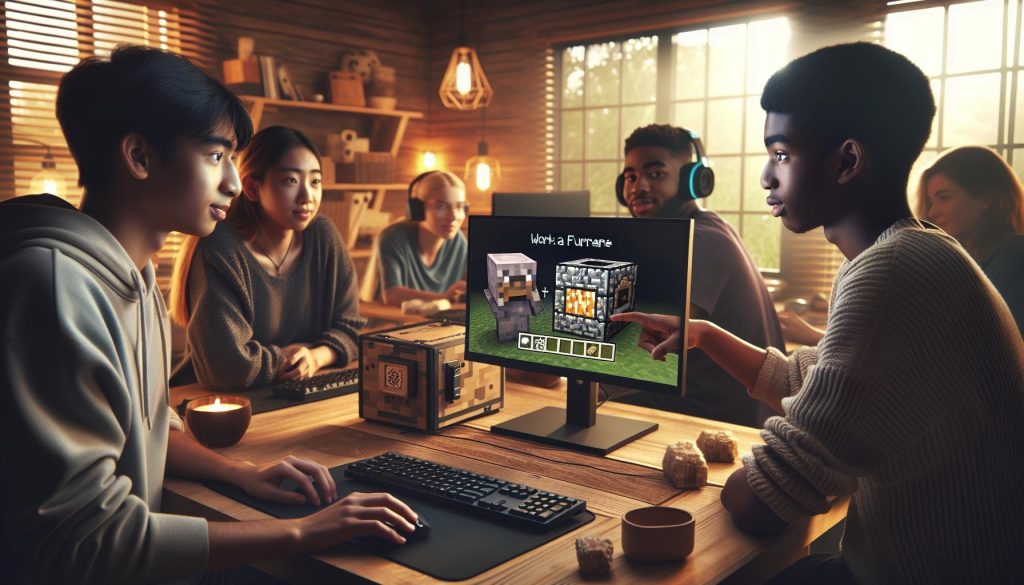
In Minecraft, mastering the furnace is essential for transforming raw materials into valuable resources-an important skill for anyone looking to thrive in survival mode. Did you know that understanding the furnace can significantly speed up your crafting and resource-gathering processes? Whether you’re smelting ores, cooking food, or creating glass, knowing how to efficiently operate a furnace can elevate your gameplay experience. Many players often feel overwhelmed by the intricacies of resource management and crafting systems, but don’t worry! This guide will break down the furnace mechanics, offering practical tips and strategies to enhance your survival skills. By the end of this article, you’ll not only become proficient in furnace operations but also gain confidence to tackle more complex crafting tasks in your Minecraft adventures. Let’s dive in and unlock the potential of the furnace together!
Essential Components of a Minecraft Furnace
A furnace in Minecraft is a fundamental block essential for players looking to enhance their gameplay through smelting and cooking. Understanding its essential components is crucial for both new and experienced players wanting to maximize their efficiency in the game. The most basic setup of a furnace consists of the block itself, the fuel source, and the items to be smelted or cooked.
Key Components
The furnace operates using three main components:
- Furnace Block: Crafted from eight cobblestones, the furnace is the primary structure that allows players to smelt ores, cook food, and create various items.
- Fuel: A variety of materials can be used as fuel, including coal, charcoal, wood, and even some foods. Each fuel source burns for a different duration, affecting how many items can be smelted or cooked before it needs to be replenished.
- Input Item: This refers to the item placed in the furnace for smelting or cooking, such as iron ore or raw beef. The output will be produced in the output slot once the process is complete.
Recognizing how these components interact within the furnace GUI (Graphical User Interface) will enable you to operate the furnace effectively. The GUI displays an input slot, a fuel slot, and an output slot, providing a visual way to manage your smelting operations. Players can enhance their experience by strategically choosing fuel types that yield the best results based on their available materials.
Moreover, being aware of the specific types of fuels available and their burning durations can significantly impact your efficiency. For example, while coal is commonly used, using blocks of coal or lava buckets can extend your smelting times, allowing the furnace to operate longer without constant supervision. Understanding these elements will not only streamline your crafting processes but also ensure you’re making the most out of each smelting operation in your Minecraft adventures.
Step-by-Step Guide to Using a Furnace
Using a furnace effectively in Minecraft is essential for players aiming to enhance their gameplay experience through efficient smelting and cooking. The process may seem straightforward, but mastering the nuances can make a significant difference in your survival journey. Here’s a detailed guide to help you navigate the furnace’s functionalities seamlessly.
To begin using a furnace, first, place the furnace block in an accessible location. Right-click (or tap, depending on your platform) to open the furnace GUI. You will notice three slots: an input slot for the items you want to smelt, a fuel slot to store your fuel, and an output slot where the finished product will appear. The initial step is to gather the items you wish to smelt-whether it’s ores like iron or gold, or food items like raw beef or chicken.
Next, choose your fuel. You have numerous options such as coal, charcoal, wood planks, or even lava buckets. Each fuel source has a different burn duration, so it’s wise to select one that optimizes your smelting operations. For instance, while using regular coal allows for the smelting of eight items, a block of coal can smelt up to 80 items. After placing the fuel in the designated slot, place your raw materials in the input slot.
Once you’ve arranged the items in the furnace GUI, you’ll see a progress bar animate as the smelting process begins. It’s important to monitor this bar, as it indicates how long until the items are fully smelted. After the process completes, the resulting items will appear in the output slot, ready for collection. Remember that if you want to smelt multiple batches or different items, you may need to replace or add more fuel, ensuring a continuous workflow.
In addition to these basic operations, consider setting up a more advanced system using hoppers and chests to automate your smelting process. This method can save you significant time and resources, allowing you to focus on other survival aspects while your furnace works efficiently in the background. With these steps and tips in mind, you will enhance your furnace utilization, making your Minecraft experience more productive and enjoyable.
Mastering Different Fuel Types in Minecraft
Using the right fuel types is crucial for maximizing the efficiency of your furnace in Minecraft. Fuel not only powers the smelting process but also determines how many items you can smelt before needing to refuel. Each type of fuel has unique properties that can optimize your operations and help you manage resources more effectively.
Consider the standard fuel options available to players. Coal and charcoal are two of the most common types, and for good reason. A single piece of coal can smelt up to eight items, while a block of coal, created from nine pieces of coal, can smelt a staggering 80 items. This makes block of coal an ideal choice when you have a large number of items to smelt, providing a significant return on your investment.
In addition to these, wooden items make for useful fuels as well. Wooden planks can smelt up to six items, while plant-based fuels like logs can smelt up to 15 items. Be mindful that using wooden tools or swords, which you may not have other uses for, can be a sustainable way to recycle them as fuel.
Interestingly, lava buckets are the most powerful fuel source in the game. A single lava bucket can smelt up to 100 items, making it an extremely efficient choice for long-term projects or large batch smelting. However, they are less convenient because they require you to gather lava instead of simply mining for coal or harvesting trees.
When managing your fuel, also think about the situation at hand. For example, if you’re only smelting a few items, using less valuable fuels like sticks or wooden tools may be sufficient. But in larger operations, investing in coal or even blocks of coal and lava will save precious time and resources, keeping your survival strategy robust.
By experimenting with different fuel types and understanding their efficiencies, you can streamline your furnace operations, allowing for a more effective gameplay experience. Balancing the fuel you use with your immediate needs will not only enhance productivity but also enrich your overall Minecraft journey.
Unlocking Advanced Smelting Techniques
in Minecraft can significantly improve your efficiency and resource management, allowing you to maximize productivity in your survival endeavors. One of the most effective strategies involves the clever use of hoppers. By connecting hoppers to your furnaces, you can automate the smelting process, effectively turning your furnace into a factory. Set up a hopper to feed raw materials into the furnace and another to remove the finished items. This setup means you can continue exploring or gathering resources while your items are being smelted, significantly improving your game flow.
Additionally, consider using multiple furnaces in parallel to increase your smelting capability. This not only speeds up the process but also allows you to utilize different fuel types effectively. You can designate certain furnaces for specific resources, effectively managing your output based on your immediate needs. For example, one furnace could be dedicated to smelting ores while another handles cooking food. With this setup, you can balance the workload and ensure you’re never waiting too long for essential items.
Utilizing blast furnaces and smokers offers another layer of advanced techniques worth exploring. Blast furnaces are specifically designed for smelting ores and can process items twice as fast as a regular furnace, while smokers are ideal for cooking food. Switching between furnace types based on your requirements can save time and resources, enhancing your overall strategy. Just remember to be strategic about which units you utilize, ensuring that you’re making the best use of your available resources at any given moment.
Exploring these advanced smelting techniques not only simplifies your crafting processes but also enriches your overall gameplay. Leveraging automation with hoppers, diversifying your furnace types, and optimizing your smelting strategy can lead to a more productive Minecraft experience, allowing you to focus on exploration, building, or crafting with the resources you need readily available.
Crafting with the Furnace: Recipes to Explore
Crafting in Minecraft opens up a world of possibilities, and mastering the use of the furnace is crucial for any player looking to enhance their gameplay. One of the most fundamental recipes players should explore is the smelting of ores. For example, putting iron ore into a furnace alongside fuel will yield iron ingots, essential for crafting tools, armor, and various mechanisms. Beyond this, gold and diamond ores can similarly be transformed, greatly increasing your resource pool.
Another interesting recipe involves the production of glass. By placing sand in the furnace with a heat source, players can create glass blocks, which are not only good for aesthetics but also for functional builds like greenhouses and windows. For the adventurous, you can smelt cobblestone to produce stone, a versatile building material that opens up stylish architectural possibilities.
Cooking food is another critical function of the furnace. Raw meats, such as beef or pork, can be cooked to replenish hunger bars more effectively, making them essential for survival. Each raw item smelted yields its cooked equivalent and provides a more substantial health boost when consumed. Additionally, combining food with other materials, like baking potatoes or smelting kelp into dried kelp, allows for diverse meal options that can help sustain your character during long adventures.
For experienced players, exploring more complex recipes can yield even farther-reaching benefits. Using a furnace to convert clay blocks into bricks is essential for creating decorative structures and is a step in making brick blocks or flower pots. Even brewing can be initiated with furnace use, as brews often require items like blaze rods that can enhance your potion-making arsenal. By keeping your furnace busy with these diverse recipes, players can enjoy a significant advantage in survival mode, ensuring they are well-prepared for any challenge that comes their way.
Common Mistakes When Using a Furnace
Common mistakes players make while using a furnace can lead to wasted resources and considerable inefficiency. Understanding these common pitfalls is essential for optimizing your smelting processes in Minecraft and ensuring you make the most out of your resources.
One frequent error is using the wrong fuel type. While almost any combustible item can serve as fuel, not all fuels burn for the same duration. For instance, wood burns for a significantly shorter time compared to coal or charcoal. It’s advisable to save your precious coal for more essential crafting items and to use renewable fuel sources like wooden planks or sticks whenever possible. Consider creating a robust supply of bamboo or kelp, which can be processed into efficient fuel.
Another common oversight is not keeping an eye on the furnace output. Players often start smelting multiple items without realizing the previous batch hasn’t finished. This can lead to wasting materials and reducing efficiency. To avoid this pitfall, it’s best to smelt items in smaller quantities or stagger the production of different items, ensuring you collect all the products without delay.
Additionally, ignoring the importance of the furnace’s GUI (Graphical User Interface) can lead to misunderstandings about what’s happening during the smelting process. Players sometimes fail to realize that they can see how much fuel remains and how many items are being smelted. Always be sure to keep track of these details to maximize your operation’s efficiency. Familiarize yourself with the furnace’s layout and functions for a smoother experience.
Lastly, a frequent mistake is neglecting to clear the furnace often. Players can get accustomed to placing numerous items into the furnace without returning to retrieve their products. This practice can not only clutter the furnace operation but also lead to the unnecessary delay of subsequent smelting tasks. Make it a habit to check back frequently and collect finished products before adding new items, thus keeping your smelting process streamlined and effective.
By being aware of these common mistakes and implementing these tips, players can enhance their furnace proficiency and significantly improve their overall survival strategy in Minecraft.
Tips for Optimizing Furnace Efficiency
Efficient furnace operation in Minecraft can significantly enhance your gameplay by maximizing resource usage and streamlining your crafting processes. Understanding how to optimize your furnace efficiency ensures that you get the most out of your time and materials, allowing you to focus on other survival skills. Since furnaces are essential for smelting ores, cooking food, and crafting items, employing effective tactics can elevate your overall experience.
To begin with, consider the usage of multiple furnaces. Setting up several furnaces allows you to smelt or cook multiple items simultaneously, reducing waiting times. Arrange your furnaces in a compact layout, close to each other, so you can efficiently monitor and manage them during gameplay. Additionally, this setup enables you to use different fuel sources for each furnace, optimizing fuel use according to the specific items being processed.
Another vital tip is to categorize your resources in advance. Before starting the smelting process, separate your ores, food, and any other materials you plan to cook. This organization helps avoid confusion and makes it easier to manage which items go into which furnace. For example, you can have one furnace dedicated to ores, another for cooking food, and possibly a third for creating glass or charcoal. By doing this, you not only streamline the smelting process but also minimize the risk of accidentally mixing items that should be cooked or smelted separately.
Furthermore, always be aware of the type of fuel you are using and its efficiency. While charcoal and coal are excellent fuel sources, you can also use more renewable options like bamboo or kelp, as mentioned earlier. Consider creating a dedicated farm for these plants to ensure a reliable supply. Additionally, burning items like wooden slabs or sticks can prolong fuel efficiency, as one piece of wood typically smelts the same number of items as a full log.
Incorporating these strategies into your gameplay will not only make your furnace operation more effective but also enhance your overall survival strategy in Minecraft. Embrace these tips to boost your smelting efficiency, ensuring that every resource counts and helping you progress through the game’s various challenges.
Understanding the Furnace GUI and Operations
Understanding how to navigate the Furnace GUI is crucial for maximizing your crafting efficiency in Minecraft. When you first open a furnace, you will see a simple but effective interface that allows you to smelt various materials. The GUI consists of three main sections: the top slot for items to be smelted, the bottom slot for fuel, and the result slot that displays the finished product once the smelting process is complete.
To get started, add the items you want to smelt into the top slot. This could be anything from ores to food items. Next, place your chosen fuel source in the bottom slot. The furnace can utilize various fuels, including coal, charcoal, wood, lava buckets, and even blaze rods. Keep in mind that different fuel types provide different burn times; for example, a lava bucket can smelt up to 100 items, making it an efficient choice for large batches.
Once you have placed the items and fuel, you will notice a progress bar in the furnace interface. This bar indicates the smelting process and will fill as the items are processed. Be patient, as some items take longer than others to smelt. Once the progress bar is full, the result will pop into the result slot, ready for you to collect. Don’t forget to remove the finished product quickly, as items left in the result slot will not continue to smelt if you don’t collect them.
Lastly, mastering the Furnace GUI isn’t just about smelting items; it’s also about managing your resources effectively to avoid unnecessary waste. Always check how many items you can smelt with your available fuel before starting a new batch. By keeping track of your resources and understanding the Furnace’s operations, you’ll be well on your way to becoming a smelting pro in Minecraft. Embrace this knowledge to streamline your crafting process and enhance your survival strategy!
Furnace Alternatives: Blasting and Smoking
Utilizing alternatives to the standard furnace can elevate your smelting game in Minecraft, unlocking faster cooking options and unique functionalities. Blasting and smoking techniques offer tailored approaches to smelting that can save valuable time and enhance your survival crafting strategies. Understanding these alternatives allows you to maximize resource efficiency and diversify your gameplay.
Blasting furnaces are specifically designed for smelting ores and other materials at double the speed of regular furnaces. This efficiency is particularly beneficial when working with large quantities of ores, providing quicker access to valuable resources like iron, gold, and diamond. To craft a blasting furnace, you will need eight pieces of iron ingots and one furnace, combining them in the crafting grid. Using a blasting furnace requires a fuel source just like the traditional furnace, yet the speed it offers can significantly reduce your wait times, enabling you to focus on exploration and combat.
On the other hand, smokers are tailored for cooking food items and operate at the same accelerated smelting speed as blasting furnaces. If you’re constantly in need of nourishment, the smoker is your go-to solution. To craft a smoker, you’ll need four logs (any type) and one furnace, which can be arranged in the crafting interface. The smoker excels in converting raw food into cooked varieties quickly, helping you maintain a healthy food supply while exploring the vast world of Minecraft.
In summary, leveraging both blasting furnaces and smokers can greatly optimize your resource management. When pursuing extensive mining and cooking operations, consider strategically incorporating these alternatives into your workflow. This approach not only enhances the pace of your survival game but also adds depth to your crafting strategy, allowing you to adapt to various situations and challenges you may encounter in your Minecraft adventures.
Maximizing Resource Collection with Furnaces
To effectively gather and utilize resources in Minecraft, mastering the furnace is crucial. This essential tool not only allows players to smelt ores and cook food but also transforms raw materials into more valuable forms that can drastically enhance your crafting capabilities. Understanding the ins and outs of the furnace, such as optimal usage and the strategic collection of resources, can significantly boost your gameplay and survival efficiencies.
One of the simplest yet most effective ways to maximize resource collection is to prioritize the smelting order based on resource value and needs. Start by smelting ores that yield the highest rewards first-such as gold and diamond-since they are more valuable and less common. Use a strategy while mining to gather these resources, then return to your base and utilize the furnace to convert them into ingots. To ensure a steady supply of fuel, gather ample wood or coal during your mining trips, as this will prevent downtime while smelting.
Additionally, take note of the input-output ratio of your furnace operations. The effective use of multiple furnaces can drastically improve throughput. For instance, if you have a considerable amount of iron ore, consider setting up multiple furnaces for simultaneous smelting. This approach can streamline resource processing and mean less waiting time. You may also want to utilize blast furnaces for iron and gold ores, as they smelt items twice as fast, further enhancing your resource collection efficiency.
Finally, don’t overlook the significance of crafting a hopper system. By using hoppers, you can automate the smelting process, allowing you to continuously fuel and feed the furnace without needing to manually place items. This not only saves time but also minimizes the risk of forgetting raw items in the furnace. When set up correctly, this system provides a seamless, efficient way to handle large quantities of materials, enabling you to focus on other aspects of your Minecraft adventure, such as exploration or building.
Leveraging these tactics allows you to collect and utilize resources to their fullest potential, ensuring that your survival strategy remains robust and prepared for the challenges that Minecraft presents.
Utilizing Furnaces in Your Survival Strategy
In the vast sandbox of Minecraft, the furnace stands as a cornerstone of survival, providing players with the necessary tools to smelt, cook, and transform raw materials into usable items. Effectively integrating the furnace into your survival strategy can elevate your gameplay and ensure you’re always prepared for the challenges ahead. One of the primary steps in utilizing a furnace effectively is mastering its various functions, which allows you to optimize resource management and streamline your crafting process.
To make the most out of your furnace, start by collecting a diverse range of fuel sources. While coal is the most common option, consider alternative fuels like charcoal, blaze rods, and even buckets of lava for long-lasting energy. This versatility will keep your smelting operations running smoothly, especially during critical gameplay phases, such as early survival or resource gathering. Additionally, be strategic about what you smelt first; prioritize valuable ores like diamonds and nether gold, as they can significantly enhance your capabilities early in the game.
Another vital component is the use of multiple furnaces in tandem. Setting up a small furnace array can dramatically increase your throughput-this approach is especially useful in late-game scenarios where time-efficient smelting becomes crucial. By dedicating certain furnaces to specific resources, such as ores or food, you can minimize downtime and maximize your output. For example, if you have a large quantity of iron ore, engage three to four furnaces to smelt them simultaneously to keep your inventory flowing and your crafting options open.
Moreover, automation through the use of hoppers can transform your smelting game. By connecting hoppers to your furnaces, you can create a nearly hands-free technique for smelting various materials. Hoppers allow you to feed ores and fuels automatically, ensuring a constant workflow that frees your time for exploration and combat without worrying about depleting your furnace resources. This automation not only saves time but also enhances your gameplay experience, letting you focus on gathering resources, building, or even engaging with other players.
Incorporating these strategies into your survival plan will empower you in the world of Minecraft. By optimizing your furnace usage, you create a stable foundation for resource acquisition, allowing you to craft advanced tools, armor, and unique items essential for thriving in the game. With careful planning and execution, the furnace becomes not just a resource processor, but a strategic ally in your quest for survival and excellence in Minecraft.
Q&A
Q: How do I choose the best fuel for my furnace in Minecraft?
A: Selecting the best fuel depends on efficiency and availability. Charcoal and coal burn for 80 seconds, smelting up to 8 items, making them ideal choices. Wood can also be used, but it burns faster and is less efficient. Explore the “Mastering Different Fuel Types in Minecraft” section for detailed comparisons.
Q: What items can I smelt in a Minecraft furnace?
A: You can smelt various items, including ores (like iron and gold), food (such as meat and fish), and other materials (like sand into glass). Check the “Crafting with the Furnace: Recipes to Explore” section for a comprehensive list and specific recipes.
Q: How can I speed up the smelting process?
A: To speed up smelting, use efficient fuels like blaze rods or blocks of coal, which burn longer. Additionally, consider using multiple furnaces simultaneously. See “Tips for Optimizing Furnace Efficiency” for more strategies on maximizing output.
Q: Why did my furnace stop working in Minecraft?
A: If your furnace stops working, check if it has fuel and items to smelt. Ensure no blocks are obstructing the furnace. If the GUI isn’t responding, restarting the game may solve the issue. For troubleshooting tips, refer to the “Common Mistakes When Using a Furnace” section.
Q: Can I use a furnace to create blocks in Minecraft?
A: Yes, you can use a furnace to create a block from ores or materials, such as iron blocks from nine iron ingots. This is discussed in the “Unlocking Advanced Smelting Techniques” section for more crafting ideas.
Q: What are some alternatives to using a furnace in Minecraft?
A: Alternatives include blast furnaces for smelting ores quickly and smokers for food, which operate faster than regular furnaces. Explore the “Furnace Alternatives: Blasting and Smoking” section for more on these efficient tools.
Q: How do I manage multiple furnaces effectively?
A: Organize your furnaces by designating specific types of items to each for streamlined smelting. Use hoppers to automate item input and output. Check “Maximizing Resource Collection with Furnaces” for advanced tips on setting up multiple furnaces efficiently.
Q: What should I do if I can’t access my furnace?
A: If your furnace isn’t accessible, make sure it’s not blocked by other blocks or items. You may need to break and replace it to reset its position. For additional troubleshooting tactics, see “Common Mistakes When Using a Furnace.”
Wrapping Up
Thanks for joining us on this journey to master the furnace in Minecraft! Remember, understanding how to efficiently use your furnace not only enhances your gameplay but also empowers you to survive and thrive in the game. If you found this guide helpful, don’t forget to check out our articles on “Crafting Tools Efficiently” and “Advanced Smelting Techniques” for more expert tips.
Feeling inspired? Dive back into your game now and put your new skills to the test! And don’t hesitate to leave a comment if you have any questions or want to share your experiences. Join our community for even more insights and updates-subscribe to our newsletter to stay ahead of the game. Your journey in Minecraft is just getting started, so keep exploring and crafting, and watch your skills soar!