
As globalization continues to shape our world, opportunities to work in international development are more accessible than ever, particularly with organizations like USAID. This guide will explore actionable steps to secure a position with USAID online, whether you’re seeking internships, entry-level roles, or full-time careers. Navigating the job market can be daunting, but understanding the application process, crafting a standout resume, and preparing for interviews can empower you to pursue your dream career while balancing academics and work. With practical insights into the diverse fields within USAID and effective strategies for job applications, you’ll find the support you need to embark on this impactful career path. So, let’s dive in and unlock the possibilities that await you in international development!
How USAID Jobs Align with Your Career Goals
Aligning your career aspirations with opportunities at USAID can be an empowering journey, particularly for individuals passionate about international development and global cooperation. USAID offers a diverse range of roles that not only contribute to the broader mission of fostering sustainable development and humanitarian assistance but also provide crucial experience and skills that are transferable across numerous sectors. Whether you are entering the workforce or seeking to shift your career path, roles at USAID can help you achieve your professional objectives while making a meaningful impact.
USAID careers encompass various disciplines, including public policy, finance, and project management, catering to a wide spectrum of interests and expertise. To align a USAID position with your career goals, consider defining your professional values and the skills you want to develop. For instance, if you’re interested in advocacy or community engagement, pursuing opportunities in USAID’s programs focused on health or education may resonate with your aspirations. This alignment not only motivates you during the application process but also ensures that your contributions to the agency are impactful and fulfilling.
Incorporating internships or volunteer roles can also bolster your qualifications while providing insight into USAID’s operational dynamics. These experiences not only enhance your resume but also allow you to network with professionals in the field, illustrating your commitment to the mission. By actively participating in relevant projects, you can gain vital skills while demonstrating your initiative, making you a more attractive candidate for future positions at USAID.
Ultimately, leveraging USAID’s opportunities means being proactive in your career development. Seek mentorship from current or former USAID employees, participate in webinars, and engage with communities aligned with international development goals. Each interaction can build your confidence and expand your understanding of how your career aspirations can intertwine with the critical work being done through USAID.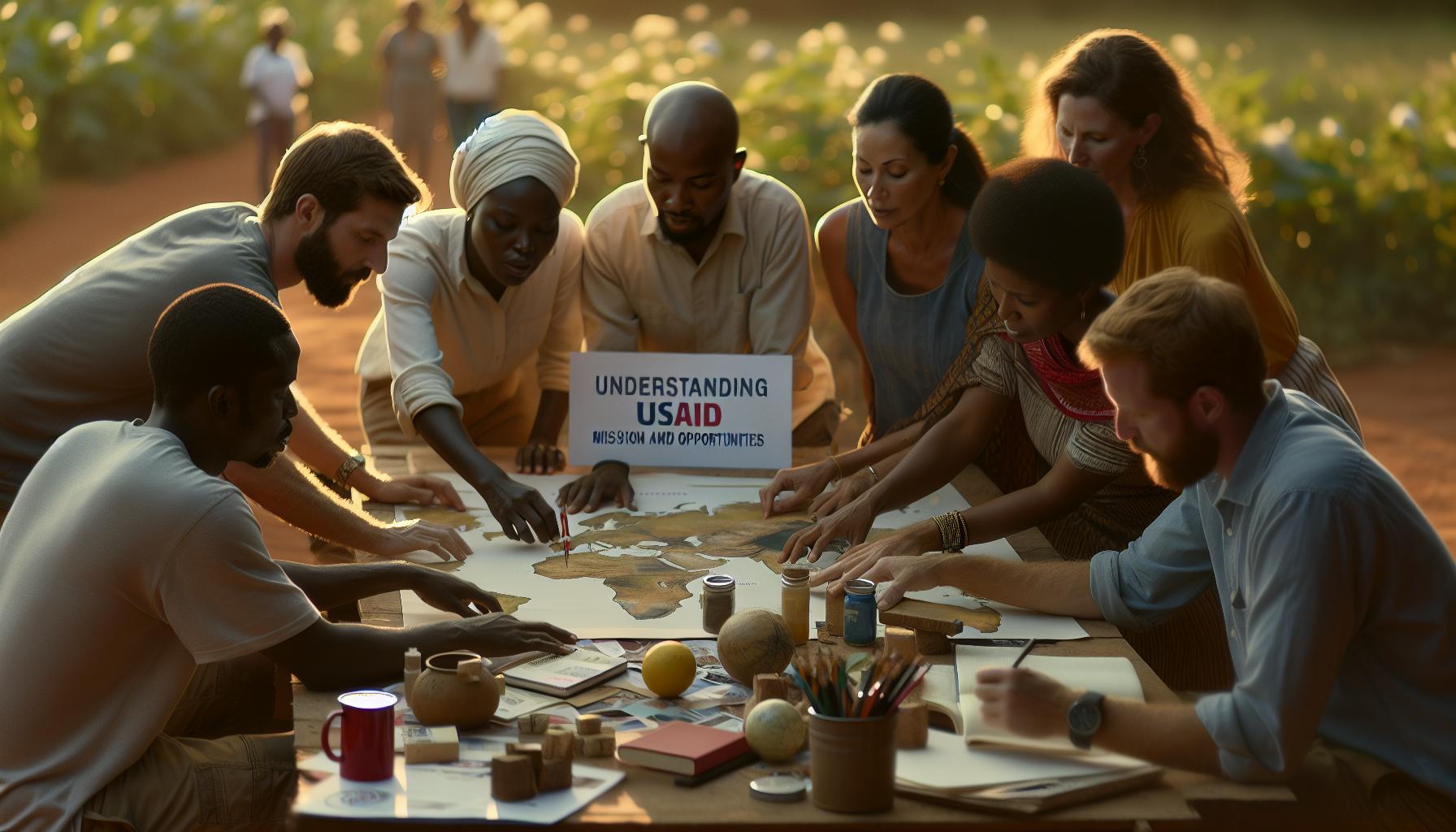
Understanding USAID: Mission and Opportunities
Understanding the mission and scope of the United States Agency for International Development (USAID) can significantly enrich your career path, especially for those eager to make a difference in global development. USAID is not just a government agency; it embodies a commitment to improving lives by fostering economic growth, promoting democratic governance, and ensuring humanitarian assistance. With a vision to lead the world in the fight against poverty and inequity, USAID operates across numerous fields, including health, education, and environmental sustainability. This breadth of focus creates a wealth of job opportunities that you can leverage to align your career interests with meaningful work.
As you contemplate a career with USAID, it’s essential to understand the diverse opportunities available. USAID regularly recruits individuals from various disciplines such as public health, finance, engineering, and international relations. Each role contributes uniquely to the agency’s overarching mission, enabling you to find a position that resonates with your personal and professional aspirations. Engaging with USAID’s initiatives, whether through full-time employment, internships, or part-time roles, can provide you with invaluable experience and insights into the field of international development.
To navigate your journey toward securing a position at USAID, consider exploring volunteer opportunities or internships that align with your goals. For instance, participating in community development projects or global health initiatives can build both your resume and a network of like-minded professionals. Furthermore, these experiences can help you acquire the skill sets that USAID seeks in candidates, such as cross-cultural communication, project management, and analytical thinking.
In summary, pursuing a career with USAID means more than just applying for jobs; it’s about immersing yourself in the mission of global development, engaging with communities, and actively seeking out experiences that enhance your qualifications. The agency desires individuals who are not only capable but also passionate about making a transformative impact in the world. Aligning your career goals with USAID’s mission could be the key to a fulfilling and impactful professional life.
Essential Qualifications for USAID Roles
To make a meaningful impact in the realm of international development, understanding the essential qualifications for roles at USAID is crucial. The agency looks for candidates who are not just skilled but also deeply committed to its mission of improving lives globally. Regardless of your discipline-be it public health, engineering, finance, or social sciences-certain core competencies can set you apart as a strong candidate.
Core Qualifications
- Educational Background: A bachelor’s degree is often the minimum requirement, but many positions prefer candidates with a master’s degree, particularly for specialized roles.
- Relevant Experience: Practical experience through internships, volunteer work, or job roles in international development, policy analysis, or program management is highly valued. Real-world experience not only enhances your resume but also equips you with the necessary skills to navigate complex challenges.
- Cross-Cultural Communication: Since USAID operates in diverse global contexts, strong intercultural competencies and language skills are assets. Being able to communicate effectively with individuals from various backgrounds demonstrates cultural sensitivity and adaptability.
- Analytical Skills: USAID seeks professionals who can analyze data, assess program effectiveness, and make data-driven decisions. Developing proficiency in research methodologies and statistical analysis can greatly enhance your qualifications.
Building Skills and Experience
Engaging with community organizations, participating in relevant internships, or doing freelance work can help you build a skill set that aligns with USAID job requirements. For instance, consider focusing on project management, which involves planning, executing, and finalizing projects within specified deadlines and budgets-a key aspect of many USAID roles. Additionally, taking part in policy advocacy or grassroots movements can provide you with practical insights and demonstrate your dedication to public service.
Staying Competitive
In a competitive job market, it is essential to continuously update and expand your qualifications. Consider pursuing certifications in areas such as project management (PMP) or data analysis, which can bolster your credibility. Networking with alumni or professionals currently working at USAID can provide valuable insights and potentially lead to mentorship opportunities that help guide your career trajectory.
By strategically developing the qualifications that align with USAID’s mission and seeking diverse experiences, you can strengthen your candidacy and position yourself for success in your pursuit of a fulfilling career in international development.
Navigating the USAID Application Process
Navigating the application process for USAID jobs can seem daunting, but with the right approach, it becomes a manageable and rewarding experience. First and foremost, it’s crucial to thoroughly understand the specific job requirements listed in the job postings. Each position will have a unique blend of qualifications, responsibilities, and preferred experience that you should familiarize yourself with. Take notes on key phrases and expectations directly from the listings, as this information will prove invaluable in tailoring your application materials.
To streamline your application process, begin by preparing your resume and cover letter to specifically address the qualifications outlined in the job postings. Highlight your relevant experience and skills using quantifiable achievements. For example, instead of simply stating that you “managed a project,” you might say you “led a team of five in managing a $50,000 development initiative that improved access to clean water for over 1,000 residents.” This specificity not only showcases your capabilities but also aligns your experience with USAID’s mission and values.
Application Steps
Here’s a simplified step-by-step guide to help navigate the application process:
- Research Positions: Browse the USAID jobs portal thoroughly, identifying roles that align with your skills and career aspirations.
- Customize Your Materials: Tailor your resume and cover letter for each application, focusing on the skills and experiences relevant to the job description.
- Submit Online: Most applications will be submitted through the USAID job portal. Ensure all required documents are included before hitting submit.
- Follow Up: If possible, send a polite follow-up email after a week or two to express your continued interest, which can demonstrate proactivity.
Moreover, consider joining professional networks or attending workshops related to international development to enhance your connections and insights. Engaging in these communities can provide not only crucial information about the application process but also insider tips and support from those who have successfully secured roles within USAID. Remember, persistence is key; the application process can be competitive, and a positive mindset coupled with continuous improvement will serve you well.
Lastly, balancing your academic responsibilities while applying for jobs is key. Set realistic expectations about the time you can dedicate to job searching alongside your studies. Utilize tools such as calendars to schedule application tasks and reminders about upcoming deadlines, ensuring you maintain an organized approach to both work and academics. By staying focused and strategic, you can effectively navigate the USAID application process and position yourself for a meaningful international career.
Crafting a Standout USAID Resume
Creating a compelling resume is essential for standing out among the pool of candidates applying for USAID positions. This document serves as your personal marketing tool, showcasing your qualifications, experience, and alignment with USAID’s mission. To catch the eyes of recruiters, it’s crucial to structure your resume effectively, ensuring it communicates your strengths and relevant accomplishments clearly.
Begin with a strong summary statement that encapsulates your career objectives and highlights your most significant achievements. This should be tailored specifically for USAID’s mission, such as your commitment to international development, humanitarian assistance, or policy analysis. For instance, you might say, “Dynamic development professional with over five years of experience in project management and a proven track record in enhancing community health initiatives in under-resourced regions.” This sets the tone and focus for the rest of your resume.
Next, when crafting your experience section, prioritize quantifiable impacts from your previous roles. Use bullet points to list your responsibilities and achievements, ensuring each point starts with powerful action verbs like “developed,” “implemented,” or “coordinated.” For example:
- Coordinated a multi-stakeholder capacity-building project that increased local NGO outreach by 40% in rural communities.
- Managed a $100,000 grant focused on improving education access, resulting in a 50% increase in school enrollment.
- Conducted field assessments that informed program adjustments, enhancing project outcomes by 30% within one year.
In addition to your professional experience, include a section on relevant education and certifications. Highlight degrees that pertain to international relations, public policy, or management, and list any certifications related to project management or humanitarian response. If applicable, also mention language skills, especially those that align with the regions where USAID operates, as this can significantly enhance your candidacy.
Finally, ensure your resume is visually appealing and easy to read. Use a clean, professional font and maintain a consistent layout with appropriate headings. Prioritize readability by keeping the document to one or two pages, focusing on the most relevant information. Don’t forget to tailor your resume for each application, emphasizing different experiences or skills based on the specific role requirements. By presenting a well-organized, impactful resume, you will improve your chances significantly of securing an interview and advancing towards a fulfilling career with USAID.
Mastering Your USAID Cover Letter
Crafting an effective cover letter is a critical step in successfully presenting yourself as a strong candidate for USAID positions. This letter serves as your personal pitch, providing an opportunity to showcase your passion for international development and your understanding of USAID’s mission. Start by capturing the reader’s attention with a compelling opening sentence that conveys your enthusiasm and commitment. For instance, you might begin by discussing a relevant experience that ignited your interest in global development, allowing you to connect personal motivation with the organization’s goals.
In structuring your cover letter, it’s essential to align your qualifications with the specific role you are applying for. Use the job description as a guide to identify key skills and attributes that USAID is seeking. In the body of your letter, showcase how your experiences resonate with these requirements. Consider using bullet points to highlight relevant achievements or projects that demonstrate your ability to address the challenges faced by USAID. For example:
- Developed a partnership with local NGOs that improved service delivery in healthcare, benefiting over 10,000 individuals in rural areas.
- Led a research project that evaluated the impact of educational reforms on youth engagement, presenting findings that influenced policy adjustments.
- Facilitated workshops on sustainable practices that empowered local farmers, increasing crop yields by 25%.
Don’t forget to express your knowledge of USAID’s current projects or initiatives that align with your expertise, as this demonstrates your commitment and understanding of the agency’s work. Conclude your letter with a strong closing statement that reiterates your eagerness to contribute to USAID’s mission and invites them to discuss your application further. Remember, a well-written cover letter not only complements your resume but also establishes your professional identity and showcases your unique contributions to the field. This is your chance to make a memorable impression, so take your time to ensure it reflects who you are and why you are the right fit for USAID.
Interview Techniques for USAID Success
Preparing for an interview with USAID can feel daunting, but understanding the nuances of this process can significantly enhance your confidence and performance. USAID values candidates who demonstrate not only technical skills but also a deep commitment to its mission of international development. Start by thoroughly researching the agency’s current projects, core values, and the specific role you are applying for. This background knowledge will help you craft thoughtful questions and illustrate how your experiences can contribute to their ongoing initiatives.
During the interview, employ the STAR method (Situation, Task, Action, Result) to structure your responses to behavioral questions. This technique encourages you to tell a compelling story about your past experiences that highlights your problem-solving abilities and leadership qualities. For instance, if asked about conflict resolution, you might describe a time when you facilitated a discussion between stakeholders with differing opinions, detail the steps you took to address the issue, and share the positive outcomes that followed.
Showcase Your Passion
Explicitly express your passion for international development throughout the interview. This can be demonstrated by sharing relevant experiences, such as volunteering for development projects or participating in related academic research. Make connections between your background and the agency’s mission, showcasing how your values align with those of USAID. This not only emphasizes your fit for the position but also reinforces your genuine interest in making an impact.
Practice Active Listening
Interviewers at USAID will appreciate candidates who listen attentively and respond thoughtfully. Active listening can set you apart; it shows that you value their insights and can adapt your answers based on the flow of conversation. Practice by engaging in mock interviews where you’re encouraged to ask for clarifications and respond in a way that shows you are considering the detail of their queries.
Overall, demonstrating a balance of confidence, knowledge, and a demonstrated commitment to humanitarian efforts will set you on the right path toward what could be a rewarding career with USAID. Remember, this process is not just about landing a job; it’s also about discovering a role where you can truly make a difference in global development efforts.
Networking Strategies to Connect with USAID
Building a strong network can be your ticket to a fulfilling career with USAID, as connections often open doors that job postings alone cannot. Engaging with professionals in the field of international development not only broadens your opportunities but also empowers you with insights and advice that are invaluable for your career journey. Leveraging social media platforms like LinkedIn can significantly enhance your networking efforts. Make sure to create a compelling profile that reflects your passion for development work and showcases any relevant experience. Regularly post about topics related to international aid, development strategies, or ongoing USAID initiatives to stimulate conversations within your network and attract like-minded individuals.
Attending industry conferences, seminars, and webinars is an effective way to meet people who share your interests and collaborate in the international development sphere. Not only do these events provide a platform for learning from experts, but they also create opportunities for personal interaction. Be proactive in introducing yourself to others and discussing your aspirations. Remember to collect business cards or connect on LinkedIn afterward to maintain these valuable relationships. You can also consider volunteering for NGOs or organizations that align with USAID’s mission, as these experiences not only bolster your resume but also help you meet potential mentors and colleagues in the field.
Moreover, reach out to alumni from your university who work or have worked with USAID or in related sectors. Alumni networks can be incredibly supportive, providing you both insider knowledge about the hiring processes and potential job openings. Craft a concise message expressing your interest in their experience and asking if they’d be willing to chat for a few minutes. This personal touch often yields positive responses.
Lastly, engaging in discussions on platforms like Twitter or joining relevant groups on Facebook and LinkedIn can enhance your visibility within the community. Actively participating in these discussions can position you as a knowledgeable candidate in the eyes of recruiters. In summary, harnessing the power of networking through social media, industry events, alumni connections, and online communities will greatly increase your chances of securing a role with USAID, maximizing both your impact in international development and your career growth potential.
Leveraging Internships for USAID Careers
Internships can be a game-changer for aspiring professionals looking to enter the field of international development, especially with an organization as reputable as USAID. The hands-on experience, networking opportunities, and insights gained during an internship can enhance your understanding of the industry and significantly improve your employability. As USAID is at the forefront of addressing global challenges, interns become a vital part of development projects, gaining valuable skills and building a network that can pave the way to a full-time career.
One effective strategy for leveraging internships is to seek out programs that align with your specific career interests within USAID’s mission. You can look for internships focused on areas such as global health, economic development, or environmental sustainability. Many universities have partnerships with organizations like USAID, so check with your career services office for opportunities that may not be widely advertised. Additionally, consider applying for summer internship programs or internships that offer flexible hours, allowing you to balance academic commitments while gaining relevant experience.
To stand out as a competitive candidate, focus on crafting your resume to highlight your accomplishments and skills that are pertinent to the role. Use clear, action-oriented language and quantify your achievements whenever possible. For example, if you led a project during a prior internship, note how many stakeholders were involved and the impact of your work. Additionally, tailor your cover letter to reflect your genuine interest in USAID’s mission, mentioning specific programs or projects that resonate with you.
Finally, networking during your internship can unlock more opportunities for future employment. Attend training sessions, workshops, and informal gatherings organized by your team, as these are prime opportunities to make connections with seasoned professionals. Don’t hesitate to ask for informational interviews to learn about their career paths and seek advice on advancing your own career in international development. By actively engaging with your internship experience through meaningful contributions and relationship building, you’ll set a strong foundation for your future career with USAID or similar organizations.
Exploring Remote and Flexible Job Options
In today’s fast-paced world, the demand for remote and flexible job opportunities continues to rise, making it easier than ever to tailor your work environment to fit your lifestyle. For students pursuing a career with USAID, exploring these flexible options can help provide the necessary balance between academic responsibilities and gaining valuable professional experience. With USAID’s diverse range of projects tackling global challenges, roles in areas like international development, disaster relief, or public policy can often offer remote or part-time arrangements.
When considering remote and flexible job options, it’s essential to leverage various resources to your advantage. Begin by researching programs that offer telecommuting opportunities specifically designed for recent graduates and interns. These positions can provide you with practical experience while allowing you the flexibility to juggle your studies. You can find these positions through platforms such as USAID’s official job site, LinkedIn, and relevant nonprofit career portals. Networking with professionals in the field, such as through informational interviews, can also reveal hidden opportunities that may not be widely advertised.
In addition to traditional job applications, consider freelance work which can complement your academic schedule while enhancing your resume. Projects may include conducting research, writing reports, or assisting with data analysis for organizations that USAID collaborates with. By building a portfolio of work, you demonstrate your capability and commitment to potential employers. Many universities also provide resources for connecting students with internships and short-term projects that align with flexible work arrangements. Reach out to school career services or professors who may have insights into hot opportunities.
To effectively manage your time between work and study, employ strategies such as creating a structured schedule that allows dedicated blocks for work, study, and personal activities. Make use of productivity tools like calendars and task management apps to keep your commitments organized. Remember, while flexibility is beneficial, establishing a routine helps in maintaining accountability and focus. By actively seeking out these remote and flexible job opportunities, you can forge a successful path towards a rewarding career in international development, all while balancing your academic pursuits effectively.
Career Growth Paths within USAID
Embarking on a career with USAID opens a world of professional possibilities in international development, public health, economic growth, and more. The pathways within USAID are diverse, allowing professionals to tailor their careers to personal interests while contributing to significant global change. Individuals can explore various roles that align with their academic background and career aspirations, from project management to technical advisory positions.
A common entry point for many is through internships or fellowships. These programs are designed to equip students and recent graduates with the skills necessary to succeed in the field. Internships not only provide valuable hands-on experience but also serve as a platform for building connections within the organization. Moreover, internships can often lead to full-time positions, particularly if you demonstrate exceptional work ethic and commitment to USAID’s mission. Actively participating in special projects during internships can further distinguish you and illustrate your capability to contribute to key initiatives.
As careers progress, individuals at USAID can pursue advanced roles that encompass leadership and management positions. The organization values continuous education and professional development, encouraging employees to engage in training and certification programs relevant to their fields. This commitment to growth supports employees in climbing the career ladder, transitioning from a junior analyst role to a senior project manager, for instance. Opportunities are also available for geographical mobility, allowing employees to work in various international contexts, enriching their experience and expanding their professional networks.
Networking plays a crucial role in career advancement within USAID. Engaging in professional organizations related to international development can increase visibility and access to hidden job markets. Attending workshops, webinars, and conferences can lead to beneficial connections with peers and industry leaders. Additionally, taking the initiative to reach out to former colleagues or mentors who are currently at USAID can provide insight into potential job openings and may result in referrals.
In summary, USAID provides robust career growth paths that suit a variety of backgrounds and ambitions. By leveraging internships, investing in ongoing education, and actively networking, you can build a successful career that aligns with your goals while making a positive impact on a global scale. Embrace these opportunities with confidence, knowing that each step taken is part of a greater journey toward meaningful and impactful work.
Success Stories: USAID Careers in Action
Embarking on a journey with USAID can lead to transformative impacts not just for global communities but also for your personal career path. The success stories of individuals who have navigated the intricacies of securing a position at USAID showcase the diverse pathways one can take, illustrating that dedication, resilience, and strategic planning yield meaningful outcomes. Each narrative emphasizes the importance of aligning personal values with USAID’s mission, providing a powerful reminder of the real-world change these roles facilitate.
Many professionals began their careers at USAID through internships or fellowships, where they gained substantial experience and built invaluable connections. One notable example is Sarah, who secured an internship in a remotely facilitated program while still completing her degree in international relations. She actively contributed to project proposals and had opportunities to collaborate with senior analysts. This hands-on exposure not only enhanced her skills but also showcased her aptitude to potential employers. Following her internship, Sarah was offered a full-time position, now working as a project manager, steering initiatives that directly impact underprivileged communities.
Networking played a crucial role in another success story. Marco, who transitioned from academia to an operational role at USAID, emphasized the importance of leveraging connections made during relevant conferences and workshops. He attended numerous events, engaging with former USAID employees and industry leaders. One of these connections ultimately led to a job referral that launched his career in development policy. Marco’s journey exemplifies how proactive networking can open doors and provide crucial insights into available positions.
Moreover, USAID’s commitment to professional development fosters a culture of growth. Employees are encouraged to pursue advanced training and certifications, which enhances their skills and increases their qualifications. For example, Jenna, who started as a junior analyst, utilized the training programs to specialize in data analysis for economic assessments. Her dedication was recognized through promotions that allowed her to take on higher-level responsibilities, showcasing how continuous learning is vital for career advancement within USAID.
In conclusion, the success stories of individuals who have forged their careers at USAID not only inspire but provide actionable insights into how you can chart your own path. Whether through internships, networking, or continuous professional development, embracing each opportunity with enthusiasm and strategic intent will enable you to make a lasting impact in international development while achieving your career goals.
Q&A
Q: How can I find job openings at USAID?
A: You can find job openings at USAID by visiting their official career page or platforms like Impactpool, which lists various international development roles. Regularly check for updates and new listings to stay informed about opportunities that match your skills and interests [1[1].
Q: What qualifications do I need to work for USAID?
A: USAID values a diverse range of qualifications depending on the position. Generally, a Bachelor’s degree is required, along with relevant experience in international development, project management, or specific technical fields relevant to the job [2[2].
Q: Does USAID offer internships or entry-level positions?
A: Yes, USAID provides internships and entry-level roles designed for recent graduates and those starting their careers. These positions help build essential skills and experience in international development [3[3].
Q: What is the application process for USAID jobs?
A: The application process for USAID involves applying through their official website, submitting a resume and cover letter tailored to the job description, and possibly completing assessments or interviews based on the role [3[3].
Q: What are some tips for a successful USAID job interview?
A: Prepare for a USAID job interview by researching the organization’s mission and projects, practicing responses to common interview questions, and demonstrating how your skills align with USAID’s goals to create a compelling case for your candidacy [2[2].
Q: Are remote jobs available at USAID?
A: Yes, USAID offers remote and flexible job options, particularly for positions that can be performed independently and do not require constant in-person collaboration. Check job postings to find roles that specify remote work opportunities [3[3].
Q: What networking strategies can help me connect with USAID professionals?
A: Engage with USAID professionals by joining relevant online forums, attending webinars, and utilizing LinkedIn to connect and participate in discussions related to international development. Effective networking can enhance your chances of learning about job openings and gaining valuable insights [2[2].
Q: How can I showcase my international experience on my USAID resume?
A: Highlight your international experience on your USAID resume by detailing relevant projects, your role, and the impact of your contributions. Emphasize skills such as cultural adaptability and language proficiency to demonstrate your suitability for roles in diverse environments [3[3].
Insights and Conclusions
As you embark on your journey to secure a role with USAID, remember that every step counts. Utilize the valuable tools we’ve provided, such as tips for crafting a standout resume and strategies for successful interviews. Don’t miss our resources on navigating international job opportunities and discovering flexible internships that allow you to balance work with your academic commitments.
Take the leap today! Dive into our related articles for deeper insights and strategies to enhance your application process. Have questions or success stories to share? Join the conversation in the comments below, and let’s foster a community of aspiring professionals eager to make a difference. Your future in international development awaits-let’s forge the path together!