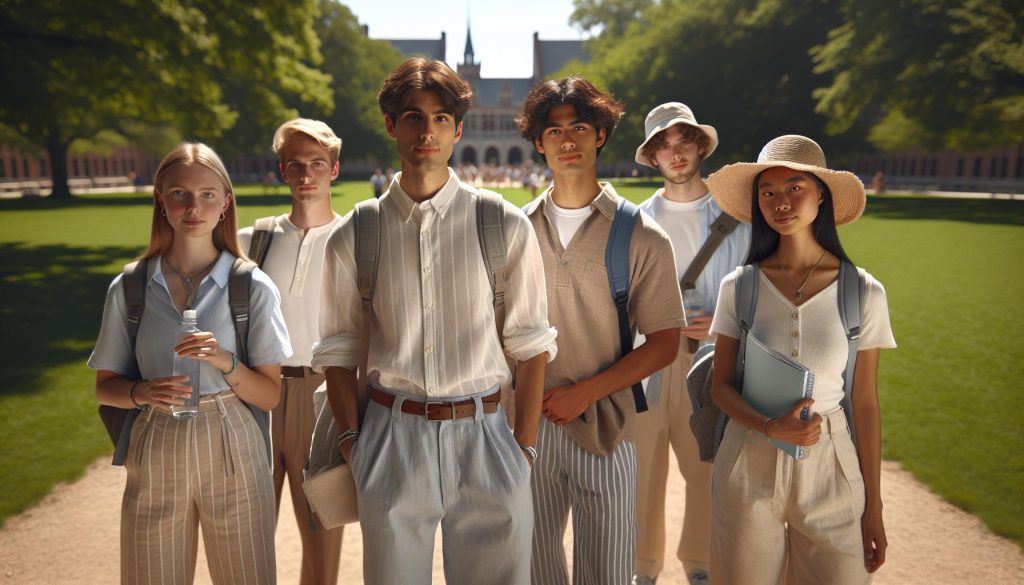
As summer heat sets in, finding the right outfit to stay comfortable while working can feel like a challenge. Did you know that the clothes you choose significantly impact your productivity and overall well-being? When you dress appropriately for hot weather, you not only enhance your comfort but also project professionalism in part-time jobs, internships, or freelance work. Understanding how to balance style and practicality is essential, especially for students managing both work and academics. In this guide, we will explore effective tips on selecting breathable fabrics, layering techniques, and accessorizing smartly to help you thrive in the heat. So, let’s dive in and ensure you’re dressed for success-even on the warmest days!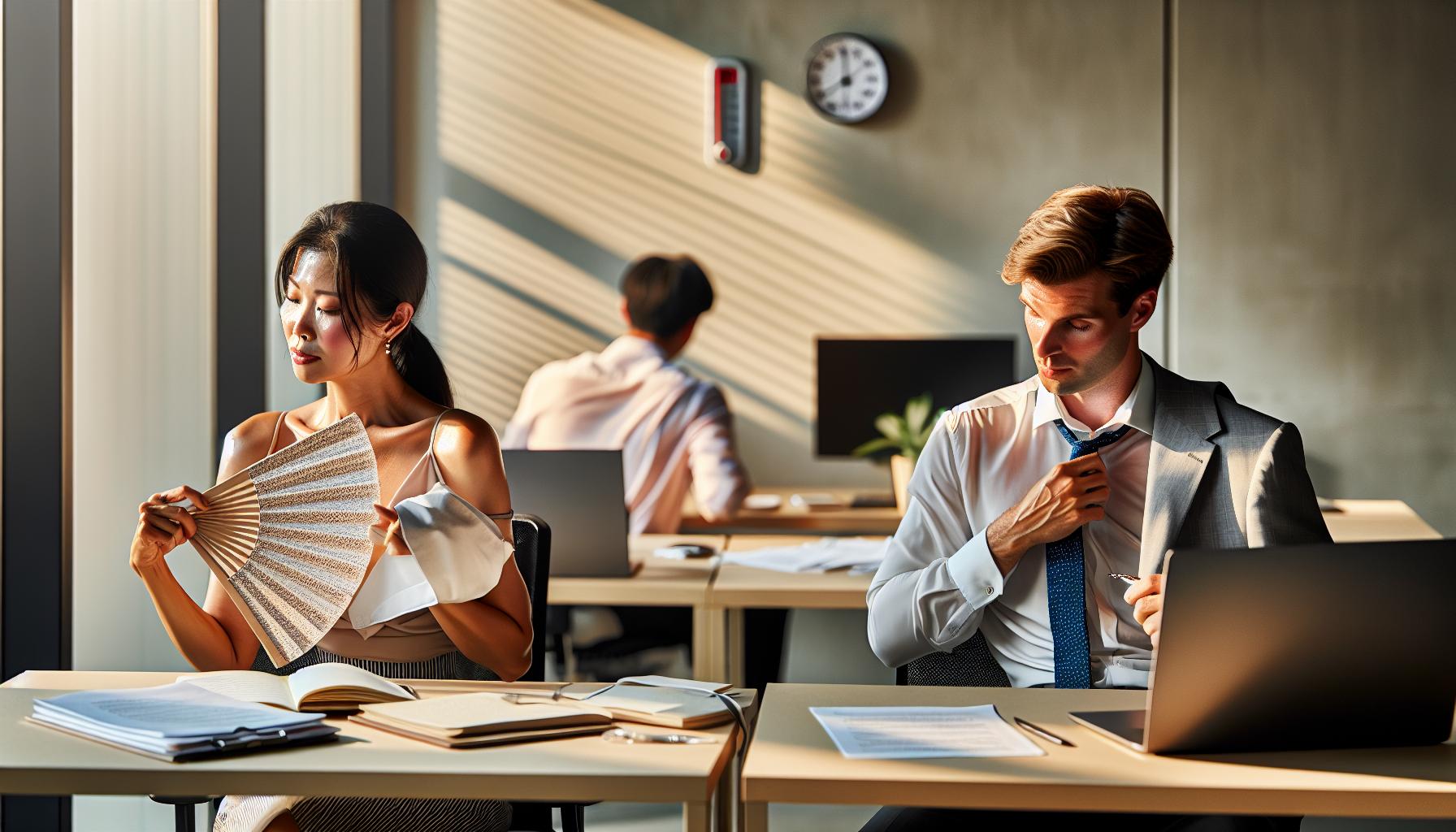
Understanding the Impact of Heat on Work Performance
Understanding how heat affects work performance is crucial for students navigating summer jobs or internships. High temperatures can noticeably impact concentration, energy levels, and overall functioning. Research shows that exposure to extreme heat can lead to fatigue, irritability, and reduced cognitive function, which may diminish productivity and efficiency in tasks-especially in physically demanding roles. For students balancing academics and work, understanding these impacts is essential to safeguard their health and maintain high performance.
To enhance performance in hot conditions, it’s vital to choose appropriate clothing and strategies. Lightweight, breathable fabrics play a significant role in regulating body temperature and allowing sweat to evaporate, which is a natural cooling mechanism. Fabrics like cotton, linen, and moisture-wicking materials are excellent choices, helping to keep you cool while providing comfort throughout the workday. Colors also matter; lighter shades reflect sunlight, while dark colors absorb it, contributing to increased heat retention.
Moreover, adapting work patterns can help offset the challenges posed by heat. Implementing frequent breaks in shaded or air-conditioned areas allows for recovery and rehydration, enhancing focus upon return to tasks. Engaging in hydration practices and employing cooling strategies, like using portable fans or cooling towels, can further combat the adverse effects of high temperatures. By understanding these dynamics, students can not only safeguard their health but also improve their effectiveness in their chosen work settings, paving the way for successful career development while prioritizing academic commitments.
Essential Fabrics for Hot Weather Attire
Wearing the right fabrics can significantly enhance your comfort and performance when working in hot weather. The key lies in selecting materials that allow your body to breathe, wick away moisture, and keep you cool throughout the day. Whether you’re in a retail environment, an outdoor job, or an internship, choosing the right fabrics can make a world of difference in how you feel and function.
Cotton is a classic choice that remains popular for good reason. Its natural fibers are breathable, helping to absorb sweat without feeling heavy on the skin. Cotton is particularly effective in casual work settings where comfort is key. Additionally, look for lightweight linen, which is another superior option for hot environments. Linen fibers allow for excellent airflow, keeping you feeling fresh even on the hottest days, making it perfect for outdoor internships or jobs.
For those requiring more active wear, moisture-wicking synthetic fabrics like polyester and nylon can keep sweat away from the skin, resulting in a faster drying time. These materials are ideal for physically demanding roles, such as landscaping or event setups, where you might be more prone to sweating. They come in various styles and designs suitable for both professional and casual settings.
As you select your summer work attire, consider the color of the fabrics as well. Lighter shades reflect sunlight and heat, whereas darker shades can absorb it, leading to discomfort. Embrace whites, pastels, and other light colors that not only keep you cooler but can also look professional and polished in various work environments.
Ultimately, gear your fabric choices towards those that make you feel comfortable and confident. Experimenting with different materials can help you discover what works best for you, equipping you with the practicality needed to excel in your summer employment while complementing your ambitions for career growth.
Choosing the Right Attire for Different Work Settings
Choosing the appropriate outfit for various work settings in hot weather can significantly enhance not only your comfort but also your productivity. A smartly chosen attire can make the difference between feeling sluggish and staying energized throughout the day. Understanding the expectations of your workplace-whether it’s a professional office, a casual retail environment, or an outdoor job-will help you select the right pieces that balance comfort, practicality, and professionalism.
In formal environments such as corporate offices, aim for lightweight fabrics like cotton or breathable blends that do not wrinkle easily. Consider tailored, short-sleeved shirts or blouses paired with dress shorts or skirts that maintain a polished appearance. Opt for lighter colors that keep you cool while still looking professional. If your workplace allows for a business casual dress code, you can transition by adding a linen blazer or a lightweight cardigan for morning meetings or cooler spaces.
For retail or more casual workplaces, think functionality combined with style. Breathable tees and casual button-downs can be paired with lightweight chinos or shorts. Remember, versatility is key; you might want to layer with a lightweight scarf or a stylish hat for those especially sunny days. Accessories can enhance your outfit while providing some solace from the sun, such as sunglasses or breathable hats.
Outdoor jobs present their own unique challenges and require attire that safeguards against heat while still providing freedom of movement. Look for moisture-wicking materials and UV-protective clothing. Durable yet light pants, breathable work shirts, and supportive shoes can help you maintain comfort and safety while you work hard. Additionally, don’t underestimate the power of accessories like cap-type hats and cooling towels-both are strategic additions that enhance comfort while working under the sun.
Overall, the key to dressing for different work settings in hot weather is being mindful of both the environment and your comfort needs. Adapting your attire not only demonstrates respect for the workplace but also empowers you to perform at your best, fueling your ambitions for career success. With the right choices, you can navigate through your student work experiences with style and confidence, setting the stage for future opportunities.
Accessorizing for Comfort and Style in Heat
When the heat is on, the right accessories can elevate your outfit while keeping you comfortable-two crucial elements for anyone navigating a student job during warmer months. Thoughtfully chosen accessories not only provide protection from the sun but also express your personal style, making you feel confident as you tackle your responsibilities. Whether you’re fitting in a part-time gig or an internship, here are some tips to help you accessorize effectively for comfort and flair.
Essential Accessories for Hot Weather
- Sunglasses: A must-have for outdoor work, sunglasses protect your eyes from harmful UV rays, and they’re a stylish addition to any outfit. Opt for polarized lenses to reduce glare, improving visibility and comfort during sunny days.
- Hats: Wide-brimmed hats not only shield your face from the sun but also add a chic touch to your ensemble. Look for breathable materials like straw or cotton to enhance airflow while keeping you cool.
- Light Scarves: Lightweight scarves can be multifunctional. They can be draped around your neck for a pop of color, wrapped around your hair to protect from sun exposure, or even used as a makeshift shawl in overly air-conditioned environments.
- Cooling Towels: For those hot days, cooling towels can be a lifesaver. Simply wet them, wring them out, and place around your neck for instant relief. They’re especially handy during long shifts outdoors.
Choosing accessories that serve a purpose can significantly enhance your comfort level while adding style. For instance, pairing a stylish hat with light, breathable fabric shirts is not only practical but allows you to express your personal style. Additionally, you can mix and match accessories based on the nature of your work environment-transitioning from a casual lunch with coworkers to a professional meeting seamlessly with just a few key pieces.
The right accessories can also play a vital role in how others perceive your professionalism. For instance, wearing polished yet comfortable footwear will not only keep you agile throughout your workday but also enhances your overall appearance. Strive for shoes that provide support and are appropriate for your workplace setting, whether that means classic loafers for an office or durable, stylish sneakers for retail. In every job you take on, remember that feeling good in what you wear adds to your confidence, helping you shine in your student work experiences.
Layering Techniques to Combat Heat Effectively
When temperatures soar, mastering the art of layering can be your secret weapon against the heat while working. Contrary to popular belief, layering isn’t just for keeping warm-it can also enhance comfort and adaptability in hot weather. The key lies in selecting the right fabrics and doing it strategically, allowing you to adjust your attire according to changes in your environment or activity levels throughout the day.
Start with a lightweight, breathable base layer. Fabrics like cotton, linen, or moisture-wicking blends help wick sweat away from your body, keeping you feeling fresh. Choose a loose-fitting shirt or tank top that promotes airflow while allowing for ease of movement. Over this layer, consider adding a lightweight, open-front cardigan or a kimono, which can be easily removed if the temperature rises but adds style and a bit of protection against sun exposure when needed. These layers can also serve a dual purpose by transitioning between casual and slightly more formal setups, perfect for varied student job environments like internships or customer service roles.
In addition to clothing, your layering can extend to accessories that combat the heat. For instance, wearing a lightweight scarf can provide versatility; draping it around your shoulders can shield you from the sun or offer a bit of warmth in chilly air-conditioned settings. When selecting what to layer, consider colors-lighter shades reflect heat better than dark ones, which can absorb it. This can make a significant difference in how comfortable you feel throughout the day.
Remember, the goal is to create a look that’s both functional and stylish. By strategically layering, you allow yourself to adapt to changing environments while ensuring you remain professional and comfortable. This approach not only showcases your attention to style but also equips you to excel in your student work experiences without being hindered by the heat. Embrace the warmth of summer by dressing smartly; your confidence will shine through as you navigate your career growth.
Footwear Choices for Hot Weather Workdays
When the sun blazes and the temperature climbs, your choice of footwear can significantly impact your comfort and performance at work. Insufficient or inappropriate shoes can lead to discomfort, fatigue, and, ultimately, a distraction that may hinder your productivity. Hence, selecting the right footwear is essential for navigating hot weather workdays, especially for students who balance various responsibilities, from part-time jobs to internships.
To start, prioritize breathability. Choose shoes made from lightweight materials such as canvas, mesh, or natural leather that allow for airflow. Open-toed styles, like sandals or espadrilles, can be excellent options, particularly for casual work environments. However, if your job requires a more polished look or entails extended periods of standing-common in retail or hospitality-consider stylish but breathable closed-toe options like loafers or sneakers designed for summer wear.
Comfort Meets Style
Durability and comfort are also key. Look for footwear with ample cushioning and arch support to reduce foot fatigue, especially if you stand or walk for long hours. Brands that focus on ergonomic design often provide collections suited for warm weather while keeping aesthetics in mind. If you favor a sporty look, opt for sneakers with moisture-wicking linings and lightweight soles to enhance comfort and mobility, ensuring your feet stay energized as you move through each day.
Another essential factor is adaptability. Students often transition from work to classes or social activities, so versatile footwear is paramount. Consider models that blend functionality with casual elegance, such as chic flat sandals that pair well with both work attire and casual outfits. This way, you can maintain a polished appearance regardless of where life takes you after your work shift.
In hot conditions, remedy the common nuisance of sweaty feet by opting for moisture-wicking socks, ideally in light colors to reflect heat. They can help absorb sweat and reduce friction, aiding in overall foot health and comfort. Additionally, investing in insoles designed for hot weather can provide added cooling benefits and prevent odor, which is an added advantage for lengthy workdays.
With mindful choices, you can ensure that your feet remain comfortable and stylish, allowing you to focus on your tasks instead of your discomfort. Balancing work and academic responsibilities is no easy feat, but with the right footwear, you can step confidently into any role and excel in your endeavors. Remember, taking care of your feet translates to better performance and professionalism, vital for pursuing student work opportunities.
Cooling Strategies: Staying Fresh While Working
Staying cool while working in hot weather is not just a comfort issue; it’s essential for maintaining productivity and focus. When the temperatures rise, your environment and attire can dramatically influence your comfort and effectiveness. To manage heat while keeping a professional appearance, here are some practical cooling strategies to implement at work.
One of the most effective ways to stay fresh is by selecting the right fabrics. Opt for lightweight, breathable materials like cotton, linen, or moisture-wicking blends that allow sweat to evaporate quickly. These fabrics not only keep you cooler but also help prevent the sticky feeling that often accompanies hot weather. Consider choosing loose-fitting attire, as tighter clothing can hinder airflow and trap heat. Additionally, lighter colors reflect sunlight and help keep you cooler compared to darker shades, which absorb heat.
Stay Hydrated
Proper hydration is another critical aspect of staying cool. Keeping a reusable water bottle handy is a simple yet effective way to remind yourself to drink water throughout the day. Aim to take regular sips, especially during breaks, to maintain your energy levels and prevent overheating. Some workplaces may have coolers or water stations, so take advantage of these amenities to refill your bottle more conveniently.
Utilize Cooling Accessories
Incorporating cooling accessories can also enhance your comfort. Handheld fans or portable battery-operated fans can be beneficial in a warm workspace, providing instant relief as needed. Cooling towels, which can be dampened and placed around your neck or wrists, offer a significant cooling effect. Sunglasses and wide-brimmed hats are also helpful when transitioning between outdoor and indoor settings, protecting you from the sun and reducing heat exposure.
Smart Break Strategies
Finally, consider your break patterns. Utilize your breaks to step into cooler areas, such as air-conditioned rooms or shaded spots if outside. A brief walk outside during a break might seem counterintuitive in the heat, but if done strategically (like during the early morning or late afternoon), it can refresh your mind and body. Balancing these strategies aids not only in your comfort but also enriches your overall work performance, allowing you to stay focused and engaged in your tasks throughout the day.
By implementing these cooling strategies, you’ll be better equipped to tackle the challenges of working in hot weather. Empower yourself through thoughtful preparation, allowing you to shine in your role, whether it’s a part-time job, internship, or freelance project, all while keeping your cool.
Time-Saving Tips for Quick Hot Weather Outfits
As the temperatures rise, finding the perfect outfit to stay cool while juggling work and academics can feel overwhelming. To streamline your morning routine and ensure you’re ready for any situation, focus on creating a versatile wardrobe that allows for quick outfit changes while keeping you stylish and comfortable.
Start by embracing a capsule wardrobe designed specifically for hot weather. Choose a few key pieces in complementary colors that can mix and match easily. Look for lightweight, breathable fabrics such as cotton, linen, or moisture-wicking blends that won’t cling to your body. Prioritize items like flowy dresses, tailored shorts, and loose-fitting blouses that can be dressed up or down depending on your work environment. This way, you can quickly grab a top and bottom that go together without having to think too much.
Quick Outfit Strategies
When you’re pressed for time, consider these quick outfit strategies:
- Layer Wisely: Use lightweight cardigans or shrugs that can be easily added or removed to transition from a casual to a more formal look.
- Accessorize Smartly: Use statement accessories like scarves or bold jewelry that can elevate a simple outfit instantly. A pair of stylish sunglasses can also add flair while providing sun protection.
- Footwear Flexibility: Opt for versatile shoes such as slip-on loafers or stylish sandals that are comfortable enough for all-day wear but can easily adapt to a more formal setting.
Preparation is Key
Taking a few moments to prepare your outfits in advance can save time during busy mornings. Set aside time each week to plan your outfits-consider hanging clothes together with the accessories you’ll wear. This method not only helps you visualize each look but ensures you’ll look polished in no time. If you’re transitioning from a part-time job to internships and freelance gigs, having a few go-to outfits ready will ease your daily routine and alleviate stress.
By implementing these practical tips, you’ll empower yourself to tackle your responsibilities and opportunities successfully while maintaining a chic and professional appearance, no matter how hot it gets outside. Balancing work and studies is challenging, but with the right strategies in place, you can thrive in both arenas without breaking a sweat.
Packing for Flexibility: Transitioning from Work to Leisure
Packing for work and leisure without missing a beat is essential for students juggling part-time jobs, internships, or freelance gigs. Understanding that versatility is key, having the right items in your bag can mean the difference between a polished appearance for a last-minute meeting and a casual look for after-work hangouts. Imagine this scenario: you’ve completed a long day at your internship, but a friend invites you to an impromptu dinner. With a little planning, you can transition effortlessly from professional to relaxed without needing a complete outfit change.
To achieve this seamless transition, start with a foundation of versatile pieces that are appropriate for both work and play. Consider adding a tailored pair of trousers or a chic midi skirt to your wardrobe; these can be just as stylish in the office as they are for a night out. Pair them with versatile tops, such as a classic button-down that can be dressed up with a blazer or dressed down with a light cardigan. Additionally, keep a lightweight scarf handy-it’s perfect for adding flair to your outfit and can transform your look in an instant, while also providing some warmth when needed.
Smart Packing Tips
When packing, focus on these strategies to enhance flexibility and maintain your fashion integrity:
- Mix-and-match essentials: Choose a color palette that allows you to easily combine items and create multiple outfits without adding excess weight to your bag.
- Keep accessories minimal: A few well-chosen jewelry pieces can add elegance without bulk. Look for items that can be day-to-night friendly.
- Opt for multifunctional bags: A chic tote can serve as your work bag while easily accommodating personal items for leisure activities.
By being intentional about your packing choices and selecting outfits that offer adaptability, you’ll reduce the stress of needing separate outfits. This approach will not only save you time but will also reinforce your own style confidence as you move through your responsibilities. As you navigate school and work, remember that adaptability is your ally; with the right preparation, you can master the art of transitioning gracefully from professional engagements to social gatherings, maximizing both your productivity and enjoyment in all aspects of life.
Dress Code Considerations for Outdoor Jobs
When working outdoors in the heat, adhering to a professional dress code doesn’t have to come at the expense of comfort. Many outdoor jobs, such as landscaping, construction, or outdoor event management, require clothing that meets safety and functional standards while also keeping you cool and stylish. Given that these roles often involve extended periods under the sun, prioritizing breathability and functionality in your attire is essential.
Selecting the right fabrics is the first step. Opt for lightweight, moisture-wicking materials that allow sweat to evaporate and keep you feeling fresh. Cotton and linen are excellent choices as they are breathable and absorb moisture, while performance blends offer added durability and quick-drying properties. Aim for loose-fitting clothing that permits airflow; fitted garments can become uncomfortable when temperatures soar. Additionally, consider long-sleeved shirts and long pants made with UPF (Ultraviolet Protection Factor) fabrics to shield yourself from harmful sun rays while maintaining a professional look.
Footwear and Accessories
Footwear selection is another vital consideration. Sturdy, supportive shoes are a must. Choose breathable, closed-toe options, such as canvas shoes or work boots designed with ventilation to ensure safety while providing comfort during long hours on your feet. For added protection against the sun and heat, don’t forget to bring along accessories like hats or bandanas. A wide-brimmed hat can provide shade, while sunglasses with UV protection safeguard your eyes from glare.
Maintaining professionalism in an outdoor setting can sometimes feel daunting, but it’s all about finding the right balance between comfort and appearance. To assist with this, keeping a versatile toolkit of options in your wardrobe is beneficial. Think of layering options like light cardigans or utility jackets that can easily be worn or removed depending on the temperature and your activities. Additionally, be sure to carry a reusable water bottle to stay hydrated throughout your workday, as proper hydration is critical when working in hot environments.
By approaching outdoor work attire thoughtfully and strategically, you not only ensure your comfort and safety but also demonstrate your understanding of your employer’s expectations for a professional appearance. Embracing this blend of functionality and fashion will empower you to excel in your outdoor job while navigating the challenges of summer heat with confidence.
Maintaining Professionalism While Staying Cool
Striking the delicate balance between comfort and professionalism while working in hot weather can significantly impact your confidence and productivity. Whether you’re managing an internship, a part-time job, or freelance projects, choosing the right attire is essential not just for comfort, but also for projecting a polished image. Understanding how to adapt your wardrobe in sweltering temperatures can help you maintain your professionalism without sacrificing your well-being.
Emphasizing lightweight, breathable fabrics is key. Options like cotton, linen, and moisture-wicking materials enable airflow and prevent sweat from spoiling your look. When possible, opt for light colors that reflect sunlight rather than absorb it, keeping you cooler throughout the day. Additionally, consider tailoring your outfits to incorporate smart layering techniques. A light blazer or a breathable, long-sleeved shirt can be a great way to adhere to workplace standards while also providing the flexibility to adjust your comfort level as the temperature rises.
Choosing the Right Accessories
Accessorizing wisely plays a crucial role in staying cool and composed. A stylish sun hat not only protects you from the sun but also adds a unique touch to your outfit, while polarized sunglasses can showcase professionalism while shielding your eyes. Don’t forget functional accessories such as a good quality, sleek water bottle. Staying hydrated is essential, especially when you’re working outdoors, as it bolsters your concentration and helps you stay alert.
Remember, is ultimately about confidence and poise. Embrace the opportunity to express your personal style within the bounds of your work environment. By thoughtfully selecting your wardrobe and accessories, you will not only perform at your best in hot weather but also convey a strong sense of professionalism that can open up more career opportunities in the future. Combining smart choices with an understanding of workplace expectations allows you to flourish in any job setting while upholding a solid professional image.
Healthy Habits to Manage Heat Stress at Work
Staying productive and healthy while working in high temperatures is crucial, especially for students juggling academic commitments and part-time jobs. One of the most effective ways to manage heat stress is to incorporate healthy habits into your daily routine. The right strategies can help maintain your energy levels and ensure you’re performing at your best, even on the hottest days.
Start by prioritizing hydration. Aim to drink water consistently throughout your shifts, not just when you feel thirsty. Keeping a refillable water bottle handy serves as a reminder to stay on track. Additionally, consider incorporating electrolyte-rich drinks, especially if you expect to sweat a lot. Proper hydration supports cognitive function, ensuring that you’re focused and attentive in your tasks.
Next, consider integrating short breaks into your work schedule. Step outside for fresh air, find a cooler spot, or simply do a few stretches to relieve tension. This not only gives you a mental boost but also helps your body adjust to the heat better. Employers often appreciate proactive attitude, and it shows that you’re committed to maintaining your performance.
Lastly, listening to your body is key. If you begin to feel dizzy, fatigued, or overly hot, don’t hesitate to take a break and cool down. Awareness of heat-related illnesses is also essential. Be on the lookout for symptoms such as excessive sweating, nausea, or confusion. By understanding the risks, you can take preventive action early on.
Implementing these healthy habits not only enhances your ability to cope with heat stress but also sets a professional precedent for managing challenging work conditions. By taking care of your health, you pave the way for academic and career success, positioning yourself as a resilient and dedicated individual in any work environment.
Q&A
Q: What should students wear for outdoor jobs in hot weather?
A: For outdoor jobs in hot weather, students should wear lightweight, breathable fabrics like cotton or linen. Light-colored clothing can help reflect sunlight, while hats and UV-protective sunglasses offer added protection. Consider moisture-wicking materials to stay dry and comfortable throughout the day.
Q: How can students plan their outfits for a hot weather work week?
A: Students can plan their outfits by choosing versatile pieces that can be mixed and matched. Opt for lightweight layers, such as a breathable tank top paired with a light cardigan. Prioritize comfort and functionality to easily transition from work to leisure activities after hours.
Q: What are the best accessories to use in hot weather work attire?
A: In hot weather, accessories like a wide-brimmed hat, breathable scarves, and light, moisture-wicking belts can enhance comfort and style. Use minimal jewelry to reduce heat retention and opt for a crossbody bag to keep hands free while staying practical.
Q: How to stay stylish while dressing for heat at work?
A: To stay stylish while dressing for hot weather, choose trendy yet breathable pieces like a loose-fitting tunic combined with tailored shorts or capris. Incorporate light prints or pastel colors for a fashionable look, and accessorize with statement pieces that don’t add extra warmth.
Q: When is it best to wear layers in hot weather?
A: Layering in hot weather is best during fluctuating temperatures, such as transitioning between indoors and outdoors or during early morning and evening hours. Lightweight, breathable layers can be easily removed or added as needed, maintaining comfort throughout the day.
Q: What should I consider when choosing work shoes for hot weather?
A: When selecting work shoes for hot weather, prioritize comfort and breathability. Look for mesh or perforated materials to allow airflow, and opt for cushioned soles to provide support. Sandals with arch support can also be a good choice for casual work environments.
Q: How can I manage sweat when dressing for work in hot weather?
A: To manage sweat in hot weather, wear moisture-wicking fabrics that draw sweat away from the skin. Stay hydrated and consider applying antiperspirant before getting dressed. Keep a portable fan or cooling wipes handy for quick relief during heat spikes.
Q: Why is it important for students to dress appropriately for work in hot weather?
A: Dressing appropriately for work in hot weather is crucial for comfort and productivity. Proper attire helps manage heat exposure, reduces the risk of heat-related illnesses, and allows students to focus on their tasks without being distracted by discomfort, promoting a better work performance.
Explore more on how to balance work and academics while staying stylish in our detailed article on student work attire tips!
The Conclusion
As you prepare to tackle the heat in your summer job, remember that dressing smartly is just as crucial as landing the role itself. By choosing light, breathable fabrics and appropriate styles, you can maintain comfort and professionalism, ensuring you shine in any work environment. If you found these tips helpful, check out our articles on “Resume Writing for Students” and “Mastering Interview Skills,” which will equip you with everything needed to advance in your career journey.
We encourage you to take immediate action! Start refining your wardrobe with these strategies today and feel the difference as you step into your job. If you have any thoughts or experiences to share about dressing smart for work, don’t hesitate to leave a comment below. Your insights could help fellow students! For ongoing support in balancing work with your studies, subscribe to our newsletter for curated tips and resources. Explore more and empower your career path!