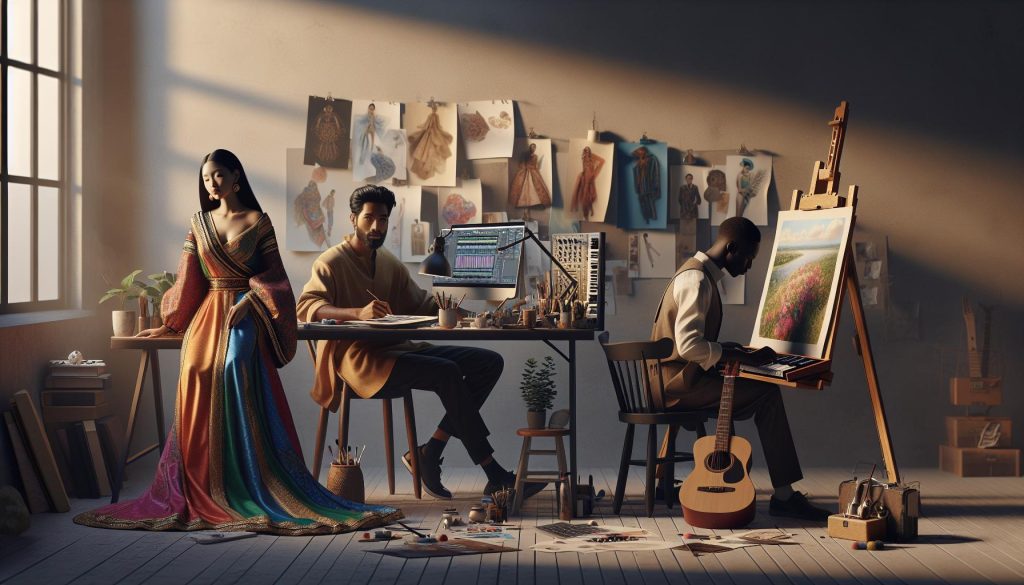
Navigating the job market as an arts student can feel daunting, but it’s also a world filled with diverse and exciting opportunities. From freelance gigs that align with your creative skills to internships that build valuable experience, the options are plentiful. In today’s competitive landscape, embracing your artistic talents can lead to fulfilling careers in industries like design, media, and performance. This article will explore various career paths tailored for arts students, focusing on practical strategies for applying, crafting a standout resume, and preparing for interviews. As you balance your academic pursuits with the quest for a rewarding job, remember that each step can enhance your professional growth and creativity. Let’s dive into the vibrant world of creative career opportunities that await you!
Creative Career Paths for Arts Students
Creative careers open a world of opportunities for arts students, blending passion with practicality and innovation. Many paths can lead to fulfilling work-whether in graphic design, digital media, performing arts, or visual storytelling. Students who explore diverse career options will find that their talents can be applied in many fields, providing endless avenues to express their creativity while building a sustainable career.
One of the most promising fields for arts students is digital media. With the rapid expansion of online platforms, roles such as social media manager, content creator, and video editor are in high demand. These positions often allow for flexible hours and the opportunity to work remotely, making them ideal for balancing academic commitments. Similarly, those interested in visual arts can thrive in graphic design or illustration, where freelance opportunities abound. Creating brand identities, marketing materials, or engaging illustrations can lead to rewarding projects while enhancing a student’s portfolio.
Additionally, performing arts graduates may find niches in theater production, dance instruction, or arts administration. Engaging with local theaters or community arts organizations not only provides experience but also fosters essential networking opportunities. Whether through internships or part-time positions, building connections in the arts community can open doors to future employment.
Ultimately, the key to navigating these creative career paths lies in staying adaptable and proactive. Students should seek opportunities that match their interests and skill sets while being open to new experiences. Emphasizing a strong portfolio, effective networking, and continuous learning will empower arts graduates to carve their unique places in the professional world. By harnessing their creativity and strategically approaching the job market, arts students can confidently build a career that reflects their passions and aspirations.
In-Demand Skills for Creative Jobs
Creative professionals are increasingly sought after in a dynamic job market that values innovative thinking and adaptability. As industries evolve and new technologies emerge, several key skills have become essential for success in creative roles. For students looking to break into fields such as graphic design, digital media, and the performing arts, understanding and developing these in-demand skills can significantly enhance their employability.
Critical Skills for Creative Jobs
- Technical Proficiency: Familiarity with industry-standard software, such as Adobe Creative Suite for designers or digital editing tools for media professionals, is crucial. Students should consider online courses or tutorials to bolster their technical abilities.
- Creativity and Innovation: Being able to think outside the box and develop original ideas is a hallmark of successful creative professionals. Engaging in brainstorming sessions or collaborative projects can help hone this skill.
- Communication: Strong verbal and written communication skills are vital in conveying ideas clearly and effectively to clients, collaborators, and teams. Practicing presentations or joining debate clubs can improve these abilities.
- Project Management: As many creative roles involve juggling multiple tasks or working on deadlines, developing project management skills can help students stay organized and efficient. Tools like Trello or Asana can be useful for managing tasks.
- Adaptability: The creative landscape is ever-changing; therefore, being open to feedback and willing to pivot your approach is critical. Practicing flexibility through side projects or new learning experiences can cultivate this trait.
- Networking and Collaboration: Building connections in the industry can lead to collaborations and job opportunities. Joining professional organizations or attending industry events can facilitate this process.
Exploring internships, part-time jobs, or freelance gigs can provide practical experience and an opportunity to apply these skills in real-world settings. For example, a graphic design intern might utilize software skills to create marketing materials while also developing communication and project management abilities alongside their team. By actively seeking out various roles and experiences, arts students can refine their skill sets and enhance their confidence as they navigate their careers. With determination and continual growth, graduates can transition successfully from academic environments to fulfilling creative careers.
Part-Time Jobs and Internships for Arts Majors
In today’s competitive job landscape, arts students must strategically navigate the available opportunities to gain valuable experience while still managing their academic commitments. Part-time jobs and internships are not merely a means of financial support; they represent essential stepping stones in establishing a successful career in creative fields. Engaging in relevant work allows students to apply their academic knowledge, develop critical professional skills, and build invaluable connections within the industry, all while maintaining the flexibility that aligns with their study schedules.
Internships can be a gateway to future employment opportunities. Many companies actively seek interns to bring fresh perspectives into their organizations. For example, a student majoring in graphic design could secure an internship at a local advertising agency, where they would work closely with seasoned designers, gain hands-on experience, and potentially receive job offers upon graduation. To find these opportunities, students should leverage university job boards, online platforms like LinkedIn, and industry-specific websites. It’s beneficial to create a list of target companies and reach out directly, expressing interest in internship opportunities, regardless of whether they are publicly advertised.
Part-time job roles for arts majors can vary widely, encompassing positions such as art assistants, content creators for social media platforms, or even roles in local theaters and galleries. These jobs help students gain experience in their specific fields while also developing transferable skills. For instance, working as a social media intern not only enhances digital marketing skills but also sharpens communication and strategic thinking abilities – skills that are highly valued in today’s job market.
Steps to Secure Part-Time Work or Internship:
- Update Your Resume: Focus on showcasing relevant coursework, projects, and any volunteer experiences that pertain to the position you’re applying for.
- Tailor Your Applications: Customize your cover letter for each application, emphasizing why you are a perfect fit for that specific role within the organization.
- Network: Attend workshops, seminars, and networking events in your field. Engaging with professors and joining relevant student organizations can lead to potential job leads.
- Prepare for Interviews: Utilize mock interviews, practice common questions, and be ready to showcase your portfolio or examples of your work.
- Maintain Work-Life Balance: Set a schedule that prioritizes both academic responsibilities and job commitments. Consider part-time positions that offer flexible hours to accommodate your classes.
By actively seeking part-time jobs or internships, arts students can gain a significant edge in the job market. The experience not only bolsters their resumes but also instills confidence as they transition into their professional roles. With dedication, persistence, and strategic planning, students can effectively balance their academic journeys with enriching work experiences that pave the way for successful creative careers.
Freelance Opportunities for Creative Professionals
There has never been a better time for creative professionals to explore freelance opportunities. The gig economy is booming, offering a myriad of possibilities for arts students to showcase their talents while maintaining flexibility in their schedules. Freelancing allows you to work on diverse projects, collaborate with varied clients, and develop an impressive portfolio that can open doors to future job opportunities.
To embark on a freelance journey, it’s crucial to start by identifying your specific skill set and the market demand for those skills. Talents such as graphic design, writing, photography, video editing, and social media management are highly sought after. Once you have a clear understanding of what services you can offer, create profiles on freelancing platforms like Upwork, Fiverr, or Freelancer. These platforms not only help you find clients but also provide insights into what other freelancers charge, allowing you to set competitive rates.
Securing Your First Freelance Projects
Getting your initial freelance gigs may feel daunting, but there are practical steps to enhance your chances of success:
- Create a Professional Portfolio: Showcase your best work on a dedicated website or through online platforms. This is essential for attracting clients and demonstrating your capabilities.
- Utilize Social Media: Promote your freelance services through platforms like Instagram, Twitter, or LinkedIn. Engage with creative communities, share your projects, and network with potential clients.
- Start Small: Consider taking on small projects or offering discounted rates to build your reputation. Positive reviews will help establish your credibility.
- Ask for Referrals: Don’t hesitate to reach out to friends, family, or professors who may need your services or know someone who does. Personal connections often lead to valuable opportunities.
The beauty of freelancing lies not only in the creative freedom it provides but also in its potential for income diversification. Many successful freelancers combine multiple projects across different platforms, scaling their income as they develop a strong client base.
Balancing Freelancing with Academic Commitments
For arts students, balancing freelance work with academic responsibilities is essential. Setting a structured schedule can help you effectively manage your time. Allocate specific hours each week for client work and adhere to deadlines without compromising your studies.
Additionally, practice self-care and maintain open communication with clients about your availability. Most clients appreciate transparency and are willing to work around your schedule as long as they know when to expect results. By embracing the freelance lifestyle, arts students can gain invaluable experience, build essential skills, and foster lasting industry connections while still pursuing their educational goals.
Building a Standout Portfolio
Creating a standout portfolio is essential for arts students looking to make their mark in the competitive creative job market. A well-crafted portfolio is not just a collection of works; it’s a narrative that showcases your skills, creativity, and personal style. It serves as your primary tool when applying for internships, freelance gigs, or full-time positions, allowing potential employers or clients to see what you can do and how you approach your craft.
To begin, start with quality over quantity. Select pieces that best represent your abilities and align with the type of work you want to pursue. Aim for a diverse range of projects that highlight different skills-be it graphic design, photography, writing, or video editing. Each entry in your portfolio should have a clear context: include a brief description of the project, your role, and any specific challenges you overcame. This not only helps to illustrate your creative process but also demonstrates problem-solving abilities, a valuable asset in any field.
Digital vs. Physical Portfolios
In today’s digital age, a digital portfolio is paramount. Create a personal website or use platforms like Behance or Dribbble to showcase your work with visually appealing layouts. Ensure your online portfolio is easily navigable, and consider incorporating features such as an about page, a blog to share insights on your projects, and contact information. This personalized touch helps potential employers connect with you. However, don’t ignore the power of a physical portfolio, especially in face-to-face interviews. A well-presented book can leave a lasting impression, allowing you to control the narrative and engage directly with your audience.
Continuous Improvement
Finally, don’t forget that your portfolio is a living document. As you grow and evolve in your artistic journey, continue to update your portfolio with new work and remove pieces that no longer represent who you are. Seek feedback from peers, mentors, or professional connections to refine your showcase. Participating in online challenges or collaborations can also provide fresh content and foster growth. may take time, but it is an investment in your future career that can set you apart from the competition. Remember, each project is a step towards mastering your craft and achieving your career goals.
Networking Strategies for Arts Students
The power of networking is often underestimated, yet it’s one of the most effective tools arts students can wield as they embark on their creative careers. Forming connections within the industry not only helps in finding job opportunities but also provides invaluable mentorship and inspiration. By engaging with professionals and peers alike, students can gain insights into their desired fields, learn about potential job openings, and develop lasting relationships that may facilitate career advancements.
Utilizing Social Media
In today’s digital age, platforms like LinkedIn, Instagram, and Twitter serve as essential networking tools. Create a compelling profile that showcases your work, interests, and what you can offer to others in the creative community. Follow industry leaders, join relevant groups, and participate in discussions to establish your presence. Social media is not just about self-promotion; it’s also about building a community. Share your insights, comment on others’ work, and be genuine in your interactions. This can lead to opportunities, collaborations, or even mentorship from established professionals.
Attend Industry Events
Participating in workshops, seminars, exhibitions, and career fairs is another productive way to meet like-minded individuals and industry experts. These occasions allow you to network in person, fostering deeper connections than those made online. Approach events with a strategy: prepare an elevator pitch about yourself and your work, carry business cards, and follow up with people you meet through email or social media afterward. Remember, relationships developed through shared experiences can be particularly meaningful.
Leverage College Resources
Most educational institutions offer networking resources such as career services, alumni networks, or creative clubs. Actively participate in these offerings to widen your connections. Reach out to alumni who have ventured into fields you’re interested in; they often appreciate the opportunity to guide newcomers. Universities may also organize guest lectures and industry panels where you can interact with professionals, giving you insights and potential job leads.
Ultimately, effective networking is about being authentic, staying engaged, and continually nurturing the relationships you build. Whether it’s reaching out for coffee chats, participating in online forums, or simply sharing your work with others, every effort counts. Remember, everyone starts somewhere, and the connections you cultivate can pave the way for a successful creative career.
Resume Writing Tips for Creative Careers
Crafting a resume for a creative career is a unique challenge that requires balancing artistic expression with professionalism. Unlike traditional resumes, a creative resume should reflect your individuality while clearly conveying your skills and experiences. Start by focusing on a visually appealing layout that showcases your design abilities – consider using color, varied fonts, and graphics that align with your personal brand. However, maintain readability and clarity, as hiring managers should easily discern the information presented.
When detailing your experiences, prioritize relevant roles that highlight your creative skills. Summarize your responsibilities and accomplishments using action verbs that demonstrate your impact. For instance, instead of simply stating “designed graphics,” you might say, “created compelling graphics that increased engagement by 30%.” This not only illustrates your skills but also quantifies your contributions, making your experiences more compelling. If you’re entering the job market without substantial professional experience, part-time jobs, internships, or freelance projects can still feature prominently on your resume, showcasing your commitment and practical skills.
Tailoring Your Resume
It’s essential to tailor your resume for each application, focusing on the specific skills and experiences that align with the job description. Utilize keywords from the job posting throughout to catch the attention of applicant tracking systems (ATS). Each resume should tell a story – that of a passionate creator eager to contribute to the potential employer’s vision.
In addition to your work and educational background, consider including a section for relevant skills, such as software proficiencies (e.g., Adobe Creative Suite, Sketch) or your ability to work in collaborative environments. Finally, don’t overlook the power of a well-crafted summary statement – this brief intro can encapsulate your career objectives and what you bring to the table, enticing employers to read further.
Remember, the goal of your resume is not only to get your foot in the door but also to present a cohesive narrative about who you are as an artist and a professional. With a little care and creativity, your resume can become a powerful tool in your job search, enabling you to stand out in a competitive field.
Mastering Interviews in Creative Fields
Interviews in creative fields often serve as a unique platform to showcase not only your skills but also your personality and passion for the arts. Unlike traditional job interviews, creativity can shine through in how you present yourself, from your attire to the projects you choose to discuss. It’s essential to remember that interviewers are looking for a combination of technical skills and cultural fit, which means you should prepare to articulate your creative process and the inspiration behind your work.
To begin with, research the organization thoroughly to understand its culture, values, and the types of projects they undertake. This knowledge will empower you to tailor your responses to align with their mission. Prepare answers for common questions, but don’t just rely on rehearsed lines. Instead, aim to share anecdotes that illustrate your journey, resilience, and creativity. For example, discussing a challenging project you tackled can demonstrate not only your problem-solving skills but also your ability to adapt and innovate under pressure.
Showcasing Your Work
Bring a portfolio that highlights your best work, but make it interactive whenever possible. Whether you’re a graphic designer, a writer, or a photographer, presenting your work in a manner that allows the interviewer to engage with it-like offering quick explanations or drawing connections to the organization’s past projects-can leave a lasting impression. Furthermore, be prepared to discuss the choices you made in creating your work; details matter in creative fields.
Additionally, practice how you articulate your vision and creative philosophy. This helps bridge the gap between technical capabilities and artistic intent, revealing not just what you do but why you do it. Interviews are as much about your passion as they are about your skills, so let your enthusiasm be evident; it can be a key differentiator among candidates.
Lastly, remember to ask questions that reflect your curiosity about the position and organization. Inquiring about the company’s future projects or team dynamics can illustrate not only your interest but also your commitment to finding a mutually beneficial fit. Approach each interview as a two-way conversation, and you will likely find the experience rewarding-regardless of the outcome.
Balancing Work and Academia Effectively
Striking a balance between work and academics is a challenge many arts students face, yet it is entirely achievable with the right strategies and mindset. Juggling class schedules, homework, and creative projects alongside part-time jobs or internships requires effective time management and a proactive approach to prioritizing tasks. The beauty of pursuing a creative career often lies in the flexibility it can offer. For example, many artistic roles-such as graphic design, writing, or social media management-can be performed freelance or on a part-time basis, allowing for a customized work schedule that fits a student’s academic commitments.
Establishing a routine is essential. By creating a weekly planner that outlines academic deadlines, work commitments, and personal responsibilities, students can visualize how to allocate their time effectively. This proactive scheduling helps avoid last-minute cramming for exams or rushed project submissions, which can lead to unnecessary stress. Consider setting specific blocks of time for focused study sessions, interspersed with breaks and time for personal projects. This not only enhances productivity but also ensures that creative passions are nurtured alongside academic growth.
Networking and seeking out graduate internships can provide invaluable experiences that enhance both resumes and portfolios. Internships not only allow you to gain real-world experience but also can lead to connections that may facilitate future job opportunities. Attend workshops or career fairs at your school to connect with professionals in your desired field, and don’t hesitate to reach out on platforms like LinkedIn to find mentorship opportunities. Remember, even part-time roles related to your field-such as assisting in local galleries, tutoring younger students, or engaging in community art projects-can lead to significant insights and career advancements.
Additionally, developing strong communication and time management skills enhances students’ ability to articulate their experiences both on paper and in interviews. Craft a resume that highlights not just employment but also relevant coursework or projects, making sure to tailor each application to the specific job. In interviews, focus on discussing your ability to manage multiple priorities and emphasize your commitment to both your creative work and academic responsibilities. Balancing responsibilities can seem daunting, but with determination and strategic planning, arts students can thrive in both their academic and professional pursuits.
Emerging Trends in Arts Careers
As the landscape of creative industries evolves, new opportunities and career paths are emerging for arts students. The rise of digital technologies has transformed traditional roles and created fresh needs for innovative thinkers. For example, the increasing reliance on social media means that skills in digital marketing and content creation are now highly sought after. Students with a flair for visual storytelling through platforms like Instagram or TikTok can carve out profitable niches, showcasing their creative work while building personal brands.
Interdisciplinary Approaches
A notable trend is the blending of arts with other disciplines such as technology, business, and health. This interdisciplinary approach expands potential career options significantly. For instance, arts graduates can find themselves in roles like UX/UI design, where creativity meets technology, or in arts therapy, where artistic skills contribute to mental health care. These fields not only present novel job opportunities but also allow students to make a meaningful impact on society through their creativity.
The Gig Economy and Freelance Options
The gig economy continues to reshape employment patterns for arts graduates. Many find success in freelance roles that offer flexibility and the chance to diversify their portfolios. Freelancing does come with its own set of challenges, but the ability to choose projects that resonate with personal interests can lead to great fulfillment. Resourceful arts students can leverage platforms like Upwork or Fiverr to find gigs that match their skills, from graphic design and writing to consulting on art projects.
Continuous Learning and Skills Development
As creative fields rapidly advance, ongoing education becomes essential for arts students. Engaging in workshops, online courses, and networking events can help build not only skills but also connections with industry professionals. For students looking to stand out, specializing in emerging technologies such as augmented reality (AR) or virtual reality (VR) can provide a competitive edge. By staying adaptable and continuously learning, arts graduates can navigate the shifting landscape of creative careers with confidence.
Ultimately, while the journey may involve some uncertainty, the evolving trends in arts careers present students with a wealth of exciting opportunities to explore and achieve their professional goals. By embracing innovation and adapting to changes, they can thrive in an ever-changing industry.
Career Advancement: From Entry-Level to Expert
The journey from entry-level roles to expert positions in creative industries is not only a professional trajectory but also a personal evolution. For arts students, embracing the mindset of lifelong learning and adaptability is essential for navigating this dynamic landscape. Start exploring opportunities early, whether through part-time jobs, internships, or freelance gigs, all of which can vastly enrich your resume and skill set. For instance, engaging in a hands-on role, such as assisting in a design studio or participating in community arts projects, allows students to apply their classroom knowledge in real-world settings, enhancing their practical skills.
Steps to Navigate Your Career Path
To transition effectively from an entry-level position to more advanced roles, consider the following strategies:
- Identify Your Interests: Determine the areas of creativity that most inspire you-be it graphic design, video production, or arts education. Tailor your experiences to resonate with these interests.
- Build a Diverse Portfolio: Showcase a range of skills through projects that highlight your versatility. A well-rounded portfolio is crucial for demonstrating your capacity to potential employers.
- Seek Feedback: Regularly share your work with mentors or peers for constructive criticism. This helps refine your skills and opens opportunities for growth.
- Network Strategically: Attend industry events and join online forums to connect with professionals. Building relationships can lead to job referrals and collaborations.
Advancing Your Career
When targeting advancement, pursue opportunities for further education or certification in specialized areas, which can set you apart. For example, enrolling in workshops that focus on the latest design software or digital marketing strategies can improve your employability. Additionally, leveraging social media platforms for personal branding allows you to showcase your professional journey and creativity, thereby attracting potential employers.
Ultimately, embracing every opportunity, whether it’s a freelance project or a mentorship experience, builds a solid foundation for your career. Remember, growth may not always be linear; setbacks can serve as valuable lessons that strengthen resolve and enhance creativity. By maintaining a proactive and positive approach, arts students can confidently navigate their career paths from entry-level roles to expert positions in creative industries, turning aspirations into reality.
Real Stories: Successes from Arts Graduates
Many arts graduates have found creative ways to turn their passion into successful careers, often navigating a blend of traditional roles and innovative freelance opportunities. One such success story is that of Emily, a graphic design graduate who started her career as an intern at a local marketing agency. Through her diligent efforts and willingness to learn, she quickly impressed her supervisors and secured a part-time position. This job not only provided stability but also allowed her to build a robust portfolio that showcased her design skills across various projects. Sharing her work on social media attracted freelance clients who valued her unique style, ultimately leading Emily to launch her own freelance business while still pursuing her degree.
Another inspiring tale is that of Daniel, who graduated with a degree in fine arts and focused on painting. Realizing the importance of diversifying his income, Daniel participated in community art fairs and exhibited his work in local cafes. These initiatives expanded his network and led to commissions from art collectors. Through effective time management, he balanced his artistic projects with part-time teaching jobs at local schools, instilling creativity in students while honing his own skills. Daniel’s ability to leverage his education in multiple ways exemplifies how arts graduates can creatively navigate job markets.
To further support your journey, here are some practical steps inspired by these stories:
- Start with Internships: Seek internships that align with your interests. They often lead to job offers and provide essential experience.
- Build Your Network: Attend art shows, participate in workshops, and engage with local artists to create valuable connections.
- Market Yourself: Utilize social media to showcase your work, engage with your audience, and draw attention from potential clients.
- Create a Portfolio: Document every project, whether academic or freelance, to demonstrate your skills and versatility to future employers.
By creatively leveraging their education and tapping into diverse opportunities, arts graduates are carving out meaningful careers for themselves. These real stories serve as a reminder that with determination, creativity, and a proactive approach, success in the arts is not only possible but within reach. Remember, every step you take, whether it’s a part-time job, an internship, or freelance work, contributes to your growing expertise and ultimately shapes your career path.
FAQ
Q: What types of creative careers are available for arts students?
A: Arts students can pursue diverse creative careers such as graphic design, photography, fashion design, art direction, advertising, and content creation. Exploring internships and freelance projects can help students discover their passions within these fields while gaining essential experience.
Q: How can arts students find job opportunities in creative fields?
A: Arts students can find job opportunities through networking, utilizing platforms like LinkedIn, attending industry events, and leveraging campus career services. Joining relevant online communities and forums can also provide leads on job openings and collaborate with professionals in their field.
Q: Why is building a portfolio important for arts students?
A: Building a portfolio is crucial for arts students as it showcases their skills, creativity, and unique style to potential employers. A strong portfolio can differentiate them from other candidates and demonstrate their capability to handle real-world projects.
Q: What skills are employers looking for in arts graduates?
A: Employers seek a mix of technical and soft skills in arts graduates, including creativity, proficiency in design software, communication skills, teamwork, and time management. Developing these skills can enhance job prospects in competitive creative environments.
Q: How do internships benefit arts students?
A: Internships provide arts students with hands-on experience, helping them apply classroom knowledge to real-world scenarios. They also offer networking opportunities, allowing students to connect with industry professionals, which can lead to job offers after graduation.
Q: What are some part-time job options for arts students?
A: Arts students can consider part-time jobs like tutoring, social media management, gallery assistant roles, or freelance creative projects. These positions not only provide income but also help build skills relevant to their future careers.
Q: How can arts students effectively balance work and academics?
A: Arts students can balance work and academics by creating a structured schedule, prioritizing tasks, and setting realistic goals. Time management tools, such as planners or apps, can help students keep track of deadlines and commitments, ensuring they meet both academic and professional responsibilities.
Q: What are emerging trends that arts students should be aware of?
A: Emerging trends include digital content creation, virtual reality experiences, and sustainability in design practices. Staying informed about these trends allows arts students to align their skills with market demands, increasing their competitiveness in the job market.
Feel free to explore further sections on Creative Career Paths for Arts Students and Networking Strategies for Arts Students to enhance your career development!
To Wrap It Up
As you explore the diverse landscape of creative careers available to arts students, remember that your journey is just beginning. Practical options such as internships, part-time jobs, and freelance opportunities can provide invaluable experience and flexibility, helping you learn to balance work with academics. For more insights on crafting effective resumes and mastering interview skills, check out our guides on resume writing tips and interview preparation strategies.
Don’t hesitate to take the next step in your career-sign up for our newsletter to receive regular updates on job opportunities and industry trends! If you have any questions or want to share your experiences, join the conversation in the comments below. Your creative career is within reach, and we’re here to support you every step of the way. Keep exploring, keep learning, and remember, each step counts toward building the future you envision!