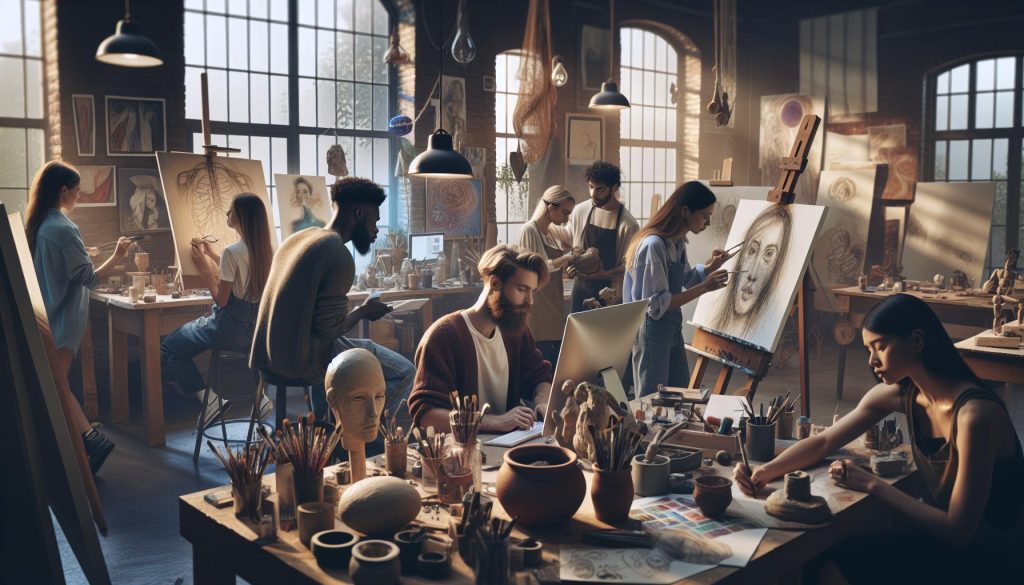
In today’s dynamic job market, arts students often worry about their career prospects, but the reality is that creativity is a valued asset across industries. The fusion of artistic skills with practical experience opens doors to diverse opportunities-from engaging part-time roles and internships to freelance projects that match individual passions. As you navigate your studies, understanding the various career paths available to you can transform uncertainty into confidence. Whether you aspire to be a graphic designer, writer, or even an arts educator, each step in the job application process-from crafting a compelling resume to acing interviews-can significantly enhance your chances of success. By exploring the potential paths for arts students, this guide aims to inspire and equip you with the tools necessary to balance your academic journey and professional growth effectively. Prepare to discover how your artistic talents can lead to a fulfilling career and a bright creative future!
What Job Opportunities Await Arts Students?
The world offers a rich tapestry of opportunities for arts students, where creativity is highly sought after and appreciated across various industries. Graduates equipped with a strong artistic foundation can explore roles not only in traditional fields such as fine arts, music, and theater but also in dynamic sectors like advertising, marketing, education, and technology. The ability to think creatively can set you apart in a competitive job market, as companies increasingly value innovation and unique problem-solving skills.
Arts students can find numerous avenues to express their talents and diversify their portfolios. For instance, many pursue careers in graphic design, where they can create visual content for brands or digital media. Others may thrive in roles such as content creation or social media management, leveraging their communication skills to engage audiences and elevate brand presence. Moreover, industries like film and television constantly seek fresh voices, allowing arts graduates to develop their passions through screenwriting, directing, or production assistant roles.
Additionally, the rise of the gig economy presents arts students with the chance to freelance, providing flexibility to balance work and studies. Freelancers can work on projects ranging from independent films to graphic design for startups, making it easier to tailor their careers to personal interests and schedules. Utilizing platforms that connect freelancers with opportunities can be an effective way to build a robust portfolio while simultaneously gaining real-world experience.
To navigate this diverse landscape, arts students should also focus on internship opportunities. Internships not only offer hands-on experience but also help build professional networks, which can be crucial for future job searches. Many organizations prefer candidates with practical knowledge and real-world experience, making internships a pivotal stepping stone for career success. Engaging in part-time roles in cultural institutions, galleries, or community arts programs can also be beneficial, providing insights into the operational aspects of the arts while allowing students to connect with professionals in the field.
The Diverse Career Paths for Arts Graduates
In today’s rapidly evolving job landscape, arts graduates are not limited to conventional career paths; rather, they can carve out unique niches across a multitude of sectors. The blend of creativity and analytical thinking that arts students develop equips them with skills that are highly valued in various industries. From the creative arts to technology, the opportunities are as diverse as the talents of the graduates themselves.
A prime area for arts graduates is digital media. With an insatiable demand for engaging content, roles in graphic design, video editing, and social media management are becoming increasingly available. Professionals skilled in storytelling through visuals or writing may find exciting positions in advertising agencies, where they can work on branding campaigns or digital marketing strategies. Furthermore, communities are seeking arts graduates to bolster their outreach through public relations, enabling students to explore roles that intertwine communication and the arts.
Another promising avenue lies in the education sector. Arts graduates often pursue careers in teaching, leading workshops, or organizing community programs that promote arts education. Institutions such as museums, theaters, and cultural centers are always on the lookout for passionate individuals who can inspire the next generation. These roles not only provide a platform for arts graduates to share their love of creativity but also foster a sense of community engagement.
With the rise of remote work and the gig economy, freelancing has emerged as a highly flexible option for arts students. Many choose to take on freelance projects that align with their interests, such as freelance writing, consulting for startups, or creating commissioned artwork. This autonomy allows them to build a portfolio while adapting their workloads to fit their academic schedules. Additionally, the flexibility of freelance work can bolster time management skills and self-discipline, crucial traits for any professional setting.
Incorporating internships and part-time jobs into their studies can also significantly enhance employability. Students should look for opportunities that provide relevant experience, whether through roles at local galleries, theater companies, or nonprofit organizations focused on the arts. Such positions often provide invaluable insights into the operational aspects of the art world while offering networking opportunities that can lead to future job prospects. Ultimately, the path forward for arts graduates is not merely about finding a job but about exploring the vibrant ecosystem of opportunities that await them across diverse fields.
Top Skills Employers Seek from Arts Students
In today’s interconnected job market, arts students possess a unique skill set that makes them highly attractive to employers across various industries. Employers are not only looking for raw talent but also specific skills that demonstrate adaptability, creativity, and effective communication. The following key skills are in high demand:
- Creativity and Innovation: The ability to think outside the box and generate original ideas is paramount. Arts students are trained to approach problems from different angles, making them valuable assets in creative industries such as advertising, design, and media.
- Communication Skills: Effective verbal and written communication is crucial. Arts graduates must articulate their ideas clearly, whether through presentations, writing, or collaborative projects. This skill is essential in roles that require teamwork and client interactions.
- Critical Thinking and Problem Solving: Arts students excel in analyzing information and developing solutions. Employers seek individuals who can assess a situation, navigate challenges, and propose informed strategies, particularly in fields like marketing and public relations.
- Technical Proficiency: As the arts landscape evolves with technology, familiarity with digital tools such as graphic design software, social media platforms, and content management systems is increasingly important. Employers appreciate candidates who can seamlessly integrate technology with their creative work.
- Time Management: Balancing multiple projects and meeting deadlines is a vital skill for any professional. Arts graduates often juggle coursework, internships, and personal projects, helping them develop strong time management abilities that are attractive to employers.
- Collaboration: Many arts initiatives thrive on teamwork. Employers value candidates who can work effectively with diverse groups, demonstrating respect for different perspectives while contributing their unique viewpoints.
By honing these skills, arts students can enhance their employability and navigate the complexities of the job market with confidence. Engaging in internships, freelance projects, or part-time roles can further sharpen these abilities, providing students with hands-on experience and valuable insights into workplace dynamics. In a world that increasingly values multidisciplinary approaches, arts graduates equipped with these essential skills are well-positioned to make impactful contributions across various career paths.
Freelancing: A Flexible Option for Arts Majors
Many arts students are discovering that freelancing offers a unique opportunity to blend creativity with flexibility, making it an increasingly popular career path. With the gig economy thriving, freelancers can tailor their work schedules around academic commitments, allowing them to gain practical experience while still pursuing their studies. This versatile approach not only provides financial support but also lays the foundation for building a robust portfolio that can enhance job prospects post-graduation.
To get started with freelancing, arts students should first identify their strengths and areas of interest-whether in graphic design, writing, photography, or digital marketing. Platforms such as Upwork, Fiverr, and Freelancer.com can be invaluable in connecting with clients seeking specific creative services. Additionally, local businesses and non-profits often need design work, social media management, or marketing solutions, providing an excellent avenue for students to establish connections and gain real-world experience. It’s advisable to create a professional online presence through a personal website or social media, showcasing previous work and project samples to attract potential clients.
When embarking on a freelance journey, organization is key. Students should develop a clear project management strategy, utilizing tools like Trello or Asana to track deadlines and deliverables. Setting boundaries is also essential to balance work and academics effectively. It’s crucial to communicate availability and expectations upfront with clients, ensuring a mutual understanding of timelines and work scope. With careful planning and a commitment to professional growth, students can navigate the challenges of freelancing while cultivating valuable skills that will serve them well in their future careers.
Ultimately, freelancing empowers arts students to take charge of their professional trajectory, offering a real sense of autonomy and creativity in their work. By embracing this flexible career option, they can enrich their academic journey, develop important industry connections, and confidently step into a competitive job market equipped with experience and confidence.
Internships: Gaining Experience While Studying
Internships serve as a pivotal stepping stone for arts students, acting as the bridge between academic knowledge and practical application. According to the National Association of Colleges and Employers, 63% of interns receive job offers from the organizations where they intern. This statistic highlights the importance of internships-not just for gaining experience, but also for potentially securing employment after graduation. Participating in an internship enables students to apply their creative skills in real-world settings, nurturing their professional development and expanding their networks within the industry.
To maximize the benefits of an internship, arts students should begin by identifying organizations that align with their career aspirations. This could include galleries, theaters, design firms, or music production companies. Once a target list is established, students should leverage online job boards, their university’s career services, or networking events to find opportunities. Many internships are designed with students in mind, providing flexible work schedules that can accommodate classes and other commitments.
Steps for Securing an Internship
- Resume and Portfolio Preparation: Create a tailored resume that highlights relevant coursework, projects, and skills. Don’t forget to include a portfolio showcasing your work, as visuals significantly boost your chances of standing out.
- Networking: Utilize platforms like LinkedIn to connect with industry professionals. Join relevant groups and participate in discussions to increase visibility.
- Application Process: Apply for internships early, as many opportunities have deadlines well before the start date. Tailor your application to each role, emphasizing how your skills and experiences make you a good fit.
- Interview Prep: Prepare for interviews by researching the organization and understanding its recent projects or contributions to the arts. Be ready to discuss how your background can add value.
Internships not only enhance your resume but also provide you with a unique vantage point into the daily operations of your potential career path. The skills learned through internships-such as teamwork, communication, and time management-are invaluable and will serve you well in any creative field. With every opportunity, remember to stay proactive and eager to learn. This attitude will not only help you make the most of your internship but will also propel you forward in your future career endeavors.
Creative Part-Time Jobs That Fit Your Schedule
Finding a creative part-time job that aligns with an arts education can be both an exciting and practical way to gain experience while maintaining academic commitments. Many arts students feel overwhelmed by their schedules, but numerous flexible opportunities exist that allow for creativity and skill development without sacrificing school responsibilities. By exploring avenues that not only pay but also enhance talents, students can seamlessly blend work with their academic journey.
One excellent option is working as a freelance designer or artist. Platforms like Upwork, Fiverr, and Behance allow students to showcase their portfolios and attract clients seeking creative services. This approach provides the freedom to take on projects that fit into personal schedules. Additionally, working part-time as a teaching assistant in arts departments or community centers can provide invaluable experience. These positions often involve mentoring younger creatives or helping organize workshops, allowing arts students to foster their teaching and organizational skills.
Another route includes positions in local galleries, museums, or theaters, which frequently offer part-time roles that accommodate student schedules. Working as a gallery attendant, museum educator, or box office staff provides insights into the professional art world while allowing students to interact with cultural programming. Such experiences not only bolster resumes but also expand professional networks within the arts community.
Navigating the job application process is essential for landing these creative opportunities. Here are some practical steps to consider:
- Identify Your Skills: Assess what creative skills you possess and how they can meet the needs of potential employers.
- Tailor Your Application: Customize your resume and cover letter for each position, highlighting relevant experiences that align with the job description.
- Prepare for Interviews: Practice common interview questions, emphasizing your passion for the arts and your ability to balance work with academic responsibilities.
- Reach Out: Don’t hesitate to contact previous employers or professors for references; their testimonials can greatly strengthen your application.
By seeking part-time positions that resonate with their artistic passions and schedule, students can-and should-embrace the plethora of opportunities available to them. Whether through freelance gigs, educational roles, or cultural institutions, every experience contributes to a stronger portfolio and prepares them for successful career paths in the arts.
Building a Strong Resume as an Arts Student
Creating a standout resume is a crucial step for arts students embarking on their career journeys, as it serves as their first impression to potential employers. A well-crafted resume not only showcases artistic talents but also effectively communicates relevant experiences and skills that align with job opportunities. Understanding how to present your unique strengths in a concise, impactful manner can significantly enhance your chances of landing interviews in a competitive field.
To build a strong resume, start by clearly defining your artistic identity. Highlight your area of expertise, whether it’s graphic design, performance art, or art education, and tailor your resume to fit the specific roles you are applying for. Employ a professional format that emphasizes clarity and readability. Use bold headers to organize sections such as Education, Experience, Skills, and Projects. This structure allows hiring managers to quickly scan for the information they need.
Key Components to Include
- Contact Information: Ensure your name, email, and phone number are prominently displayed at the top.
- Objective or Summary: A brief statement that encapsulates your career goals and what you bring to the table can add a personal touch.
- Education: List your degree(s), institutions, and graduation dates. Mention any coursework that is particularly relevant to the job you are seeking.
- Relevant Experience: Include internships, freelance work, and part-time jobs. Focus on achievements and skills gained rather than just duties performed. Use action verbs to describe your contributions.
- Portfolio Link: For arts students, providing a link to an online portfolio is essential. Showcase your best work and update it regularly to reflect your current skills.
- Skills: List both technical skills (like software proficiency) and soft skills (like teamwork or communication) that are relevant to your field.
- Extracurricular Activities: Involvement in arts groups, volunteering, or leadership roles can demonstrate your commitment and passion for the arts.
Finding the right balance between creativity and professionalism in your resume is key. As an arts student, you have the opportunity to showcase your design flair while ensuring that the content remains straightforward and easy to navigate. Remember to proofread your resume meticulously to avoid any typos, ensuring that it reflects your attention to detail.
Ultimately, crafting a compelling resume is about effectively communicating your artistic vision and unique experiences to prospective employers. Embrace the process as a chance to reflect on your accomplishments and skills, and let your passion for the arts shine through. With a strong resume in hand, you’ll be well-equipped to pursue the diverse career opportunities that await you in the arts.
Mastering the Job Interview Process
Successfully navigating the job interview process can feel daunting, especially in the creative arena where personal expression and professionalism must coexist. Research shows that first impressions are often formed within the first few seconds, making your preparation key. Students should prioritize understanding not just the role, but also the organization’s culture and values. Tailoring responses to demonstrate how your creative vision aligns with their mission can make a significant impact and set you apart from other candidates.
To excel in interviews, practicing responses to common questions such as “Describe your creative process” or “How do you handle feedback?” can be invaluable. It’s also crucial to prepare your own questions to ask the interviewer. This not only showcases your enthusiasm for the position but also allows you to gauge whether the organization is the right fit for you. Consider asking about the team’s dynamics, the types of projects you’d be working on, or how success is measured in the role.
Practical Steps for Interview Success
- Research the Company: Familiarize yourself with their recent projects, values, and industry standing.
- Dress Professionally: While the arts often encourage self-expression, consider the company culture to determine your attire. When in doubt, opt for business casual.
- Practice Makes Perfect: Conduct mock interviews with friends or mentors to gain comfort in articulating your experiences and strengths.
- Prepare Your Portfolio: Be ready to discuss pieces from your portfolio, explaining your creative choices and the impact of your work.
- Follow Up: After the interview, sending a thoughtful thank-you email can reinforce your interest and appreciation for the opportunity.
Mastering the interview process is about blending your unique artistic identity with professionalism. By focusing on structured preparation, clear communication, and engagement with the interviewer, you can transform anxiousness into confidence. Embrace each interview as a learning opportunity; even if a position doesn’t materialize, the experience gained will serve as an invaluable foundation for future interactions and opportunities in the arts field. Balancing a commitment to your craft with an open mindset towards growth will inevitably pave the way for a fulfilling artistic career.
Networking Tips to Boost Your Career
Building a network is crucial for arts students looking to establish a successful career in the creative field. Strong connections can lead to internships, job opportunities, collaborations, and valuable mentorships. Networking is not just about exchanging business cards; it’s about fostering genuine relationships and being proactive in seeking interactions. Engaging with professionals in your field can enhance your understanding of the industry and open doors you may not have realized existed.
Start by attending industry events, workshops, and conferences. These gatherings are often filled with like-minded individuals and established professionals eager to share their experiences and insights. Don’t hesitate to introduce yourself; be prepared with a concise summary of who you are, what you do, and what you aim to achieve. Use these encounters to ask questions and gather advice, which not only shows your interest but helps you build rapport. Additionally, join online platforms like LinkedIn, or arts-focused communities where you can interact with peers and professionals, share your work, and stay updated on industry trends.
Utilizing Social Media
Social media platforms can be powerful tools for networking. Showcase your artistic journey on platforms like Instagram or Twitter, incorporating relevant hashtags to increase visibility. Follow industry leaders, engage with their content, and contribute thoughtfully to discussions. This visibility can attract the attention of potential employers or collaborators. Consider sharing behind-the-scenes processes of your work or insights on the latest industry trends to position yourself as a knowledgeable and active participant in the arts community.
Building Mentorship Relationships
Additionally, seek out mentors who resonate with your career aspirations. A mentor can provide invaluable guidance, offer constructive feedback on your work, and help navigate the unpredictable landscape of arts employment. Reach out to instructors, alumni, or professionals you admire, express your interest in their work, and ask if they are open to mentoring a student. Be respectful of their time and always express gratitude for their assistance, whether they agree to mentor you or not.
Recognizing the power of networking can significantly influence your career trajectory. It allows you to develop a support system that can provide insights into job openings, industry transitions, and personal growth. As you engage with others, remember that networking is a two-way street; contribute to the community through sharing your experiences and supporting your peers. By approaching networking with sincerity and purpose, you will build a robust professional network that can propel your career in the arts.
Work-Life Balance Strategies for Student Workers
Balancing academic responsibilities and work commitments is a challenge many arts students face, but effective strategies can lead to a satisfying and productive experience. Juggling a part-time job, internships, or freelance projects alongside studies can sharpen skills and enhance employability while also providing much-needed financial support. Understanding how to prioritize tasks and manage time effectively is crucial in maintaining harmony between work and studies, leading to improved performance in both areas.
To achieve a successful balance, consider implementing the following strategies:
Set Clear Boundaries
Establishing distinct lines between work and study time is vital. Utilize tools such as planners or digital calendars to block out hours dedicated to classes, homework, and work commitments. Communicate these boundaries to your employer, ensuring they understand your availability. This reinforces a schedule that respects both your academic pursuits and professional obligations.
Practice Time Management
Effective time management can transform your daily routine. Here are some tips to enhance productivity:
- Prioritize Tasks: Determine high-priority tasks for the week and focus on completing them first.
- Break Down Projects: Tackle larger assignments by breaking them into smaller, manageable steps to avoid being overwhelmed.
- Set Mini-Deadlines: Create short-term deadlines for tasks that complement your longer academic deadlines to keep you on track.
Utilize Flexible Job Options
Consider seeking out flexible job opportunities that align with your studies. Many creative fields offer part-time positions or internships that accommodate student schedules. Freelance work is another option that allows you to control your hours and workload. By selecting roles that are adaptable, you can better manage your time while building skills relevant to your career.
Engage in Self-Care
Amid the hustle of studies and work, don’t underestimate the importance of self-care. Regular breaks, engaging in hobbies, and ensuring you get enough rest can significantly impact your energy levels and productivity. Building downtime into your schedule can prevent burnout and keep you motivated and engaged.
By implementing these strategies, arts students can not only thrive academically but also cultivate professional skills and experience that are essential in today’s competitive job market. With dedication and strategic planning, you can successfully balance your commitments, paving the way for a fulfilling career in the creative industry.
Emerging Trends in Arts Career Opportunities
As the creative landscape evolves, so too do the career opportunities available for arts students. An increasing number of roles are emerging in fields that connect art with technology, social impact, and community engagement, broadening the horizons for those equipped with artistic skills. For instance, the rise of digital media has fueled demand for professionals adept in graphic design, animation, and multimedia art. This shift is not just about traditional roles; it also encompasses innovative positions like user experience (UX) designers and digital content creators, allowing arts graduates to merge creativity with technical acumen.
Moreover, there is a growing emphasis on sustainability across industries, leading to job opportunities within socially responsible and eco-friendly art initiatives. Arts students can engage with organizations that focus on enhancing communal spaces through public art projects, developing art programs that educate or advocate for environmental issues. This not only bolsters their portfolios but also positions them as vital contributors to pressing global conversations.
The gig economy further supports flexibility in the arts, enabling students to seek freelance opportunities that align with their studies and personal interests. Websites dedicated to freelance work have made it easier than ever to connect with clients looking for creative services, from website design to copywriting. By cultivating a strong online presence through platforms like LinkedIn or individual portfolios, arts students can attract potential employers and freelance opportunities while still in school.
In light of these emerging trends, aspiring professionals should focus on developing both artistic and entrepreneurial skills. Practical experience, such as internships or collaborative projects, is crucial for navigating the competitive job market. Engaging in networking events, online workshops, and community-focused initiatives can further enhance professional networks, encouraging connections that may lead to future job offers. By embracing these evolving trends, arts students can carve out fulfilling career paths that resonate with their passions while adapting to the needs of the modern world.
Success Stories: Inspiring Arts Graduate Journeys
As the arts landscape continues to evolve, inspiring stories of graduates illustrate the diverse career paths available for arts students. One such success story is that of Mia Rodriguez, a graphic design graduate who parlayed her passion for visual storytelling into a thriving career. Starting as an intern at a local startup, Mia quickly impressed her employers with her innovative designs and strategic insights, leading to a full-time position shortly after graduation. Her journey highlights not just the significance of internships but also the power of networking; through her internship, she connected with industry professionals who later became her mentors.
Similarly, Jordan Lee, a theater arts major, found success by diversifying his skill set. After securing a part-time job as a stage assistant while completing his studies, he took advantage of every opportunity to learn-from lighting design to stage management. Jordan’s proactive approach earned him an invitation to work on a notable theater production in New York City post-graduation. His experience emphasizes the value of hands-on training and the importance of being open to roles that may initially seem outside one’s primary focus.
For arts students navigating the gig economy, freelance work offers a viable path. Take the example of Sarah Kim, a recent visual arts graduate who turned her freelance illustration hobby into a full-time career. By building her portfolio on social media platforms and engaging with potential clients directly, Sarah found multiple streams of income that not only supported her financially but also allowed her to maintain creative control over her projects. Her story is a testament to the potential of freelancing as a flexible and lucrative career option for artistic individuals.
These narratives reflect a common thread: the intertwining of education and experience is crucial for success in the arts. Arts students are encouraged to embrace internships, explore various job roles, and cultivate a diverse skill set. By tapping into industry connections and remaining adaptable, they can forge fulfilling careers that resonate with their individuality and creativity. Each journey serves as a reminder that while challenges may arise, perseverance, strategic networking, and a willingness to learn can open doors to incredible opportunities in the arts field.
Q&A
Q: What types of jobs can arts students do after graduation?
A: Arts students can pursue diverse careers such as graphic design, marketing, education, arts administration, and content creation. These fields value creativity, communication skills, and critical thinking, making an arts degree versatile. To explore more job options, refer to the section on “What Job Opportunities Await Arts Students?”
Q: How can arts students enhance their employability?
A: Arts students can enhance their employability by gaining relevant experience through internships, developing a strong professional network, and improving their resume-writing skills. Engaging in workshops and industry events helps build connections that can lead to job opportunities.
Q: Why is networking important for arts graduates?
A: Networking is crucial for arts graduates as it opens doors to job opportunities, collaborations, and mentorships. It helps them to connect with industry professionals who can provide guidance and referrals. Explore networking tips in the section on “Networking Tips to Boost Your Career.”
Q: What is the role of internships in an arts career?
A: Internships play a vital role in an arts career by offering hands-on experience, building skills, and enhancing resumes. They allow students to explore different career paths and gain insights into industry expectations, as detailed in “Internships: Gaining Experience While Studying.”
Q: Are there freelance opportunities for arts students?
A: Yes, arts students can find freelance opportunities in graphic design, writing, social media management, and more. Freelancing offers flexibility and the chance to build a diverse portfolio. Discover more about freelancing in the section titled “Freelancing: A Flexible Option for Arts Majors.”
Q: How should arts students prepare for job interviews?
A: Arts students should prepare for job interviews by researching the company, practicing common interview questions, and showcasing their creativity in responses. Dress appropriately and convey enthusiasm for the role. For more tips, check out “Mastering the Job Interview Process.”
Q: What are some emerging trends for arts careers today?
A: Emerging trends for arts careers include increased demand for digital content creators, social media strategists, and UX/UI designers. Arts graduates should stay updated on technological advancements in their field, as discussed in the “Emerging Trends in Arts Career Opportunities” section.
Q: How can arts students manage work-life balance?
A: Arts students can manage work-life balance by setting realistic goals, prioritizing tasks, and maintaining a flexible schedule. Developing time management skills and using tools like planners can help balance academic and work responsibilities. Explore strategies in “Work-Life Balance Strategies for Student Workers.”
In Conclusion
As you explore the vibrant job opportunities available for arts students, remember that your creative skills are highly valued across various industries. From part-time jobs and internships to freelance projects, the potential for a fulfilling career is just a few applications away. Don’t hesitate to utilize resources like our comprehensive guides on resume writing and interview preparation to enhance your job search – these tools are designed to support your journey to success.
We encourage you to check out our articles on balancing work and academics, which can help you maintain a healthy study-life dynamic while progressing in your career. Stay proactive and consider subscribing to our newsletter for more insights tailored to your artistic pursuits. Embrace this exciting path with confidence, and never forget that every step you take brings you closer to a creative future filled with opportunities! Share your thoughts and experiences in the comments below, and let’s continue this conversation together.