Did you know that having a CPR certification can significantly enhance your employability in the medical field? This vital skill not only prepares you to respond effectively to emergencies but also opens doors to a variety of job opportunities. Whether you’re eyeing a role in healthcare, education, or community services, the ability to perform CPR boosts your resume and demonstrates a commitment to safety and wellbeing. As a student balancing academics with career aspirations, understanding how to leverage your CPR training can lead to part-time positions, internships, and freelance roles that align with your goals. This guide will explore the diverse job opportunities available to those with CPR certification and provide practical tips on navigating the job market, crafting a standout resume, and preparing for interviews. Let’s dive into the rewarding pathways your CPR certification can unlock!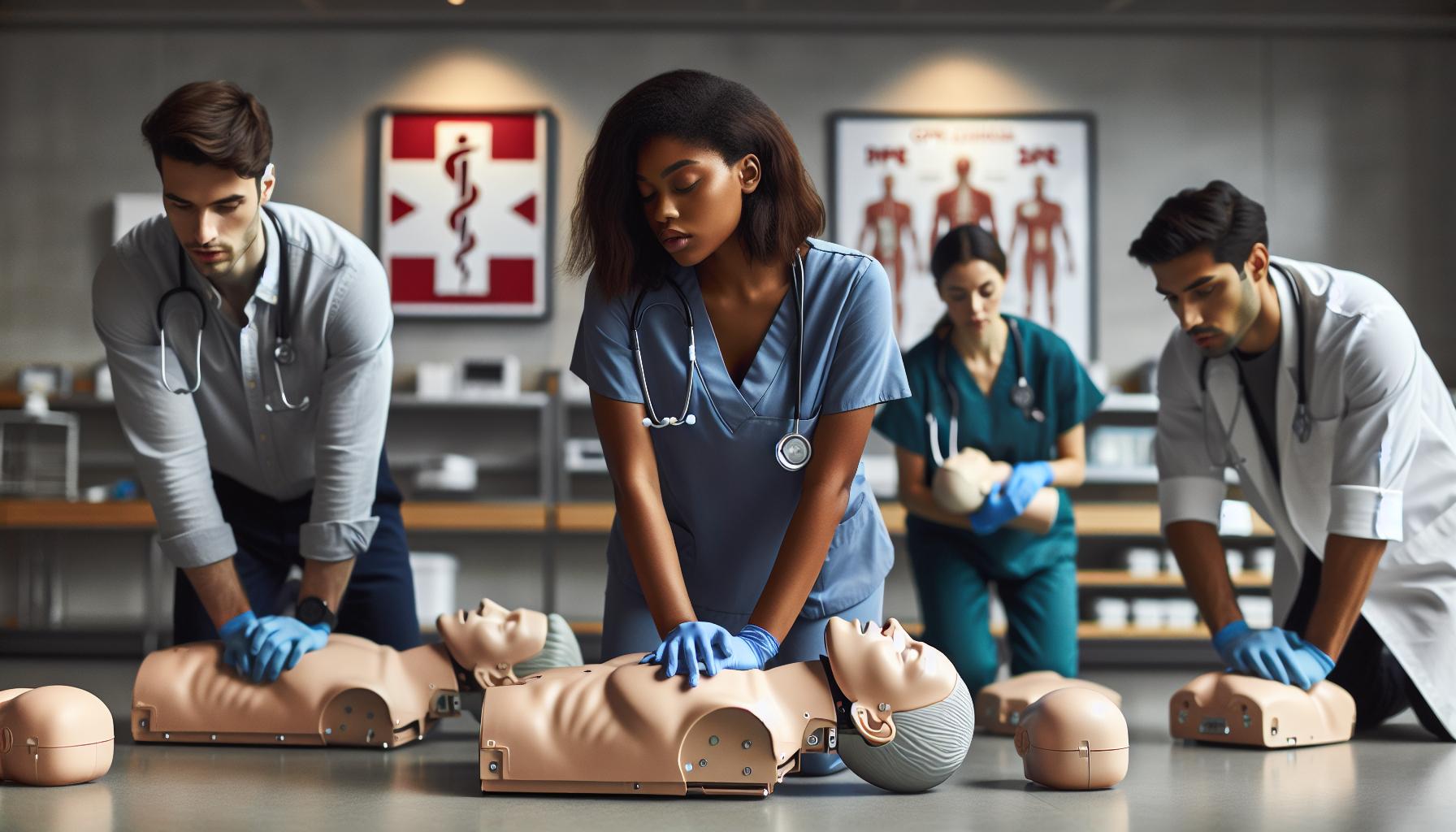
What is CPR Certification and Why It Matters
Cardiopulmonary Resuscitation (CPR) certification is a critical credential that empowers individuals to act decisively in emergencies, specifically when someone’s heart stops beating or they stop breathing. Through the training, individuals learn the essential skills needed to perform CPR, use an Automated External Defibrillator (AED), and provide first aid while awaiting professional medical assistance. One minute can make a significant difference in outcomes during cardiac emergencies, making the knowledge gained during CPR training invaluable. It’s not just a skill; it’s a responsibility that can save lives.
Obtaining CPR certification is essential in many professions, notably within the healthcare sector, education, and emergency services. Employers increasingly seek candidates with this certification, as it signifies that an individual is equipped to handle emergencies effectively. The training, often provided by recognized organizations like the American Heart Association, typically includes hands-on practice and theoretical knowledge that instills confidence and preparedness. It’s vital for anyone aspiring to work in fields such as nursing, teaching, coaching, or any role that involves caring for others.
Moreover, CPR certification enhances your employability. Many employers prioritize candidates who are certified, recognizing that these individuals can immediately contribute to maintaining a safe environment. This certification not only shows initiative and responsibility but also equips you with practical skills that are beneficial both professionally and personally. Understanding how to respond to sudden cardiac events or medical emergencies can prove invaluable in everyday life, making CPR training a worthwhile investment for anyone seeking to contribute positively to their community.
Key Jobs Available with CPR Certification
With the growing emphasis on safety and preparedness in various fields, CPR certification has become a gateway to a range of rewarding career opportunities. This certification not only equips individuals with crucial life-saving skills but also sets them apart in competitive job markets where employers prioritize those capable of responding to emergencies promptly. Whether you’re a student looking to enhance your resume or someone exploring new career paths, there are numerous key jobs available for CPR-certified individuals.
In the healthcare sector, positions such as nursing assistants, emergency medical technicians (EMTs), and clinical technicians often require or strongly prefer CPR certification. These roles not only involve direct patient care but also necessitate quick decision-making skills in emergencies. For those interested in the educational field, roles such as school health aides or coaches also call for CPR training to ensure the safety of students during physical activities. Furthermore, the hospitality industry increasingly values CPR certification for roles in event staffing or as hotel security personnel, where having the ability to react calmly in emergencies can significantly impact guest safety and experiences.
Beyond traditional employment, there are thriving part-time job opportunities for CPR-certified individuals. Roles in community centers, fitness clubs, and childcare facilities frequently seek candidates who can demonstrate readiness to manage unexpected medical situations. Individuals can also explore freelance options, such as teaching CPR courses or conducting first aid workshops, which not only provide flexible working conditions but also allow sharing essential skills within the community.
For students or individuals looking to enter the workforce, ensuring your resume highlights CPR certification can make a significant difference. Tailoring applications to showcase this credential alongside relevant experience will help demonstrate your proactive approach to safety. When preparing for interviews, be ready to discuss scenarios where your CPR skills could be applicable; this shows employers your preparedness and ability to handle emergencies. Coupled with a strong work-life balance strategy, pursuing these opportunities can lead to a fulfilling career that not only meets personal aspirations but also contributes positively to community health and safety.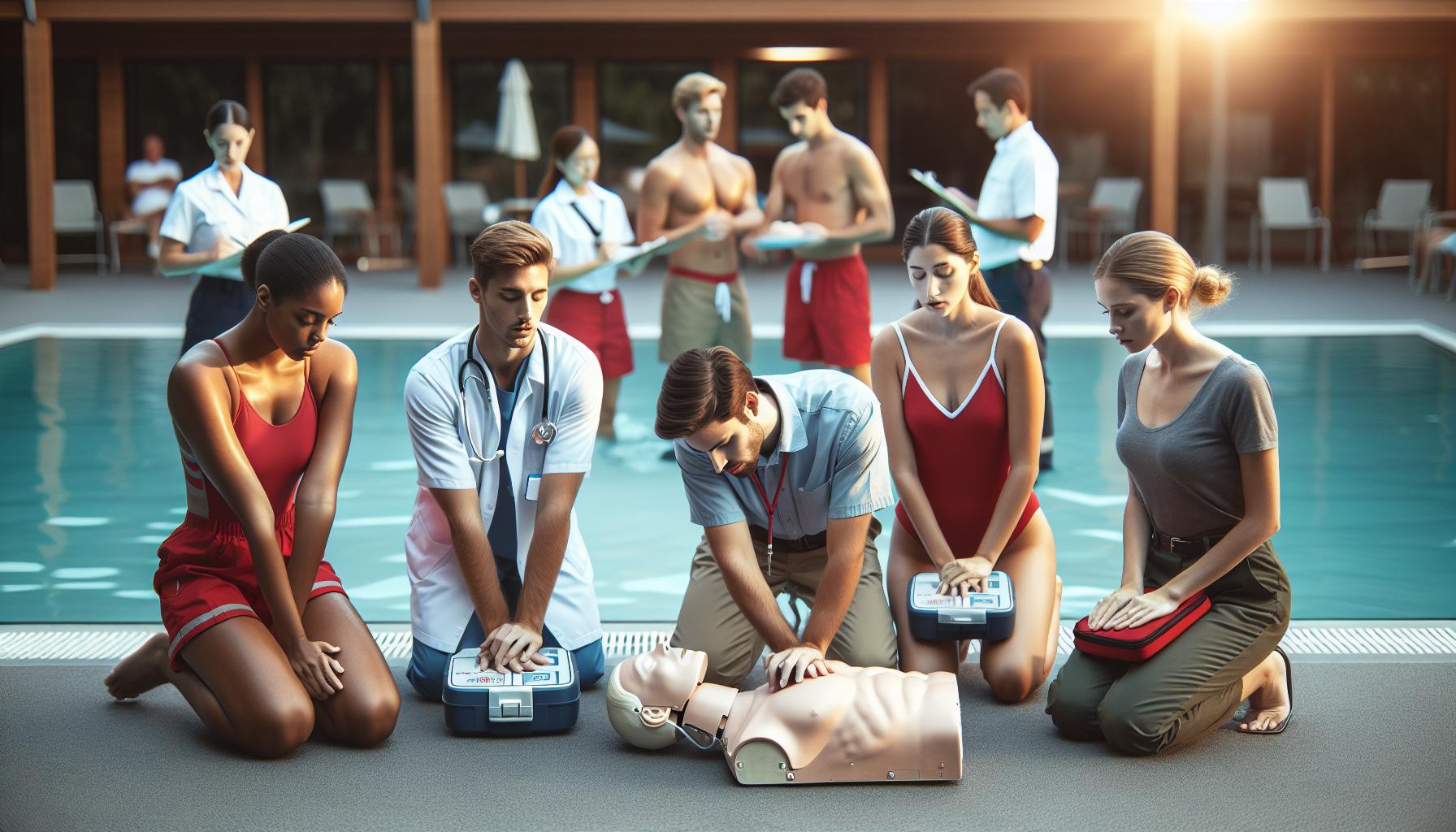
Top Industries Seeking CPR Certified Employees
In the ever-evolving job market, possessing CPR certification can significantly enhance your employability across various fields. Many employers seek out CPR-certified candidates as they bring vital skills that can be lifesaving in critical situations. The healthcare industry, which is one of the most prominent sectors demanding these skills, includes roles such as nurses, paramedics, and physical therapists. In these positions, professionals are often the first responders to health emergencies, and having CPR knowledge is not just beneficial-it’s essential.
Moreover, the educational sector is increasingly recognizing the importance of CPR certification. School nurses, physical education teachers, and coaches play critical roles in ensuring student safety during athletic events or emergencies. By being CPR certified, these individuals not only contribute to a safer environment but also gain a competitive edge in the job market.
The hospitality and recreation industries also demonstrate a surge in demand for CPR-trained employees. Hotels, resorts, and fitness centers prioritize staff who can act decisively during medical emergencies. Positions such as lifeguards, event staff, and security personnel often require CPR certification as a standard qualification, reflecting a commitment to guest safety and overall service quality.
If you’re considering how to navigate your career path, targeting these industries can be highly beneficial. Emphasizing your CPR certification on your resume will help you stand out in job applications and interviews. Companies appreciate candidates who are proactive about health and safety, positioning you as a valuable addition to their team. With flexible job opportunities-including part-time work, internships, and freelance gigs-CPR certification opens doors in various settings, allowing you to gain experience while balancing other commitments effectively.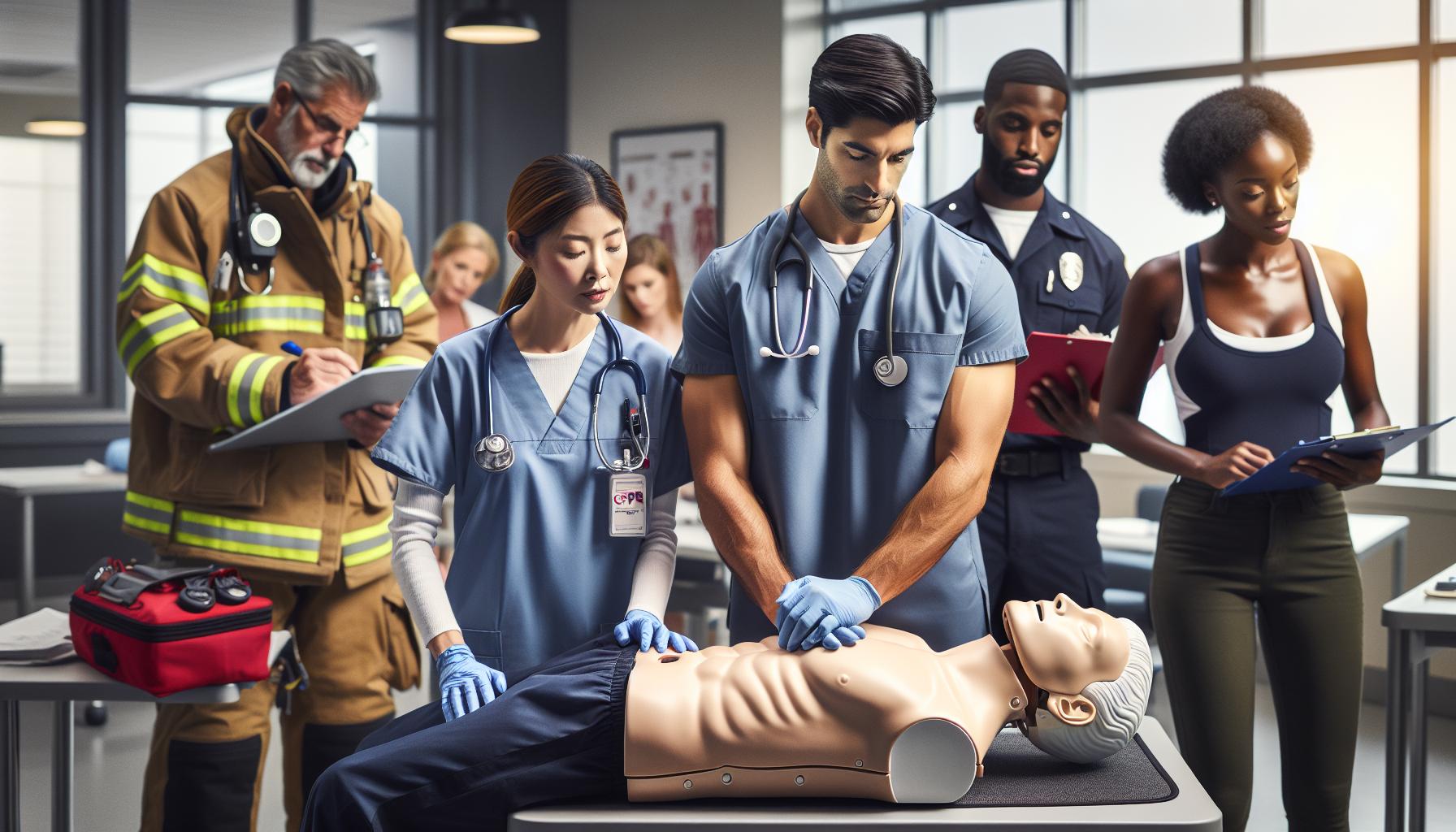
Essential Skills Developed Through CPR Training
In today’s fast-paced and often unpredictable environment, the ability to perform CPR (Cardiopulmonary Resuscitation) can be the difference between life and death. Undertaking CPR training not only equips individuals with the knowledge to save lives but also imparts a range of essential skills that are invaluable in both medical and non-medical job settings.
One of the foremost skills developed through CPR training is increased situational awareness. Trainees learn to quickly assess an emergency situation, enabling them to make swift and effective decisions. This heightened awareness also translates well into workplaces, where critical thinking and quick decision-making are vital in high-pressure situations, whether in healthcare, hospitality, or public safety roles.
Furthermore, CPR training enhances communication skills. Effective communication is crucial during emergencies, where clear instructions can save lives. Participants learn to convey important information succinctly, whether calling for help or directing bystanders. These communication skills are especially beneficial in jobs that require collaboration in healthcare teams, such as nursing or emergency response, where clear communication can improve team dynamics and patient outcomes.
Additionally, CPR training fosters emotional resilience and leadership. Responding effectively in crises requires not only technical knowledge but also the ability to remain calm under pressure. This training instills confidence, encouraging individuals to take charge when emergencies arise. Employers in various sectors recognize the value of employees who can retain composure and lead during emergencies, making CPR certification an attractive addition to any resume.
Ultimately, the skills acquired through CPR training extend beyond the ability to perform lifesaving techniques; they encompass critical thinking, effective communication, and leadership. As students and job seekers pursue careers across diverse fields, these competencies position them as desirable candidates ready to navigate the challenges of their roles confidently. By demonstrating a commitment to safety and emergency preparedness, individuals with CPR certification enhance their professional profiles while positively impacting their communities.
How to Obtain CPR Certification Online
Acquiring CPR certification online is an accessible and vital step for those interested in pursuing a career in the medical field. With the flexibility and convenience of online courses, you can fit the training into your busy schedule, enabling you to learn life-saving techniques without the constraints of traditional classroom settings. Online CPR certification programs often combine instructional videos, interactive activities, and simulations that allow you to practice skills at your own pace, ensuring you gain both theoretical knowledge and practical abilities.
To begin your journey to CPR certification, first, research accredited organizations that offer online training. The American Heart Association is one notable provider, offering comprehensive courses in CPR, First Aid, and emergency cardiovascular care. Start by selecting a course that aligns with your career goals-in many cases, a basic CPR certification will suffice, but additional specialties like pediatric CPR or First Aid might be beneficial depending on your desired job role.
After enrollment, you’ll typically engage in various learning modules covering key concepts such as the anatomy and physiology of the heart, emergency response protocols, and hands-on skills training like chest compressions and rescue breathing. Many online courses also require you to complete a practical skills evaluation, either through video submissions or in-person tests, which ensures that you can demonstrate competency in real-life scenarios. Upon completion, you’ll receive a certification card that validates your training, which is often recognized across various medical professions.
Incorporating CPR certification into your resume can significantly enhance your job prospects. When applying for positions in the medical field, highlight this certification prominently, as many employers in healthcare settings consider it an essential qualification. Be prepared to discuss your training experience in interviews, showcasing your preparedness to handle emergency situations calmly and effectively. With dedication and the right resources, obtaining CPR certification online can be a streamlined pathway to opening doors in your medical career while equipping you with skills necessary for saving lives.
Part-Time Job Opportunities for Certified Individuals
In today’s job market, possessing a CPR certification opens up a variety of part-time job opportunities that cater to different schedules and interests. Many organizations value the life-saving skills associated with CPR training, making certified individuals competitive candidates across diverse roles. For instance, part-time positions in schools, gyms, community centers, and healthcare facilities often prioritize employees who can respond to emergencies, providing you with a unique edge.
Among the popular part-time jobs for CPR-certified individuals are roles like lifeguard, where your training helps ensure the safety of swimmers. Additionally, positions in childcare or educational settings, such as a teacher’s aide or camp counselor, often require you to be CPR certified. As a health club or fitness instructor, your CPR skills not only enhance personal safety but also instill confidence in your clients, making you a more valuable asset.
Relevant Part-Time Opportunities
- Lifeguard: Monitor swimming areas and ensure safety.
- Childcare Provider: Provide care and supervision for children, often requiring CPR certification.
- Fitness Instructor: Lead fitness classes, offering motivation and safety to participants.
- Event Staff: Work at events or festivals managing crowd safety.
To secure these positions, tailor your resume to highlight your CPR certification prominently, especially if the job emphasizes safety and emergency response. In your job applications, clearly articulate how your CPR training can contribute to the safety and well-being of others. Enhance your chances by preparing for interviews with specific examples of how you would handle emergencies and demonstrate your commitment to safety.
While balancing work and studies can be challenging, pursuing part-time roles that align with your CPR certification can provide valuable experience in emergency preparedness, frontline response, and healthcare. Embrace these opportunities as not just jobs, but as platforms to build your skills, network within the industry, and ultimately pave the way toward a successful career in the medical field.
Freelance and Contract Work for CPR Certified Professionals
In today’s fluid job market, individuals with CPR certification can seize a multitude of freelance and contract opportunities that not only utilize their life-saving skills but also offer flexible work arrangements. From event-specific roles to healthcare consulting, certified professionals can find diverse paths that fit their schedules and expertise. For instance, freelance positions such as emergency response trainer or CPR instructor are in demand, allowing you to share your knowledge while working on your terms.
Many organizations seek individuals who can provide CPR training sessions or first aid courses directly to their employees. This can be a lucrative option, especially for those who can market themselves effectively. Creating workshops for local businesses, schools, or community centers can not only supplement your income but also enhance your professional network. Additionally, seasonal roles, like providing first aid at local festivals or sporting events, can be a great way to gain experience while earning money during your downtime.
For those looking to navigate the freelance market, a few essential steps can elevate your application. First, build a strong online presence. Having a professional website or LinkedIn portfolio that showcases your qualifications, testimonials, and training modules can attract clients. Second, network within local organizations or online platforms, such as social media groups focused on CPR training or emergency preparedness, to spread the word about your services.
Lastly, ensure you have a solid understanding of how to present yourself during potential client meetings. Be prepared to discuss not only your CPR qualifications but also any relevant experience you possess. Describe how your training can enhance safety and preparedness for their specific situations, making it clear how you can add value. Balancing freelance work with your studies might be challenging, but the skills and connections you build in these roles can pave the way for a flourishing career in healthcare or emergency services.
Internship Opportunities in Healthcare with CPR Certification
Internships in healthcare settings are invaluable for students pursuing careers in medicine, nursing, emergency response, and various allied health fields. Armed with CPR certification, you immediately elevate your appeal to potential employers and show a commitment to safety and preparedness. Whether you’re looking to deepen your understanding of medical practices or gain hands-on experience, internships can be an ideal way to translate classroom knowledge into practical skills.
One effective approach to finding internship opportunities is to tap into your school’s career services or health department. Many hospitals, clinics, and community health organizations offer internship programs designed specifically for students who are CPR certified. Positions may include roles like patient care assistant, health educator, or emergency room intern, where CPR skills are essential for providing critical support in emergency situations. Utilize your connections with professors and advisors who might know of upcoming openings or be able to recommend you directly.
When applying for internships, tailor your resume to highlight your CPR certification along with any related coursework or volunteer experiences. It can also be beneficial to showcase skills like teamwork, communication, and crisis management, which are crucial in healthcare environments. A strong resume should effectively narrate your career goals and how they align with the organization’s mission. Consider including a combination of educational achievements and personal anecdotes to illustrate your passion for healthcare.
Once you secure an interview, preparation is key. Familiarize yourself with common interview questions specific to healthcare roles, and be ready to discuss how your CPR training has prepared you for real-life situations. Demonstrating confidence and a solid understanding of basic medical protocols can impress potential employers immensely. Remember, internships are not just about gaining experience; they also serve as a platform for networking and mentorship. Develop relationships with supervisors and co-workers; you never know when these connections might lead to future job opportunities.
In conclusion, internships provide a fertile ground for growth and employment opportunities in the healthcare sector for CPR-certified individuals. With proactive strategies to find and secure internships, you can enhance your academic journey while positioning yourself for a robust career in healthcare.
Navigating the Job Application Process for CPR Roles
In today’s competitive job market, having CPR certification can make you stand out as a candidate, especially in fields related to healthcare, emergency services, and education. Whether you’re seeking a part-time job, internship, or freelance opportunity, effectively navigating the job application process is crucial for securing a CPR-related position. Understanding the nuances of the application process will not only enhance your chances but also empower you to approach your career with confidence.
To begin with, ensure that your resume highlights your CPR certification prominently. This certification demonstrates not only your preparedness for emergency situations but also your commitment to health and safety, a quality highly valued by employers. When you write your resume, include a section dedicated to your certifications and perhaps list any relevant coursework or volunteer experiences that show your hands-on skills. Use strong action verbs and quantify your experiences when possible. For instance, instead of saying “helped in medical emergencies,” you might say “successfully administered CPR to five individuals in a training scenario, simulating real-life emergencies.”
Step-by-Step Application Guidance
- Research and Identify Opportunities: Use online job boards, your school’s career services, and community health organizations to find openings. Look specifically for roles in schools, hospitals, clinics, and recreational facilities that often prioritize CPR certification.
- Tailor Your Application: Customize your cover letter and resume for each job. Highlight how your CPR training and any related skills make you a suitable candidate for the position. Make connections between the job description and your experiences.
- Prepare for Interviews: Research common interview questions and specific scenarios where CPR skills are useful. Be ready to discuss how your CPR training prepares you to handle emergency situations effectively.
- Networking: Utilize platforms like LinkedIn to connect with professionals in your desired field. Engaging in conversations can lead to job referrals and insights into the company culture.
Maintaining a work-life balance while navigating the job application process is essential, especially for students juggling academics and employment. Consider seeking flexible work arrangements, such as part-time or remote positions, that allow you to prioritize your studies while gaining valuable experience. Manage your time effectively using planners or digital tools to schedule study sessions around your job search activities. With determination and strategic planning, you can successfully find and secure rewarding positions that utilize your CPR certification and contribute to your professional growth.
Resume Writing Tips for CPR Certified Candidates
Having CPR certification is not only an essential skill for saving lives but also a distinct advantage when it comes to job hunting in the healthcare field. Whether you’re applying for part-time positions, internships, or freelance work, effectively showcasing your CPR certification on your resume can set you apart from other candidates. To make the most of this invaluable credential, consider the following strategies to enhance your resume and bolster your chances in the competitive job market.
Begin by placing your CPR certification prominently on your resume. This can be part of a dedicated “Certifications” section, where you also include any relevant licenses or additional training. Use bold text to highlight your CPR certification, including the certifying body and the date obtained. This immediate visibility ensures that hiring managers recognize your preparedness for emergency situations right away. Additionally, don’t shy away from including specific experiences that demonstrate your hands-on CPR skills. For example, stating that you “successfully performed CPR during training scenarios with real-life simulations” not only emphasizes your training but also paints a picture of your practical application of this life-saving technique.
Showcase Relevant Experience
When listing your work experience, focus on positions where your CPR skills would be an asset. Whether it’s a role as a lifeguard, a volunteer in a healthcare setting, or an intern in a clinical environment, be sure to draw connections between those experiences and your certification. Use quantifiable achievements when possible, such as “provided emergency assistance during summer camp, ensuring the safety of over 100 children,” to add impact to your resume. Specific metrics help to validate your contribution and readiness for similar responsibilities in future roles.
Customize for Job Applications
Tailoring your resume for each job application is critical. Analyze the job description closely and incorporate keywords that reflect what the employer seeks. If a position emphasizes teamwork in emergency situations, highlight your experience collaborating with others during CPR drills or emergency training. This targeted approach demonstrates that you’ve not only read the job posting carefully but also understand the skills and traits that will help you succeed within that role.
By following these strategies, you can create a compelling resume that not only reflects your CPR certification but also showcases your readiness and enthusiasm for a career in the medical field. Balancing academics with job applications might seem challenging, but by organizing your approach and maximizing the strengths of your certification, you will open doors to exciting job opportunities that can lay the groundwork for your future career.
Preparing for Interviews in Medical Jobs
Preparing for a medical job interview can feel like a daunting task, especially when considering the high expectations and responsibilities associated with roles that require CPR certification. A fascinating aspect to keep in mind is that employers are not only looking for candidates with the right skills but also those who can demonstrate composure and confidence in life-or-death situations. Your CPR certification is more than just a piece of paper; it is a testament to your ability to respond effectively in emergencies, which you should leverage during your interview.
To begin, it’s essential to thoroughly research the organization you are applying to. Understand their mission, values, and the specific role you are interviewing for. This knowledge allows you to tailor your responses, showing how your CPR skills and experiences align with their needs. For instance, if the position is in a school setting, emphasize your readiness to handle emergencies involving children, and reference your volunteer work or training scenarios that directly relate to the job.
Prepare to answer common interview questions by incorporating scenarios that highlight your CPR training. For example, when asked about teamwork, you could discuss a time when you successfully executed a CPR drill with colleagues or during a first aid course. Use the STAR method (Situation, Task, Action, Result) to structure your responses effectively, ensuring that you articulate not just what you did, but also the positive outcomes of your actions. This approach illustrates your hands-on experience and reassures the interviewer of your capability to manage emergencies in real-world situations.
Lastly, consider your own questions for the interviewer. Inquire about the organization’s emergency response protocols or training provided for staff. This not only shows your interest in the position but also reaffirms your commitment to maintaining and enhancing your lifesaving skills. By approaching your interview with thoughtful preparation and a clear connection to your CPR certification, you will convey confidence and readiness, standing out as a strong candidate for the medical roles you’re aspiring to secure.
Maximizing Work-Life Balance as a CPR Certified Employee
Balancing work and life can be especially rewarding yet challenging for CPR certified professionals. Holding this vital certification enables individuals to engage in various emergency response roles, often leading to demanding schedules. However, effective time management can help maintain a positive work-life balance while ensuring personal wellbeing and professional responsibilities are met.
One effective strategy is to prioritize flexible job opportunities. For instance, many healthcare facilities and educational institutions offer part-time roles for CPR certified candidates, such as teaching CPR courses, supporting healthcare teams, or working in community outreach programs. These positions often allow you to choose your hours, providing you the flexibility to accommodate other commitments, whether academic or personal. Furthermore, telehealth has created new opportunities; certified individuals can conduct online safety classes or workshops, fitting work into your schedule without long commutes.
It’s also essential to leverage time management techniques. Tools like calendars, to-do lists, and apps can help you organize your tasks efficiently. Set specific time blocks for work, study, and leisure, ensuring you dedicate enough time to recharge and engage in activities that foster your personal interests or family time. Utilizing techniques such as the Pomodoro Technique, where you work in focused bursts followed by short breaks, can enhance productivity while preventing burnout.
Finally, don’t underestimate the importance of self-care and support systems. Engaging in regular physical activity, practicing mindfulness, or pursuing hobbies can significantly contribute to reducing stress. Moreover, connecting with colleagues who understand the demands of CPR-related roles can provide both encouragement and practical advice. Utilize professional networking platforms and local organizations to share experiences and strategies, enhancing your overall career satisfaction while maintaining a sense of community. By adopting these strategies, you can enhance your effectiveness as a CPR certified professional while enjoying a fulfilling personal life.
FAQ
Q: What types of medical jobs require CPR certification?
A: Medical jobs that require CPR certification include emergency medical technicians (EMTs), nurses, dental hygienists, and child care workers. Many healthcare facilities mandate CPR certification as a requirement for employment, ensuring staff can respond effectively in emergencies.
Q: How can CPR certification enhance my career in healthcare?
A: CPR certification can enhance your career in healthcare by improving your employability and showcasing your commitment to patient safety. It often serves as a prerequisite for various medical roles and can lead to advancement opportunities within healthcare settings.
Q: Are there specific sectors within healthcare that prioritize CPR certification?
A: Yes, sectors like emergency services, hospitals, long-term care facilities, and pediatric care prioritize CPR certification. These areas often deal with high-risk patients where immediate action is crucial, increasing the demand for certified professionals.
Q: What is the best way to find CPR-related jobs in the medical field?
A: The best way to find CPR-related jobs is through job search platforms like Indeed or LinkedIn, focusing on roles that list CPR as a requirement. Additionally, networking with professionals in healthcare and attending job fairs can help you discover opportunities.
Q: Can volunteering positions also require CPR certification?
A: Yes, many volunteering positions, especially those in hospitals, shelters, or community programs, may require CPR certification. Volunteering in such roles can provide valuable experience while reinforcing your CPR skills and making you a more competitive candidate for paid positions.
Q: How often should I renew my CPR certification for optimal job opportunities?
A: It’s recommended to renew your CPR certification every two years. Keeping your certification up-to-date is crucial for maintaining employability in the healthcare field and ensuring compliance with job requirements in various medical settings.
Q: What skills are developed through CPR certification training?
A: CPR certification training develops essential skills such as effective communication, quick decision-making, and the ability to remain calm under pressure. These skills are valuable in any medical role and can enhance your overall performance in high-stress environments.
Q: Where can I obtain CPR certification online for medical jobs?
A: You can obtain CPR certification online through organizations such as the American Heart Association and the American Red Cross. These courses often provide both in-person and online options to meet your learning preferences while ensuring compliance with industry standards.
In Retrospect
Completing a CPR certification course unlocks a world of job opportunities in the medical field, from healthcare providers to educational roles. Not only does it enhance your resume, but it also exemplifies your commitment to saving lives, making you a more desirable candidate for various positions. Now is the perfect time to take the leap! Consider exploring additional certifications that can further elevate your career prospects, such as First Aid or Advanced Cardiac Life Support (ACLS).
For more insights on preparing your job applications, check out our guides on resume writing and interview strategies that will help you stand out in a competitive job market. Don’t let uncertainty hold you back; dive into a future where you balance academics and your budding career effortlessly. If you’re looking for guidance on flexible work arrangements or internships, we’re here to support you every step of the way. Embrace the potential that comes with your CPR certification today!