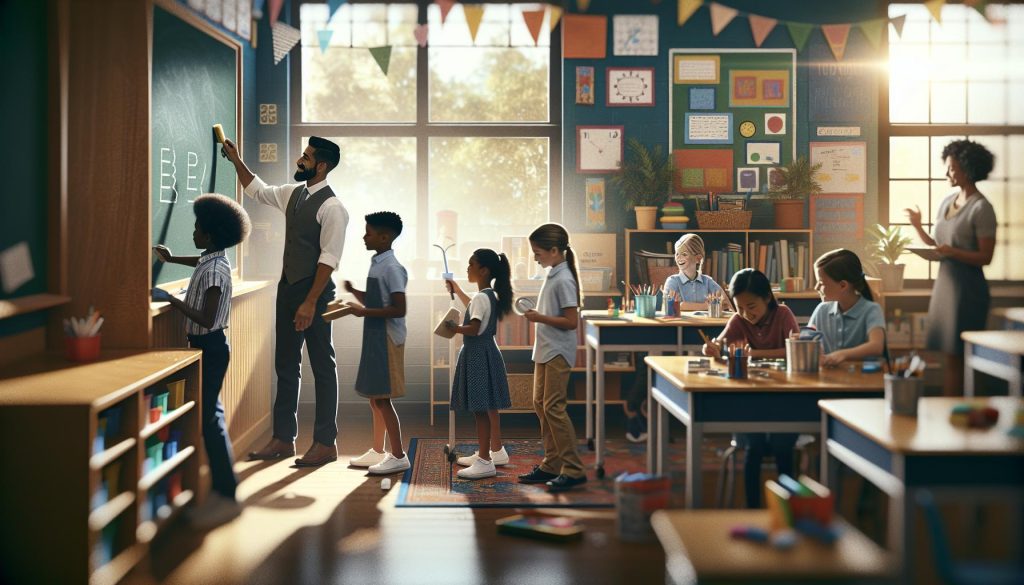
Classroom jobs are more than just roles; they are stepping stones for students to build essential skills for their future. Did you know that engaging in responsibilities within the classroom can boost a student’s confidence and enhance their leadership abilities? In an increasingly competitive job market, these experiences can set students apart from their peers. By taking on classroom roles, students not only contribute to their learning environment but also gain practical skills like teamwork, time management, and problem-solving. This article explores five key benefits of classroom jobs, illustrating how they foster personal growth and prepare students for the diverse challenges of the workforce. Join us as we uncover the profound impact these positions can have on student development, encouraging a proactive approach to balancing academics and early career experiences.
The Importance of Classroom Jobs for Student Development
In today’s educational landscape, the integration of classroom jobs presents a transformative opportunity for student development. Engaging students in school-related responsibilities not only enhances their academic experience but also nurtures essential life skills that extend beyond the classroom. When students take on roles such as classroom monitors, group leaders, or even supply organizers, they become active participants in their learning environment. This active participation fosters a sense of ownership and belonging, motivating students to contribute positively to their classroom community.
Enhanced Responsibility and Accountability
Classroom jobs instill a profound sense of responsibility and accountability among students. When assigned specific tasks, such as managing the classroom library or coordinating a clean-up crew, students learn the importance of fulfilling their commitments. This practice encourages them to become reliable individuals who understand that their actions impact their peers and the overall classroom environment. Over time, these responsibilities cultivate a habit of dependability that will benefit students in their future endeavors, both professionally and personally.
Building Critical Social Skills
Furthermore, engaging in classroom jobs nurtures social skills essential for collaboration and teamwork. As students work together in their roles, they must communicate effectively, negotiate responsibilities, and resolve conflicts. This dynamic promotes cooperation and helps students develop valuable interpersonal skills, which are vital for success in any career. By learning to work harmoniously with their peers, students refine their capacity to lead and support others, setting the groundwork for their future work environments.
In a nutshell, integrating classroom jobs into the students’ daily lives significantly benefits their overall development. The experience they gain fosters essential skills such as responsibility, accountability, and teamwork, which are crucial in both academic settings and the broader world. By embracing these roles, students are not merely preparing for their current studies; they are equipping themselves with the tools necessary for successful futures.
Enhancing Responsibility and Accountability Through Jobs
Classroom jobs provide an exceptional platform for students to embrace responsibility and accountability, essential traits that contribute significantly to their personal and academic growth. When students are entrusted with roles-ranging from classroom librarian to technology assistant-they engage not only in fulfilling tasks but also in understanding the weight of their commitments. This experience teaches them that their contributions directly affect their peers and the learning environment, fostering a sense of ownership that is invaluable both in school and beyond.
Taking on classroom responsibilities goes beyond just checking off tasks from a list. It creates a structured environment where students learn the significance of reliability and dedication. For example, a student chosen as the “Classroom Journer” might be tasked with keeping track of materials and ensuring their proper use, promoting a culture of respect for shared resources. Such roles provide real-world contexts where students witness firsthand how accountability can impact team dynamics and overall success.
By emphasizing accountability, these jobs prepare students for future challenges, whether in higher education or the workforce. As they grow older, the attributes they develop-such as meeting deadlines, seeking assistance when necessary, and understanding job expectations-will transition into essential skills for career advancement. Moreover, the ability to take responsibility fosters a mindset geared towards continuous improvement, motivating students to strive for excellence in all their endeavors.
In this way, classroom jobs not only help students develop a strong ethical foundation around responsibility but also instill confidence in their abilities to manage duties and work collaboratively. This formative experience is crucial as they navigate their educational journeys, ultimately shaping them into conscientious and dependable individuals ready to tackle the responsibilities of adulthood.
Building Critical Social Skills in the Classroom
Involving students in classroom jobs serves as a dynamic vehicle for developing essential social skills that they will utilize throughout their lives. Each role within the classroom-from the “Classroom Librarian” who manages books to the “Technology Assistant” helping peers with tech-related issues-provides students with opportunities to engage in communication, collaboration, and problem-solving. These interactions encourage them to express their thoughts clearly, listen actively, and respect varying opinions, which are vital social skills that extend far beyond the classroom walls.
By participating in these roles, students are often required to coordinate with their classmates, fostering teamwork and understanding. For instance, a student tasked with organizing group projects must not only plan efficiently but also negotiate and delegate tasks among peers. This collaborative process enhances their ability to work with diverse groups of people, teaching them the nuances of compromise and the importance of valuing others’ contributions. Additionally, learning to navigate challenging situations-such as resolving conflicts during group tasks-prepares them for real-world interpersonal challenges they will inevitably encounter in future academic and professional settings.
Moreover, classroom jobs can boost emotional intelligence, as students learn to recognize how their actions affect others. A role such as “Classroom Monitor” places a student in a position that requires empathy, as they must consider the feelings and perspectives of younger classmates or peers who may be struggling. This aspect of social skills development not only enhances their relationships now but also lays a crucial foundation for effective leadership in the future.
Finally, engaging in classroom jobs promotes inclusivity and respect among students. When everyone has a role and responsibility, it fosters a sense of belonging and ownership in the classroom community. Understanding the importance of each member’s contributions teaches students to appreciate diversity and approach teamwork with an open mind. As students learn to collaborate effectively, they become better prepared to thrive in a wide range of social situations and future careers.
Fostering Leadership Qualities in Young Students
Engaging in classroom jobs not only enhances students’ sense of responsibility but also plays a crucial role in fostering leadership qualities from a young age. When students take on roles such as “Group Leader” or “Classroom Organizer,” they step into positions that require them to make decisions and guide their peers. This experience cultivates essential leadership skills that can translate into various areas of their lives, shaping them into confident and capable individuals.
One effective way to nurture leadership qualities is to assign specific tasks that necessitate goal setting and accountability. For example, a student might be responsible for leading a group project, requiring them to set deadlines, delegate responsibilities, and encourage collaboration among team members. This role empowers them to take initiative while learning to navigate challenges that come with coordinating diverse opinions and working styles. In mastering these responsibilities, students enhance their problem-solving skills and gain a deeper understanding of what it means to lead others effectively.
Moreover, classroom jobs allow students to practice empathy and understanding, two vital components of effective leadership. Roles such as “Peer Mentor” or “Conflict Mediator” require students to listen actively and consider their classmates’ perspectives. This encourages them to build rapport and trust among their peers, key elements in any leadership role. As they engage in these positions, they learn to value collaboration over competition, appreciate diverse viewpoints, and foster a cooperative environment that benefits everyone.
In addition to developing interpersonal skills, classroom jobs also provide invaluable experience with real-world challenges such as time management and adaptability. As students juggle their job responsibilities with academic demands, they refine their ability to prioritize and stay organized. They learn that effective leaders must adapt to changing circumstances, motivate others, and maintain composure under pressure. This hands-on approach prepares young learners to face the complexities of future roles in the workplace, making them not just effective team members but also inspiring leaders.
To maximize the impact of classroom jobs on leadership development, educators can implement structured reflection sessions where students assess their experiences, set new goals, and discuss leadership challenges they face. This reflective process empowers students to take ownership of their growth and fosters a continuous learning mindset essential for success in any field. By cultivating leadership qualities through classroom roles, we enable students to emerge as confident, empathetic, and effective leaders ready to tackle the challenges of tomorrow.
Boosting Confidence and Self-Esteem with Roles
Taking on classroom jobs can profoundly impact a student’s confidence and self-esteem, transforming their self-perception and ability to contribute meaningfully to their community. When students are entrusted with specific roles-whether it’s being a line leader, a class librarian, or a tech support assistant-they experience a sense of ownership and accomplishment that fosters personal growth. They begin to realize that their contributions matter, reinforcing the idea that they can make valuable impacts in their surroundings.
One of the most significant benefits of classroom roles is the opportunity they provide for students to recognize their strengths. As students take on responsibilities, they often discover skills they didn’t realize they had, such as problem-solving, organization, or communication. For example, a student assigned to manage class supplies learns to keep track of inventory and may take pride in ensuring that everything is stocked and ready. This success encourages them to take on new challenges, reinforcing their belief in their abilities.
Moreover, regularly engaging in classroom jobs can create opportunities for positive feedback, further strengthening self-esteem. When teachers and peers acknowledge a job well done, it fuels a student’s motivation and self-worth. Creating a culture where peers commend each other for their efforts fosters a supportive environment where praise becomes a common practice. This can lead students to feel more confident in sharing their ideas and contributing in group discussions, which is vital for building collaborative skills necessary for future endeavors.
Additionally, the collaborative nature of classroom jobs encourages friendships and connections with peers, reducing feelings of isolation and anxiety. By working together on tasks, students learn from each other, bond over shared experiences, and develop a support network. These connections translate into a greater sense of belonging, which is crucial for mental well-being. As students feel more integrated within their peer group, their confidence in social settings can blossom, allowing them to navigate various social scenarios more effectively.
Incorporating classroom jobs into education is not merely about assigning tasks; it’s about cultivating an environment where students thrive academically and personally. By giving them a chance to shine in specific roles, educators lay the groundwork for developing self-assured individuals who are prepared to tackle future challenges both in school and beyond. They learn early on that their ideas and contributions hold significance, paving the way for bravery in facing larger life challenges. The journey of gaining confidence and self-esteem not only empowers them in their educational pursuits but also prepares them for lifelong success.
Promoting Cooperative Learning and Teamwork
In a classroom setting, students frequently work on collaborative projects that not only engage their academic skills but also foster teamwork and cooperative learning. This dynamic mirrors real-world workplace environments where collaboration is crucial for success. When students take on classroom jobs, they learn firsthand the importance of working together to achieve common goals. For instance, assigning roles like group leader, material manager, or presentation organizer encourages students to communicate effectively and distribute tasks based on each other’s strengths.
Through collaboration, students engage in shared problem-solving, which nurtures important social skills such as active listening, empathy, and negotiation. As they navigate group work, they practice resolving conflicts, understanding different perspectives, and appreciating diverse contributions. This cooperative learning environment cultivates a sense of community, where students feel valued and included, leading to stronger relationships and a supportive peer network. Group activities often lead to successful outcomes-students realize that together they can accomplish tasks more efficiently and creatively than they could alone.
Moreover, classroom jobs often require students to reflect on their collective performance. After completing a project, they can evaluate what went well and what could be improved, encouraging constructive feedback among peers. This process encourages accountability both for their own responsibilities and for their contributions to the group’s success. Such reflective practices prepare students for professional environments where teamwork, constructive criticism, and adaptability are vital.
Ultimately, students who participate in classroom jobs develop a strong foundation for future collaboration in any career path. They gain the ability to work effectively with others, develop leadership skills, and learn to rely on their peers for support and motivation. This cooperative spirit extends beyond the classroom-students are empowered to carry these valuable skills into internships, part-time jobs, and their future careers, where teamwork will be a cornerstone of their professional success.
Encouraging Independence and Initiative in Learning
Students thrive in environments that promote independence and initiative, especially in settings where they can take on specific roles and responsibilities. Engaging in classroom jobs not only allows students to make choices but also empowers them to take charge of their learning. For instance, assigning jobs like “class librarian” or “technology assistant” encourages students to seek out resources, manage time effectively, and develop decision-making skills. These responsibilities serve as a microcosm of real-world situations where individuals must advocate for themselves and their actions-an essential aspect of becoming confident, independent learners.
To further encourage independence, educators can structure classroom jobs to include a degree of autonomy. For example, allowing students to set their schedules for completing tasks or manage their own projects can foster a sense of ownership. This hands-on experience teaches them the importance of self-management and prioritization. Additionally, students learn to navigate challenges independently, brainstorming solutions and seeking help when necessary, which builds problem-solving skills that will serve them well in future pursuits.
As students prepare for their career paths, they can benefit greatly from the lessons learned through classroom jobs. Whether they transition into part-time jobs, internships, or freelance work, the ability to take initiative will be invaluable. In guiding students through the job application process, it’s crucial to emphasize:
- Preparation: Help students create a resume that highlights their classroom job experiences, showcasing responsibilities and skills acquired.
- Job Search: Teach them how to find flexible, legitimate employment opportunities that can accommodate their study schedules.
- Interview Skills: Conduct mock interviews to boost their confidence, focusing on how to speak about their classroom experiences effectively.
- Work-Life Balance: Discuss strategies for balancing academic responsibilities with job commitments to prevent overwhelm.
Promoting independence through classroom jobs not only enhances student engagement but also sets a strong foundation for their future-creating confident individuals ready to tackle the challenges of high school, career, and beyond.
Connecting Classroom Jobs to Real-World Skills
Engaging in classroom jobs offers students a unique opportunity to build skills that can be directly applied to the real world. Whether taking on the role of a class monitor, tech guru, or event coordinator, students learn foundational skills such as communication, teamwork, and problem-solving that resonate well beyond the classroom walls. These roles mirror professional responsibilities, thereby preparing students for future internships, part-time jobs, and even full-time careers. For instance, a student serving as a “class secretary” can enhance their organizational skills and learn how to manage schedules and document meetings-skills that are invaluable in any workplace.
By incorporating classroom jobs, educators give students a chance to hone their interpersonal skills, which are vital in nearly every career path. Collaboration and negotiation are integral to roles like “project leader” or “peer mediator.” Through these experiences, students gain confidence in working with diverse individuals, developing not just friendships but also essential networking abilities. This collaborative environment also encourages adaptability, as students must learn to navigate different personalities and work styles, reflecting the dynamics they will encounter in professional settings.
The significance of classroom jobs extends into practical aspects of career preparation, including resume writing and interview readiness. Students can document their classroom responsibilities and the skills they’ve cultivated, making their resumes stand out to future employers. It is beneficial for educators to guide students in this process, helping them create resumes that highlight relevant experiences from their classroom jobs. Additionally, mock interviews can provide a platform for students to practice articulating their experiences, boosting their confidence and readiness for future job searching.
In balancing classroom jobs with academic commitments, students learn to manage their time effectively-a skill that is crucial in the workforce. Here are some strategies for fostering this balance:
- Set Priorities: Teach students to prioritize tasks and responsibilities to manage both work and study effectively.
- Establish Routines: Encourage students to create daily or weekly schedules that include dedicated time for classroom jobs and studies.
- Utilize Digital Tools: Introduce apps and calendars that can help students keep track of deadlines and commitments.
Through these insights, it becomes clear that classroom jobs serve as a bridge connecting academic experiences to real-world competencies. As students step into these roles, they cultivate a strong foundation for their future career endeavors, ensuring they are well-equipped to navigate the challenges and opportunities that lie ahead.
Creating a Positive Classroom Environment
Creating a compelling and supportive classroom environment not only fosters learning but also underscores the importance of classroom jobs in developing essential life skills. Research indicates that students who feel a sense of belonging and community are more likely to engage in their education actively. Classroom jobs serve as a bridge for students to contribute meaningfully to their surroundings, allowing them to feel valued and recognized for their efforts. This can transform the learning atmosphere into one that is more inclusive and collaborative, enhancing both individual and group dynamics.
When students take on specific responsibilities, such as class monitor or materials organizer, they experience firsthand the impact of their contributions on the overall classroom community. These roles instill a sense of ownership and pride, encouraging students to be accountable not only for their tasks but also for their peers. This shared responsibility fosters a positive environment where students support one another, share ideas, and work collaboratively towards common goals. Such dynamics are vital in teaching students how to thrive in team settings, a skill essential for their future academic and professional endeavors.
Encouraging a culture of respect and recognition is critical when implementing classroom jobs. Teachers can initiate regular feedback sessions where students can share their experiences and express appreciation for each other’s contributions. This practice not only reinforces positive behavior but also encourages open dialogue, making students feel heard and respected. Moreover, recognizing student achievements publicly, whether through a “job well done” bulletin board or certificates of appreciation, can greatly enhance students’ self-esteem and motivation.
Incorporating classroom jobs also serves to engage parents and the wider community in the educational process. By informing families about their children’s roles, schools can foster a sense of partnership that enriches the classroom experience. Parents can be invited to participate in special events or showcase programs where students demonstrate the skills they’ve learned through their classroom responsibilities. This not only strengthens the connection between home and school but also helps students realize the importance of their contributions beyond the classroom, emphasizing the notion that they are part of a larger community.
Ultimately, a positive classroom environment nurtured by classroom jobs creates a fertile ground for personal and academic growth. It empowers students to develop crucial skills such as teamwork, accountability, and communication, all while making learning a more enjoyable and engaging experience. By investing in these roles, educators are laying the groundwork for students to flourish not just in school, but in their future careers as well.
Engaging Parents and Community in Classroom Roles
Engaging parents and the wider community in classroom roles not only enriches the educational experience but also strengthens the foundations upon which students build their future careers. When families are informed about their children’s responsibilities within the classroom, it creates a dynamic partnership that extends the learning environment beyond school walls. This interaction allows parents to gain insight into their children’s daily experiences, helping to highlight the importance of teamwork, accountability, and leadership.
One effective way to foster this connection is to invite parents to participate in classroom events, such as volunteer days or skill-sharing workshops. For instance, if a student is responsible for organizing classroom supplies, a parent with organizational skills might conduct a workshop on effective organization techniques. This not only allows parents to contribute actively but also demonstrates to students the value of community involvement, inspiring them to see their roles as part of a larger network. Furthermore, schools can create newsletters or boards displaying students’ achievements and responsibilities, making it clear how their efforts contribute to the classroom environment.
To reinforce this collaborative spirit, consider organizing regular showcases where students can demonstrate what they have learned through their roles. These events can include presentations, performances, or exhibits that highlight student responsibility in maintaining classroom activities. Such public recognition not only boosts student confidence but also shows parents the skills their children are developing, such as public speaking and teamwork. The feedback during these events can help improve student performance and fosters a climate of appreciation.
When parents and community members are engaged, they help to cultivate a culture of respect and support, which is essential for students’ personal and academic growth. Schools can help by providing resources that guide parents on how to be involved, including tips on supporting their child’s job responsibilities at home. This partnership ultimately leads to a more enriched educational experience, instilling a sense of belonging for students while paving the way for successful career development in their future endeavors.
Maximizing Learning Outcomes Through Student Employment
The ability to strike a balance between academic responsibilities and work commitments is a vital skill that students can cultivate through classroom jobs and employment opportunities. Engaging in positions such as part-time jobs, internships, or freelance work not only enhances their learning outcomes but also equips them with practical skills necessary for their future endeavors. For example, students who take on roles that require organization or leadership can refine these skills in real-world contexts, benefiting their academic performance and career readiness.
To maximize the learning outcomes associated with student employment, it is essential to approach job-seeking strategically. Here are some practical steps students can take to ensure they are well-prepared to enter the workforce:
Step-by-Step Job Application Guidance
- Identify Interests and Strengths: Reflect on personal skills and preferences to find a job that aligns with career aspirations.
- Create a Targeted Resume: Highlight relevant experiences, even if they are from classroom jobs or volunteer work, showcasing skills that translate to the workplace.
- Practice Interview Skills: Engage in mock interviews to boost confidence and refine responses to common interview questions using clear, concise examples.
- Network Effectively: Utilize school resources, community events, and social media platforms like LinkedIn to connect with potential employers and industry professionals.
Once students secure employment, it’s crucial to maintain a healthy balance between work and academic commitments. This can be achieved through effective time management strategies, such as prioritizing tasks, utilizing planners, and setting specific work and study hours.
Work-Life Balance Strategies
Balancing education and employment can be challenging, but with the right approach, it can also be incredibly rewarding. Students can benefit from:
- Setting Realistic Goals: Divide larger tasks into smaller, manageable ones to prevent feeling overwhelmed.
- Communication: Discuss scheduling needs with both employers and educators to ensure clarity and support.
- Self-Care Practices: Incorporate breaks and stress-relief activities into daily routines to maintain well-being.
Ultimately, classroom jobs and student employment opportunities serve as critical stepping stones towards professional development. By actively engaging in these experiences, students not only enhance their learning outcomes but also lay down a strong foundation for their future careers, building confidence and the skills necessary for navigating a dynamic job market. Encouraging students to embrace these roles can empower them to visualize their paths forward and successfully balance their responsibilities.
Frequently asked questions
Q: Why are classroom jobs beneficial for student development?
A: Classroom jobs promote student development by enhancing responsibility, accountability, and leadership skills. These roles help students practice critical social skills, boost confidence, and prepare them for real-world responsibilities, all of which contribute to increased engagement in the learning process.
Q: How do classroom jobs improve social skills in students?
A: Classroom jobs improve social skills by providing students with opportunities to interact with peers and teachers in structured settings. As they collaborate on tasks, they learn effective communication, teamwork, and conflict resolution, which are essential skills both in and out of school.
Q: What role do classroom jobs play in building leadership qualities?
A: Classroom jobs foster leadership qualities by giving students the chance to take on responsibilities and make decisions. This environment encourages them to lead projects, guide peers, and take initiative, ultimately cultivating self-confidence and preparing them for future leadership roles.
Q: How can classroom jobs boost self-esteem in students?
A: Classroom jobs boost self-esteem by giving students a sense of purpose and accomplishment. Completing tasks successfully and being recognized for their contributions help build their confidence and affirm their abilities, creating a positive feedback loop of self-worth and motivation.
Q: In what ways do classroom jobs encourage teamwork among students?
A: Classroom jobs encourage teamwork by requiring students to collaborate on specific tasks and share responsibilities. This interaction promotes understanding and respect for different roles within a group, enhancing cooperative learning and social bonds among classmates.
Q: Why should schools implement classroom jobs for fostering independence?
A: Implementing classroom jobs fosters independence by allowing students to manage their responsibilities and make choices. This autonomy helps develop essential life skills, such as time management and problem-solving, empowering students to take charge of their learning journey.
Q: How do classroom jobs connect to real-world skills?
A: Classroom jobs connect to real-world skills by mirroring workplace dynamics, such as task delegation, collaboration, and responsibility. This hands-on experience prepares students for future employment, equipping them with practical skills necessary in various career paths.
Q: What strategies can teachers use to effectively assign classroom jobs?
A: Teachers can effectively assign classroom jobs by aligning roles with students’ interests and strengths, rotating responsibilities regularly, and encouraging student input. This approach ensures that all students remain engaged and invested in their roles, enhancing the classroom experience for everyone.
For more insights, feel free to explore the sections in our article, such as “Enhancing Responsibility and Accountability Through Jobs” and “Building Critical Social Skills in the Classroom.”
In Summary
In conclusion, understanding the significance of classroom jobs is crucial for fostering essential life skills in students. These roles not only enhance responsibility and teamwork but also empower students to take ownership of their learning environment. Now is the time to implement or expand classroom jobs in your own space-consider exploring our detailed guide on 50 Classroom Job Ideas and 17 Best Classroom Helpers Ideas to inspire your approach.
Feel motivated to act and share your thoughts or experiences in the comments below! Have questions about integrating these strategies? Don’t hesitate-check out our resources on effective classroom management and engagement techniques. By taking these steps, you can further enrich your students’ educational journey, ensuring they are not only prepared academically but also equipped for future success. Join our community for more insights and updates-let’s work together to create empowered learners!